Last year, theologian Os Guinness gave a speech at Patrick Henry College that made a noteworthy observation. Traditionally, threats to America’s founding ideas have come from the Left. However, Guinness notes, a new threat is rising on the Right.To give an overview, postliberals look at the woes of modern society and blame liberalism for them. This does not mean liberalism in the modern sense of the word, but the classical liberalism of the Enlightenment and our Founding Fathers, chiefly the idea that government is derived from the consent of the governed, for the protection of our rights.
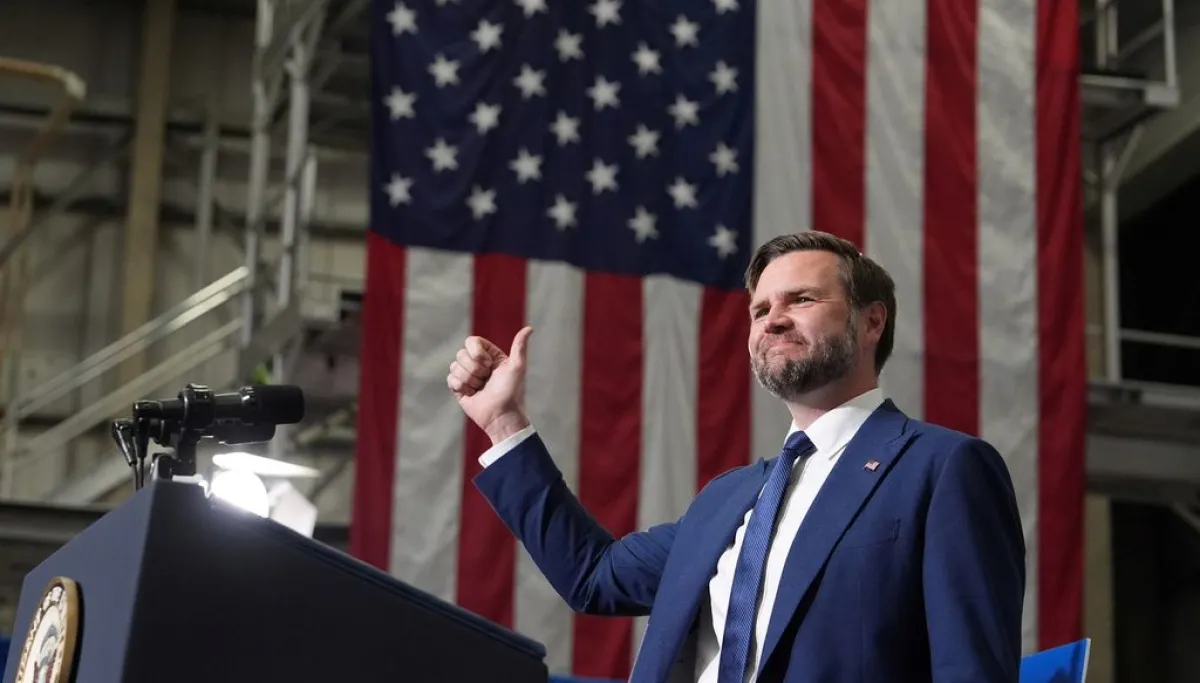
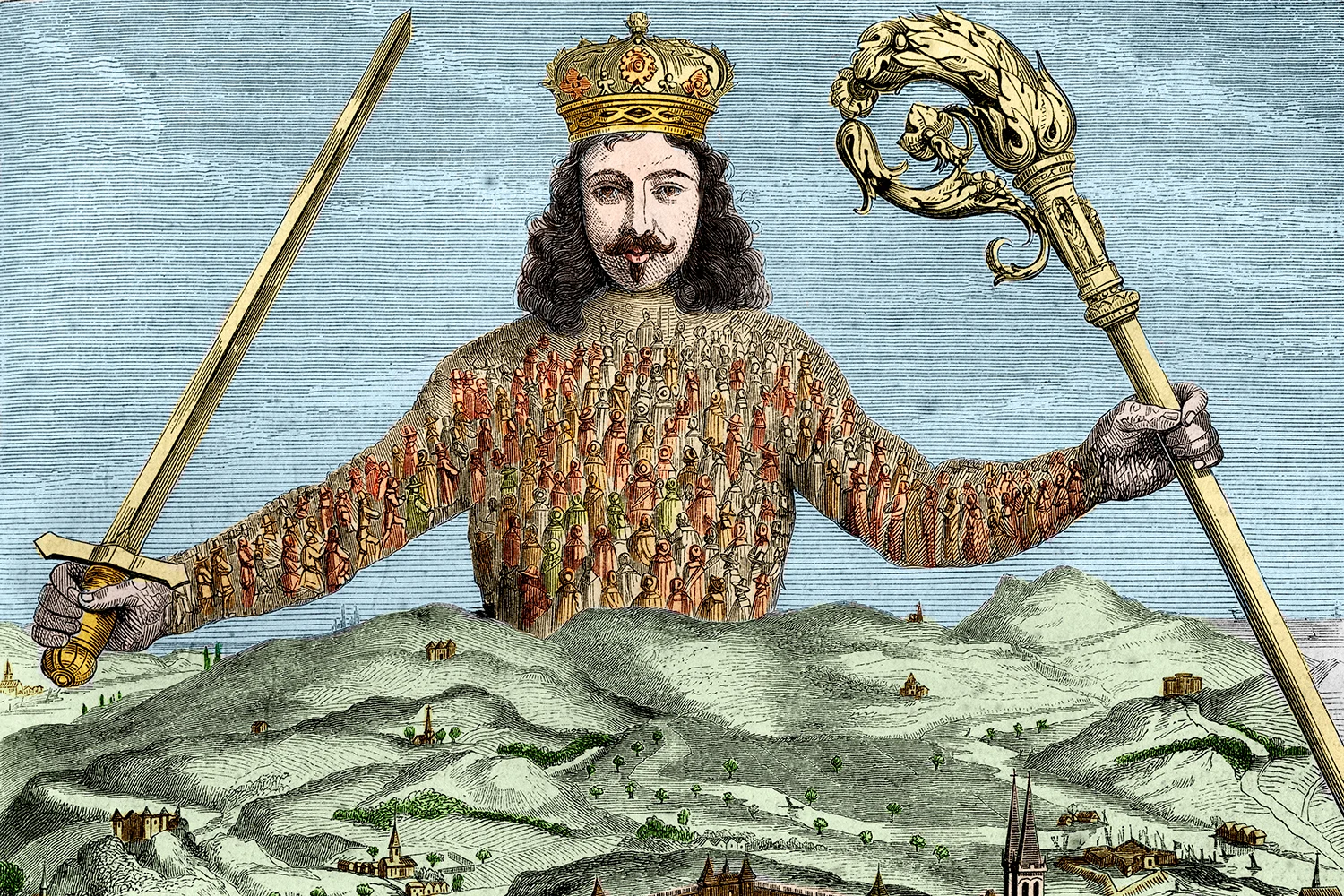
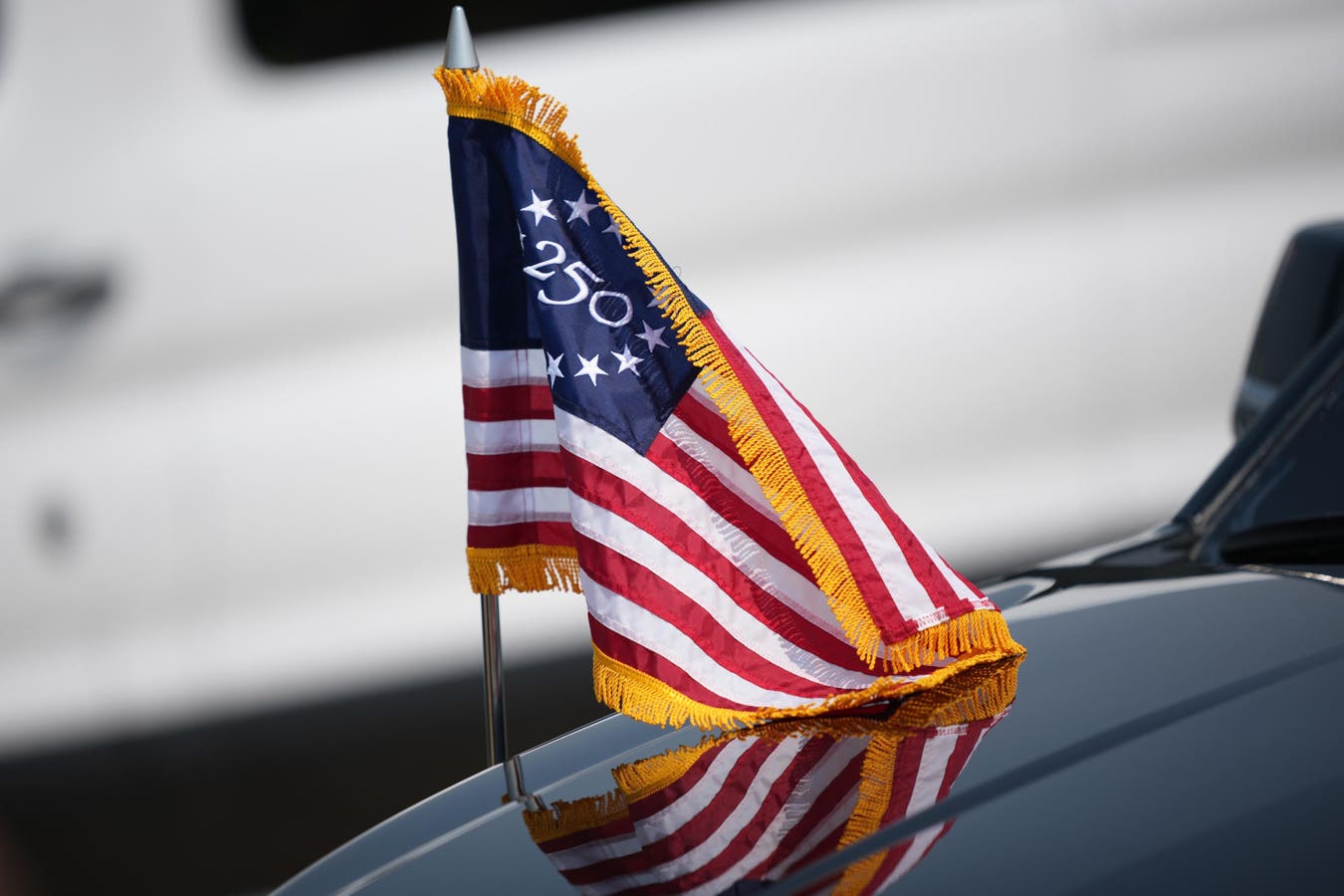
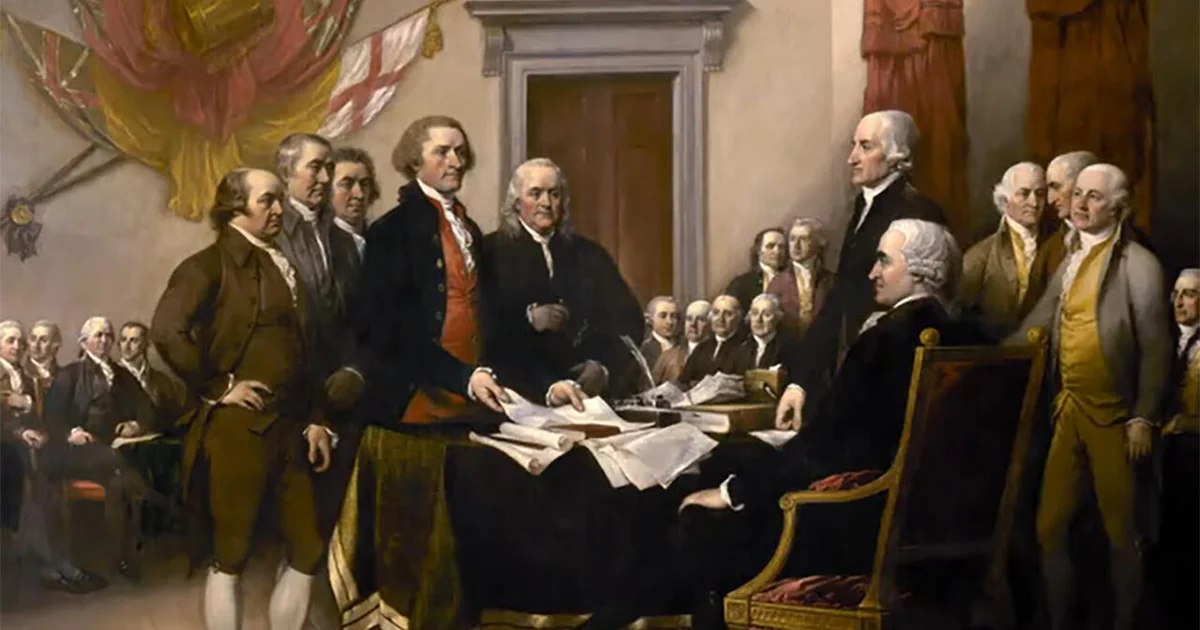
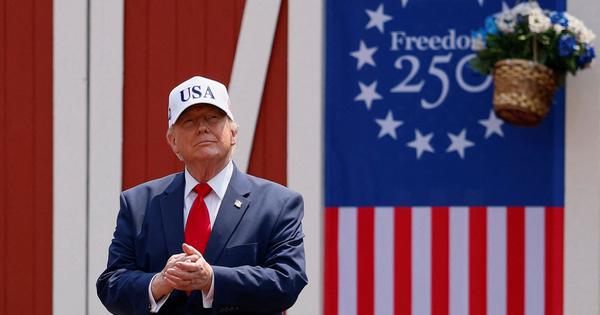
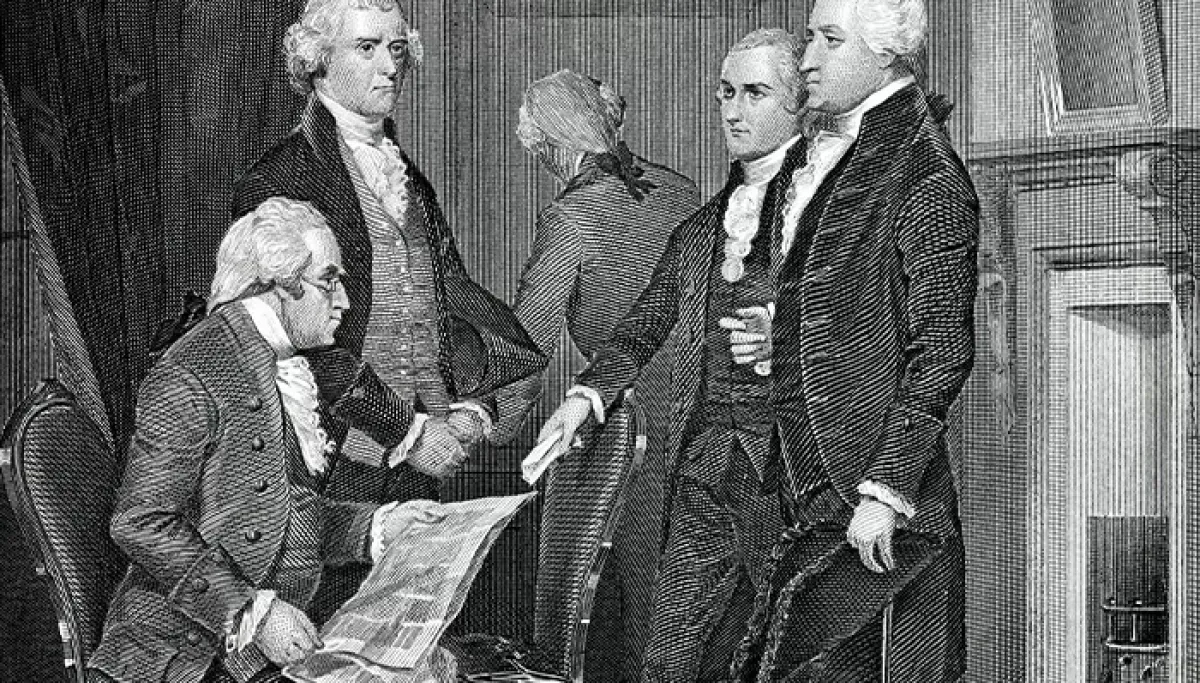
Postliberalism says that this liberalism has failed and must be replaced with something new, namely, a system that allows government to use its power to shape society into something more traditional and conservative. Liberalism, they say, values individual autonomy too much and has thus caused the social degeneration we see today.To replace liberalism, they support a closer connection between church and state, government intervention in the economy to promote their ends, and expanding the power of the government in order to shape the country and its people according to their vision, even discussing the possible installation of a “red Caesar.” I have heard postliberals describe themselves as “big-government conservatives” due to their support for using state power, even if it risks running afoul of personal liberties.Self-described postliberals currently reach as high up as our vice president, J.D. Vance.As we celebrate the 250th anniversary of the Declaration of Independence, the document that encapsulates America’s liberal heritage, we must also take the time to learn vigilance against forces that would undermine it. The postliberals claim to be conservatives, but they are actually nothing of the sort.Russell Kirk, a conservative thinker respected across the Right, published The Conservative Mind in 1953. Kirk sought to systematize conservatism for the 20th century. In his chapter devoted to Edmund Burke, the father of the conservative worldview, he makes a curious statement: “Burke was liberal because he was conservative.”How could this be? Kirk explains that “He had defended the liberties of Englishmen against their king, and the liberties of Americans against king and parliament, and the liberties of Hindus against Europeans.”This concern for liberty made Burke a liberal, but it came from his conservatism. Liberty was already written into the English mind, but there was more to Burke’s defense. Conservatives understand that one-size-fits-all attempts at governance are doomed to fail. Every country has a heritage and culture it draws upon, and thus each demands something different. Conservatives, within reason, respect these differences.Perhaps the postliberal project would make sense in Europe, where its ideas have more historical precedent. But they are out of place in America. We are founded upon social contracts from the Mayflower Compact to the Constitution. Concern for the rights of man has always animated our history. We cherish the checks and balances that postliberals challenge. America’s heritage (and thus its conservatism) is inescapably tied to liberalism.A postliberal America would be something that is not America anymore, and is thus not conservative. Engraving from 1881 commemorating the first presidential cabinet. From left to right: Henry Knox, Thomas Jefferson, Edmond Randolph, Alexander Hamilton, and President George Washington. (Getty Images)