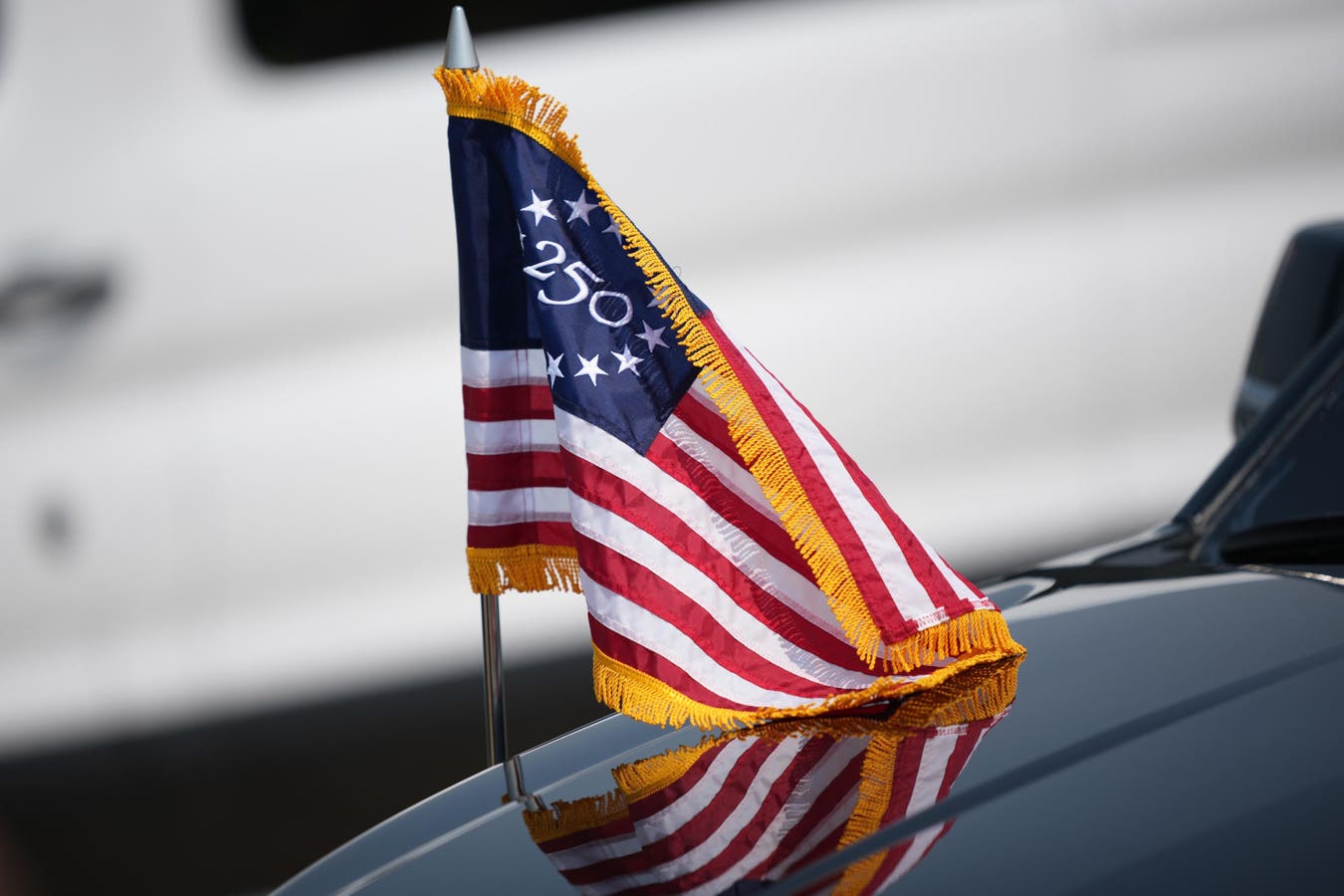
An America 250 flag is seen on the hood of a vehicle at the opening of the Theodore Roosevelt Presidential Library, Wednesday, July 1, 2026, in Medora, N.D. (AP Photo/Matt Rourke)
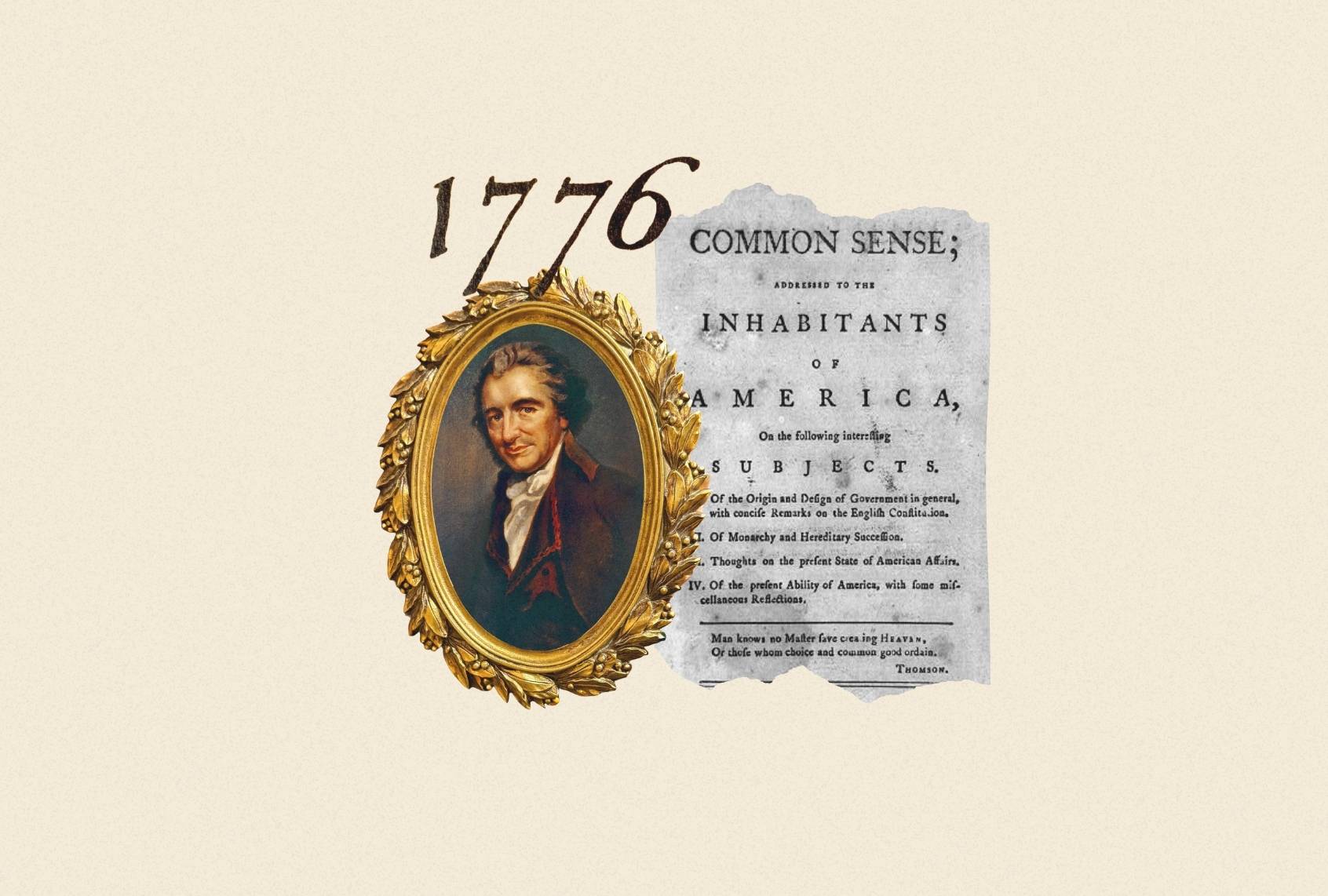
In his powerful 1776 essay “Common Sense,” Thomas Paine made a compelling case for American independence, based on the rejection of a monarchy and an embrace of government of, by, and for the people. Two hundred and fifty years later, we celebrate this vision and the unlikely staying power of a democracy that has flourished in a country with the most diverse population of any nation in history. Because we don’t share a common ethnicity, race, or religion, what binds us together as Americans is our constitutional culture, including the active civic participation of our people, part of our DNA that has helped shape and rejuvenate our democracy since its birth.
But as we celebrate the success of the American experiment, we also need to acknowledge and respond to the serious challenges we now face in sustaining this model, challenges caused by the fractious nature of our politics, the litany of harmful words and actions by our current president, and the worsening disinformation and polarization fueled by new forms of technology. Most dangerously, for the civic groups that are part of our democracy’s lifeblood, we are also seeing a rising effort to punish them simply for the views they represent. Though the roots of our democracy are strong, these are consequential threats, and we ignore them at our own peril.