Growing older often means recovering more slowly from muscle injuries, but scientists may have uncovered an important reason why.
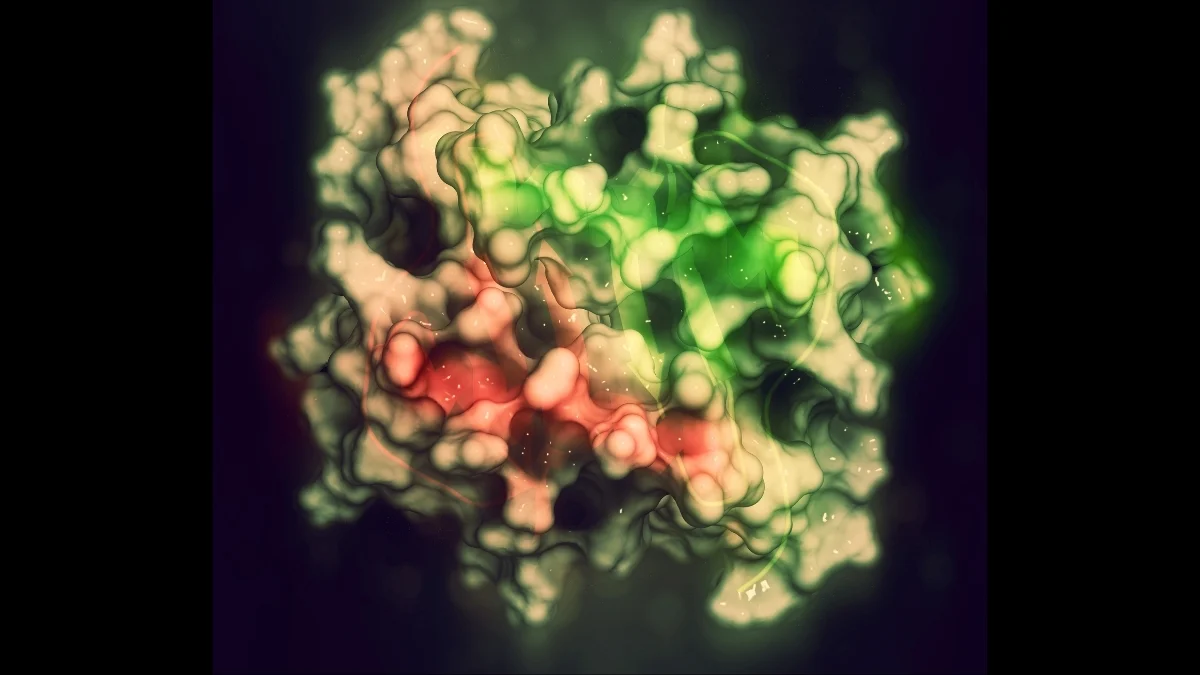
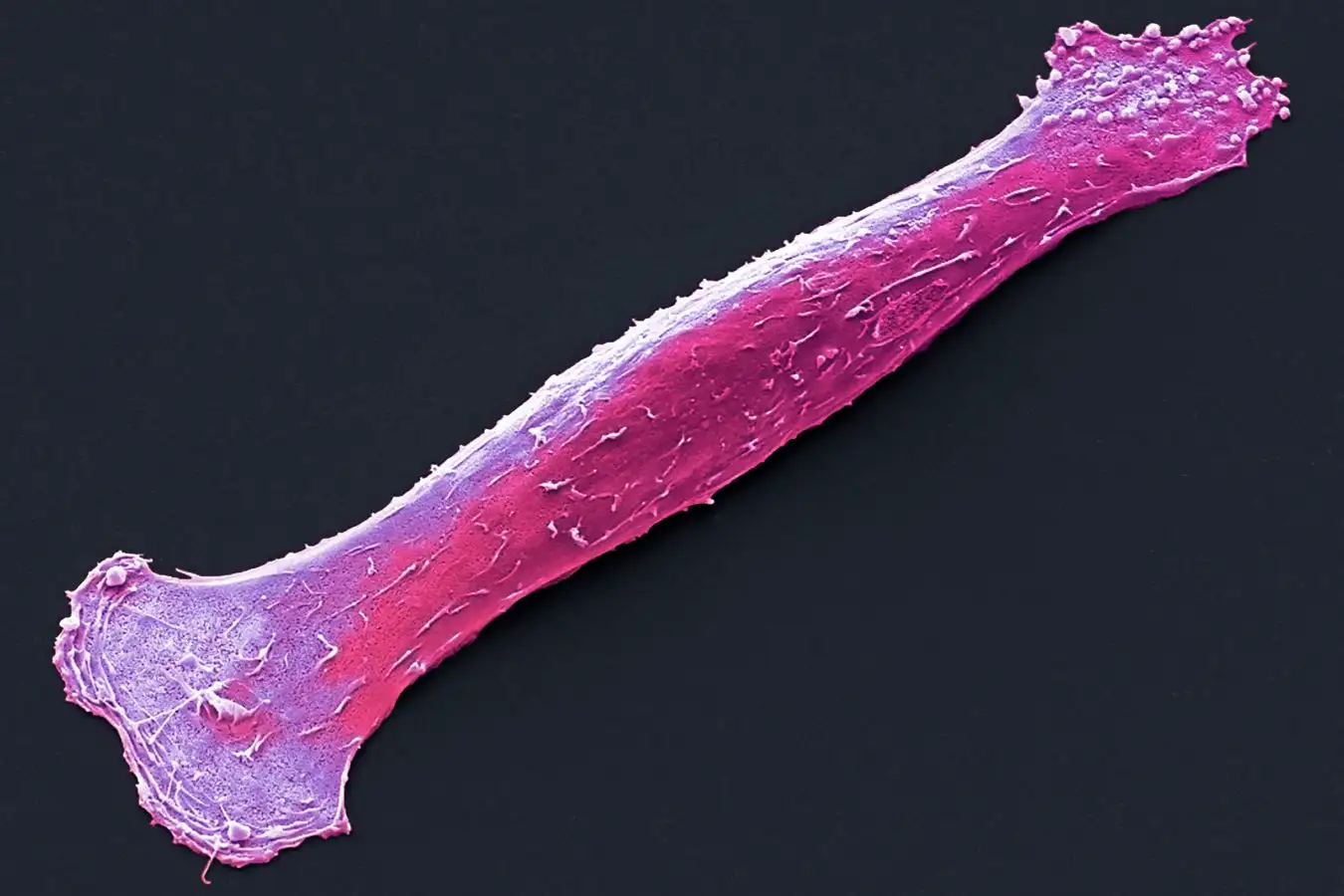
A new study from UCLA, conducted in mice, found that aging muscle stem cells build up high levels of a protein that slows their ability to spring into action and repair damaged tissue. At the same time, that protein appears to help the cells endure the challenging conditions found in aging muscle.
The research, published in the journal Science, suggests that some biological changes linked to aging may not simply be signs of decline. Instead, they may serve as protective adaptations that help cells survive.
"This has led us to a new way of thinking about aging," said Dr. Thomas Rando, senior author of the study and director of the Eli and Edythe Broad Center of Regenerative Medicine and Stem Cell Research at UCLA.
"It's counterintuitive, but the stem cells that make it through aging may actually be the least functional ones. They survive not because they're the best at their job, but because they're the best at surviving. That gives us a completely different lens for understanding why tissues decline with age."