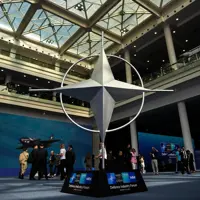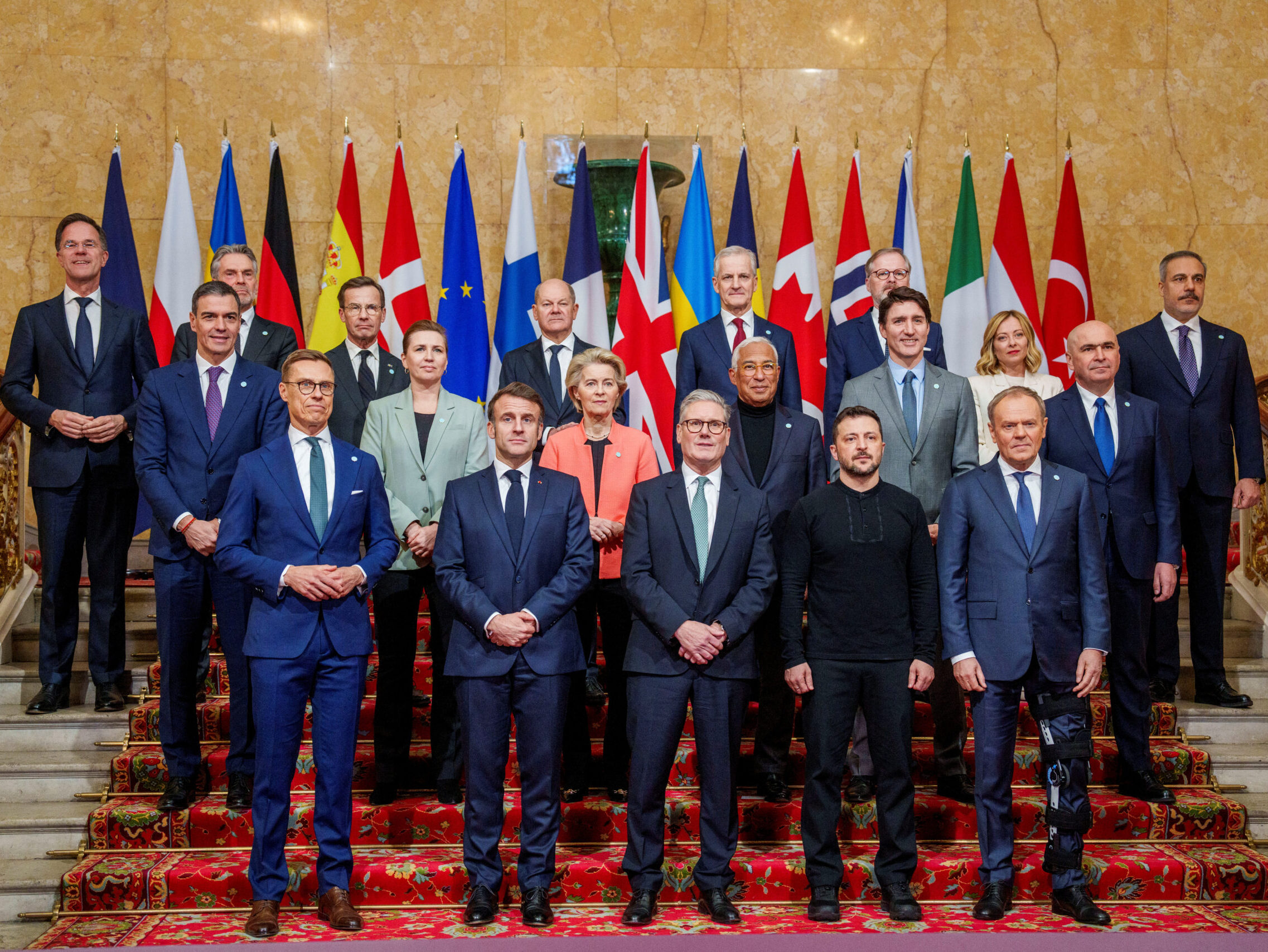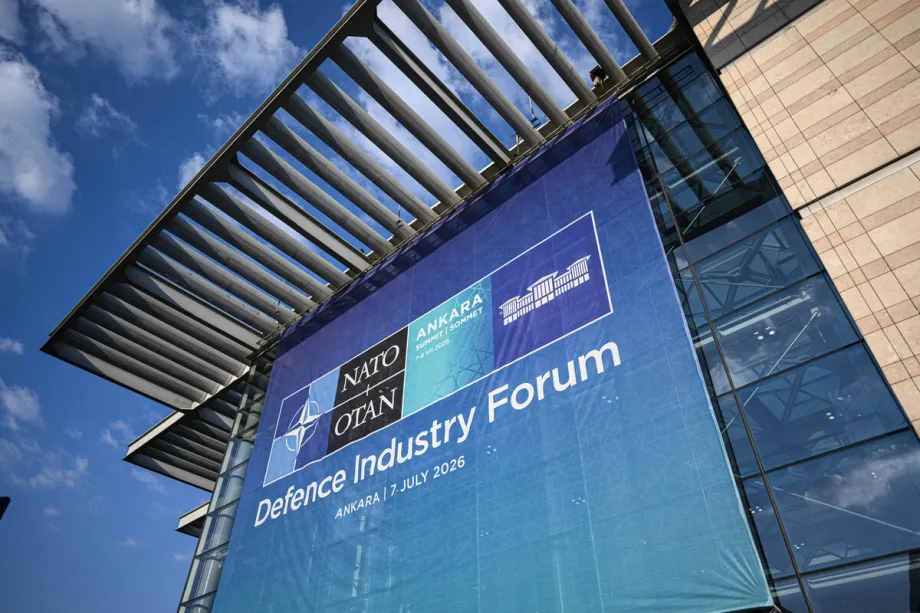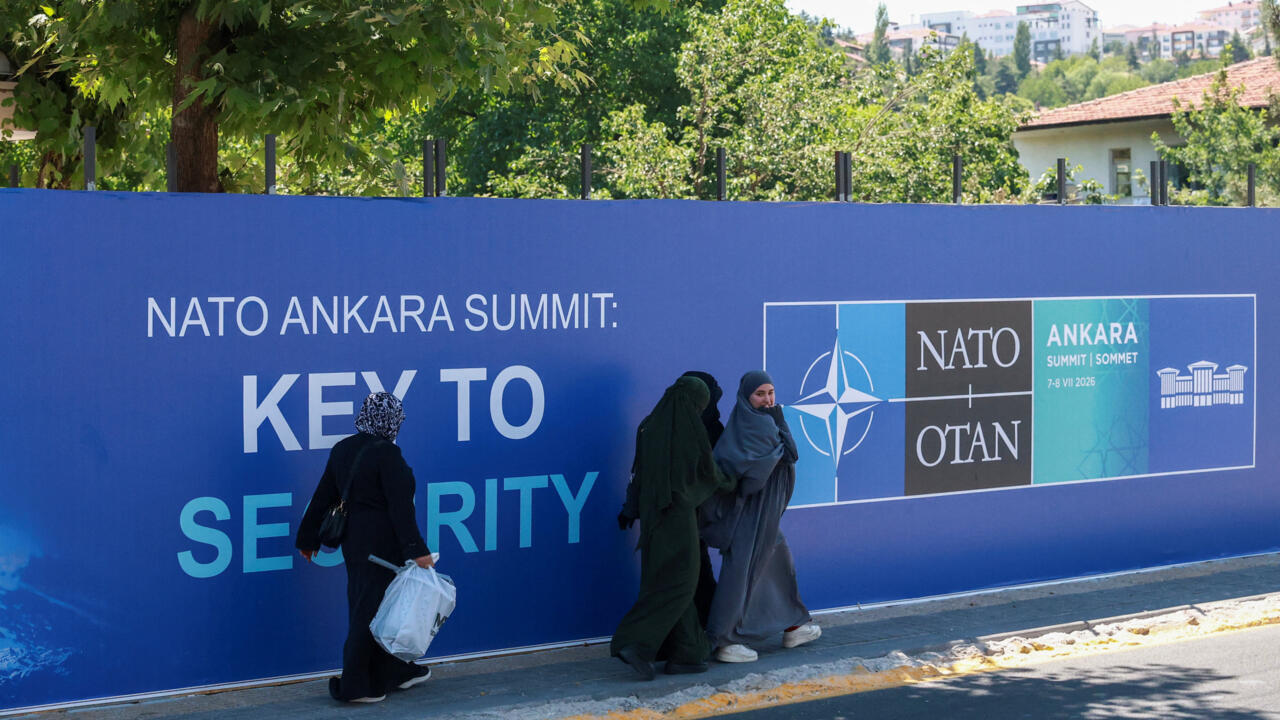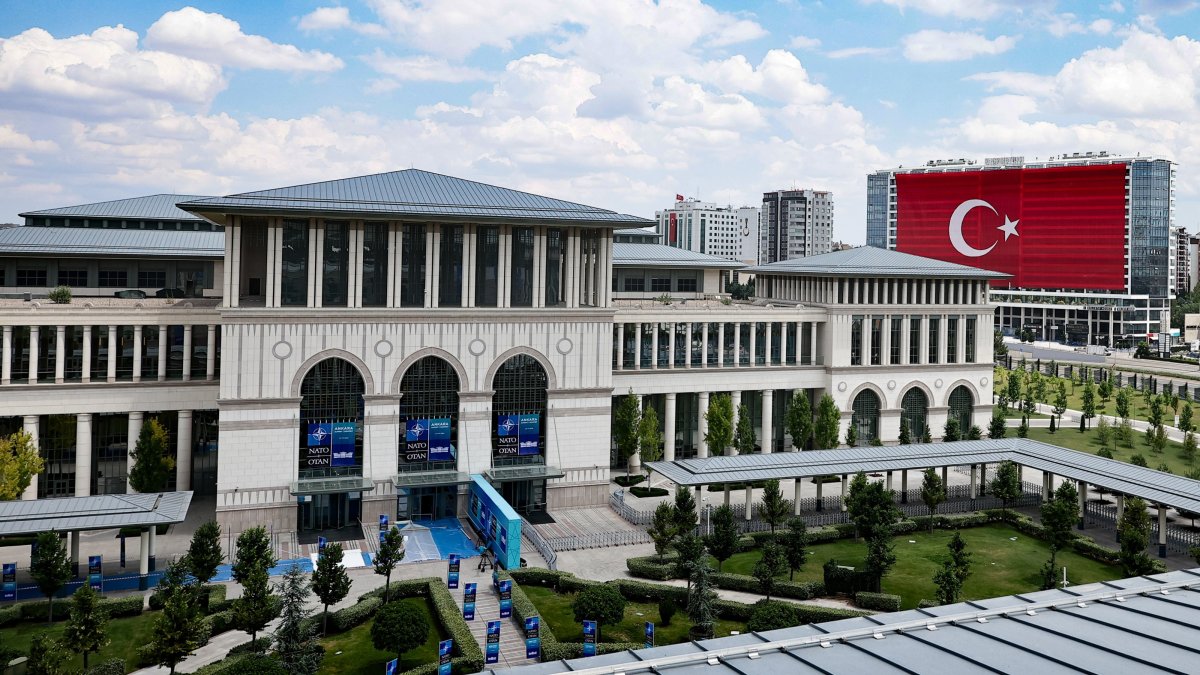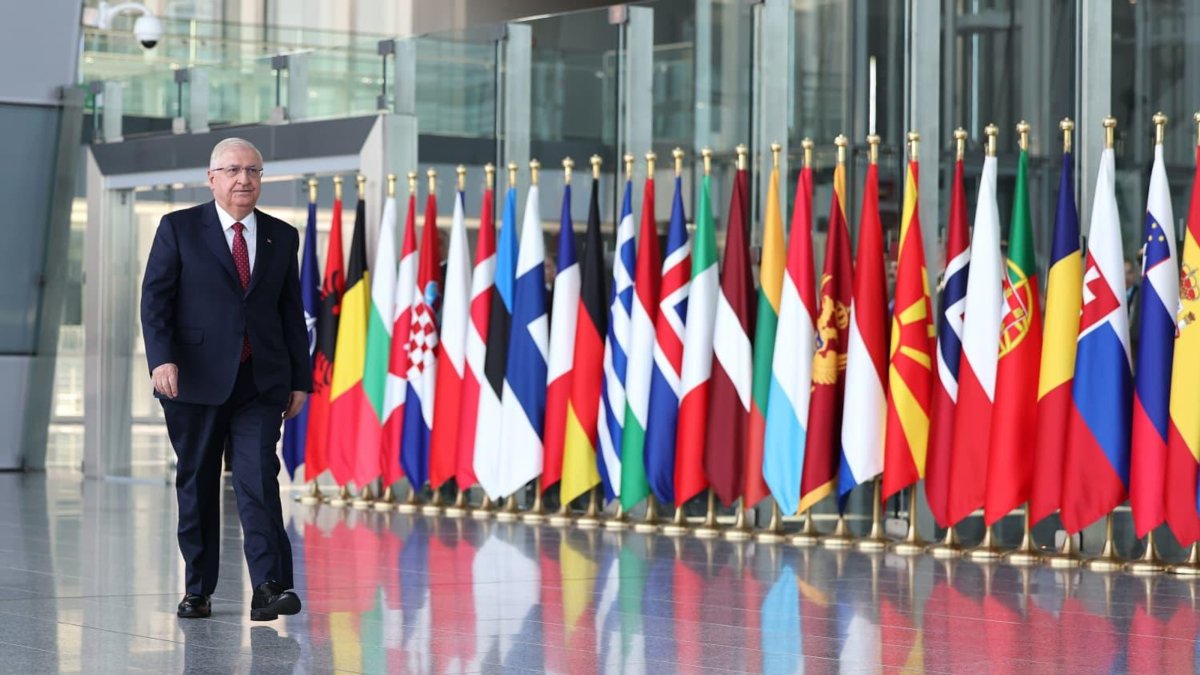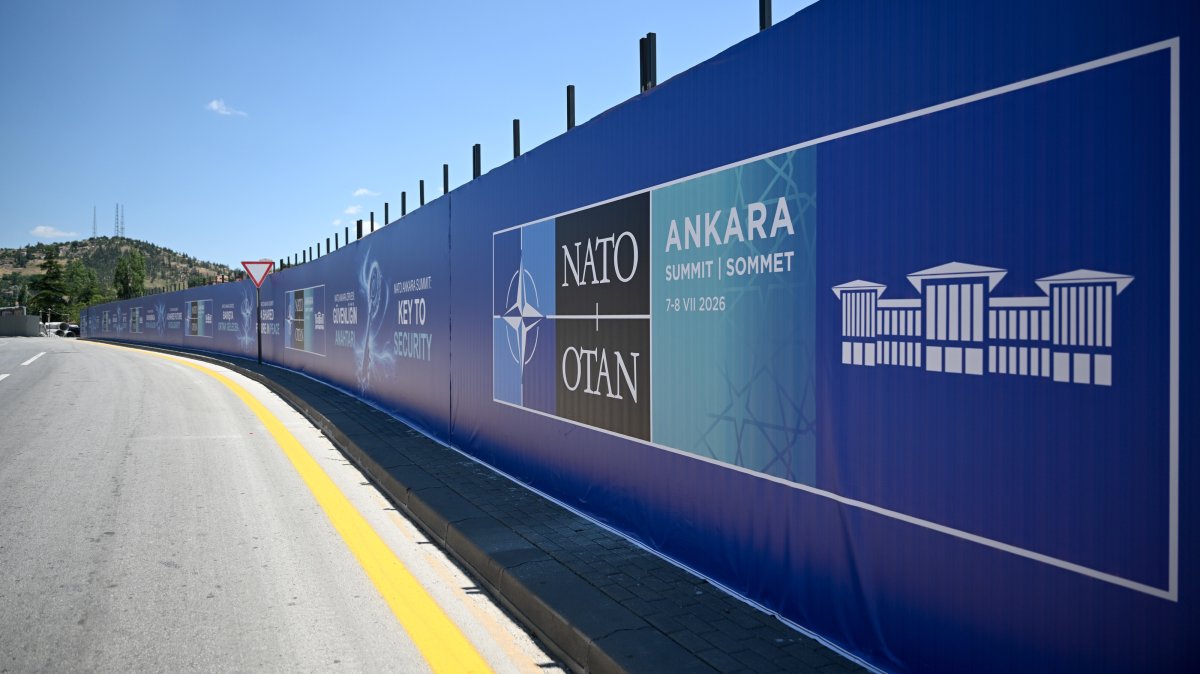
Türkiye's National Intelligence Academy (MIA) has published a report describing the upcoming NATO summit in Ankara as a critical turning point for the alliance, arguing that NATO must adapt to an increasingly complex security environment shaped by great-power competition, hybrid threats and emerging technologies.
The report, titled "The Ankara Summit, NATO 3.0 Debates and Türkiye," examines NATO's evolving security architecture, the concept of "NATO 3.0" and Türkiye's strategic role within the alliance ahead of the leaders' summit.
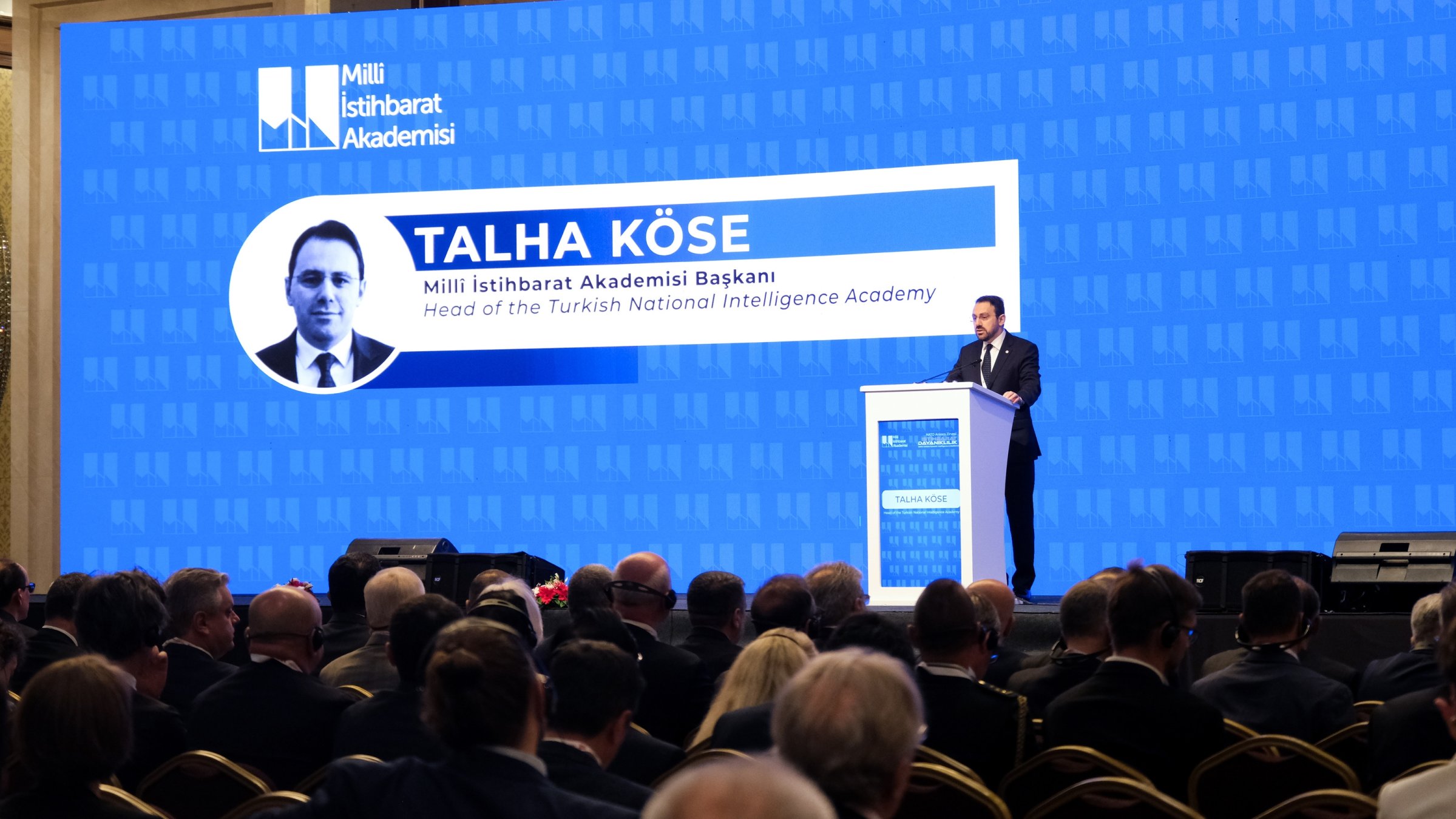
The National Intelligence Academy, a graduate-level institution established under the National Intelligence Organization (MIT) in 2023, focuses on intelligence, national security research and postgraduate education.
According to the report released on Friday, the international security landscape has moved beyond the relatively predictable post-Cold War order toward a multipolar environment marked by heightened uncertainty and hybrid competition. It cites intensifying rivalry among major powers, China's technological and economic rise, the Russia-Ukraine war, and the Israel-Iran conflict as developments that have fundamentally reshaped global security.
The report argues that security can no longer be defined solely in military terms, saying cyberattacks, disinformation, energy coercion and attacks on critical infrastructure have become strategic instruments of competition. It also emphasizes that societal resilience and what it describes as "cognitive security" have become integral components of national and collective defense.