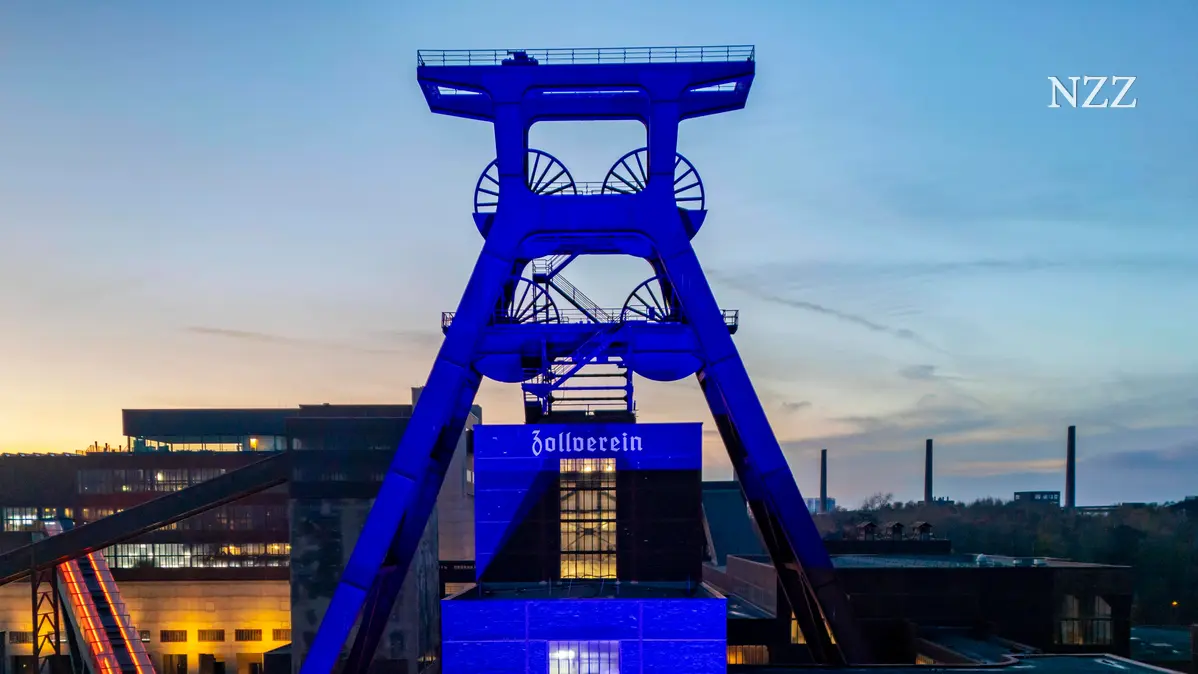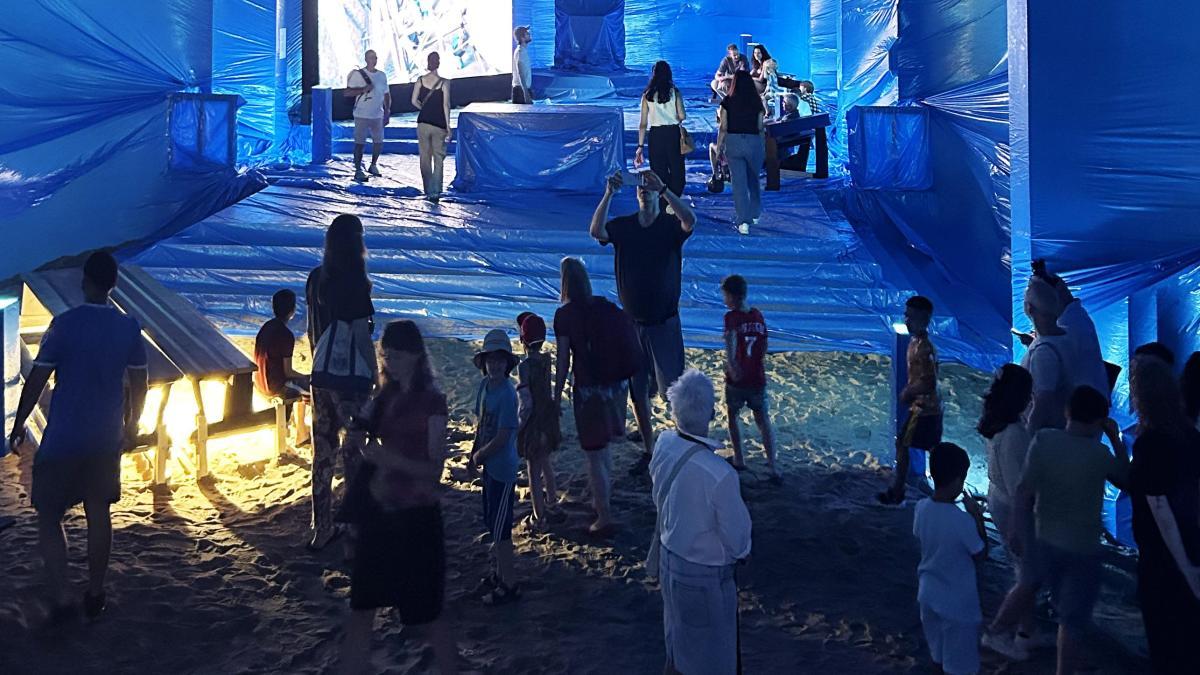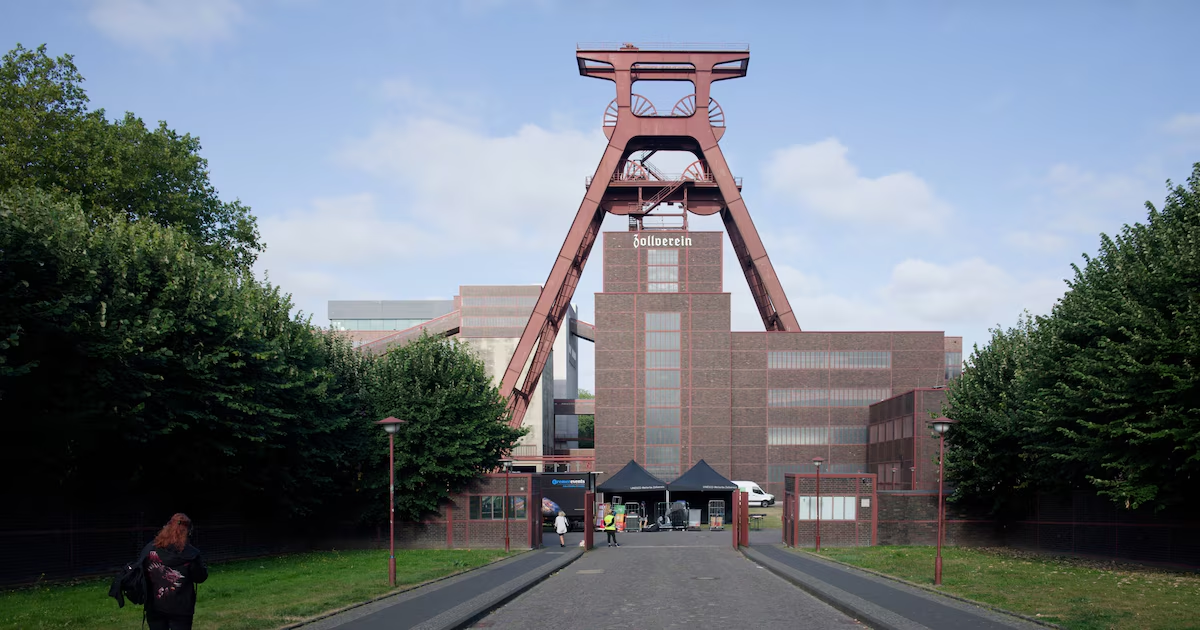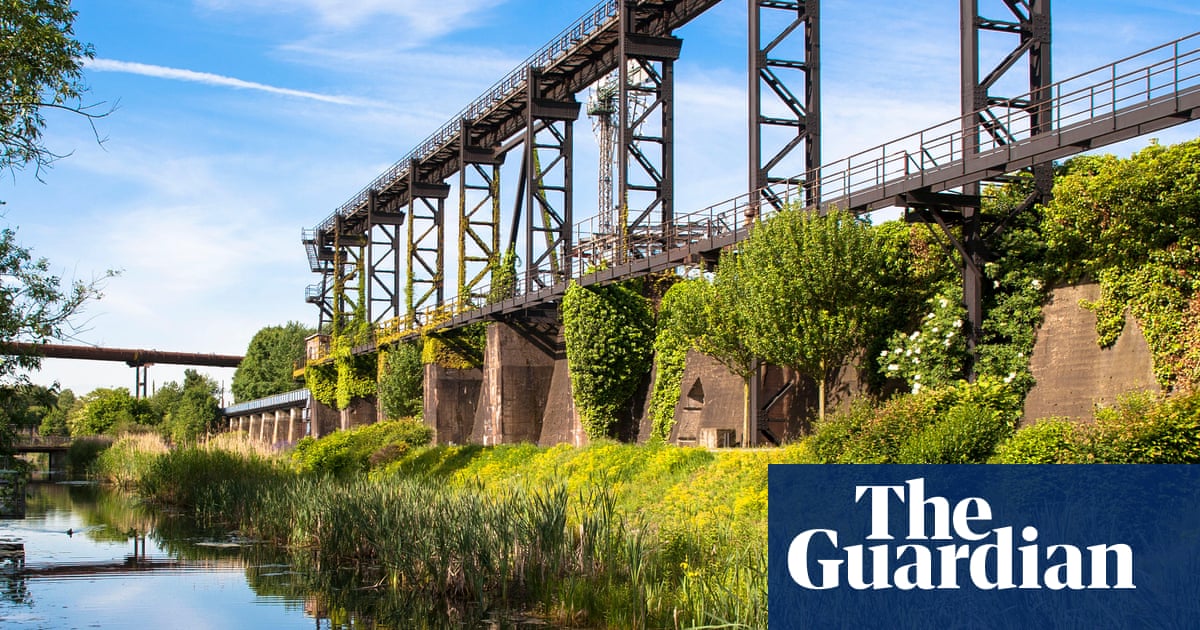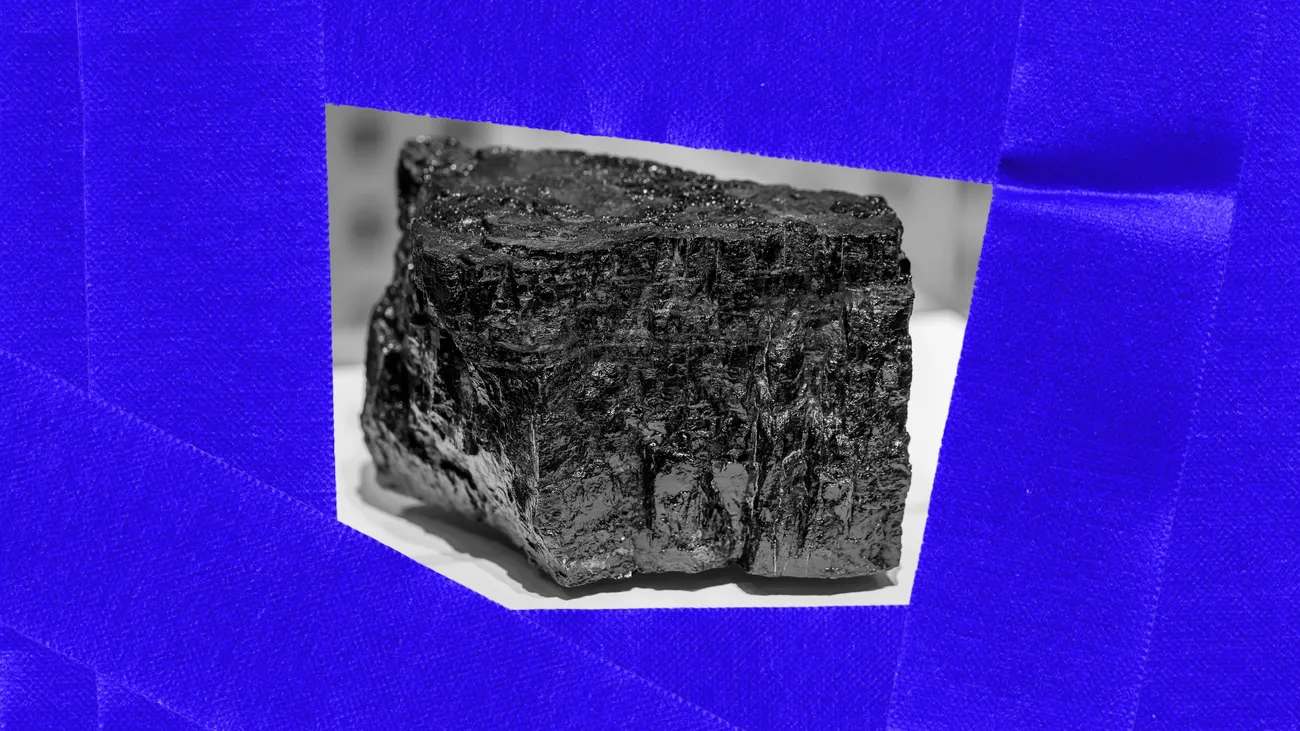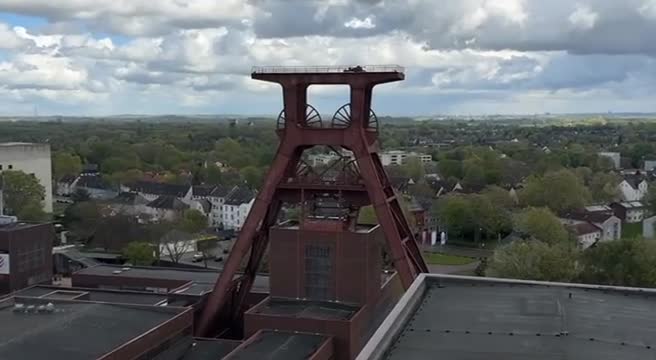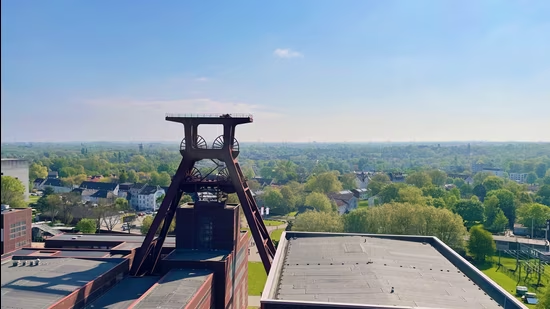
Germany’s transformed Ruhr, where a dead river breathes again, can serve as inspiration for other heavily polluted areas of the world At the Zollverein Coal Mine Industrial Complex, the past isn’t tucked away — it looms, all steel and symmetry, as if the machinery just paused for a moment. Standing beneath the headframes, the scale of the place does its own quiet talking. This is one of the former industrial sites in German’s Ruhr that’s been reworked. Now, these sites are active systems being repaired and reconnected. The International Garden Exhibition 2027 sits against this background.The Zollverein Coal Mine Industrial Complex, a reworked industrial space in Germany’s Ruhr. (Veidehi Gite)“I used to work underground, more than 1,000 metres deep,” said Hans Jurgen Zielke, who began working here as a miner at 15. “It was very dark, very hot, very dirty.” Decades later, now retired, he has returned — not to mine coal, but to interpret the place for visitors.Former miner Hans Jurgen Zielke (Veidehi Gite)“The Ruhr was never just industry,” said historian Daniel Sobanski as we moved between buildings. “It was a system of communities built around the industries. What you see now is a reinterpretation.” The shift from extraction to experience runs through everything I saw across the Ruhr. The numbers behind the Garden Exhibition are staggering: 170 hectares of land being reshaped, hundreds of millions of euros invested, 53 municipalities involved. The transformation makes complete sense when you stand inside these spaces.In Duisburg’s Rheinpark, I walked across what was once the Niederrheinische Hütte, an ironworks that operated for over 150 years. Now, the site is open to the sky and river breeze and meadows stretch where furnaces once stood. Doreen Scholz, the project guide pointed toward a wide construction zone. “This will be the biggest playground in the city,” she said. “And it’s designed so that children with disabilities can use everything — just like everyone else.” As we stood overlooking the park, she said, “These spaces are not just about nature. They are about access — who gets to use the city, and how.” What is being built here is not just green space but also social infrastructure. Nearby is a restaurant run by people with disabilities. “That’s part of the idea too. We are taking the place back from industries,” she said.Duisburg’s Rheinpark (Veidehi Gite)This taking back is highly engineered. Layers of intervention lie beneath the apparent simplicity of lawns and pathways — sealed contamination, redirected water systems, and carefully selected plant species capable of stabilising damaged ground. Early-stage vegetation will give way to denser ecosystems, allowing the landscape itself to mature beyond 2027. The intention is not to present a finished garden, but to initiate one.At a former coking plant, I stood inside a vast industrial hall where coal was once transformed into coke at extreme temperatures. My guide Karin Molde walked us through the process — the extraction of chemical by-products, the quenching of burning material, the constant rhythm of production.“Every 10 to 15 minutes, there was a cycle,” she said. “A white cloud rising. All the time.” That cloud carried more than steam. It carried contamination — much of which still lingers in the soil today, carefully sealed beneath layers of engineering. “It’s safe now,” she said. “But of course, this was not a healthy process.” The space now hosts concerts and cultural events. “This is one of our main event facilities,” she said, gesturing towards a structure that once stored industrial by-products.In Dortmund, former industrial land has been reshaped into climate-adaptive terrain, where water retention basins double as recreational areas. In Gelsenkirchen, the Future Garden integrates existing infrastructure into new ecological layers — walkways tracing former transport routes, planting zones following the logic of industrial grids. Where materials once moved outward, resources are now held, filtered, and regenerated within the site.Part of the Forest Worlds exhibition inside the Gasometer in Oberhausen (Veidehi Gite)At Zollverein, former washery buildings now house museums. Conveyor belts frame art installations. Industrial architecture becomes exhibition space. At the Amphitheatre in Gelsenkirchen, Nadine Jacobstroer described how that philosophy extends into the Future Garden projects. “We are not designing over the past,” she said. “We are designing with it. The structure stays — the meaning evolves.” Hans Jurgen Zielke demonstrated this transformation in the most tangible way possible — by holding up a cube of coal. “Coal is more or less compressed energy,” he said. “Three hundred million years old.” He paused, letting that timescale settle. “Five tonnes of coal like this could power a home for years.”Across the Ruhr, one of the most ambitious examples is the restoration of the Emscher river. Once an open sewer, it has undergone a 30-year transformation involving underground wastewater systems and large-scale renaturation. “It was a biologically dead river,” Sobanski said. “Now it’s alive again.” The Emscher’s transformation provides the underlying spine for many of these interventions. What was once a channel for waste has become a guiding axis for regeneration, with tributary projects feeding into a broader hydrological strategy. Green corridors extend outward from the river, linking previously isolated developments into a shared ecological framework.“These Future Gardens are not just exhibitions,” Sobanski told me. “They are innovation hubs.” In cities like Dortmund, Gelsenkirchen, and Duisburg, former industrial sites are being converted into experimental landscapes — testing climate-resilient design, sustainable mobility, and new forms of urban living.In Gelsenkirchen, the Future Garden integrates existing infrastructure into new ecological layers (Veidehi Gite)In Lünen, a site near the city centre is being converted into a park under the theme “Landscape in Motion.” In Emscherland, ecological restoration has created a nature and water adventure park built on what was once heavily polluted terrain. Even smaller interventions — community gardens, rooftop projects, school initiatives — are being folded into the broader framework. “Green is tradition here,” Scholz said during the tour. “It tells the stories of people.” Because while the region is known globally for its industrial past, more than half of its land today is already green space. What is changing now is not just the quantity of that green, but its meaning. Forests, parks, and rivers are becoming central to identity.Inside the Gasometer in Oberhausen, that shift takes on a more symbolic form. The massive cylindrical structure — once used to store gas — now houses an exhibition titled “Forest Worlds.” As I walked through the installation with its vast projections of global ecosystems, the contrast felt theatrical. “For hundreds of years, forests were seen as something dangerous, dark, unknown,” said Sabine, the guide. Then came industrialization; “They became places of retreat.” Now, they are something else again. “The forest filters emissions,” she said. “It stores carbon. It gives us oxygen.” Inside a former gas tank, that message carries a certain weight.The International Garden Exhibition 2027 will run from April to October. Organisers expect over three million visitors. But the real impact will lie beyond those six months. Back at Zollverein, standing beneath the towering head frames, I thought about what Hans had said — about working underground, about leaving, about returning. Zollverein has changed its direction. Where coal was once brought to the surface, people now come to understand what that history means and the green lifestyles that can now be built on top of it.Veidehi Gite is an independent journalist.
Ruhr: from industrial graveyard to green urban lab
Germany’s transformed Ruhr, where a dead river breathes again, can serve as inspiration for other heavily polluted areas of the world
1,216 words~6 min read