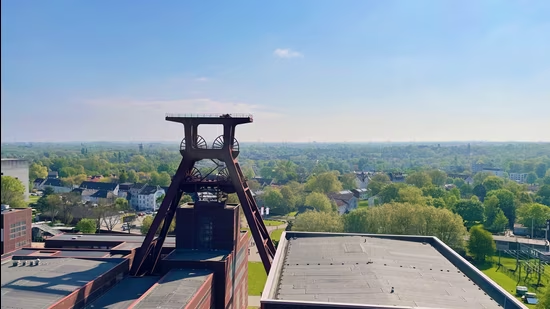
A €5.5bn project has transformed the Emscher from ‘the sewer of the Ruhr’ to a place where nature is starting to flourish
Strolling beside the Emscher, the Tyczkowskis say it is the stench that they remember most about the river’s darker days.
“The whole thing was filthy and it stank terribly,” says the couple, a retired watchmaker and tax adviser in their 80s. Were they ever tempted to take a dip? “No,” they laugh in disgust. “There were other things swimming inside.”
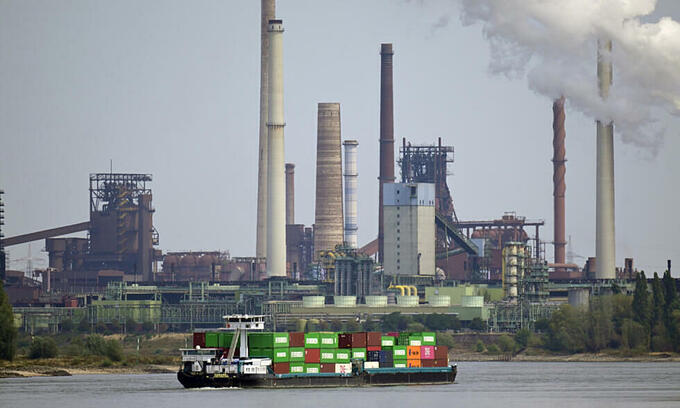
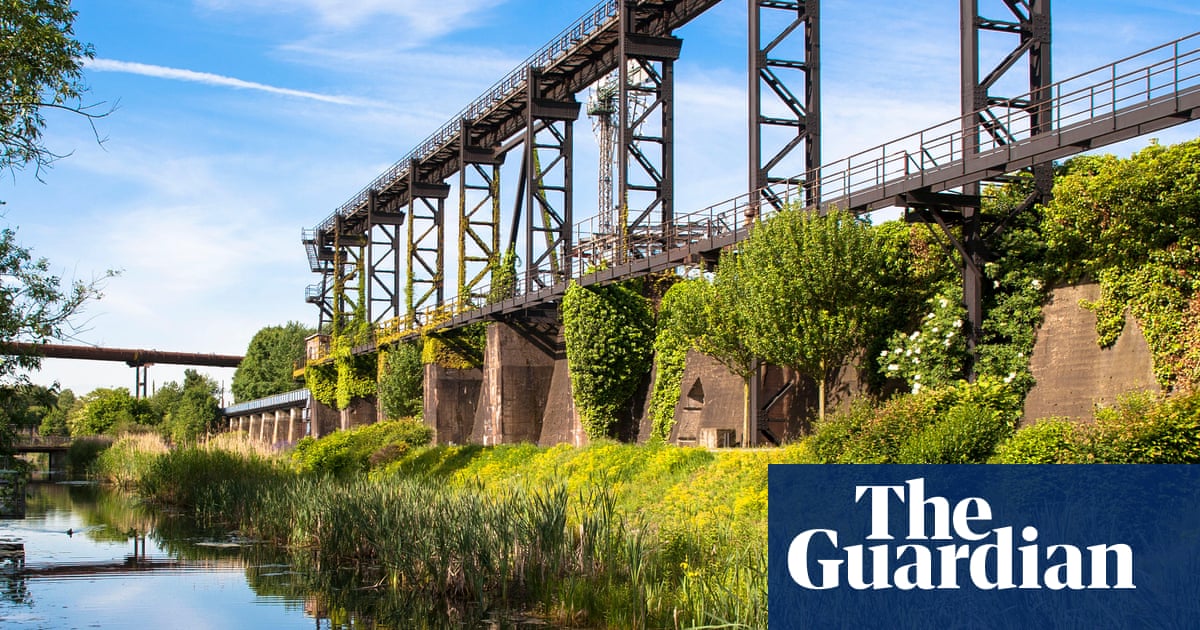
For more than a century, putrid fumes emanated from the “sewer of the Ruhr”, creating a pungent whiff that assaulted towns throughout Germany’s industrial heartland. But today, the Emscher bears little resemblance to Europe’s dirtiest river. Water that used to be fouled by factory waste and human excrement have been free from effluent since 2021. The river system, the main part of which was once considered biologically dead, is witnessing the return of an abundance of life.
Nature enthusiasts have spotted lapwings, kingfishers and demoiselles in the region, along with freshwater shrimp, caddis flies, and even beavers. In May, scientists reported that red-finned rudd from the Rhine had re-established themselves.