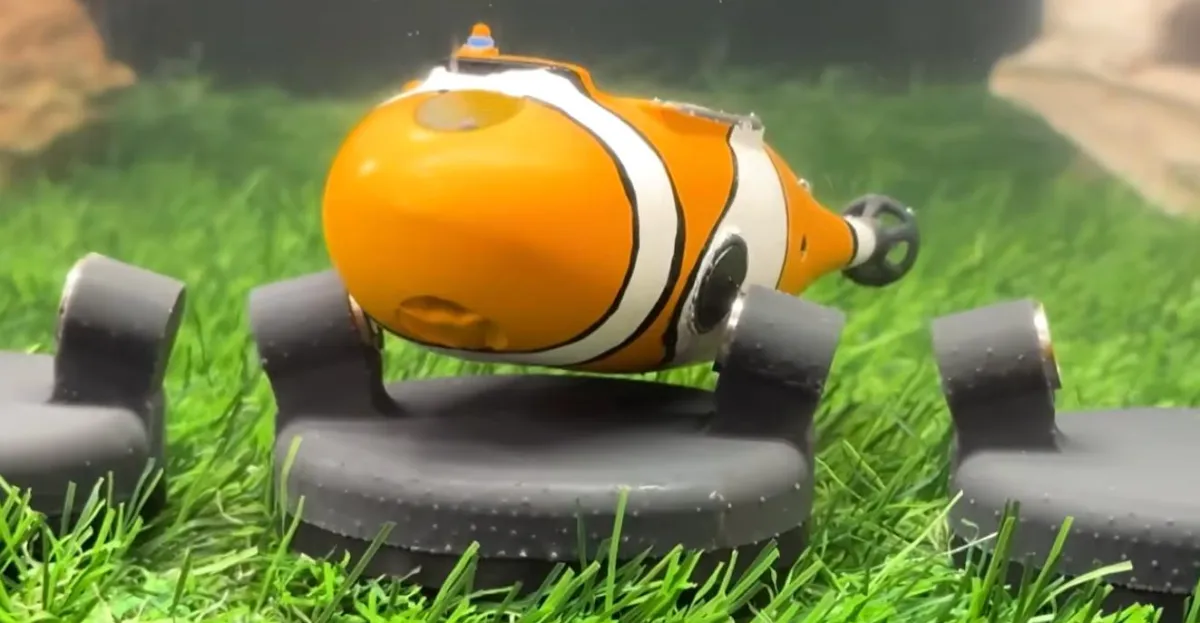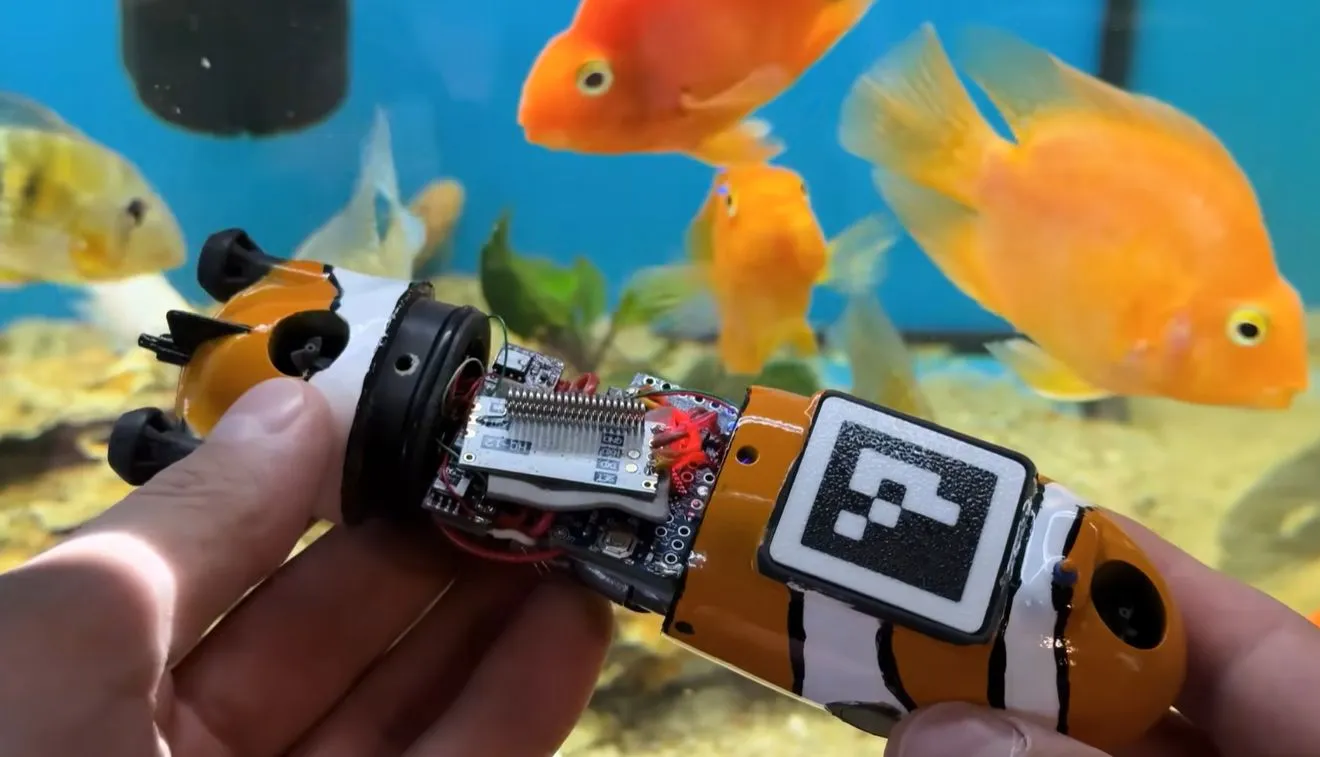
In a significant development, two engineers from CPSdrone have come up with an unusual alternative: robotic fish that look and move like real fish, swim around on their own, interact with each other and even return to a charging station automatically when their batteries run low. Yes, you read that right.The project offers a glimpse into a future where people can enjoy the calming experience of an aquarium without worrying about feeding schedules, water chemistry or tank maintenance.ALSO READ: Why did Cristiano Ronaldo wear Portugal’s No. 21 jersey and get emotional after the win over Croatia? Why build robotic fish instead of keeping real ones?The idea started with a simple question: Can people enjoy the beauty of an aquarium without all the work that comes with it? They wanted the benefits without the maintenance, so they replaced fish with microsubmarines that look like fish.ALSO READ: Explosive diarrhea illness spreads across USFrom regular cleaning, filtration systems, oxygen management and careful monitoring of water conditions, a lot of work is needed in maintaining traditional fish tanks. Even a small mistake can affect the health of the fish.The CPSdrone team wanted to recreate the visual appeal of an aquarium while removing these responsibilities. Their solution was a fleet of tiny robotic submarines designed to resemble fish and move naturally underwater.Because they are machines rather than living creatures, they do not need food, oxygen or special water conditions, as per a TOI report.Tiny submarines packed with technologyBuilding a robotic fish small enough to fit inside an aquarium turned out to be a major engineering challenge. Every component had to fit inside a tiny waterproof hull while remaining light enough to float, yet heavy enough to stay stable underwater.Each fish contains an Arduino Pro Mini microcontroller that acts as its onboard brain. The system receives commands through a low-frequency wireless communication link capable of working through shallow water.Four miniature brushed motors control movement. Two motors handle forward motion and steering, while the other two allow the fish to move up and down in the water, creating more realistic swimming behaviour.3D-printed bodies designed to stay underwaterTo create a compact and waterproof shell, the engineers designed the fish using 3D modelling software and printed the bodies using SLA resin printing technology.Unlike many standard 3D printers that can leave tiny gaps between layers, resin printing helped produce smooth and highly detailed waterproof parts.Each fish is built from two sections joined together with an O-ring seal. The team also used UV-curable resin around cable openings to help prevent water from leaking inside.Even with these precautions, waterproofing remained one of the toughest parts of the project. During testing, some prototypes developed leaks, highlighting just how difficult it is to protect delicate electronics underwater.The fish know when it's time to rechargeOne of the most impressive features is the automated charging system. Instead of opening the waterproof shell whenever the battery runs low, the engineers created an underwater docking station that uses wireless inductive charging technology.The concept is similar to wireless phone chargers. When a fish needs power, it swims to the docking station. Electromagnets help guide it into the correct position, allowing charging coils to transfer energy without any exposed electrical contacts.Once fully charged, the fish automatically leave the dock and continue swimming around the tank and this feature allows the aquarium to operate with minimal human involvement.A camera above the tank acts as the fish's guideAlthough the robotic fish appear to move independently, much of the intelligence behind the system comes from outside the aquarium.An overhead camera constantly tracks special markers attached to each fish. A Raspberry Pi computer processes this information and determines the exact position and direction of every submarine in real time.Using this data, the system guides the fish through the tank, helping them move smoothly and naturally. The setup effectively turns the entire aquarium into a smart environment where the camera serves as the eyes and the Raspberry Pi acts as the control centre.Robotic fish can even play gamesThe project is still evolving, but the robotic fish are already capable of more than simply swimming around.According to the developers, the fish can interact with one another and even participate in simple autonomous games such as tag.The team is continuing to improve coordination between multiple fish, with the goal of creating more realistic group behaviour in the future.FAQsWho created the robotic fish aquarium project?The project was developed by engineers Filip and Peter from CPSdrone.Do the robotic fish require feeding?No. Since they are robotic submarines, they do not need food, oxygen or water treatment.How do the robotic fish charge their batteries?They automatically return to an underwater docking station that uses wireless inductive charging.What controls the fish inside the aquarium?A Raspberry Pi and an overhead camera track and guide the fish in real time.Can the robotic fish interact with each other?Yes. The fish can already perform basic interactions and autonomous games, while more advanced swarm behaviour is still being developed.
Engineers create 3D-printed robotic fish that swim, play and recharge themselves through automated charging systems. Here's all you need to know
Engineers have developed robotic fish that mimic real aquatic life, offering an aquarium experience without the upkeep. These miniature submarines, powered by Arduino and guided by an overhead camera and Raspberry Pi, autonomously navigate, interact, and even return to a wireless charging station. This innovation promises a maintenance-free aquatic display, blending technology with the tranquility of nature for a futuristic aquarium.
821 words~4 min read