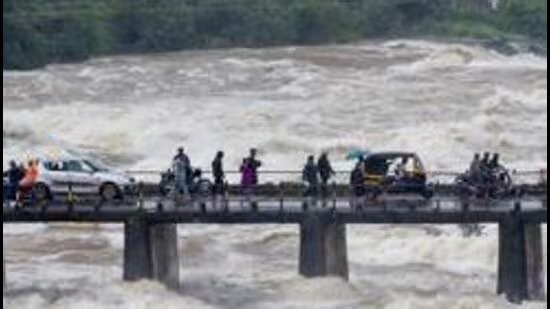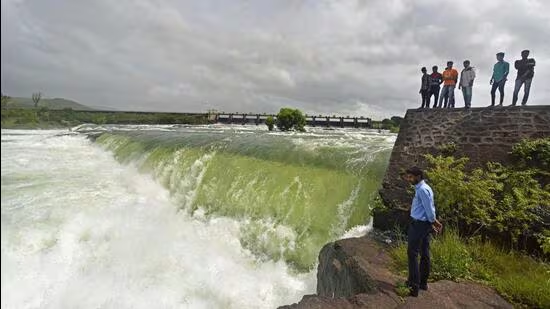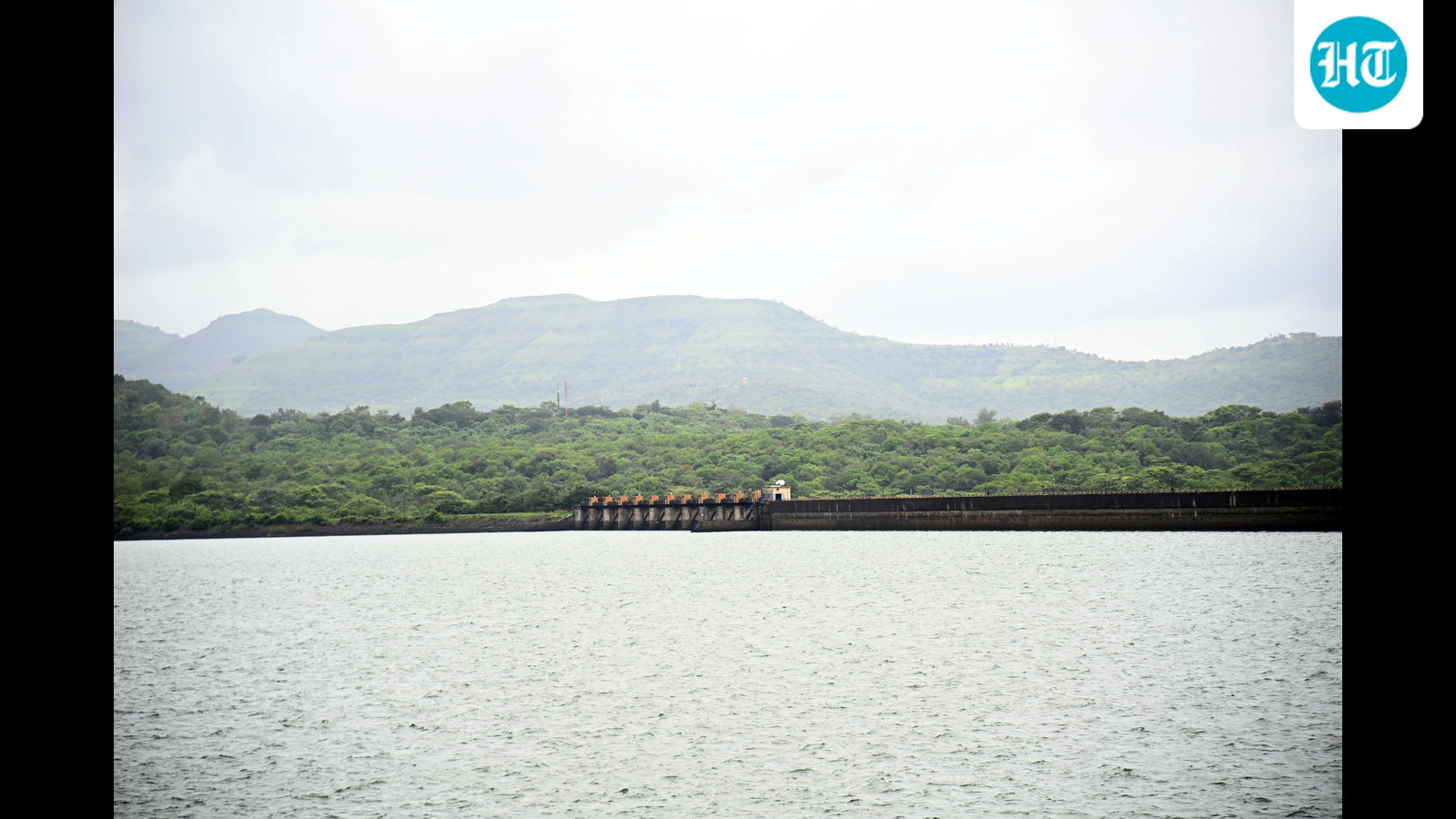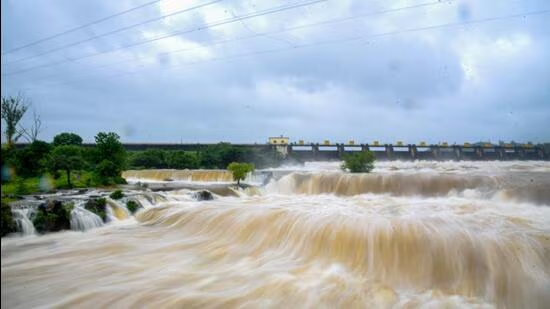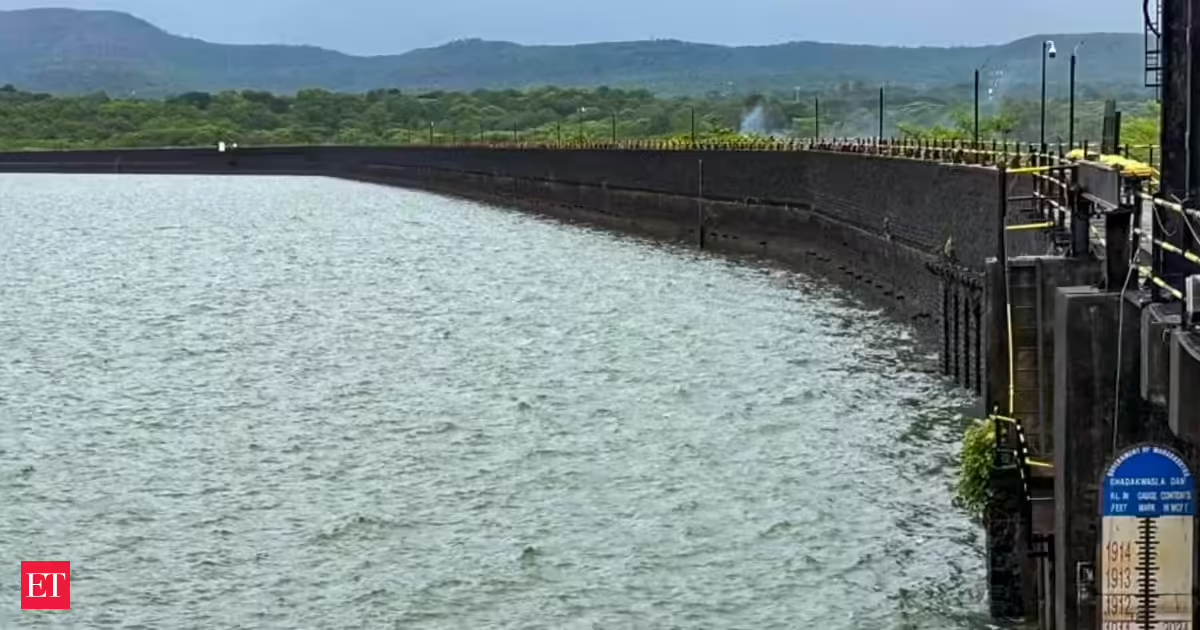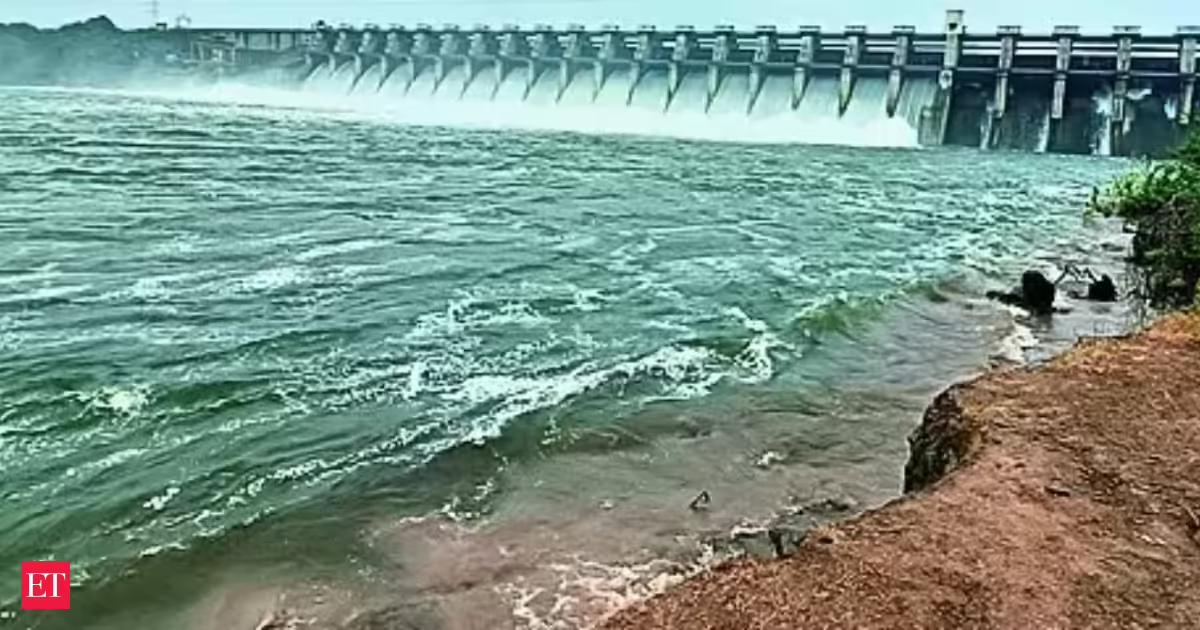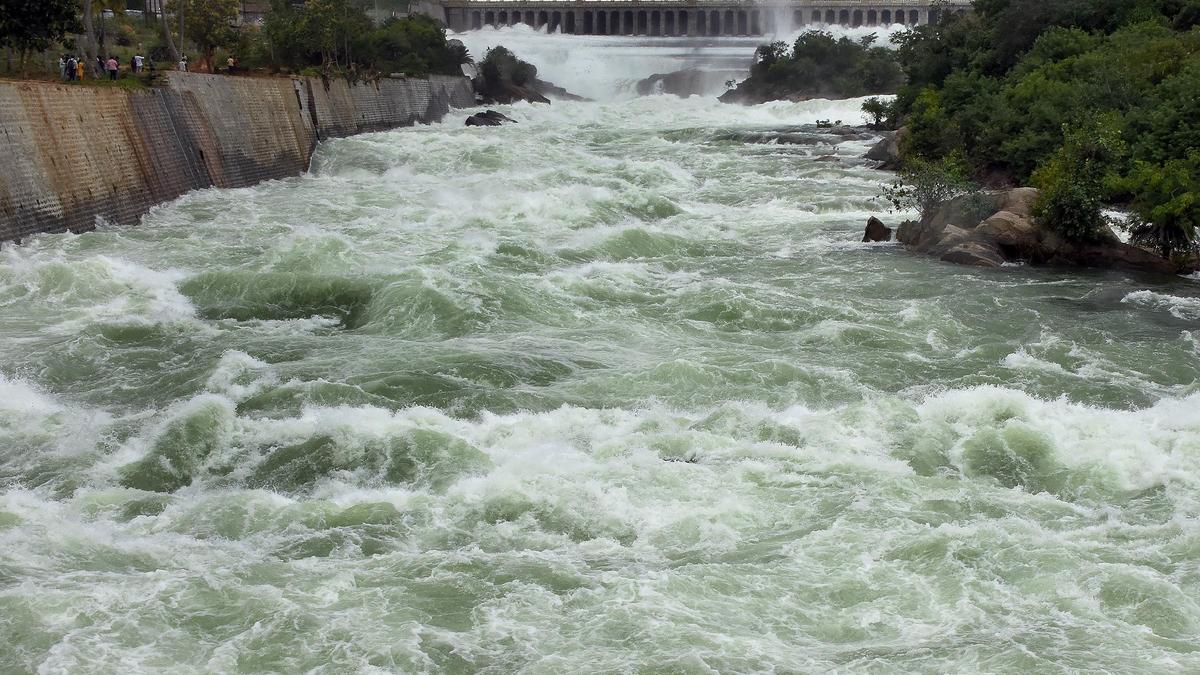
Pune: The Khadakwasla dam complex registered a rise in cumulative live storage from 3.77 TMC to 3.81 TMC (13.08%) following 24 hours of rainfall in its catchment areas. However, it remains significantly lower than the 14.90 TMC (51.12%) recorded during the corresponding period last year.Pune, India - Aug. 4, 2019: Khadakwasla dam after releasing around 30000 quesecs of water in Pune, India, on Sunday, August 4, 2019. (Photo by Sanket Wankhade/HT PHOTO)Though the increase is marginal, it offers some relief at a time when the city has already begun facing water cuts and concerns as drinking water security continues to grow.According to the irrigation department, the four reservoirs supplying water to Pune—Khadakwasla, Panshet, Varasgaon and Temghar—received a combined inflow of 40 mcft during the past 24 hours. Temghar recorded the highest rainfall at 35 mm, followed by Panshet (9 mm), Varasgaon (8 mm) and Khadakwasla (2 mm).Kiran Deshmukh, executive engineer, Khadakwasla dam cluster, said, “The current increase in storage is encouraging but insufficient to ease concerns. Sustained and widespread rainfall over the Western Ghats catchments during July will be crucial for replenishing the reservoirs and ensuring adequate drinking water availability for Pune through the remainder of the year. Until then, authorities are expected to continue closely monitoring reservoir inflows and maintain water conservation measures.”The India Meteorological Department (IMD) has forecast an active spell of rainfall over the region in the coming days after a subdued start to the monsoon over the dam catchments.Meanwhile, a comparison with previous years highlights the scale of the deficit. The current storage is far below the 14.90 TMC (51.12%) available at the same time last year. In 2024, the stock was 4.15 TMC (14.24%). In contrast, the reservoirs held 5.10 TMC (17.50%) in early July 2023 after a delayed monsoon influenced by El Niño conditions. Weather experts say the present monsoon, too, is being influenced by emerging El Niño-like conditions globally, though rainfall over Maharashtra will depend on regional atmospheric systems.
Khadakwasla storage rises slightly to 3.81 TMC
However, it remains significantly lower than the 14.90 TMC (51.12%) recorded during the corresponding period last year.
326 words~1 min read