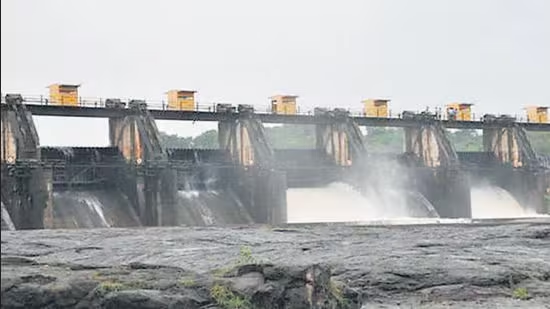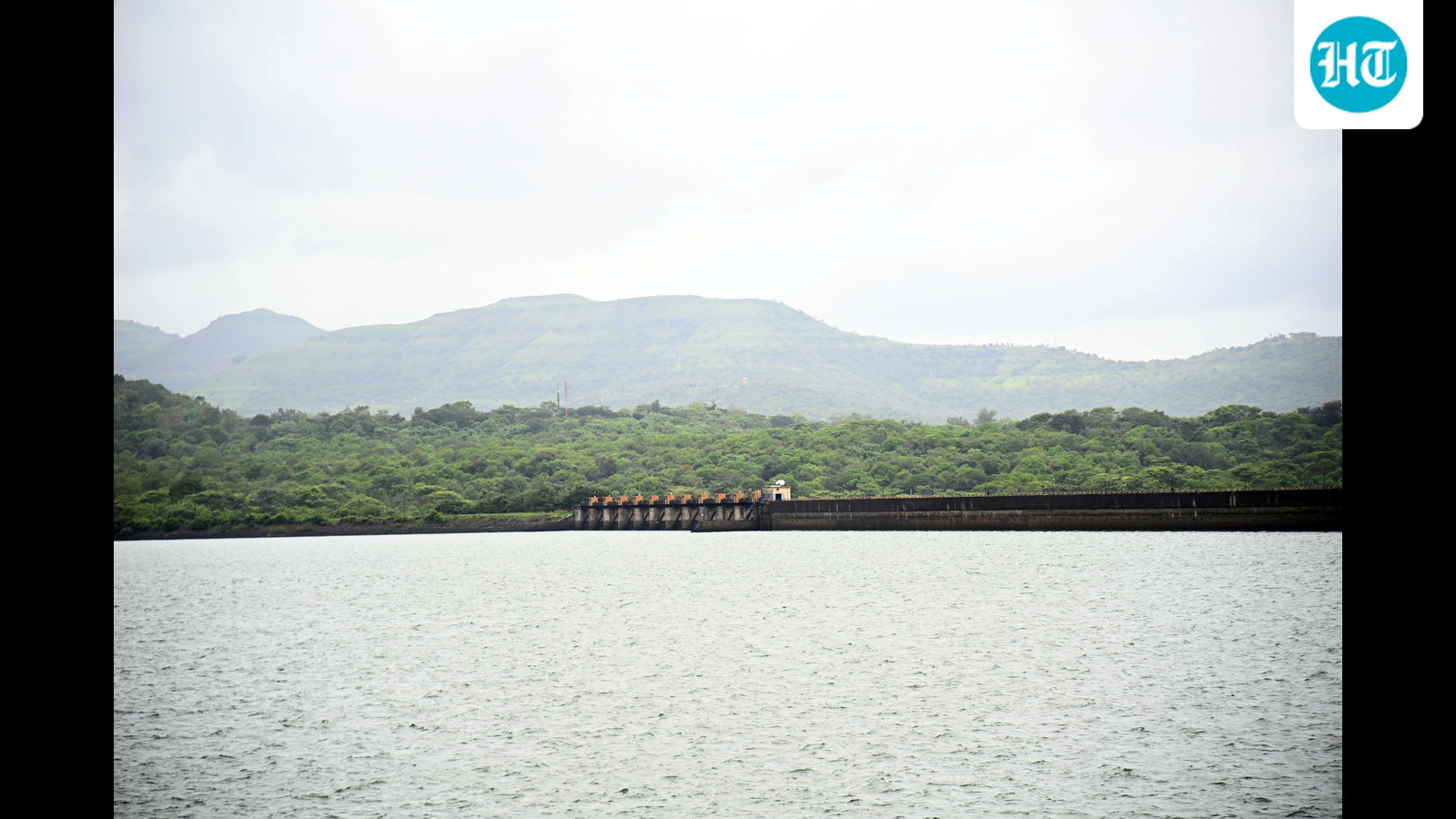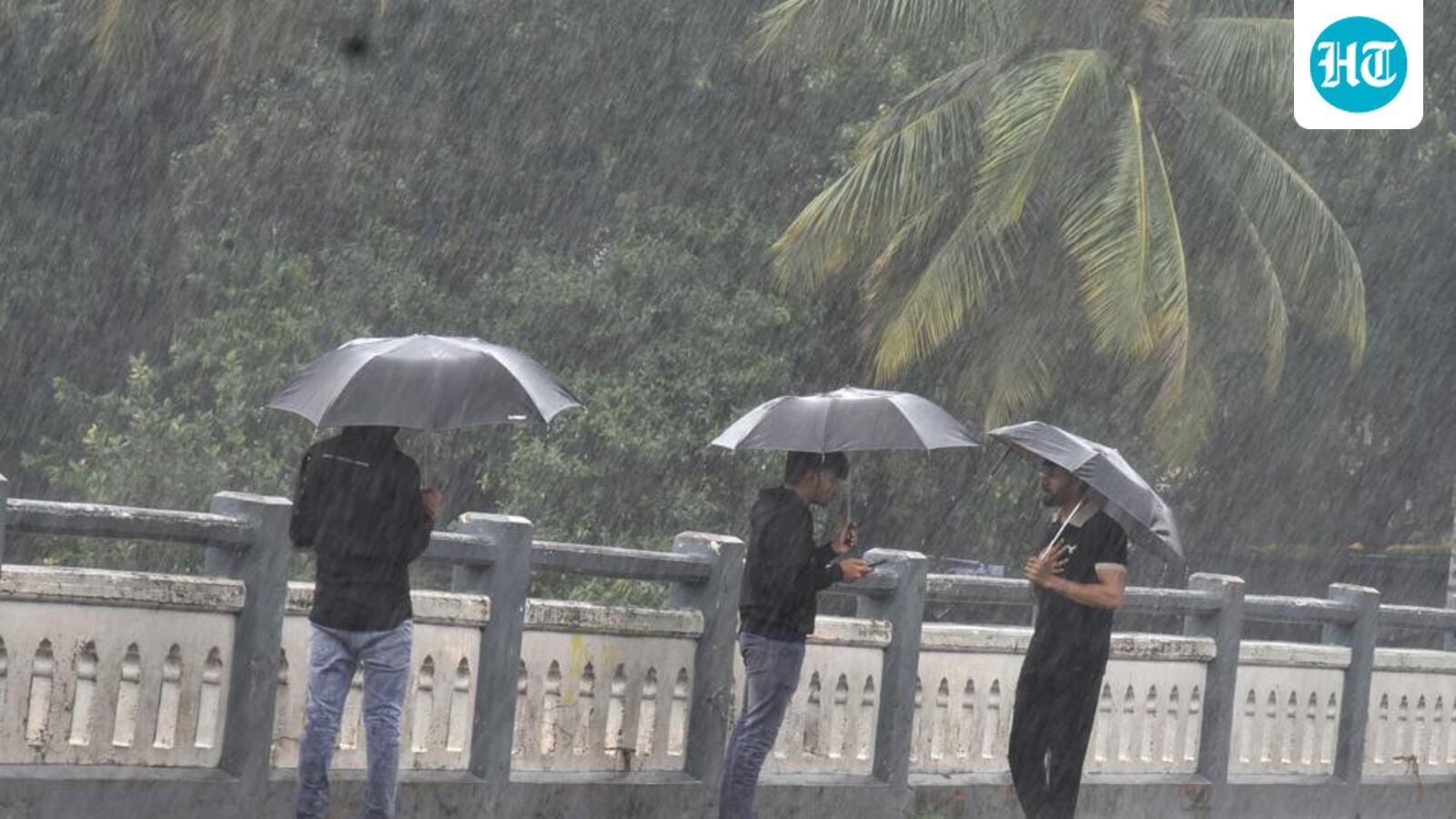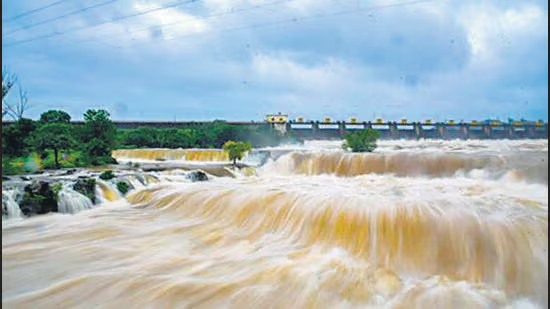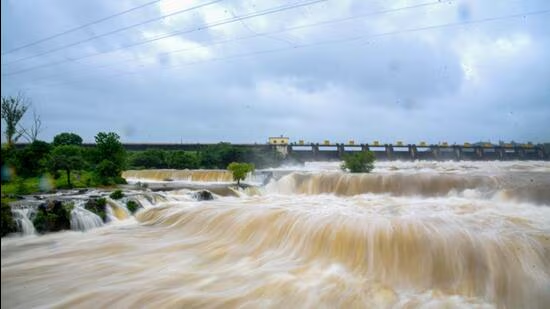
PUNE: Months after the India Meteorological Department (IMD) had cautioned that El Niño conditions could weaken the monsoon and lead to below-normal rainfall over parts of Maharashtra, Pune’s reservoirs have staged a strong recovery. With nearly a week still left for July to end, the city’s five major dams together held 74.44% of their live storage as of Thursday evening, which almost matches last year’s level of 79.94% on the corresponding date and significantly exceeds storage recorded in 2024 (49.72%), 2023 (51.67%), and even 2022 (73.37%).Pune’s five major dams together held 74.44% of their live storage as of Thursday evening, which almost matches last year’s level of 79.94% on the corresponding date. ((PIC FOR REPRESENTATION))With the steady rise in reservoir levels, driven by intense rainfall across the western ghats over the past several days, the irrigation department has increased discharge from the Khadakwasla dam into the Mutha river to 9,405 cusecs by 9.30 pm on Thursday. The release, which began earlier in the evening, marks the second release from the reservoir this monsoon. The first, on July 8, had peaked at 27,203 cusecs; the highest discharge of the season so far.The four reservoirs in the Khadakwasla project—Khadakwasla, Panshet, Varasgaon and Temghar—collectively held 21.70 TMC water (74.44%) as of Thursday evening. Whereas the Pimpri-Chinchwad water supply reservoirs were in an even stronger position, collectively holding 88.50% as of Thursday evening.The latest spell of rain has been fuelled by exceptionally heavy precipitation over the Sahyadri range, with Bhira and Tamhini continuing to outperform Mahabaleshwar, traditionally regarded as Maharashtra’s rain capital.Rainfall data recorded till 8.30 am on Thursday showed Bhira topping the state with 5,634 mm of seasonal rainfall since June 1; followed by Tamhini with 4,519 mm – both comfortably ahead of Mahabaleshwar’s 3,175 mm. Other high-rainfall stations included Davdi (3,910 mm), Shirgaon (3,818 mm), Dongerwadi (3,695 mm), Lonavala office (3,311 mm) and Ambona (3,055 mm); highlighting the intensity of monsoon activity along the windward slopes of the western ghats.The ghats continued to receive torrential rainfall over the past 24 hours. Tamhini recorded 280 mm, followed by Shirgaon (250 mm), Bhira (248 mm), Davdi (196 mm) and Dongerwadi (170 mm).Heavy rain and gusty winds affected Pune city too on Thursday. A large banyan tree was uprooted at the Swargate police lines and crashed onto a residential building opposite the premises, trapping 10 to 15 motorcycles underneath. Personnel from the Pune fire brigade’s central fire station and the tree department cleared the tree and removed the vehicles. No injuries were reported.S D Sanap, scientist, IMD Pune, said that the ghat sections of Pune district will remain under red alert on Friday – the third consecutive day of the highest weather warning – with heavy to very heavy rainfall expected at isolated places, and extremely heavy rainfall likely at a few locations along the western ghats.“Pune city and the adjoining plains are likely to receive light to moderate rainfall at many places, with isolated heavy spells,” he said.Saturday onwards, rainfall activity is expected to gradually weaken. While the ghat areas may continue to receive moderate rain with isolated heavy showers on July 25, no weather warning has been issued for July 26 and 27. Pune city is expected to witness generally cloudy skies with light to moderate rainfall during this period.Kiran Deshmukh, executive engineer, Khadakwasla dam cluster, appealed to citizens to stay away from the Mutha riverbed, cautioning that the dam discharge could be increased or reduced depending on rainfall and inflows into the reservoirs. “We have urged residents in low-lying areas along the river to shift livestock and other belongings to safer locations and directed local authorities to alert riverbank settlements and ensure all necessary precautions,” said Deshmukh.
Water storage in Pune dams nears last year’s level
Pune’s five major dams together held 74.44% of their live storage as of Thursday evening, which almost matches last year’s level of 79.94% on the corresponding date
615 words~3 min read