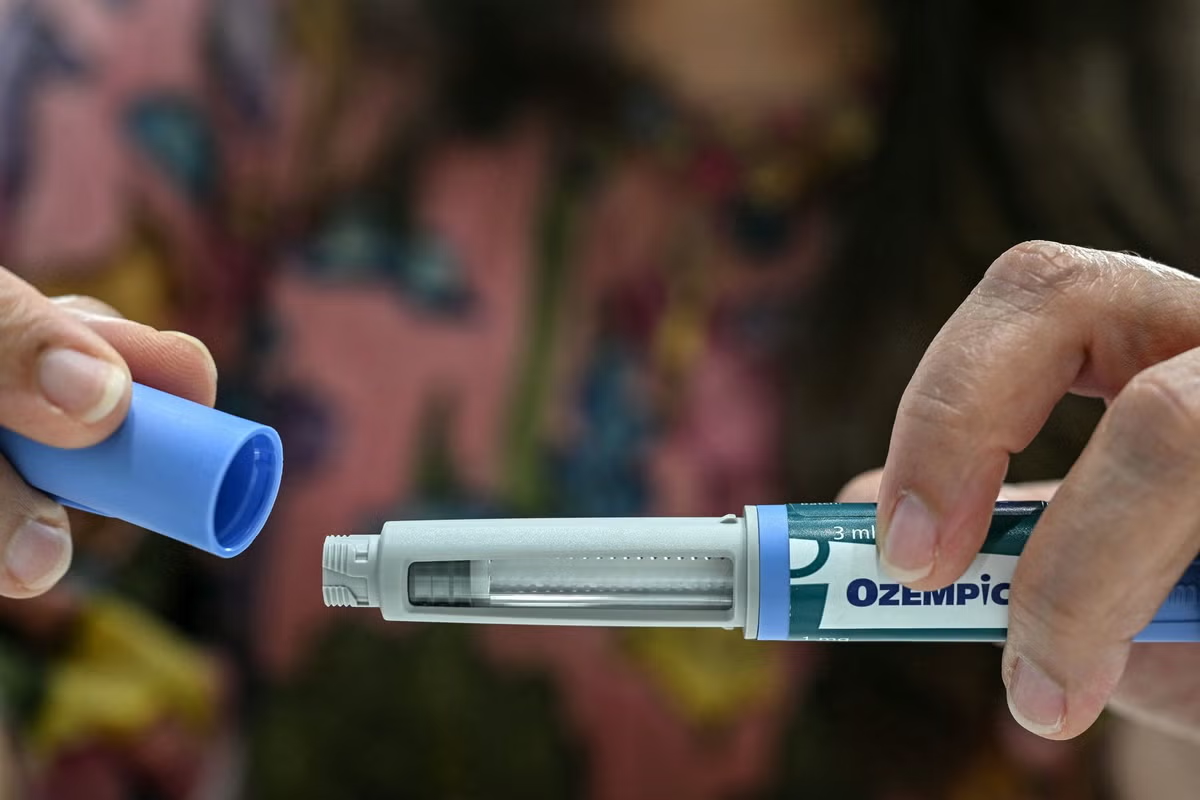
Modern weight loss medications have transformed obesity treatment, helping many people lose significant amounts of weight. But these drugs often come with an important drawback: They can also reduce muscle mass. Now, researchers have uncovered a biological mechanism that may one day help address that challenge while also boosting the body's ability to burn fat.
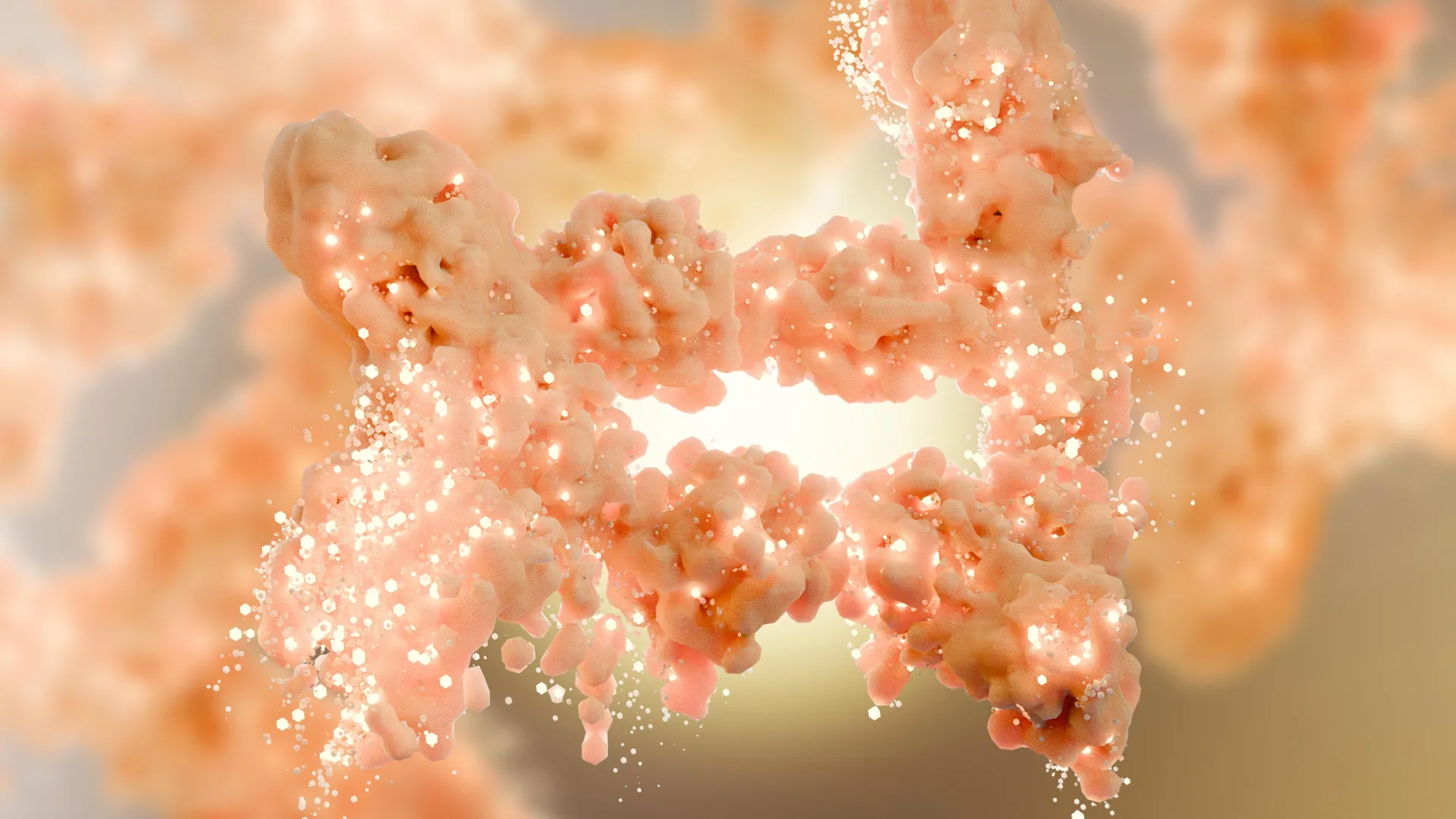
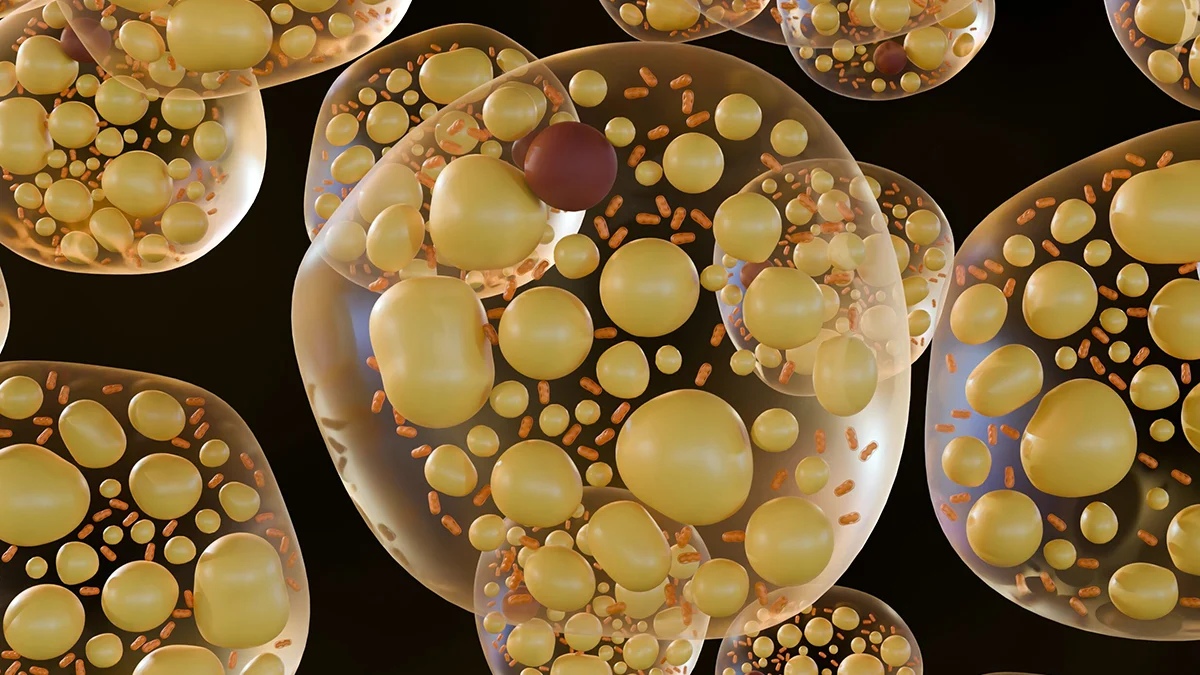
Scientists at the Weizmann Institute of Science have identified a protein called MTCH2, nicknamed "Mitch," that appears to play a major role in how cells manage energy and store fat. In a recent study published in the EMBO Journal, the team found that disabling this protein in human cells increases the rate at which fats and carbohydrates are burned while also reducing the formation of new fat cells.
The findings build on earlier research in mice that produced a surprising result. Animals lacking Mitch in their muscles became more physically fit, developed greater endurance, and were remarkably resistant to obesity.
A Surprising Discovery in Mice
Several years ago, Prof. Atan Gross and his colleagues made an unexpected observation while studying Mitch. When the researchers suppressed production of the protein in mouse muscle tissue, the animals showed major improvements in body composition.