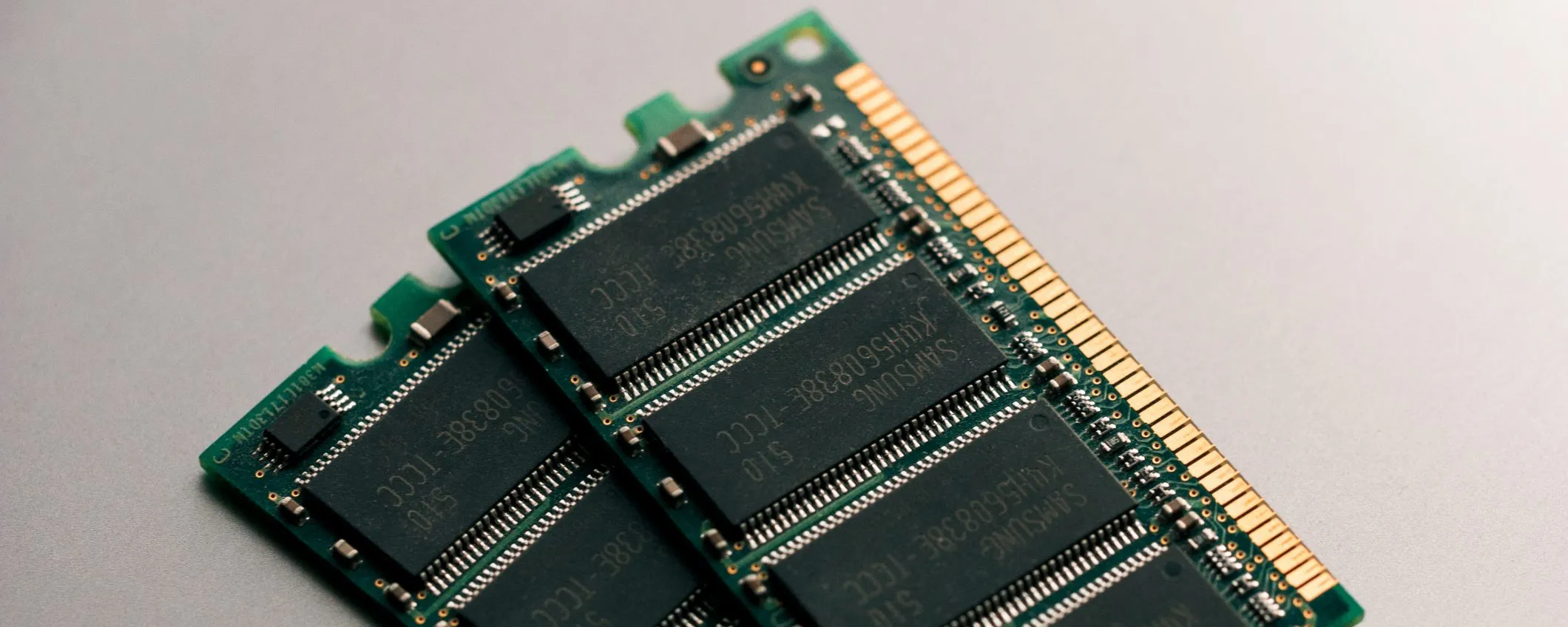
A coalition of nine US trade associations sent a pointed letter to Treasury Secretary Scott Bessent and Commerce Secretary Howard Lutnick on June 3, warning that government efforts to influence memory chip prices or production could deepen an already severe global shortage. The letter, signed by groups representing broadband, telecom, automotive, medical device, and retail industries, essentially told the administration: tread carefully, or you’ll make a bad situation catastrophic.
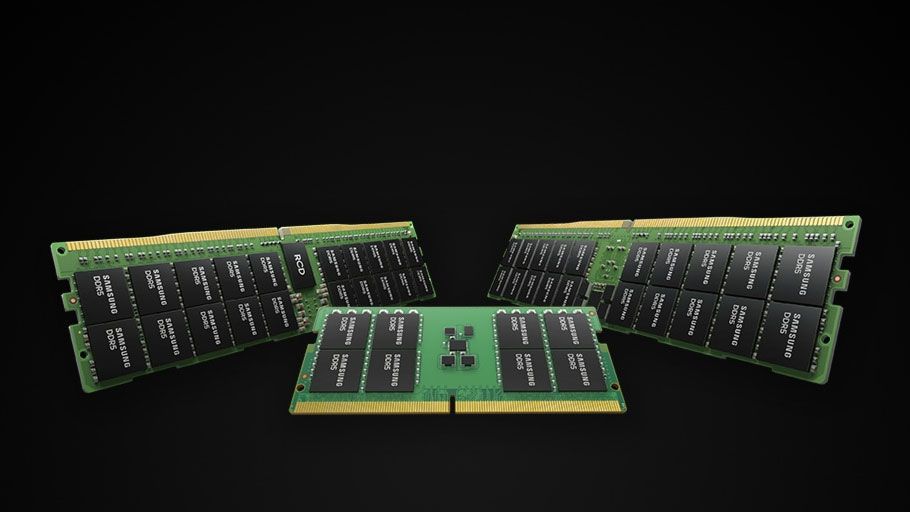
The core problem is straightforward. AI data centers are reportedly consuming nearly 70% of global memory chip production, leaving scraps for everyone else. And “everyone else” includes the industries that keep cars rolling off assembly lines, medical devices in hospitals, and broadband networks expanding into underserved communities.
The AI hunger games
Micron Technology CEO Sanjay Mehrotra said in May 2026 that the ongoing supply shortage will extend “well beyond 2026.” He attributed the squeeze to a combination of immense AI demand and policy shifts aimed at reshaping where semiconductors get manufactured. Micron itself has roughly $200B in investment planned, but new fabrication capacity doesn’t materialize overnight.