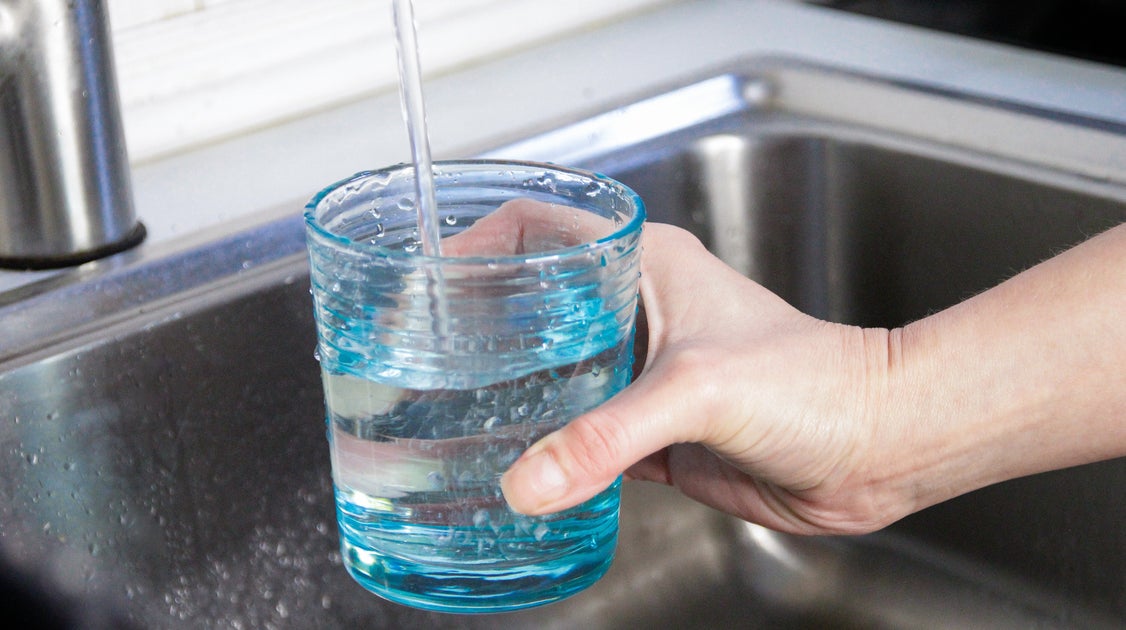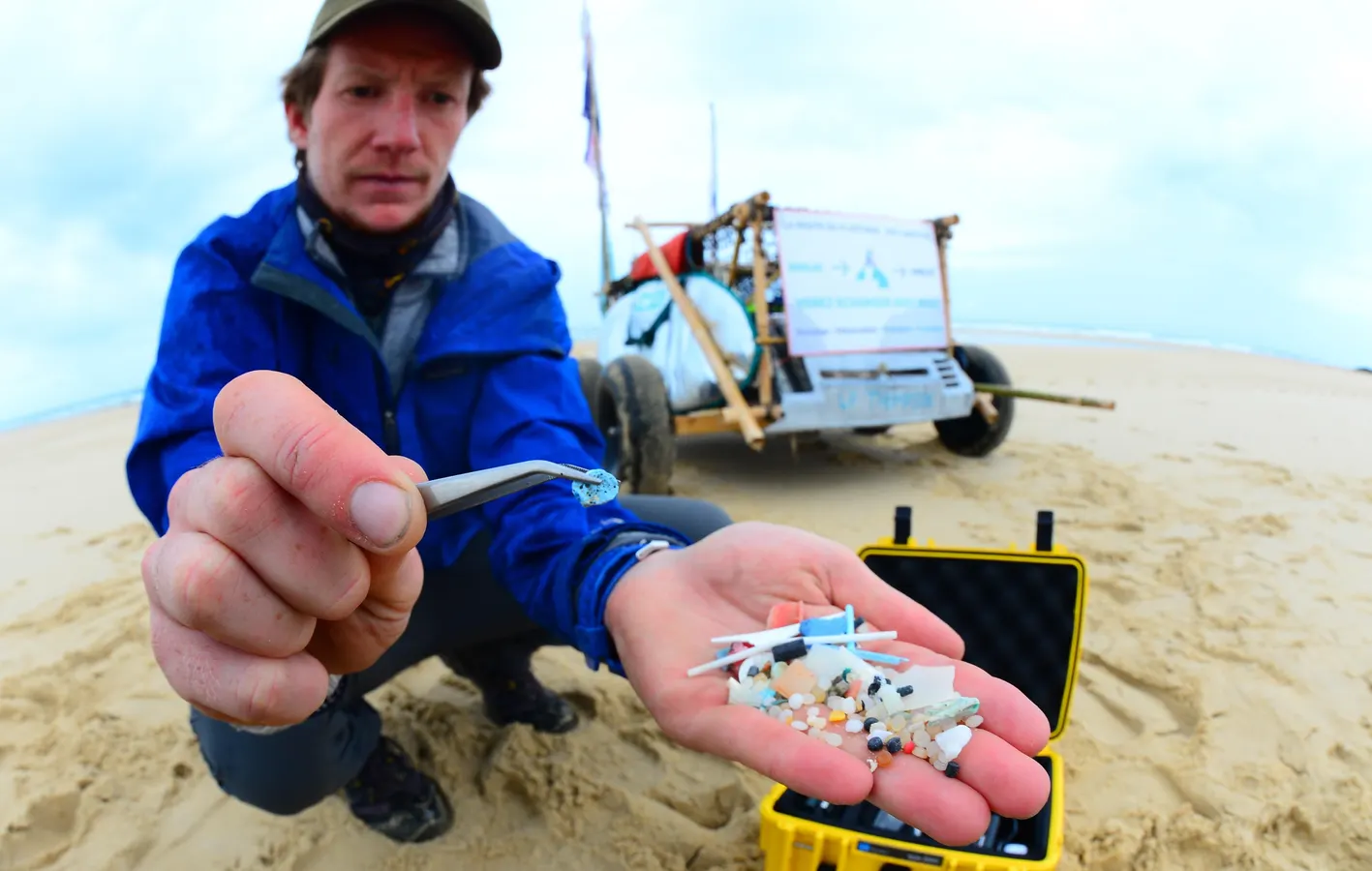
The Environmental Protection Agency’s decision not to include microplastics in its list of regulated chemicals has caused a stir among Democrats and environmental health advocates. Several members of Congress demanded earlier this week that the EPA Administrator Lee Zeldin include microplastics on the agency’s Unregulated Contaminant Monitoring Rule 6, or UCMR, which is updated every five years to direct public water systems to monitor contaminants in the water supply. Microplastics, or nanoparticles of plastic that result from the breakdown of larger products, have been the target of health advocates for several years following recent studies that suggest they contribute to a host of chronic health conditions, including Alzheimer’s disease and male and female infertility.
Rep. Raja Krishnamoorthi (D-IL), Rep. Janelle Bynum (D-OR), Sen. Jeff Merkley (D-OR), and Sen. Cory Booker (D-NJ) sent a letter to Zeldin demanding that the EPA take stricter action on microplastics in the water supply.“As plastic production continues to expand rapidly, microplastics pose a potential threat to public health in the United States,” wrote the congressional delegation. “Emerging research demonstrates that microplastics are now pervasive in the human body and are associated with serious adverse health effects.”Zeldin and Health and Human Services Secretary Robert F. Kennedy Jr. announced in April a series of actions to improve the understanding of how microplastics harm human health and to begin development of environmental regulations to curb the proliferation of these nanochemicals.At that time, the EPA included microplastics as part of its Contaminant Candidate List, or CCL, which establishes guidelines for monitoring chemicals that could pose a danger to human health. EPA spokeswoman Brigit Hirsch told the Washington Examiner, following the congressional letter, that microplastics were listed in the CCL “as the first step towards defining and better understanding potential public health risk from exposure via drinking water.”But as of now, the EPA maintains that there is not a sufficient method or means by which to study microplastic levels in water to put them on the UCMR.“There is no validated EPA or consensus drinking water analytical method with the proper quality control data, accuracy, and precision that could be used for UCMR 6, and it is not feasible to develop a drinking water analytical method within the statutory timeframe,” Hirsch said. She also said the agency is continuing to evaluate and develop methods and laboratory capacity “that would support national monitoring for microplastics in a future UCMR.”