view more
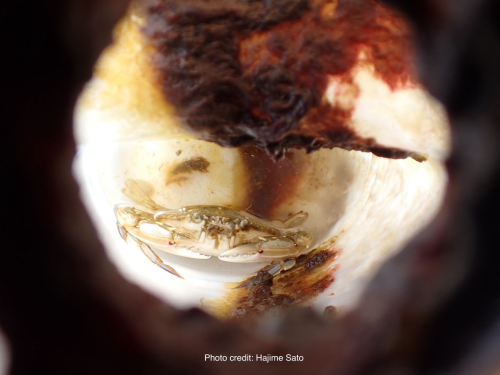
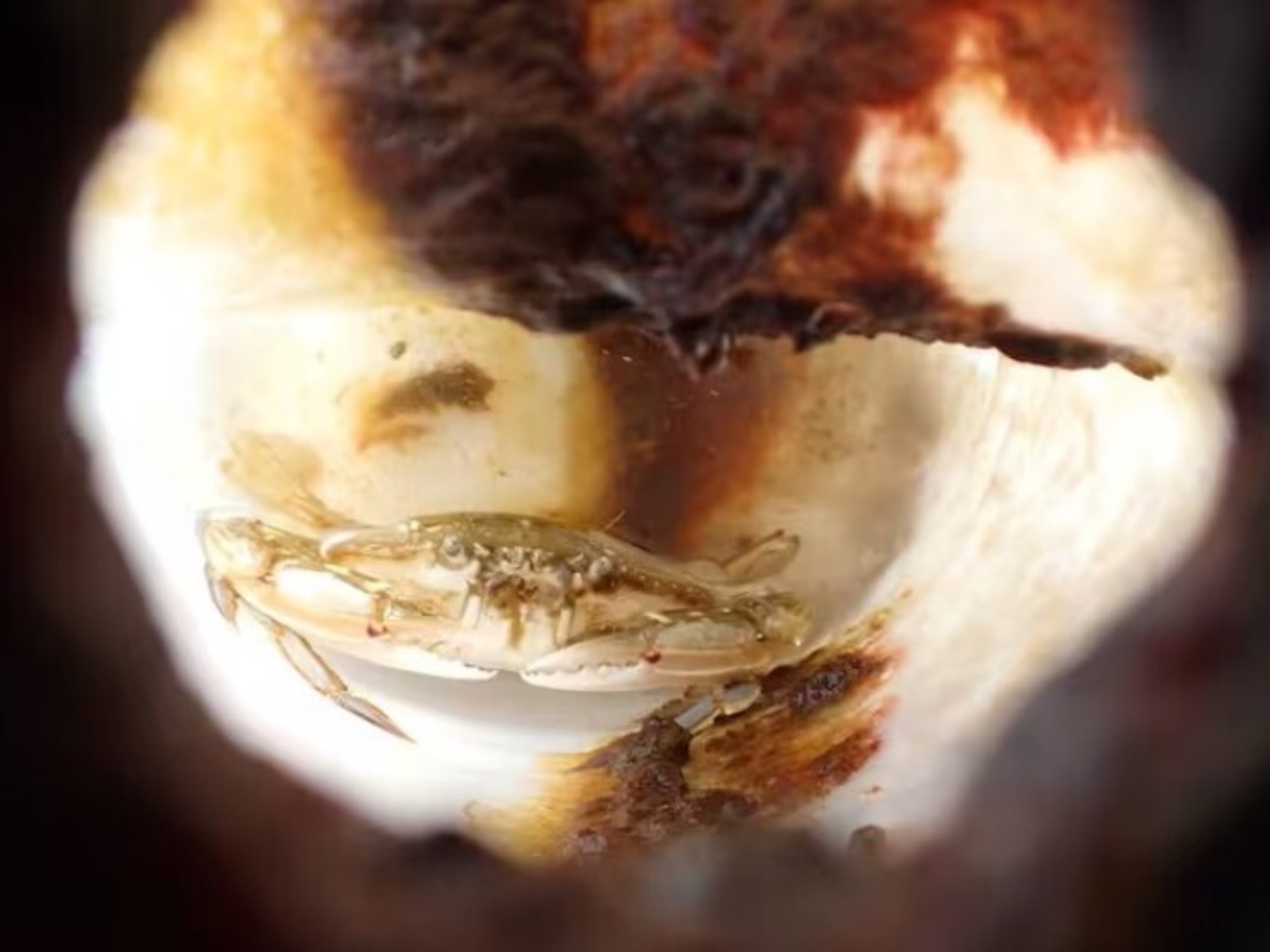
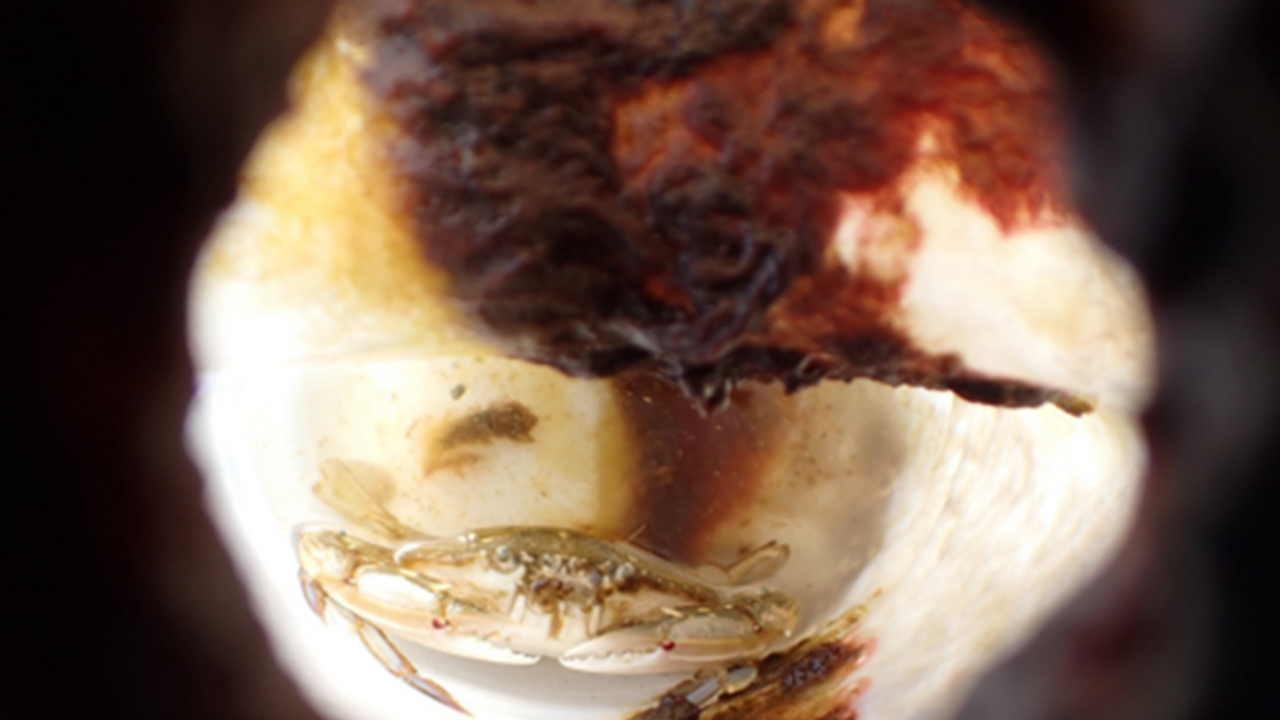
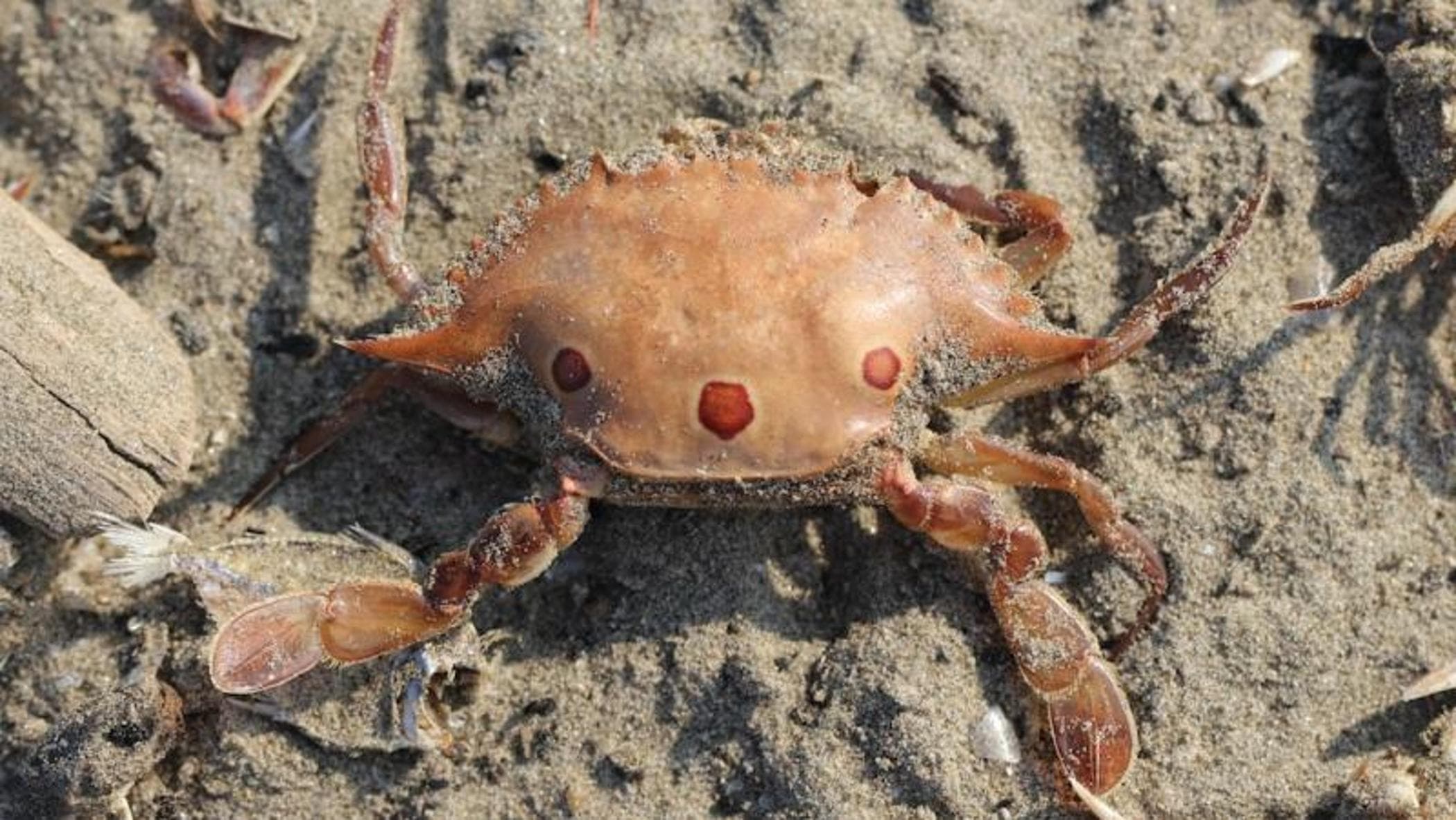
How did a large crab end up trapped inside a plastic bottle with an opening smaller than its body? Hiroshima University researchers investigated this unusual marine mystery, revealing a lesser-known impact of marine plastic pollution on crustaceans.
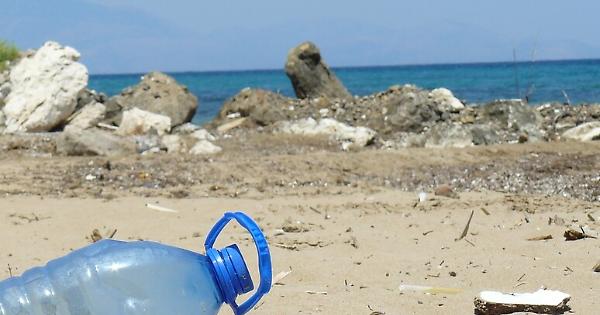
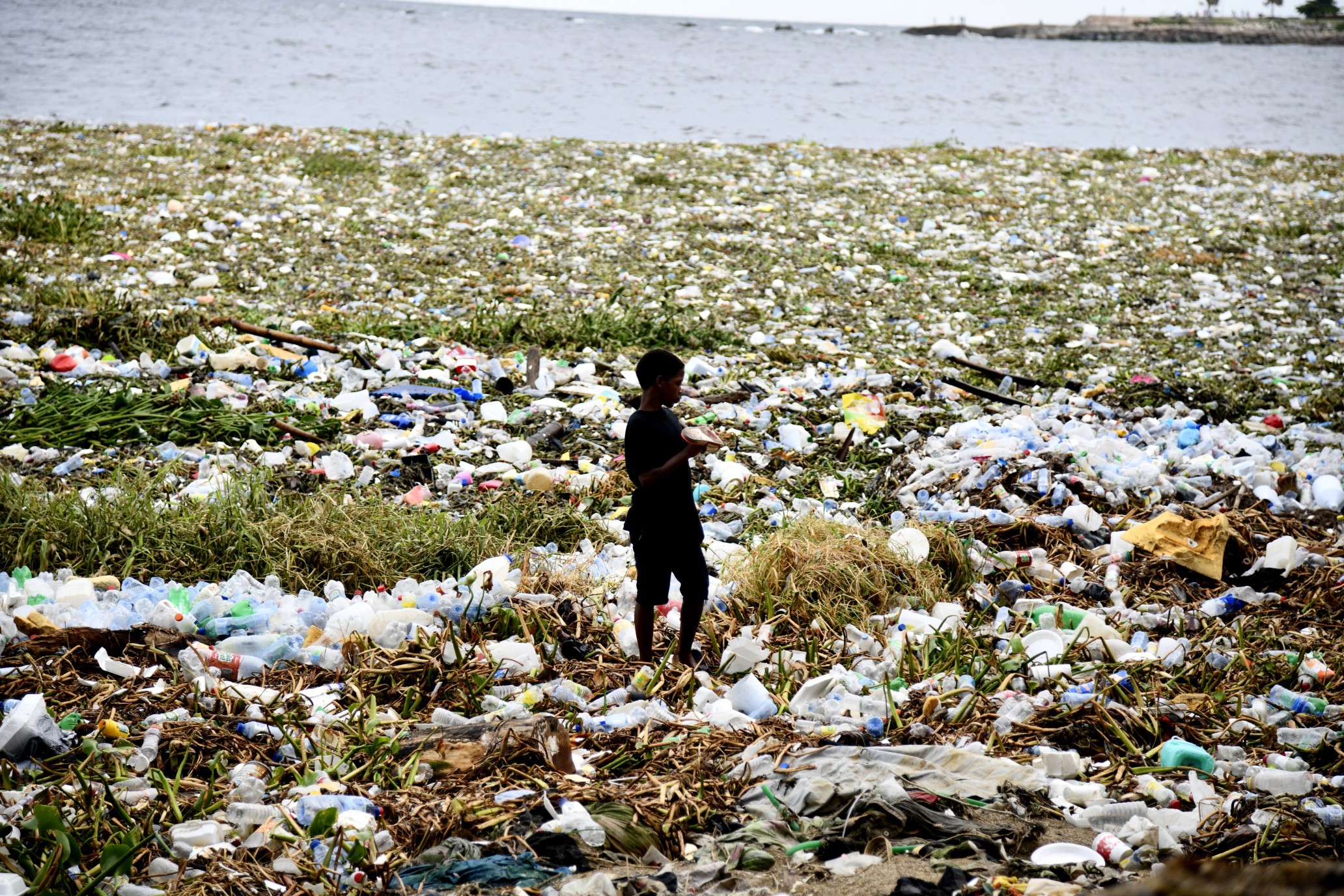
Marine plastic pollution is a major and well-known component of pollution in the oceans. Examples of the impacts of plastic pollution on ocean life serve as some of the most evocative demonstrations of the severe negative impacts of plastic pollution on marine animals. Images of seals and seabirds entangled in fishing nets, and sea turtles eating plastic bags are often used for this purpose.
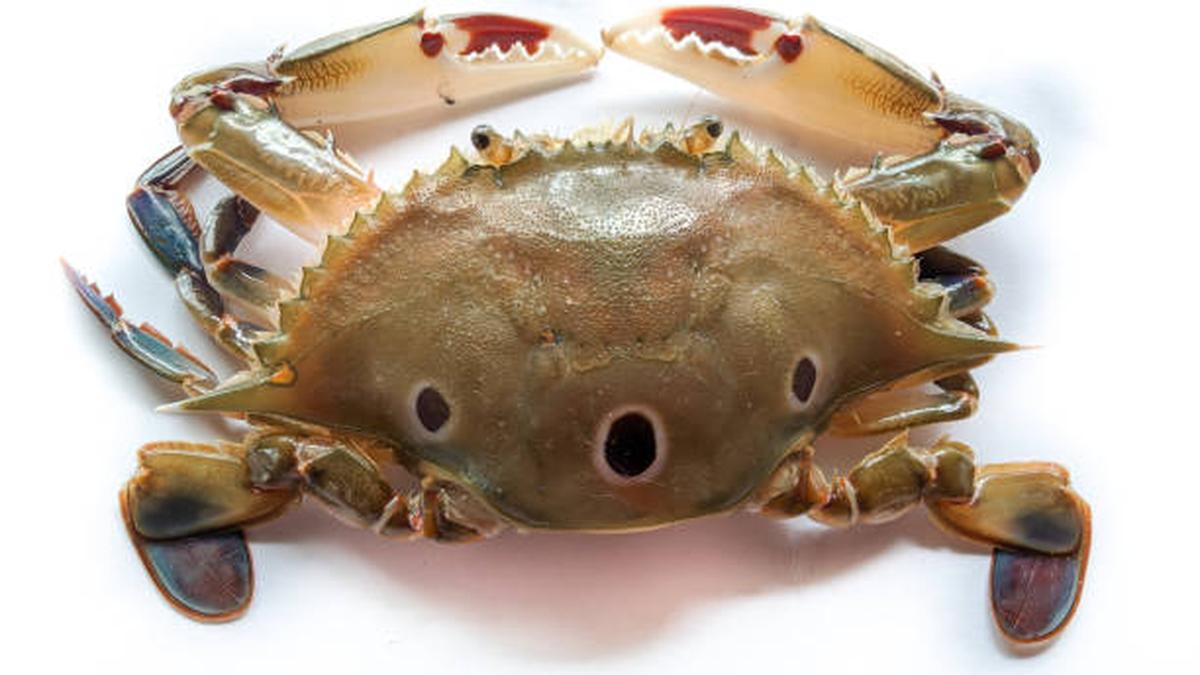
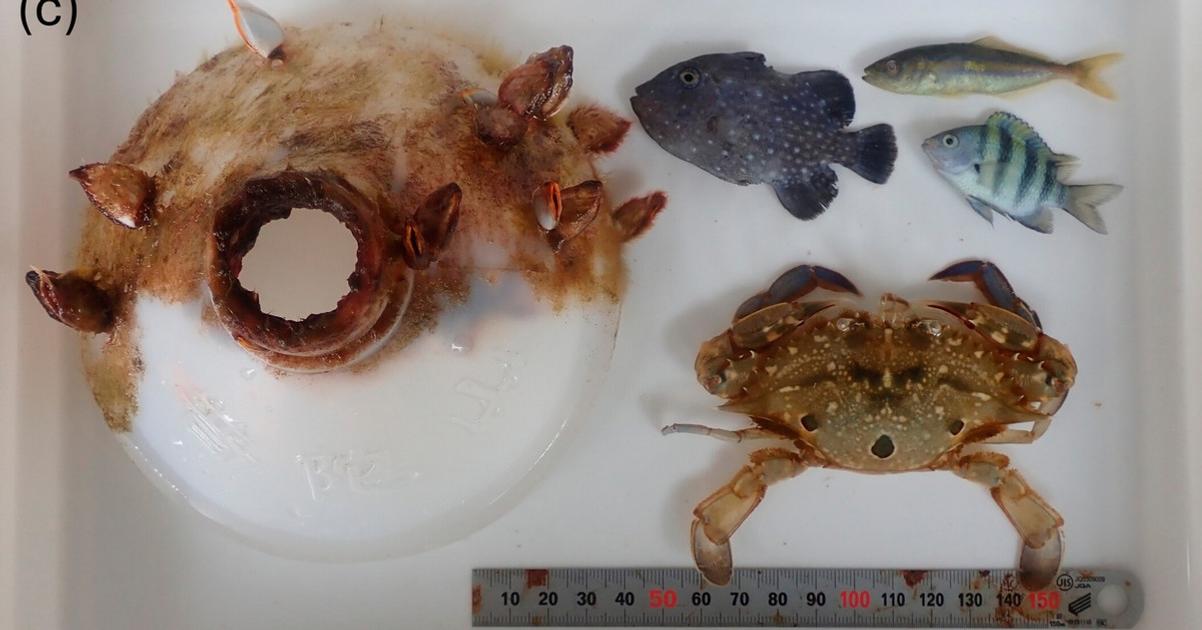
Researchers at Hiroshima University discovered a crab trapped in a high-density polyethylene (HDPE) Shaoxing wine bottle floating on the surface of sea off Okinawa, Japan. Investigations into how the crab came to be trapped and how it managed to survive highlight that the dangers of plastic pollution extend even to smaller marine animals.
Their findings were published in the journal Ecosphere on April 3, 2026.