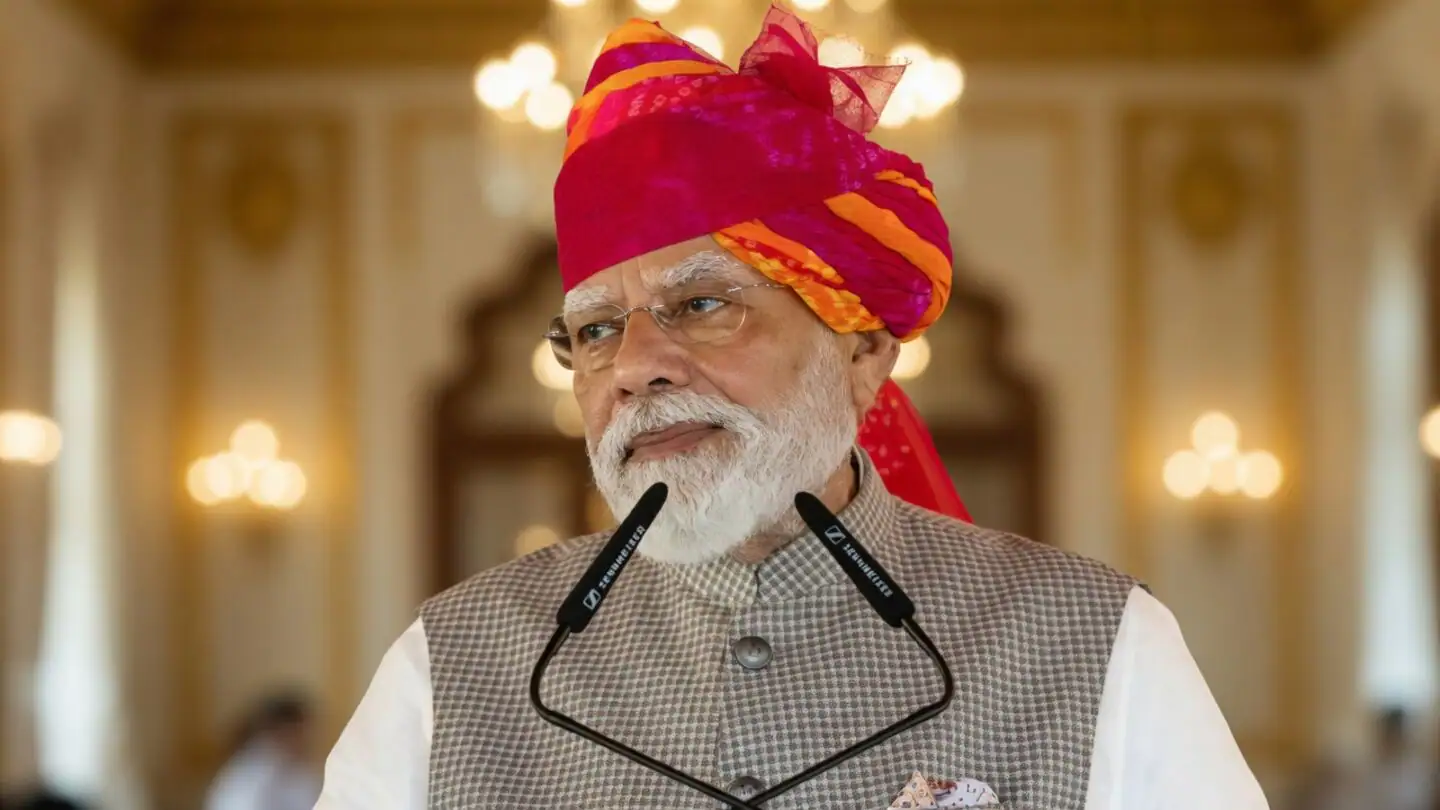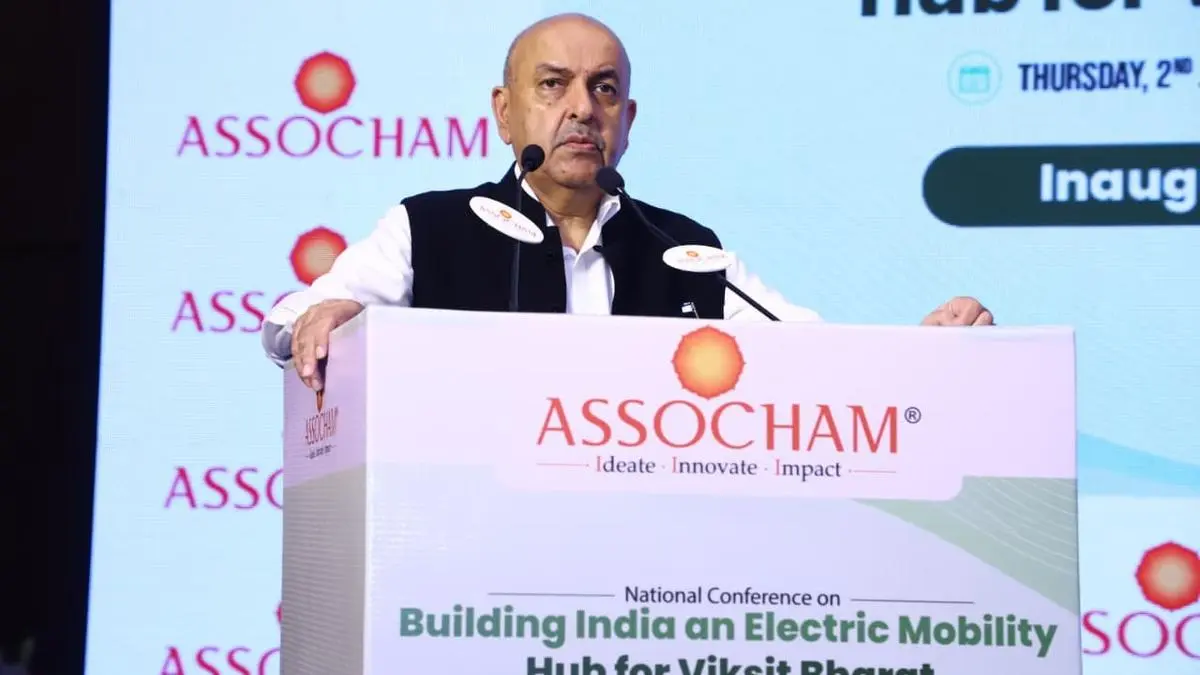
Tarun Kapoor, Advisor to the Prime Minister
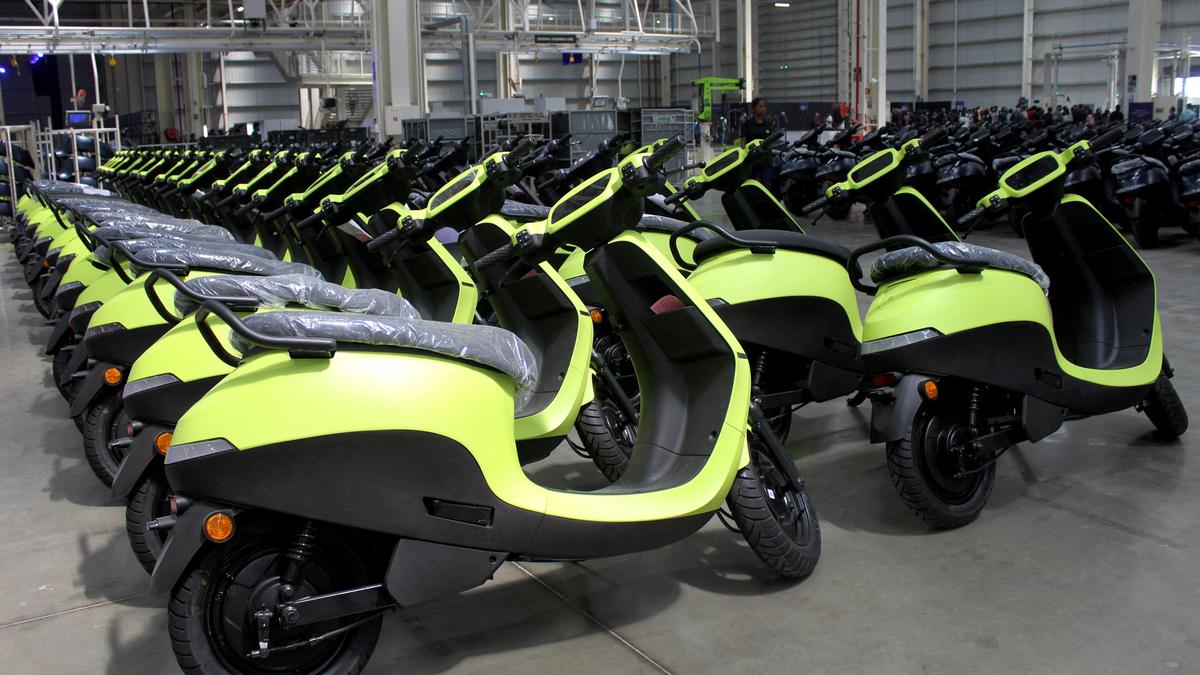
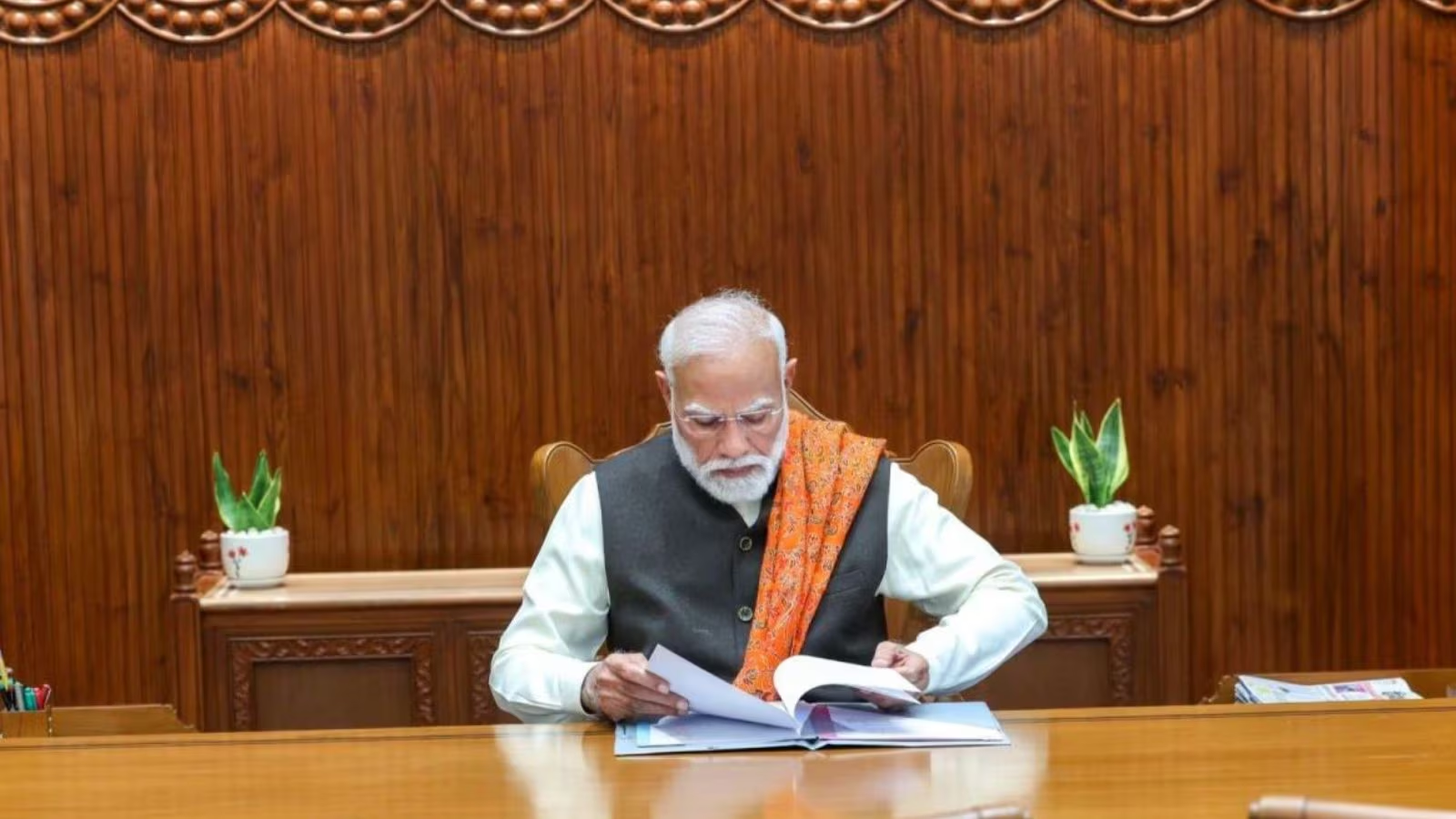
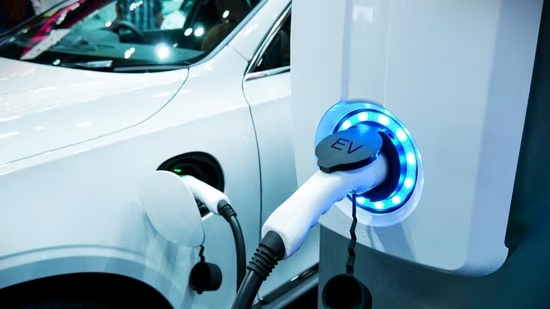
Adoption of electric mobility has become the most essential task for India as the West Asia crisis has shown how vulnerable the country is to external forces as far as energy is concerned, Tarun Kapoor, Advisor to the Prime Minister, said on Thursday.Speaking at an event organised by Assocham here, Kapoor also said that the country needs to focus on localisation and reduce imports from China for critical parts too, because if India’s crude oil imports are dropped, it would give a lot more strength to the economy and help the rupee to appreciate.The topic has “become even more relevant after the West Asia crisis. Probably, I would say that for our country now getting into electric mobility has become the most essential task, which we all collectively have to accomplish,” he said at the event titled — ‘Building India an electric mobility hub for Viksit Bharat’.External forcesHighlighting how the share markets behave during the crisis, Kapoor said, “We have become so vulnerable to the external forces as far as energy is concerned, which really is something we all have to think about. So now it has become like a mission for all of us.”Acknowledging that it’s not possible to reduce usage of petroleum to zero, he said that at least some control, some reduction would certainly help in the long run.“Even a 5 per cent reduction would make a huge difference, and this can happen only if you move towards electric mobility really fast,” he said adding that India has gradually adopted electric mobility, and two- and three-wheeler segments have seen a lot of traction, while in four-wheelers the country has a “long way to go”.Kapoor further said that with continued policy support and industry participation, India has the opportunity to emerge as a global manufacturing and technology hub for electric mobility. He also added that the recently announced Delhi EV policy is a step in the right direction.Defining roleSpeaking at the event, Nirmal K Minda, President, Assocham and Chairman, Uno Minda, said electric mobility represents one of India’s most significant industrial transformation opportunities and will play a defining role in achieving the vision of Viksit Bharat 2047.“Beyond vehicles, it encompasses advanced manufacturing, battery technologies, charging infrastructure, renewable energy integration, and digital innovation. Government initiatives such as PM E-DRIVE and the production linked incentive (PLI) schemes have created strong momentum,” he said.Going forward, deeper collaboration among government, industry, financial institutions, start-ups and academia will be critical to building globally-competitive supply chains and positioning India as a preferred destination for clean mobility manufacturing and innovation, Minda added.Published on July 2, 2026