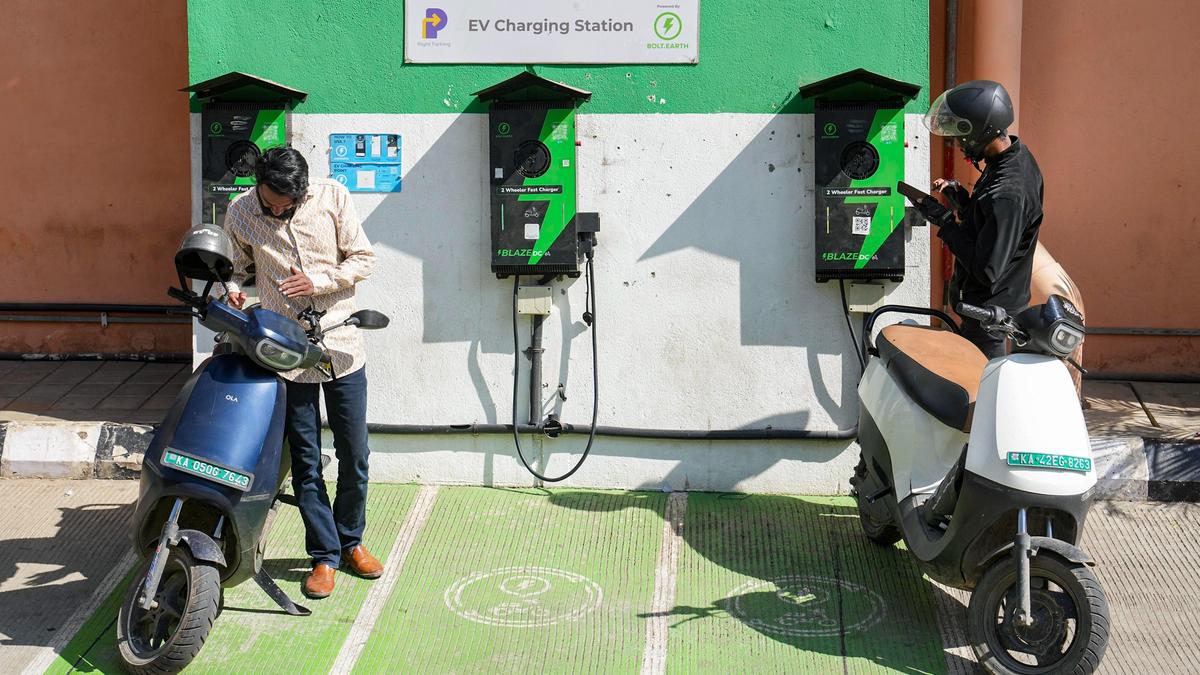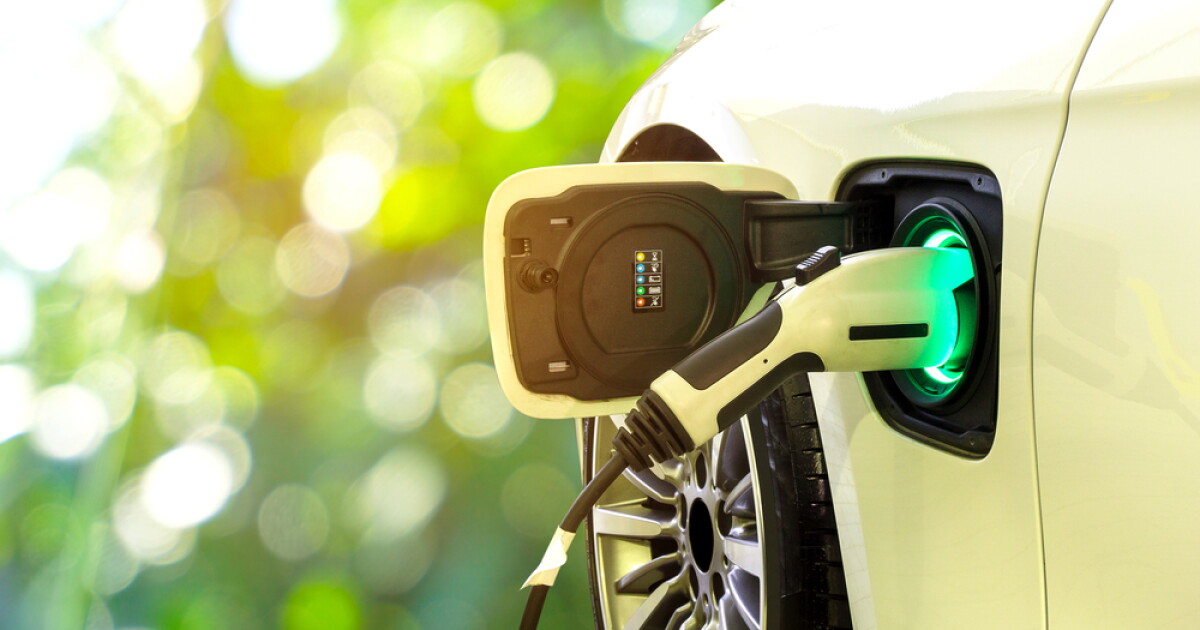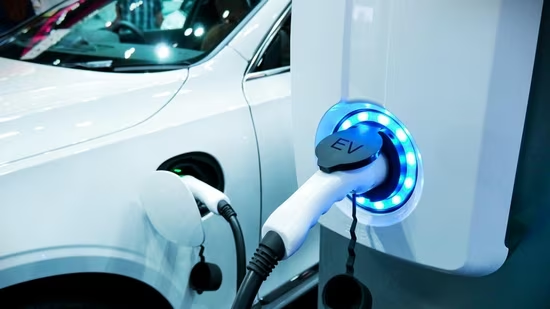
The current global fuel crisis and energy risk have yet again highlighted our energy dependency. Rising retail fuel prices, driven by the geopolitical conflict and under-recoveries, have made affordable transportation a major concern. As petrol and diesel turn dearer, the 80-lakh gig and platform workers covering last-mile delivery to quick commerce are battling shrinking incomes. The ongoing conflict in West Asia has disrupted and strained household budgets for officegoers, commuters, and students, prompting increased use of shared and public transport.EV (Shutterstock)This is transforming India’s mobility mix, which is heavily dependent on two-wheelers and three-wheelers for everyday travel and income generation. This has led to a tectonic shift towards electric mobility. Electric Vehicles (EVs) offer significantly lower running costs compared to conventional petrol-powered vehicles. The total cost of ownership of an electric scooter is a fraction of that of an ICE counterpart. For commercial riders and high-usage commuters, these savings become even more meaningful over time. Industry experts believe that periods of fuel-price volatility naturally push consumers towards EV adoption because people begin prioritising predictable operating costs and long-term affordability.The Indian government is strongly supporting EV adoption through subsidies, incentives and EV-focused policies such as the flagship PM E-Drive. Similarly, several state-level initiatives focused on consumer demand (purchase subsidy, road tax exemption, EV financing and free permits), charging infrastructure incentives (capital subsidy, building regulation and concession on EV charging tariff), and industry incentives (capital incentives, battery recycling initiatives, utility concessional and subsidy) are developed to uplift the EV landscape. The larger focus remains on electric two-wheelers and three-wheelers because these categories account for a major share of urban fuel consumption.However, beyond affordability, EVs are increasingly becoming important for India’s long-term energy independence. Every geopolitical conflict, whether in West Asia, Europe or elsewhere, reminds India how vulnerable it remains due to its dependence on imported oil. Deloitte’s 2026 analysis noted that uncertainty around global oil supply chains is now creating long-term inflation and economic risks across multiple economies.In this scenario, large-scale EV adoption can help India gradually reduce dependence on foreign oil markets. By shifting urban mobility towards electricity, the country can lower fuel imports and become less exposed to global crude price shocks. In the long run, this could strengthen India’s energy security and reduce the massive foreign exchange outflow spent annually on crude oil imports.The transition is already gaining momentum. India crossed two million EV registrations in 2025, with electric scooters and three-wheelers leading the growth. Improved battery technology, expanding charging infrastructure and rising awareness around lower operating costs are further supporting adoption across urban and semi-urban markets.Globally, too, EVs are increasingly being viewed as a solution to fuel insecurity. Several international markets have already seen rising EV demand during fuel price spikes, as consumers seek more affordable commuting options.For India, the importance of electric mobility is now extending beyond environmental goals. EVs are becoming intrinsically linked with affordable transportation, economic resilience and future energy independence. As global fuel markets remain vulnerable to geopolitical tensions, electric mobility is steadily positioning itself not only as the future of transportation but also as a critical step towards turning India self-reliant for its mobility needs.(The views expressed are personal)This article is authored by Tushar Choudhary, founder & CEO, Motovolt Mobility.
EVs as future of affordable mobility
This article is authored by Tushar Choudhary, founder & CEO, Motovolt Mobility.
537 words~2 min read