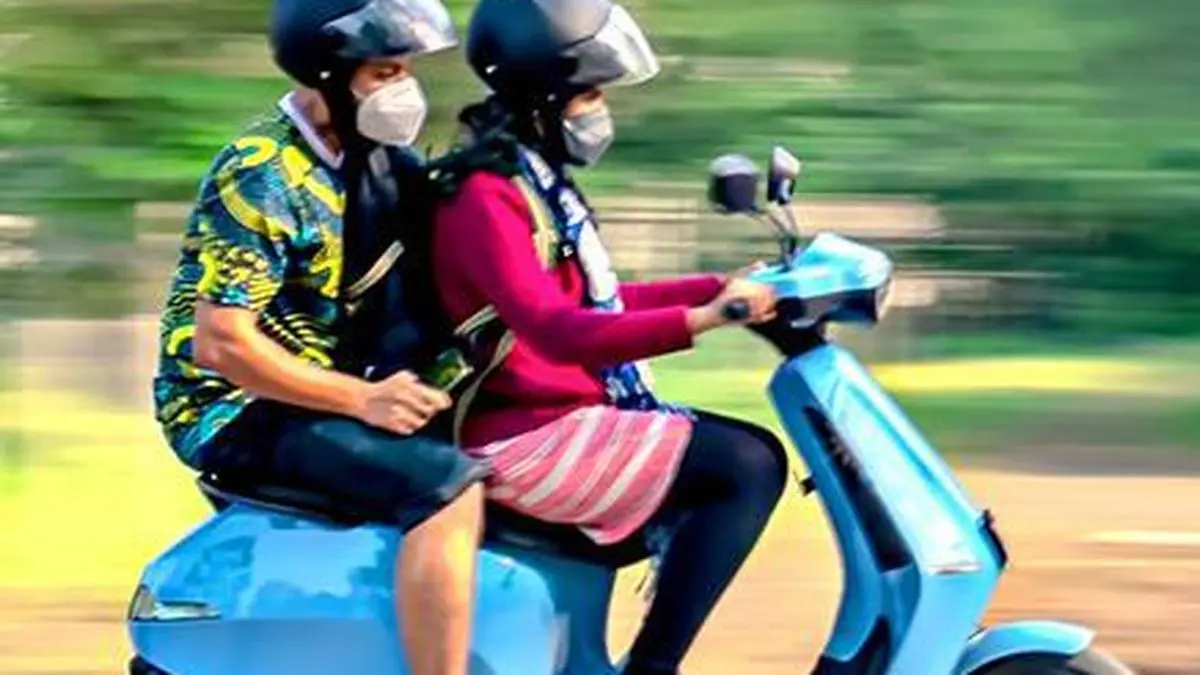
ICE two-wheelers, which still account for over 90 per cent of total industry volumes — grew just 3.9 per cent year-on-year to 16.72 lakh units from 16.10 lakh units in May 2025
| Photo Credit:
Lalam
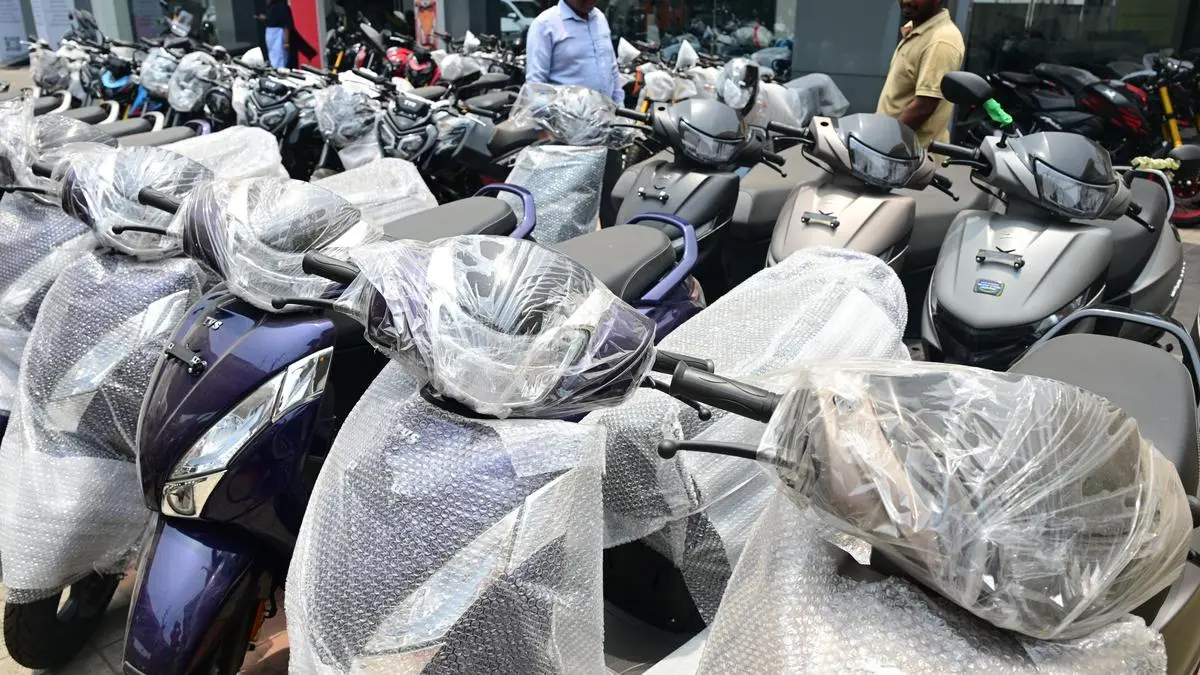
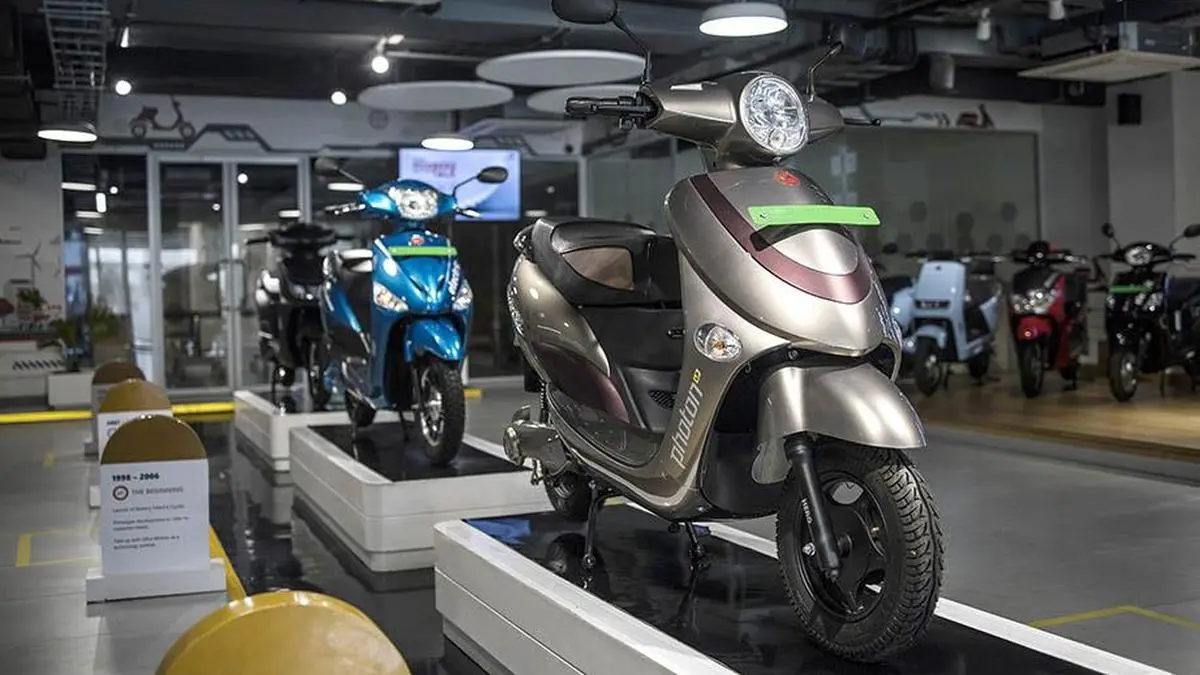
Rising fuel costs and operating economics are beginning to reshape buying behaviour in India’s two-wheeler market, creating a sharp paradox where overall industry sales continued to grow 7.4 per cent year-on-year in May 2026 even as petrol-powered vehicle sales fell 8.6 per cent sequentially, with electric vehicles increasingly offsetting the slowdown in conventional scooters and motorcycles, according to Vahan retail data.Overall two-wheeler registrations stood at 18.43 lakh units in May compared with 17.15 lakh units a year earlier, although sales declined from 19.87 lakh units in April. ICE two-wheelers, which still account for over 90 per cent of total industry volumes — grew just 3.9 per cent year-on-year to 16.72 lakh units from 16.10 lakh units in May 2025, while falling 8.6 per cent month-on-month from 18.29 lakh units in April.In contrast, EV two-wheeler registrations surged 62.5 per cent y-o-y to 1.70 lakh units from 1.04 lakh units a year earlier and also rose 8.4 per cent sequentially from 1.57 lakh units in April, indicating that the broader market slowdown was concentrated almost entirely in petrol-powered vehicles.ICE CracksThe paradox is becoming sharper at the manufacturer level, where several companies seeing slowdown in their petrol-powered portfolios are simultaneously witnessing rapid growth in EVs.Hero MotoCorp’s ICE sales were largely flat y-o-y at 4.98 lakh units and declined 8.5 per cent m-o-m from 5.45 lakh units in April, even as its EV registrations surged over 157 per cent y-o-y and nearly 20 per cent sequentially.Bajaj Auto saw one of the sharpest slowdowns in the ICE market, with petrol-powered sales falling 7.5 per cent year-on-year and 10.3 per cent m-o-m to 1.58 lakh units, while its EV volumes jumped nearly 73 per cent annually and 13.2 per cent sequentially to over 39,000 units in May.The Resilient PlayersBy contrast, Honda and TVS remained relatively resilient in ICE despite broader market weakness. Honda’s petrol-powered sales grew 9.3 per cent y-o-y, though they still declined 7.9 per cent sequentially to 4.51 lakh units from 4.90 lakh units in April.However, despite its dominance in scooters, Honda continued to have only a marginal presence in EVs, highlighting a growing transition gap as electrification accelerates in urban commuting segments.TVS, meanwhile, emerged as one of the strongest examples of the industry transition underway. The company posted 6.8 per cent ICE growth despite an 8.1 per cent month-on-month decline, while simultaneously leading the EV market with over 42,000 registrations, up 64 per cent year-on-year and nearly 6 per cent sequentially.Yamaha too remained relatively strong in ICE with 16.1 per cent annual growth, although sales dipped 7.4 per cent month-on-month, indicating that premium and urban-focused segments are holding up better than commuter-heavy categories.Market shiftHemal Thakkar, Senior Practice Leader and Director at Crisil Intelligence, said the overall two-wheeler market was not slowing structurally but witnessing an internal shift from petrol vehicles toward EVs.“There’s no change in guidance for the overall two-wheeler category; it’s just a shift happening from ICE to EV within that,” he said, retaining Crisil’s overall FY27 two-wheeler growth estimate at 7–8 per cent.According to Thakkar, EV penetration in the two-wheeler market rose to around 9.2 per cent in May 2026 compared with nearly 6.1 per cent a year earlier, marking one of the sharpest annual shifts seen in the segment.He added that concerns around the West Asia crisis, rising fuel-cost sensitivity and improving total cost of ownership economics were accelerating consumer acceptance of electric scooters and motorcycles.“We think 1.5–1.7 lakh monthly EV volumes are becoming the new normal, and going back from there appears unlikely,” Thakkar said, while maintaining Crisil’s FY27 EV two-wheeler estimate at around 1.8 million units, with potential upside if current momentum sustains.Published on June 1, 2026