India-US: Trade tangle
| Photo Credit:
alexsl
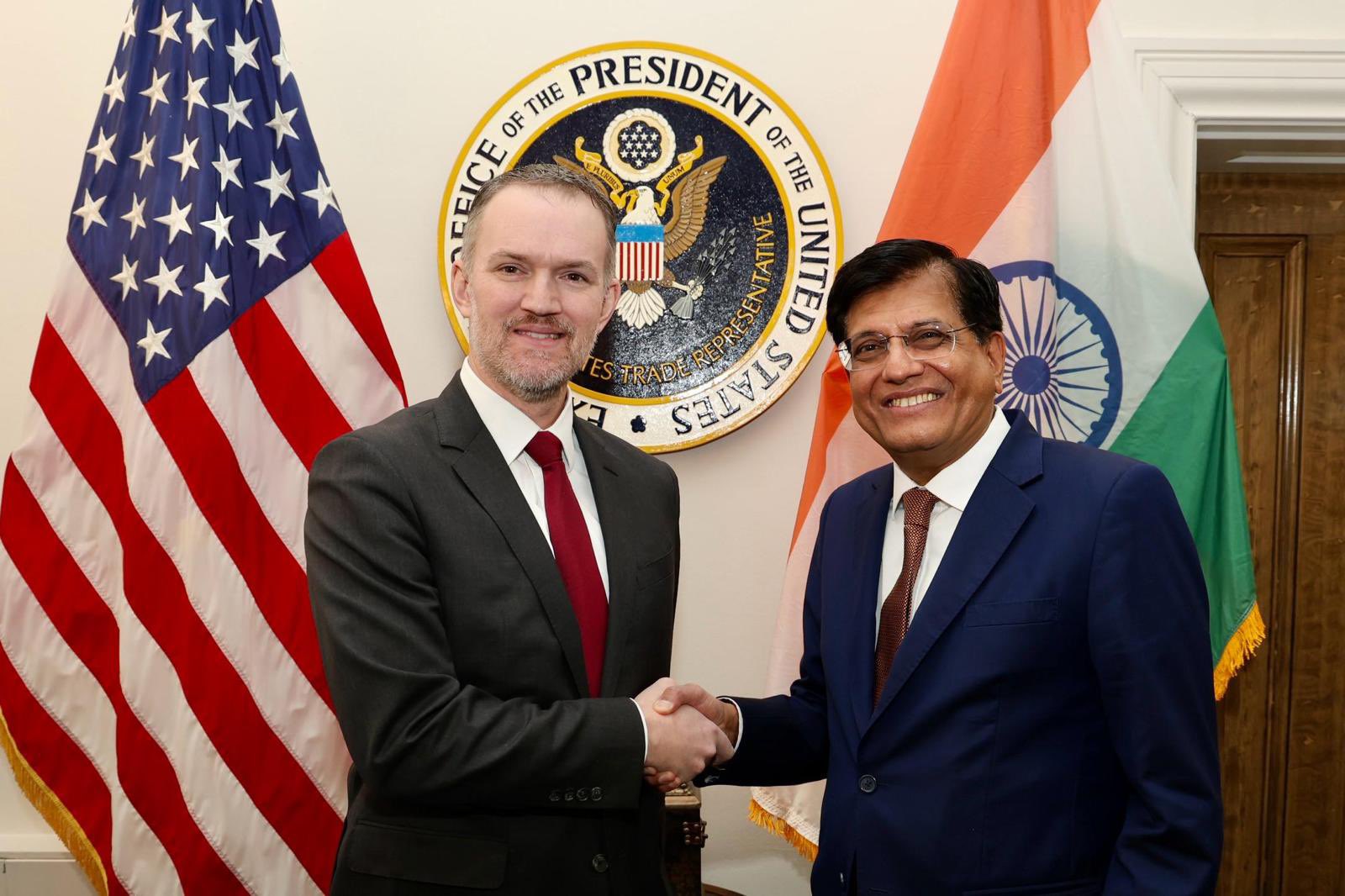
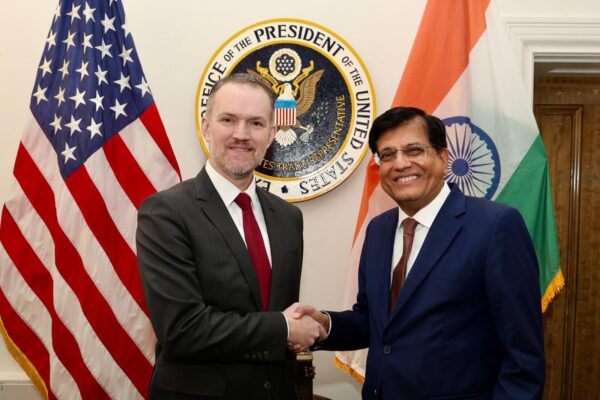
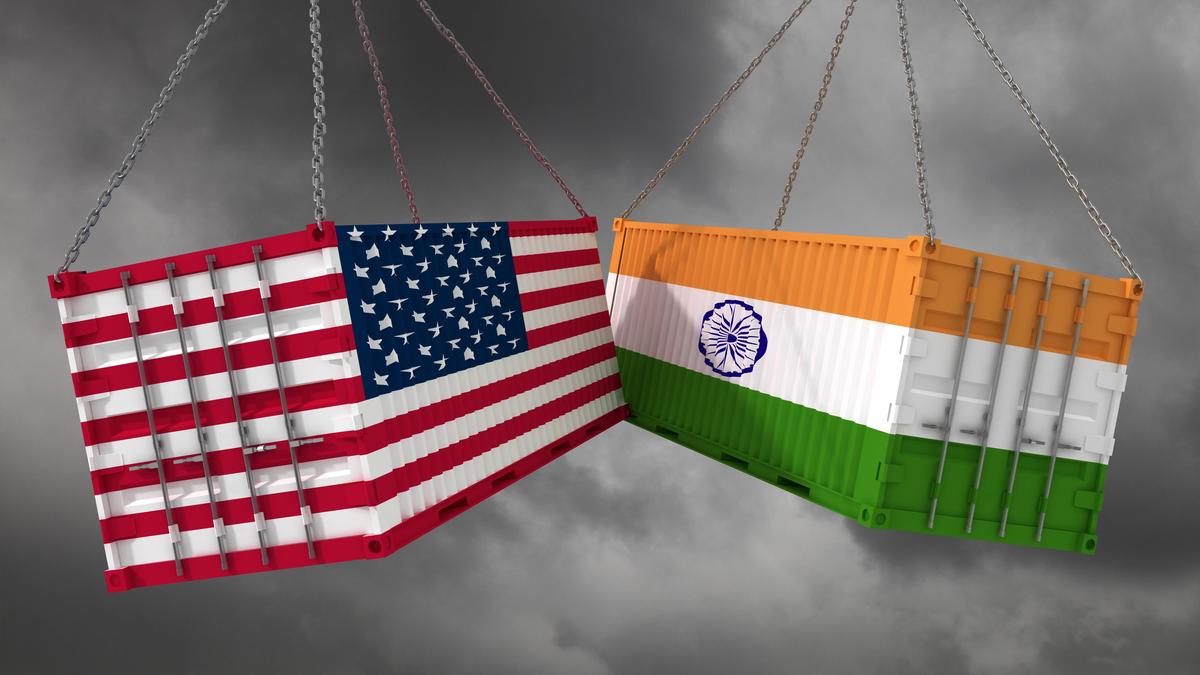
The departure last month of United States Trade Representative (USTR) Jamieson Greer from New Delhi without the promised delivery of an interim trade agreement effectively means that a complete reassessment of the India-US Bilateral Trade Agreement (BTA) is under way. New Delhi has reportedly dug its heels on safeguards against future unilateral US tariff actions and securing better market access than competitors such as Bangladesh and Vietnam.The caution from the Indian side is warranted. Even a cursory assessment of the February 6 joint statement, a precursor to the deal, makes it clear that the framework privileges US trade interests and export access over two-way benefits. India was expected to reduce or eliminate tariffs on most products. The US merely offered to reduce its Liberation Day ‘reciprocal’ or retaliatory tariffs — which were anyway illegal under the WTO framework for being country-specific — from 25 per cent (50 per cent, initially) to 18 per cent. Even that concession seems irrelevant in the wake of the US Supreme Court’s February 20 ruling which invalidates reciprocal tariffs. The very premise underlying the sole concession offered by the US has ceased to hold. Compare this with the commitments expected from New Delhi. India committed to purchase $500 billion worth of goods and services over a period from a mercantilist US, which made no such reciprocal commitment. India is also expected to address long-standing non-tariff barriers (read GM) affecting US farm produce, and alter standards and norms for imports of US medical devices and Information and Communication Technology (ICT) goods, without corresponding commitments from Washington. Clearly, the joint statement is a one-way street, aimed at reducing US’ $58 billion (2025) goods trade deficit with India, even as services trade is in balance. US has an overwhelming presence in India’s digital markets.In the face of an adverse Supreme Court ruling, the US has resorted to other means to keep the tariff pot boiling. It has imposed temporary 10 per cent tariffs under Section 122 of the Trade Act, 1974 on imports from all trading partners. This blanket imposition, even on countries that had agreed to major concessions under new trade deals, reveals that the US is not above reneging on agreements. The Section 122 tariffs, in force only for 150 days, are scheduled to expire on July 24. To continue leveraging tariffs in talks, including with India, the US has now launched two investigations under Section 301. For India to undertake long-term commitments to escape possible future Section 301 tariffs is an unacceptable proposition. It will remain vulnerable to unilateral actions, anyway.The better option is to continue engaging with the US without yielding to pressures. After all, FY26 exports to the US remained resilient, up by 1 per cent to $87.3 billion — despite the tariff tantrums. A hastily signed trade agreement under the present framework may jeopardise long-term interests.Published on July 2, 2026