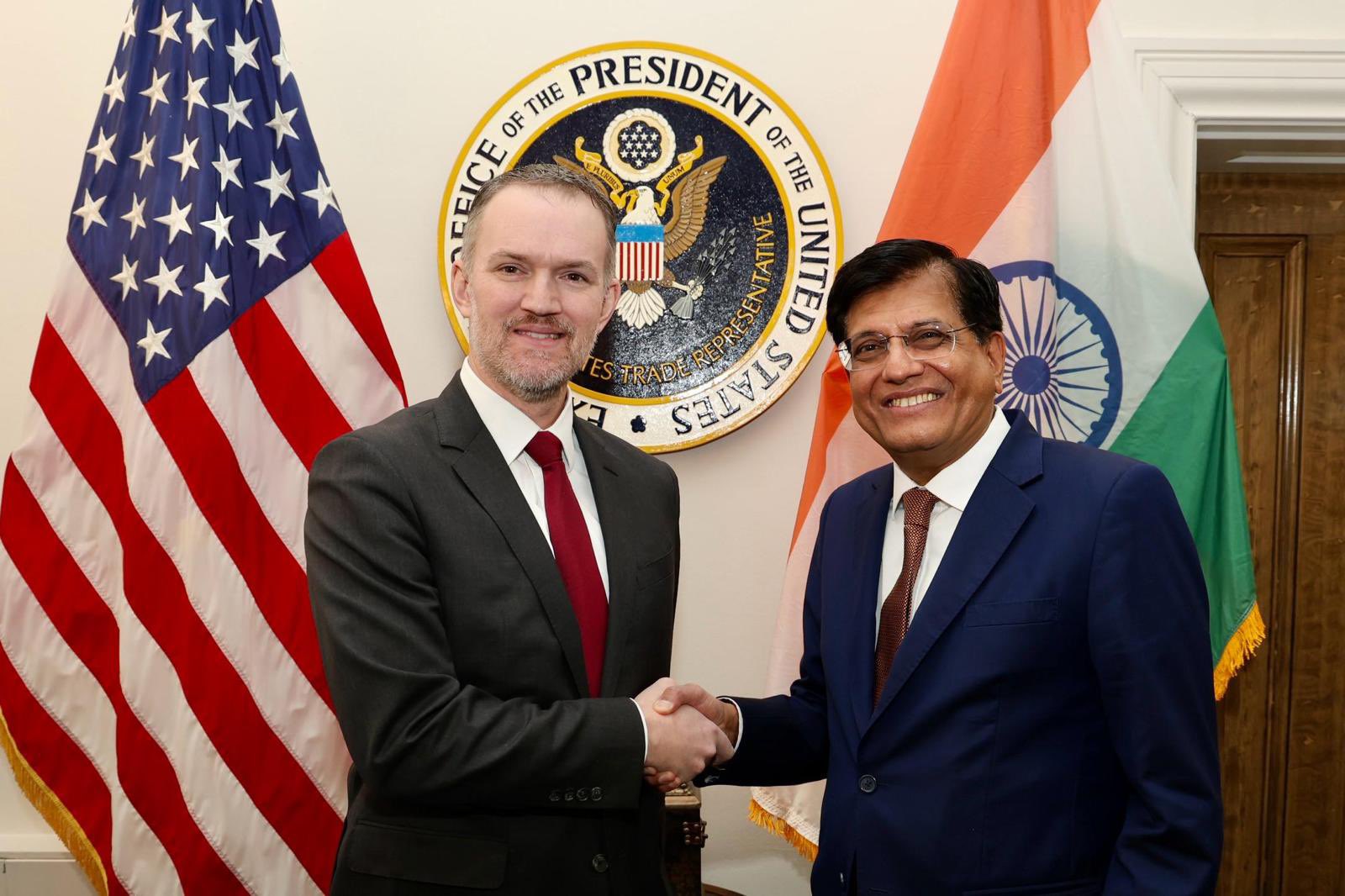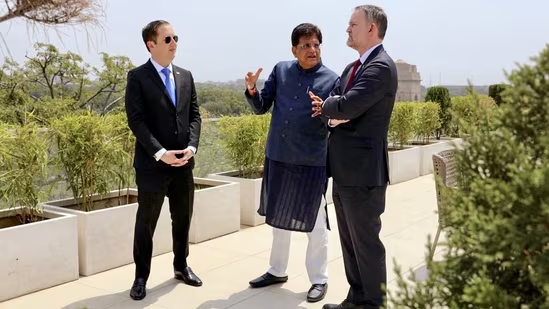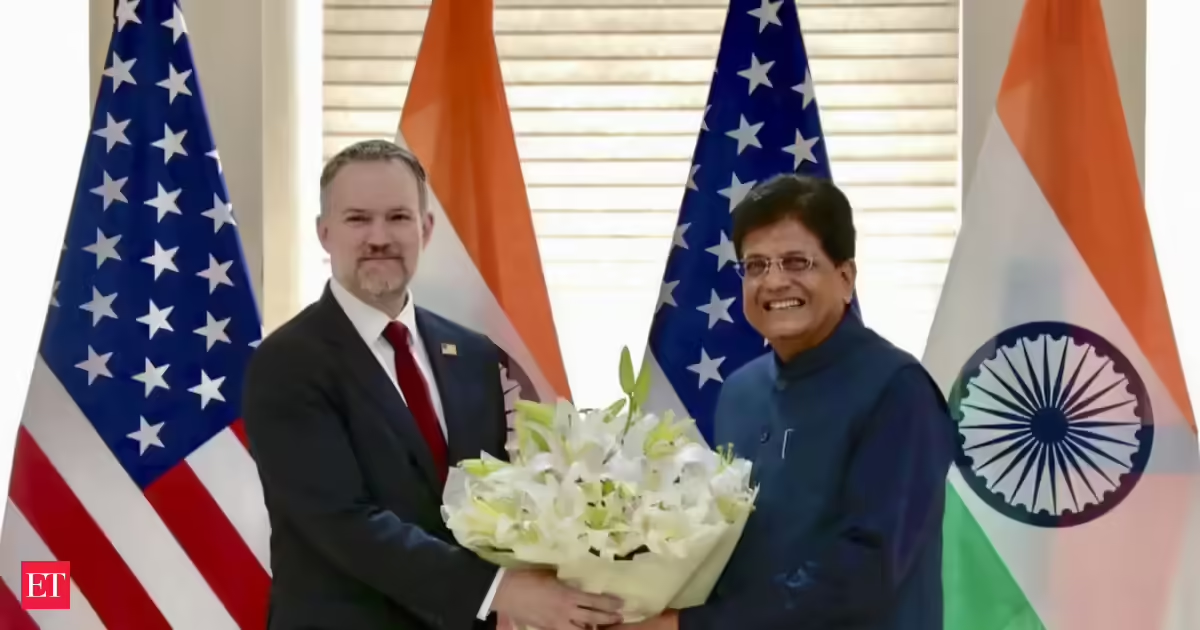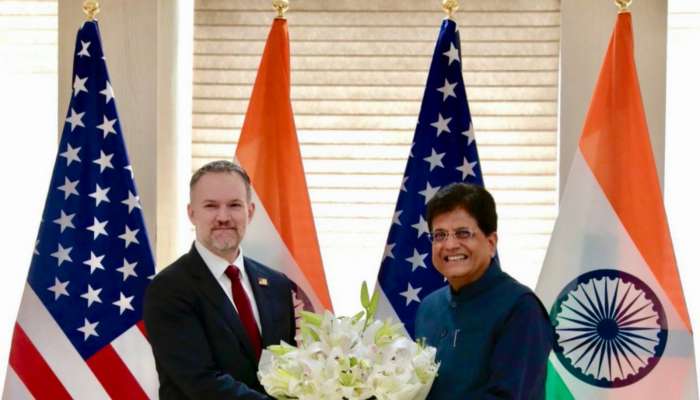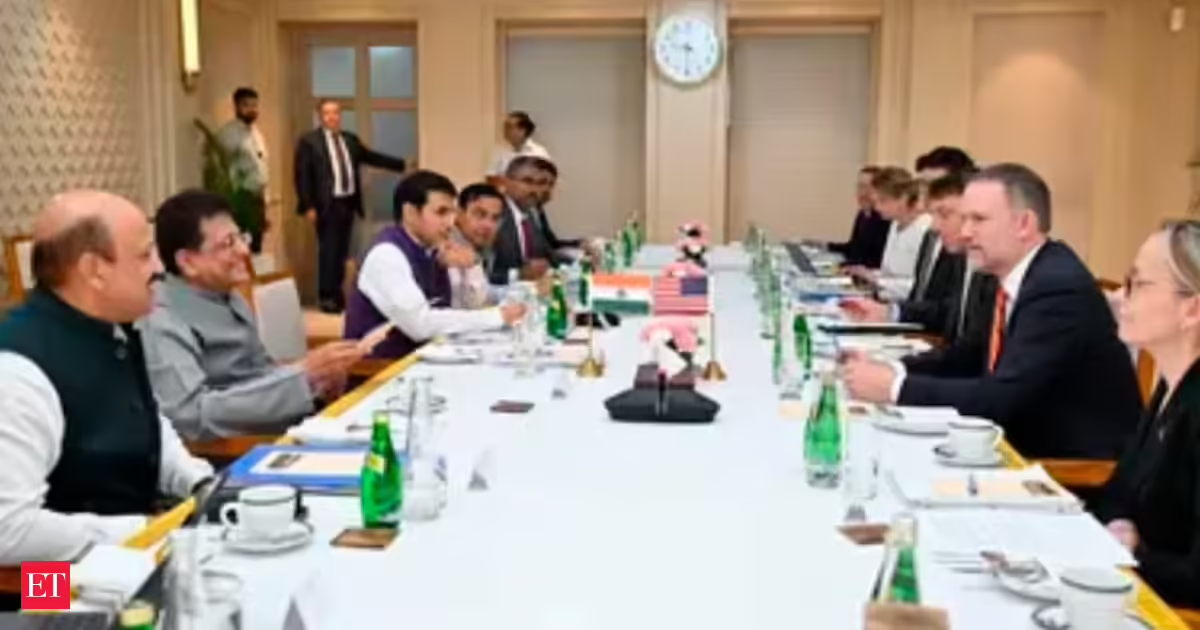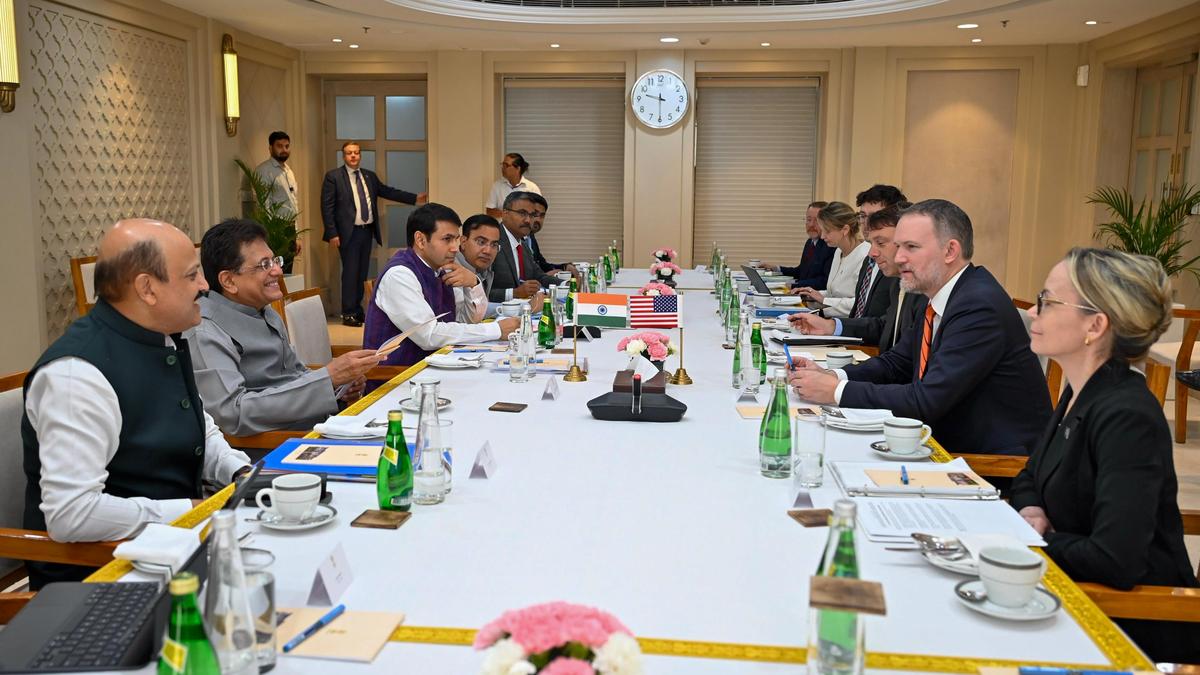
U.S. Trade Representative Jamieson Greer concluded a trip to New Delhi in late June, meeting with Indian Commerce Minister Piyush Goyal as the two sides sought to finalize a trade deal. They had reached a tentative agreement in February—before a U.S. Supreme Court decision invalidated President Donald Trump’s sweeping tariffs that necessitated negotiations in the first place.
Last Tuesday, U.S. Ambassador to India Sergio Gor said they were “in the final steps on this deal. … It’s in the last 1 percent.”
Two main issues still need to be resolved. India still faces some U.S. tariffs, and its negotiators are trying to persuade the United States to impose levies lower than those on Asian competitors such as Bangladesh, Malaysia, Pakistan, Sri Lanka, and Vietnam. Washington, in turn, wants New Delhi to provide guarantees that it is not relying on forced labor to obtain a competitive export advantage.
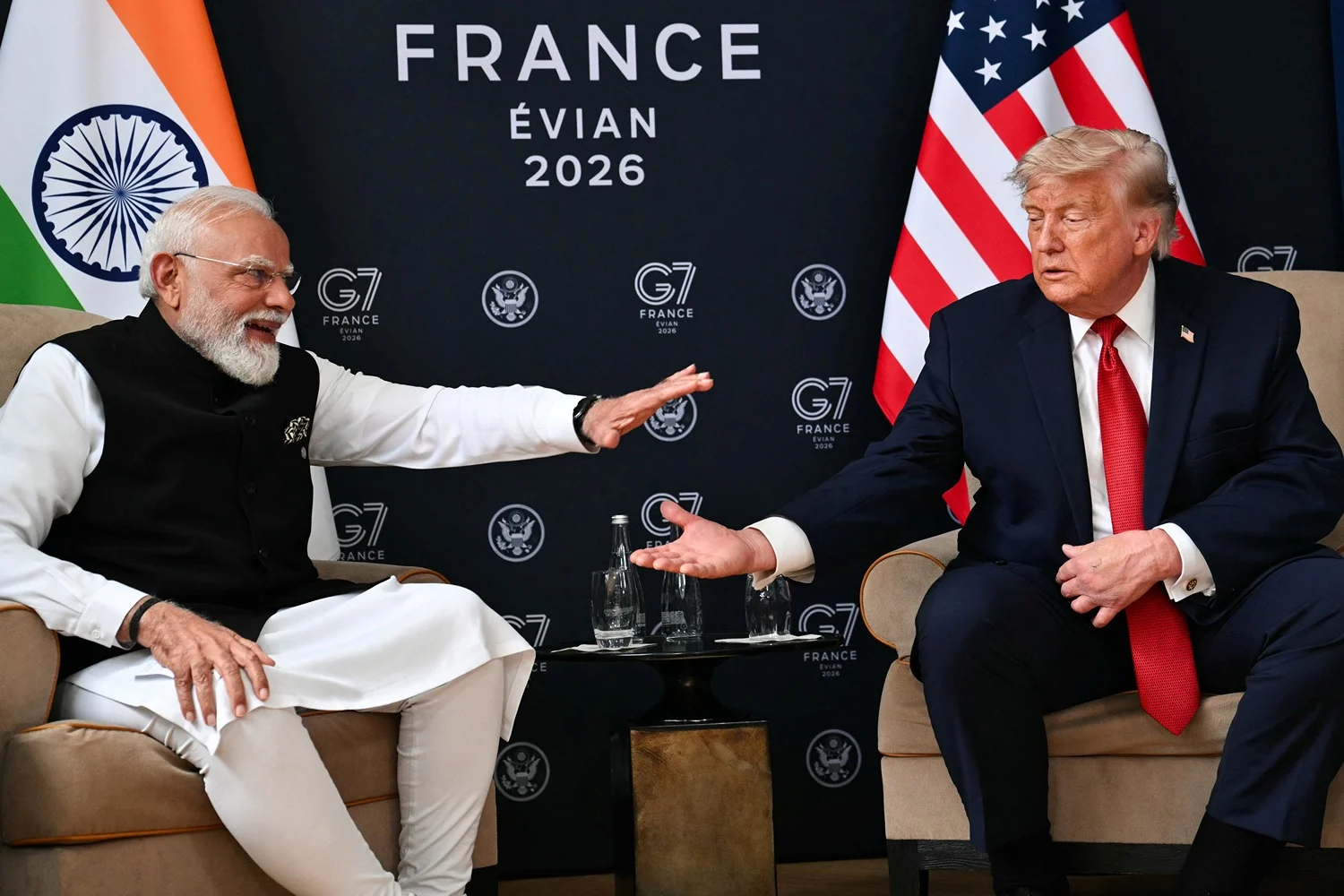
The progress toward a deal comes after Trump and Indian Prime Minister Narendra Modi held a conversation on the sidelines of the G-7 summit in Èvian-les Bains, France, in mid-June. In the wake of the meeting, reports suggested that the two leaders discussed bilateral trade, the situation in the Middle East, the safety of Indian seafarers in the Strait of Hormuz, and the possibility of Trump visiting New Delhi.