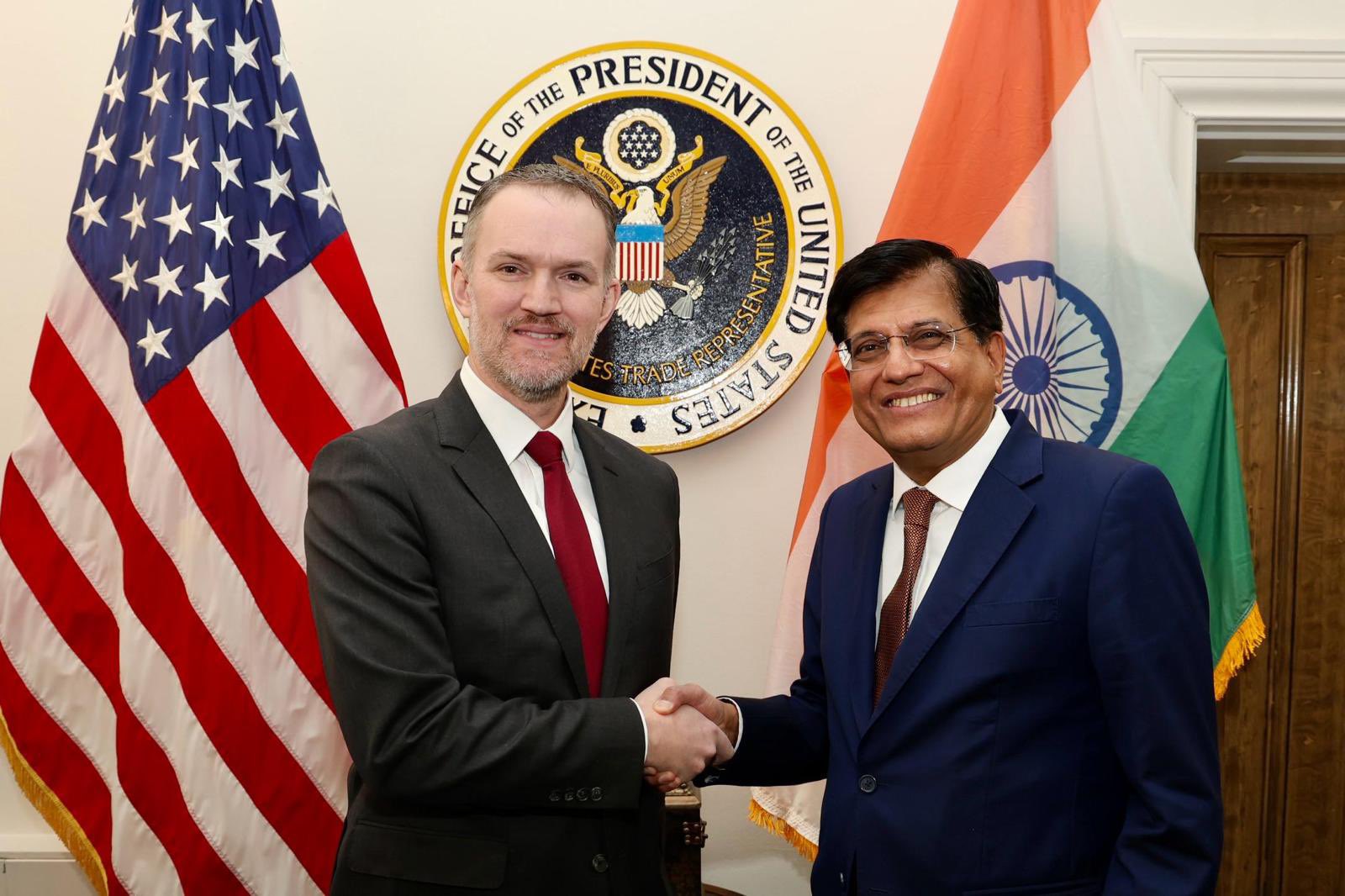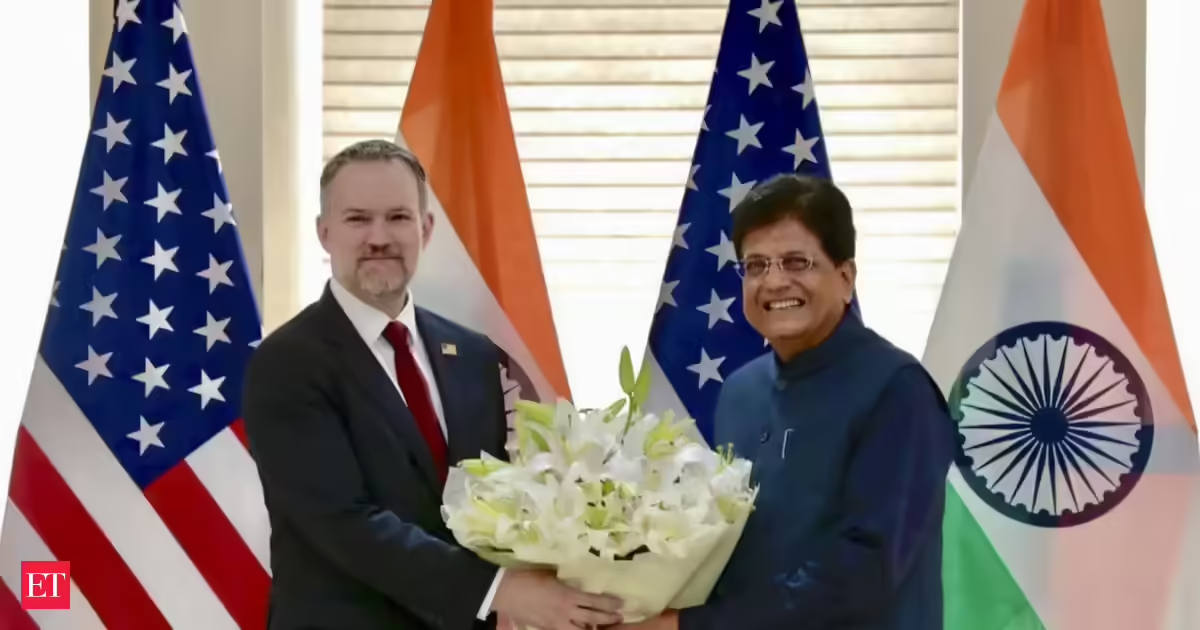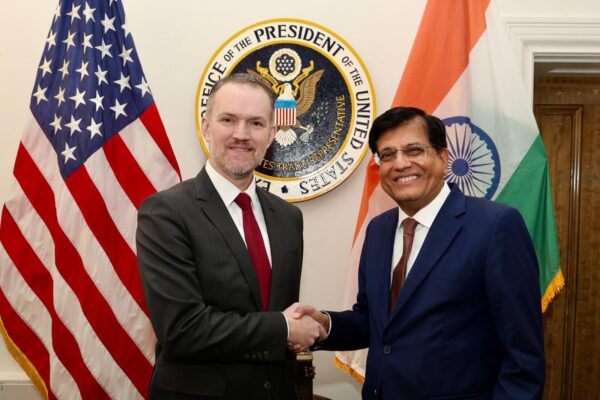
About two weeks ago, the much-anticipated bilateral trade agreement (BTA) between India and the United States seemed close to completion. United States Trade Representative (USTR) Jamieson Greer led a team to New Delhi, and both governments aligned on claims that 99 percent of the deal was finalized.
Immediately after Greer’s visit, however, the Indian government unexpectedly pulled back from the deal.
Clarifying India’s position, Commerce Minister Piyush Goyal claimed immediately afterwards that the BTA would remain on hold unless the United States offered India “some competitive advantage over what is being given to countries like Vietnam, Thailand, the Philippines, Indonesia, Malaysia, China, Bangladesh, Sri Lanka, and other neighboring countries.”
This about-face was surprising given India’s long-standing enthusiasm to clinch the deal with its second-largest trading partner.
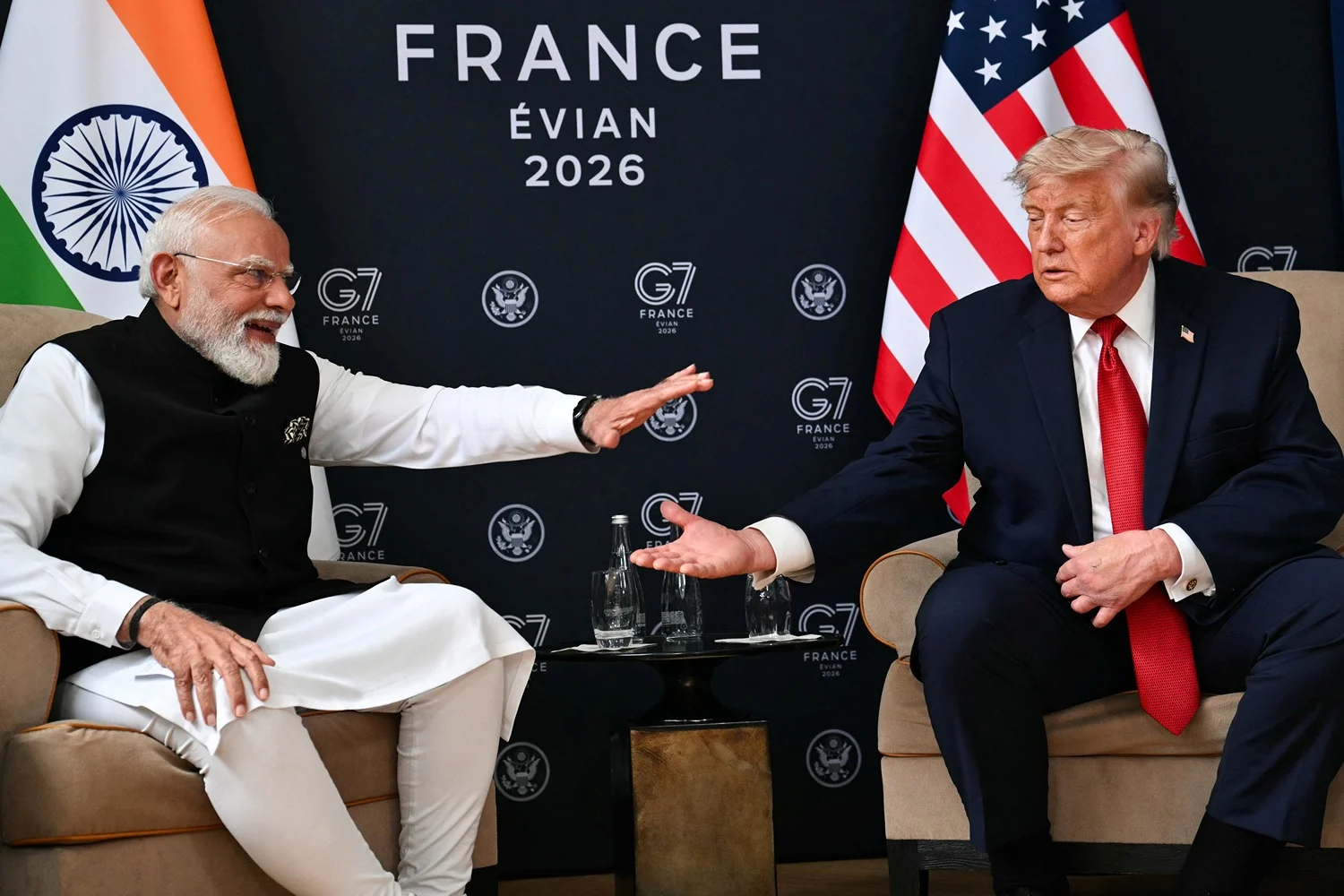
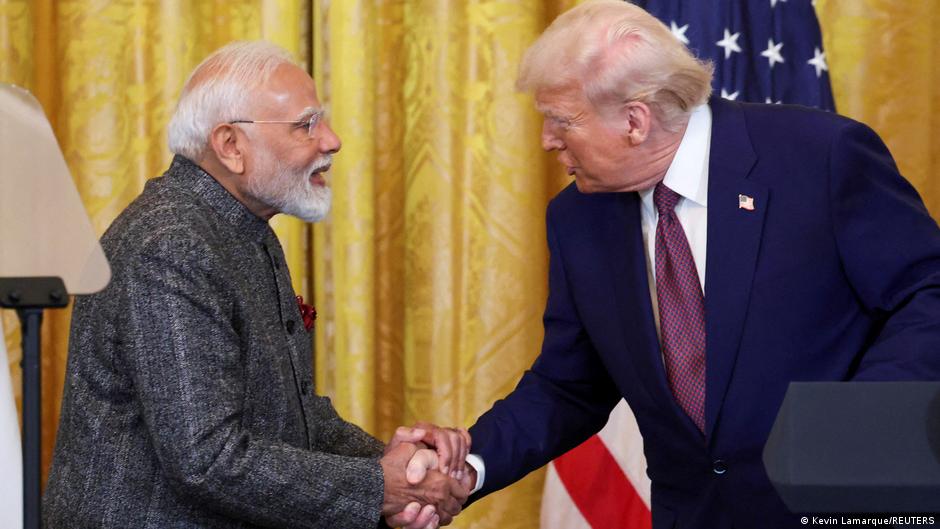
Negotiations began in early 2025 following political endorsement from the leaders of both nations, who launched “Mission 500” to double total bilateral trade to $500 billion by 2030. The BTA was to be the primary catalyst. Initially, both governments agreed that the first tranche of this multi-sector trade deal would be ready by fall 2025.