Trade agreements should create durable commercial gains for both sides
| Photo Credit:
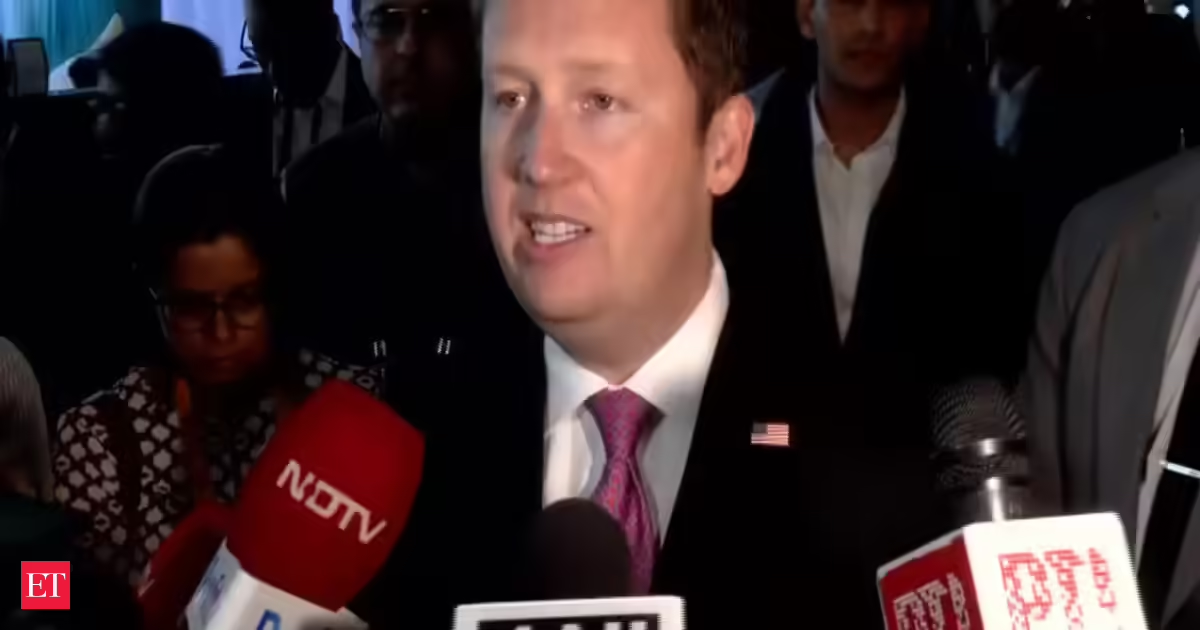
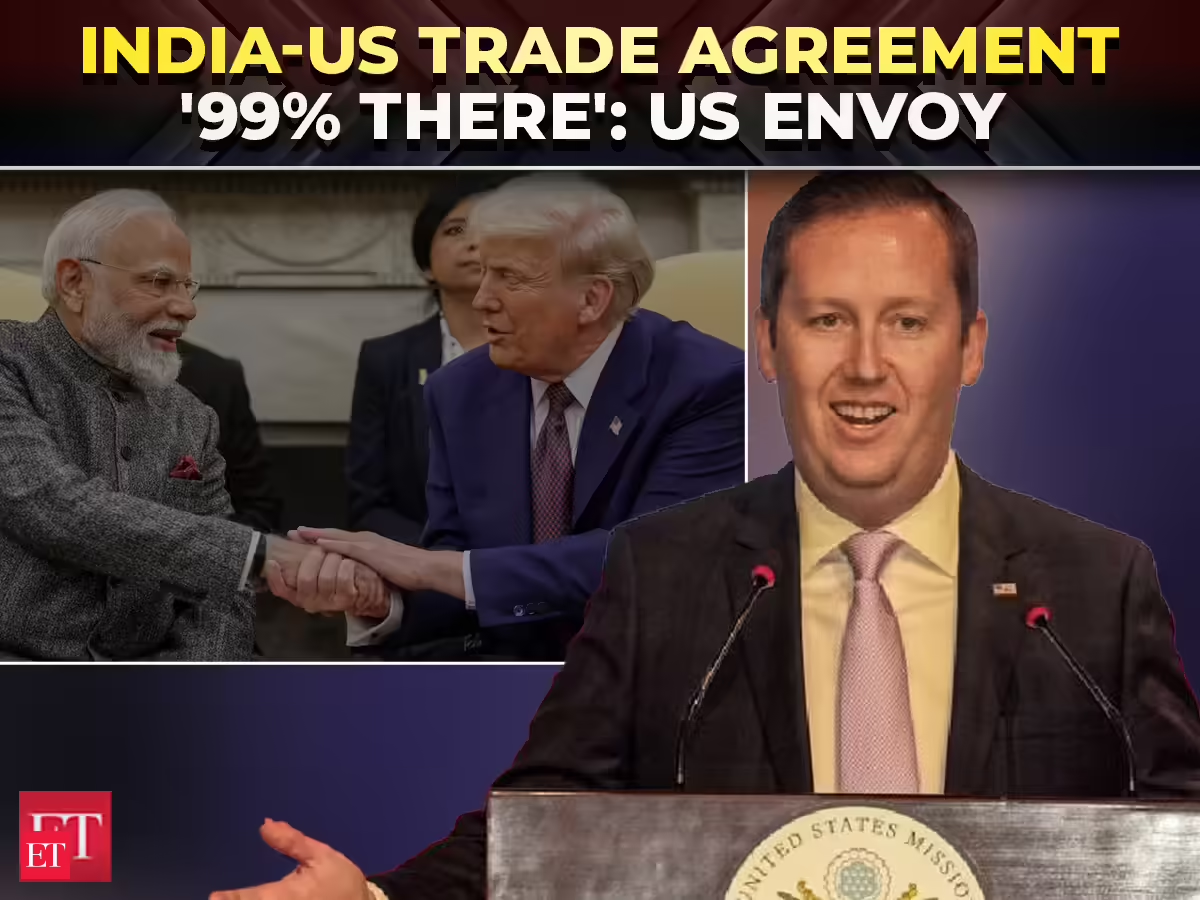
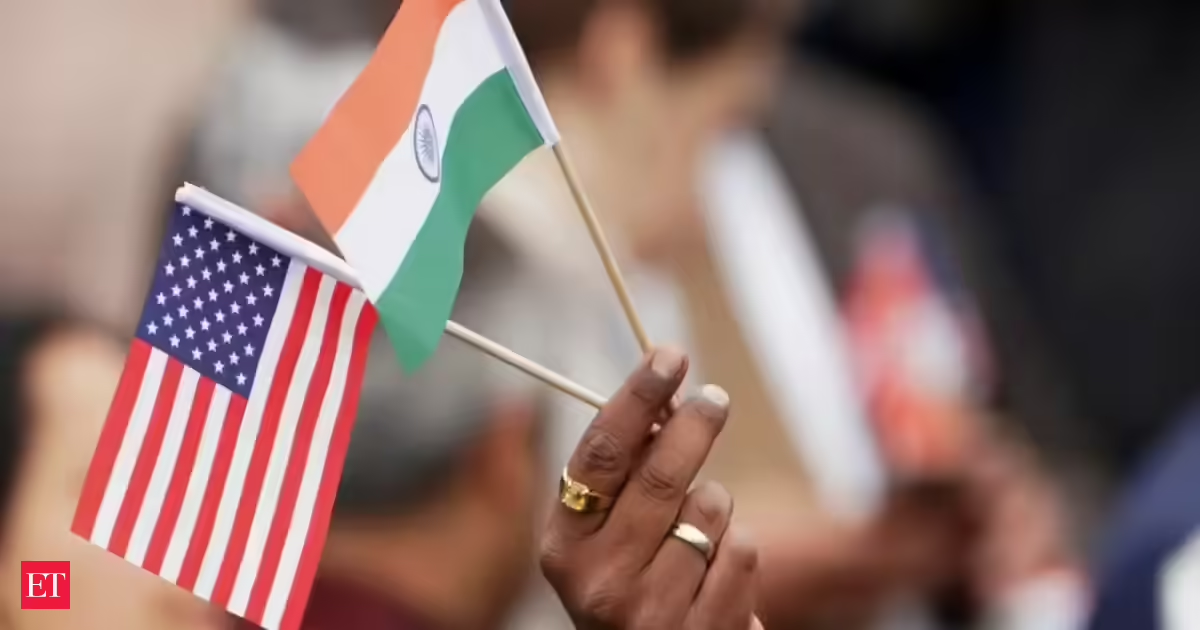
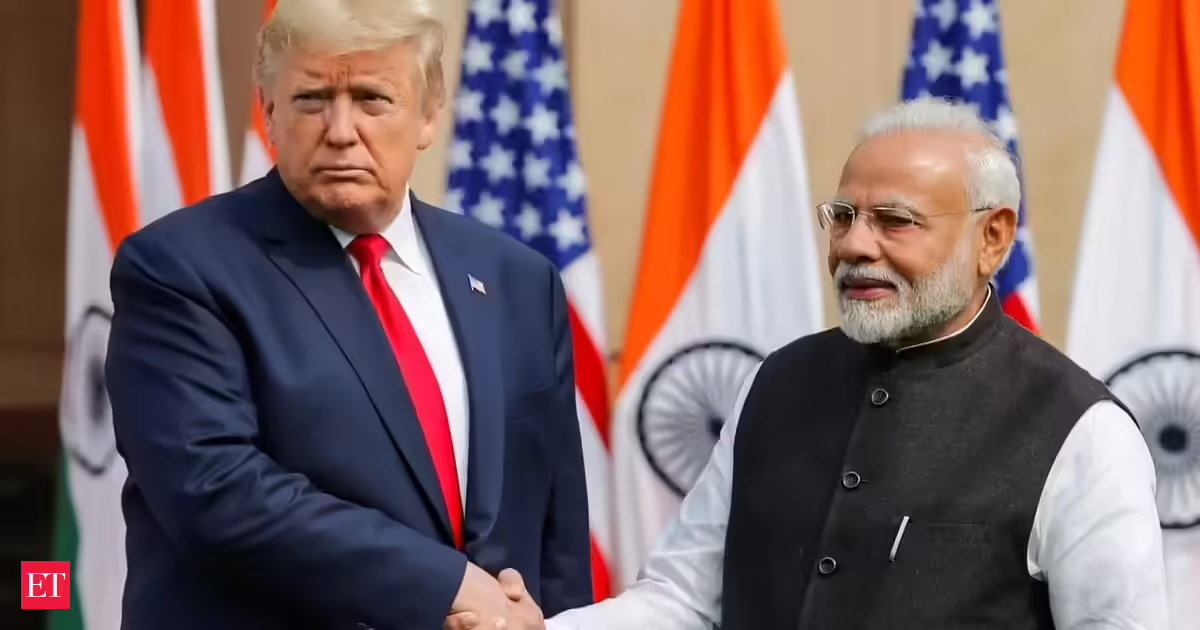
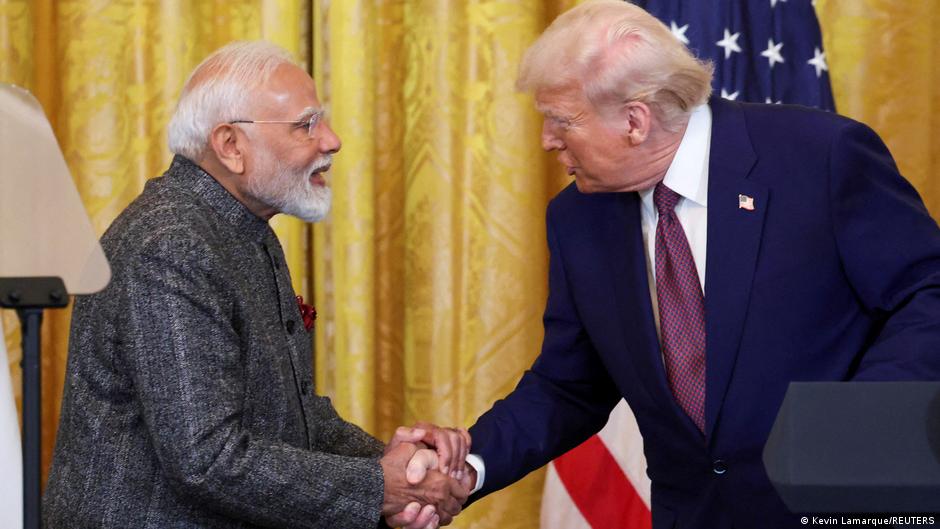
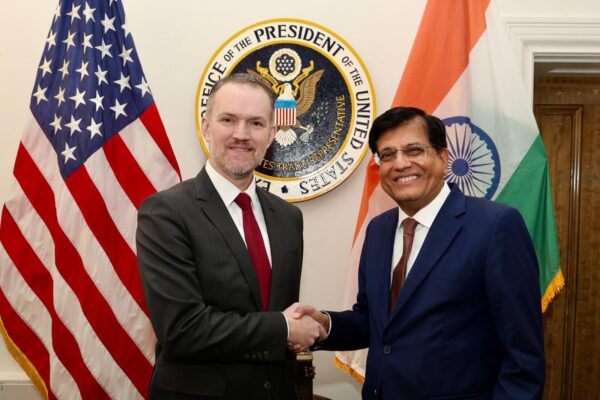
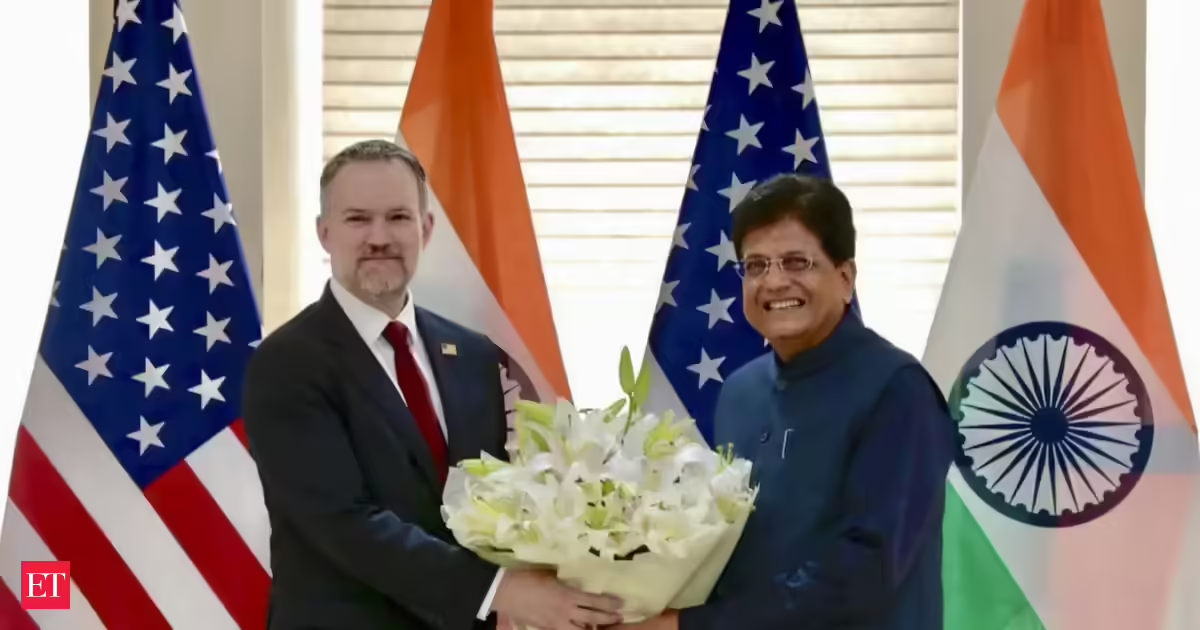
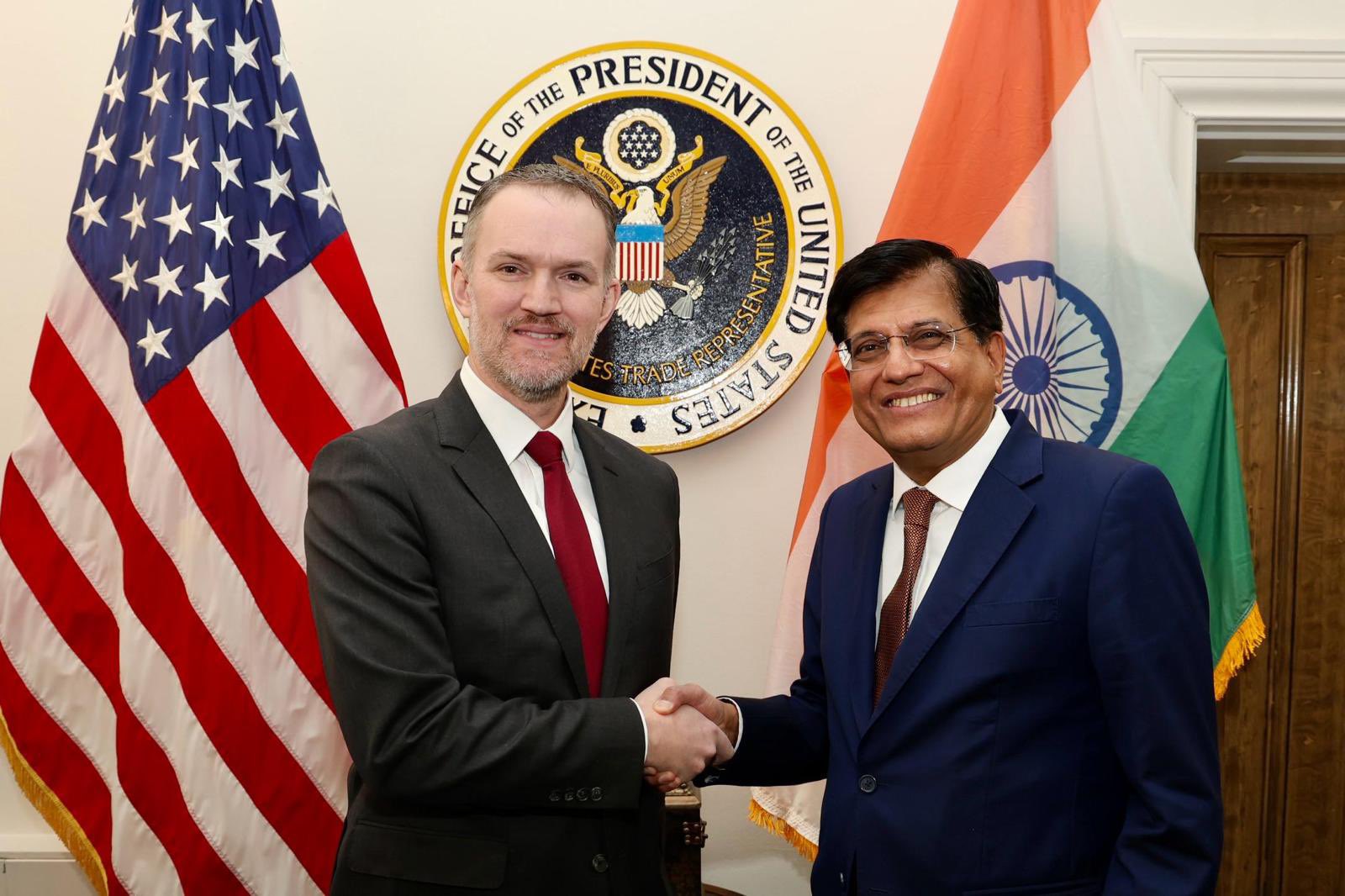
The India-US Bilateral Trade Agreement (BTA) appears to be nearing completion. A US negotiating team visited India from June 1-4 to speed up talks, and on May 30, US Ambassador Sergio Gor said the deal was “99 per cent ready.” The question is no longer whether the deal can be signed, but whether India should sign it.To understand the stakes, it is necessary to revisit how the negotiations evolved.India and the US formally launched BTA negotiations on February 13, 2025. The first glimpse of the emerging bargain appeared in the India-US Joint Statement issued on February 6, 2026. The document outlined a broad exchange of concessions. Washington promised to reduce its so-called reciprocal tariff on Indian exports from 25 per cent to 18 per cent. In return, India signalled willingness to undertake deeper tariff reductions on US industrial and agricultural products, ease access for American medical devices and farm goods, facilitate cross-border data flows, accept digital trade commitments, align more closely with US economic and security priorities, and potentially commit to purchasing up to $500 billion of US goods over five years.Offer collapsesYet before the agreement could even be finalised, the foundation of the US offer collapsed.On February 20, the US Supreme Court ruled that President Trump’s reciprocal tariffs exceeded the authority granted under the International Emergency Economic Powers Act (IEEPA). The decision invalidated the legal basis for the reciprocal tariff regime. The very tariff concession Washington had offered India — the reduction from 25 per cent to 18 per cent — effectively disappeared overnight.Within hours of the ruling, Washington replaced the reciprocal tariff regime with a temporary 10 per cent tariff on imports from all trading partners under Section 122 of the Trade Act of 1974. The measure can remain in place for only five months (without Congress approval) and is scheduled to expire on July 24. The practical consequence was striking. Countries that had agreed to major concessions under new trade deals suddenly faced the same US tariff treatment as countries that had no deal. The principal benefit that justified the concessions had vanished.The implications quickly became apparent. On March 15, Malaysia walked away from its trade arrangement with Washington after concluding that the promised benefits no longer justified the commitments being sought. India now faces a similar dilemma. The bargain looks one-sided.Washington anticipated this. To prevent countries from walking away from trade deals, on March 11 and 12, the Office of the US Trade Representative launched two separate Section 301 investigations covering 60 economies. One focused on alleged excess industrial capacity. The other examined concerns related to forced labour in global supply chains. India was included in both investigations.The excess-capacity investigation against India covers sectors ranging from solar modules and petrochemicals to steel, pharmaceuticals, automobiles and textiles. The forced-labour investigation examines whether India adequately restrict imports linked to forced labour in third countries. Notably, the inquiry is not based on allegations that Indian exports themselves are produced using forced labour. Instead, it seeks to assess whether countries adopt import-control policies preferred by Washington.On June 3, USTR released the findings of the forced-labour investigation and proposed additional tariffs of 12.5 per cent on imports from India and 53 other economies. The proposal is not final and final decisions are expected before July 24 when the temporary Section 122 tariff expires. The results of the excess-capacity investigation are also expected soon.Two scenariosThese developments create the end-game scenario now confronting India.Scenario one — India signs: Washington could offer India relatively lower Section 301 tariffs, say 18 per cent, in exchange for signing the BTA on earlier agreed terms.Problem is, even after signing of BTA, US may start fresh investigations on any pretext — for example, buying crude oil from Russia or Iran. The US started Section 301 investigations against the EU, Japan, South Korea even after signing a trade deal. Also, offer to lower Section 301 tariffs in return for BTA means the investigations are sham.More important, BTA concessions by India are much beyond tariff cuts. They also include regulatory concessions, digital trade commitments, closer alignment with US strategic priorities, and a $500 billion import-purchase commitment. Imagine impact on rupee value once the deal is announced.Scenario two — India refuses: India could decline to sign BTA and face whatever Section 301 tariffs Washington ultimately imposes. That would hurt exports. However, the tariffs would apply to many countries, not India alone. More importantly, India would avoid long-term commitments whose economic costs may exceed the impact of the tariffs themselves.Trade data suggests the damage from tariffs may be manageable. Despite facing periods of exceptionally high US tariff barriers during FY26, India’s exports to the US still exceeded the previous year’s level.The central reality is that the rationale for rushing into a BTA largely disappeared on February 20, when the Supreme Court invalidated the reciprocal tariff framework. The US side of the original bargain no longer exists. What remains is pressure through Section 301 investigations and the promise of possible tariff moderation.Trade agreements should create durable commercial gains for both sides. They should not function as protection payments against future unilateral actions. India should therefore treat the BTA negotiations and the Section 301 investigations as entirely separate matters.The BTA in current format no longer offers balanced benefits, New Delhi should be prepared to delay it — or walk away from it altogether —until US trade policy becomes more stable and predictable.The writer is founder, GTRIPublished on June 6, 2026