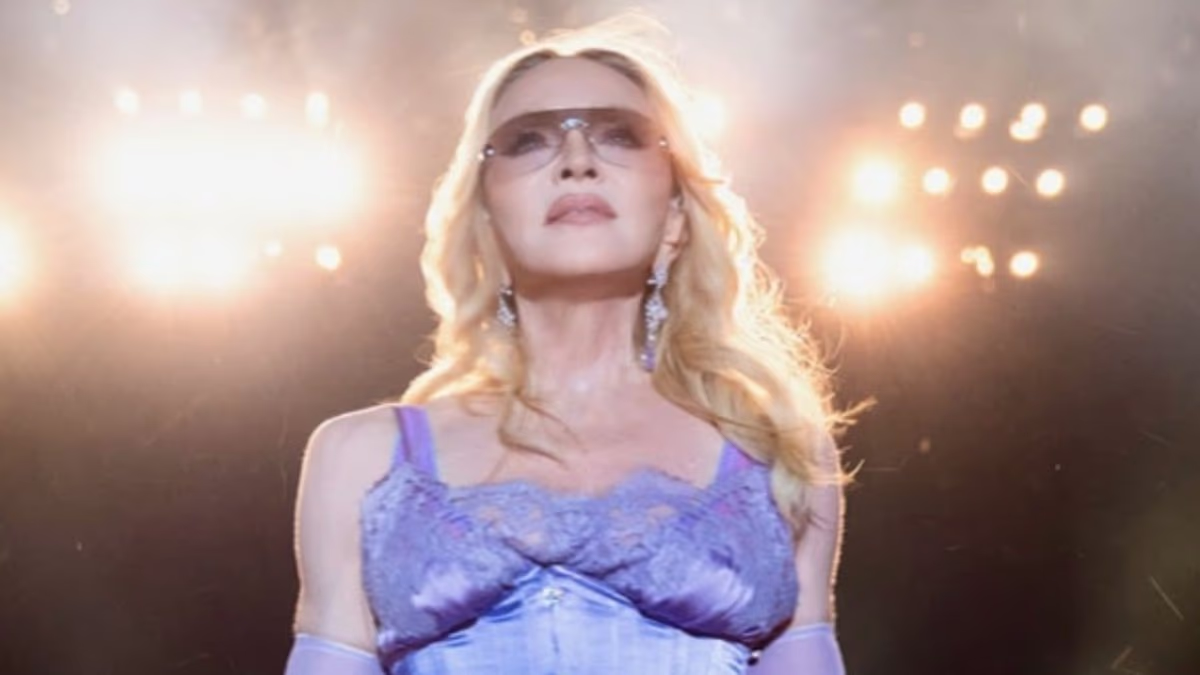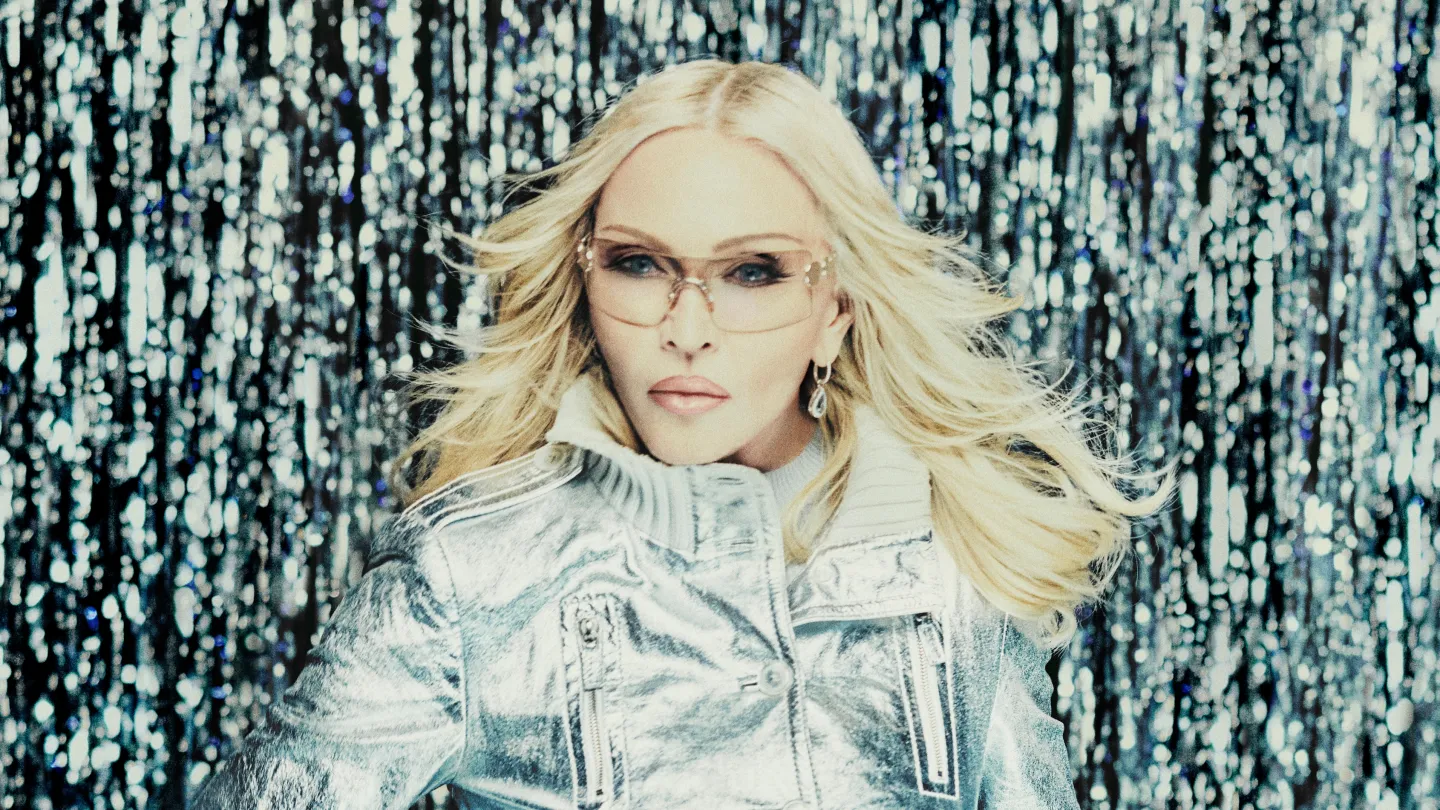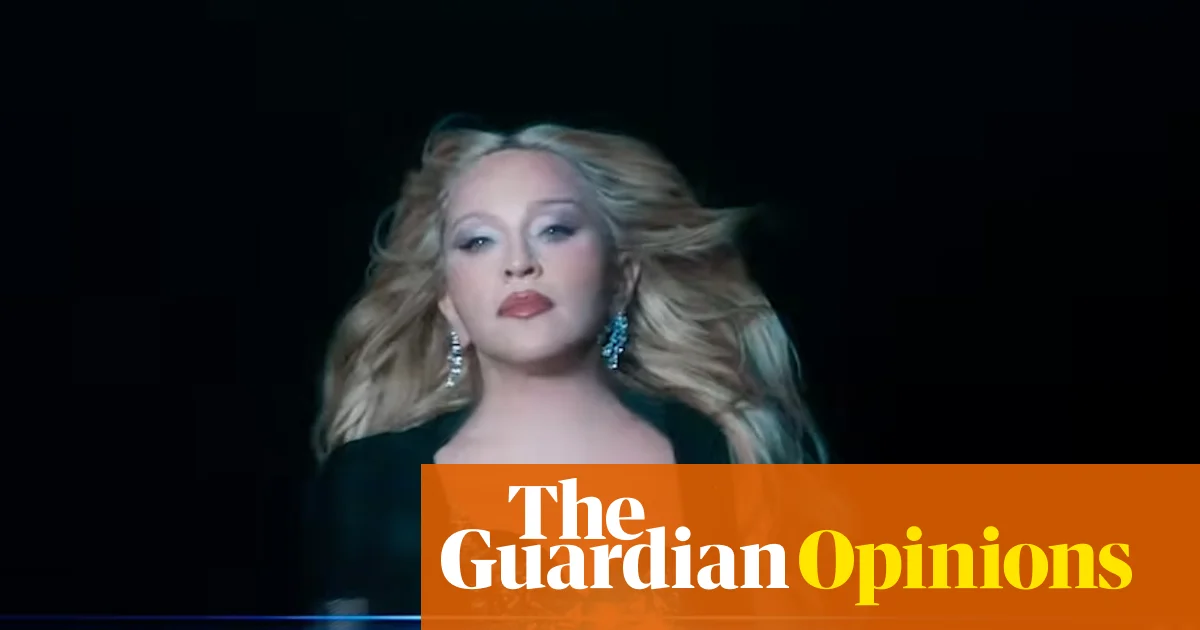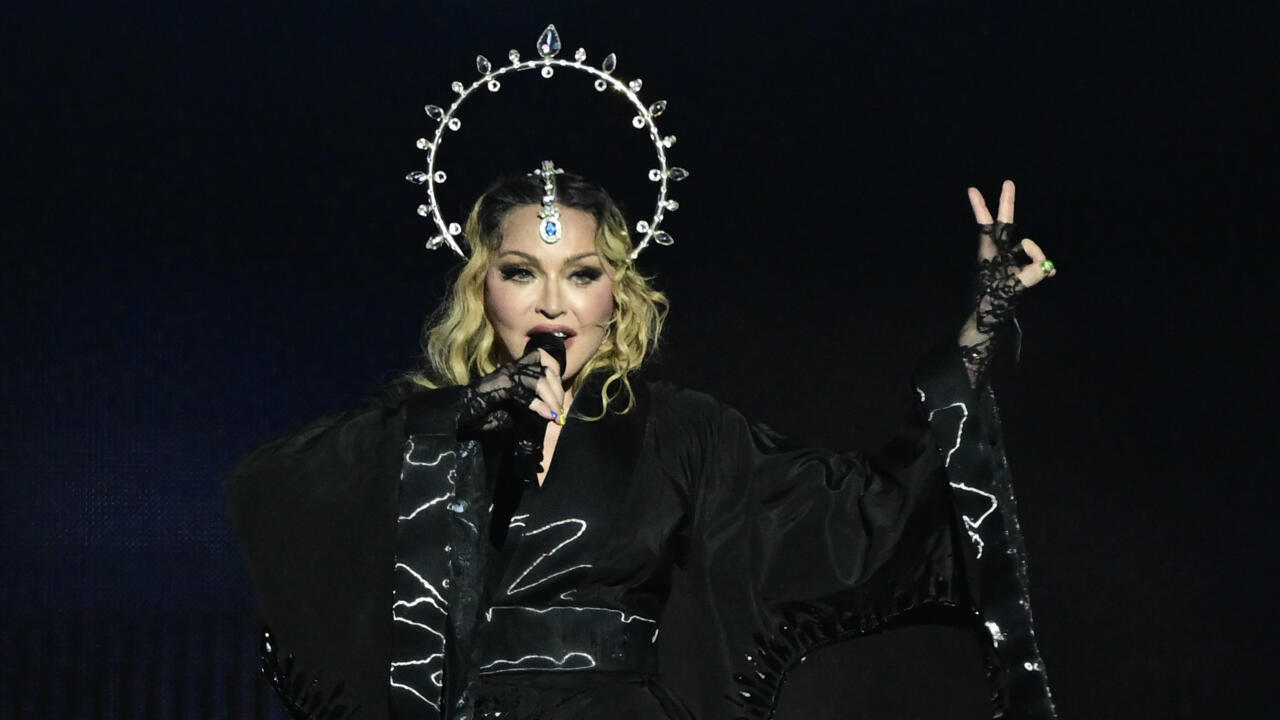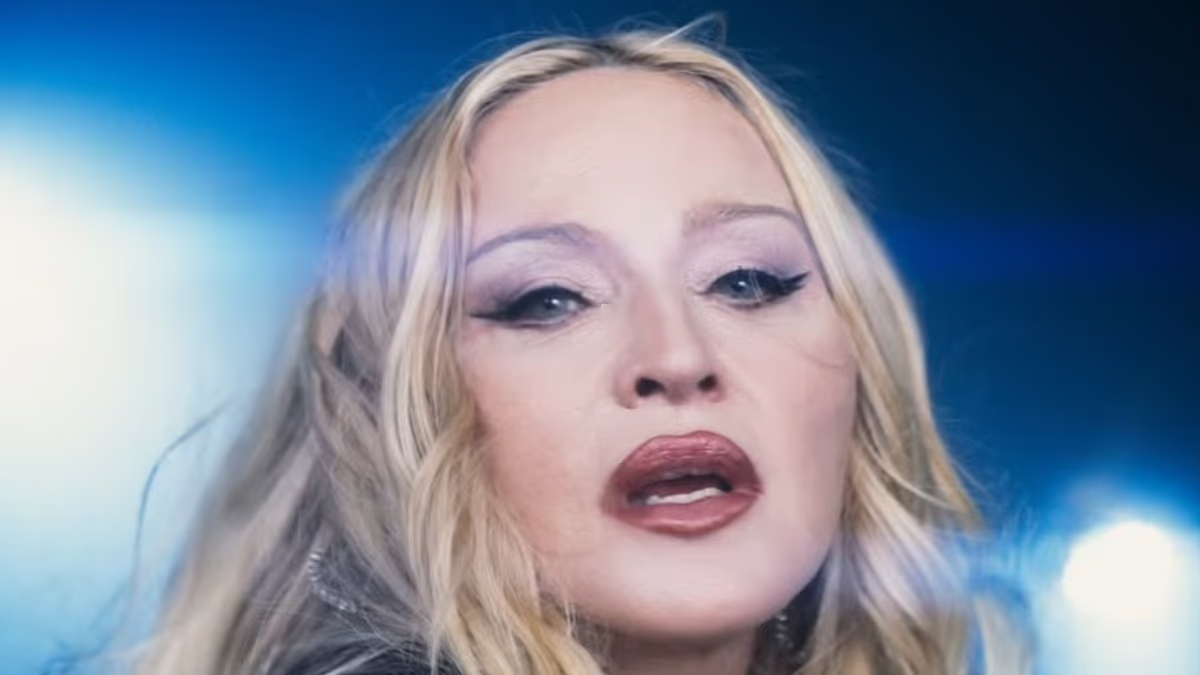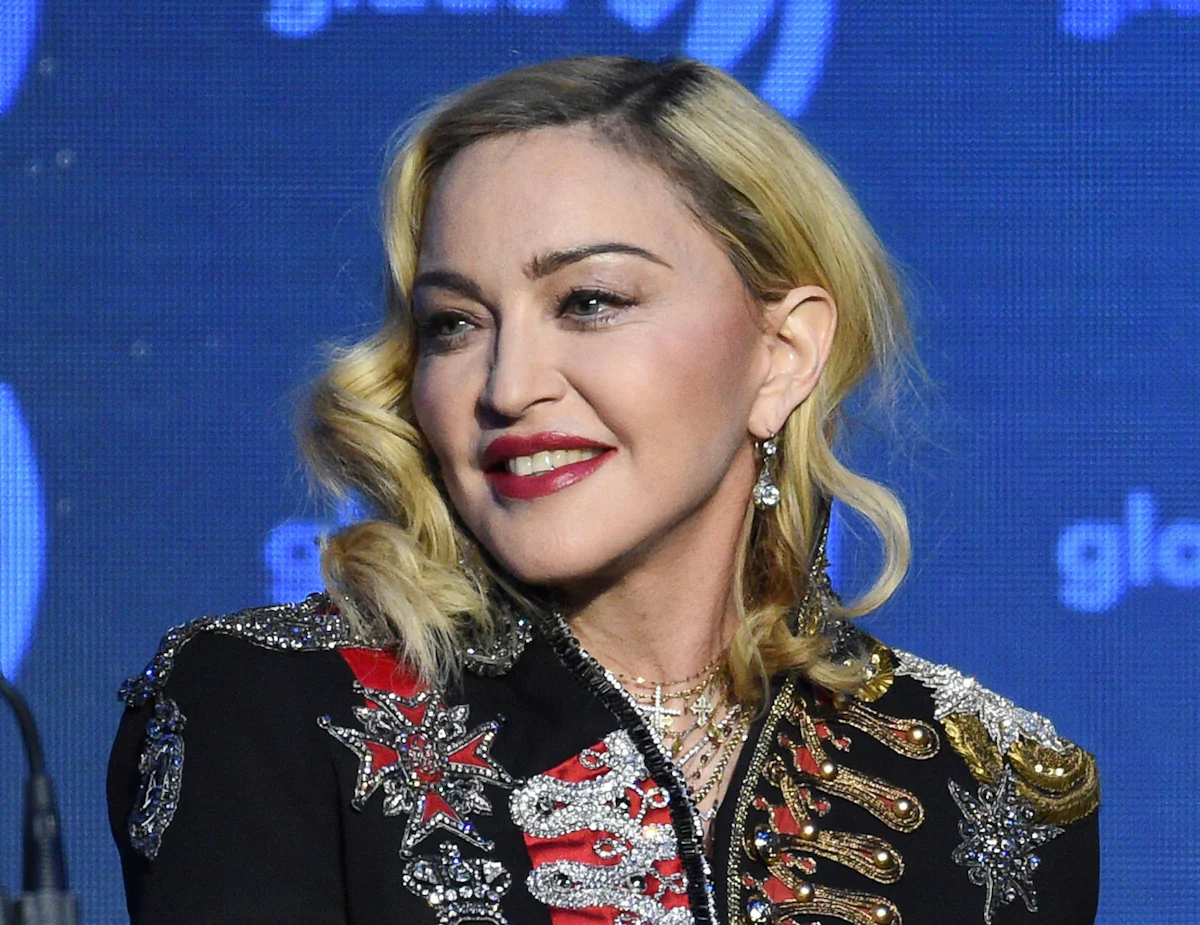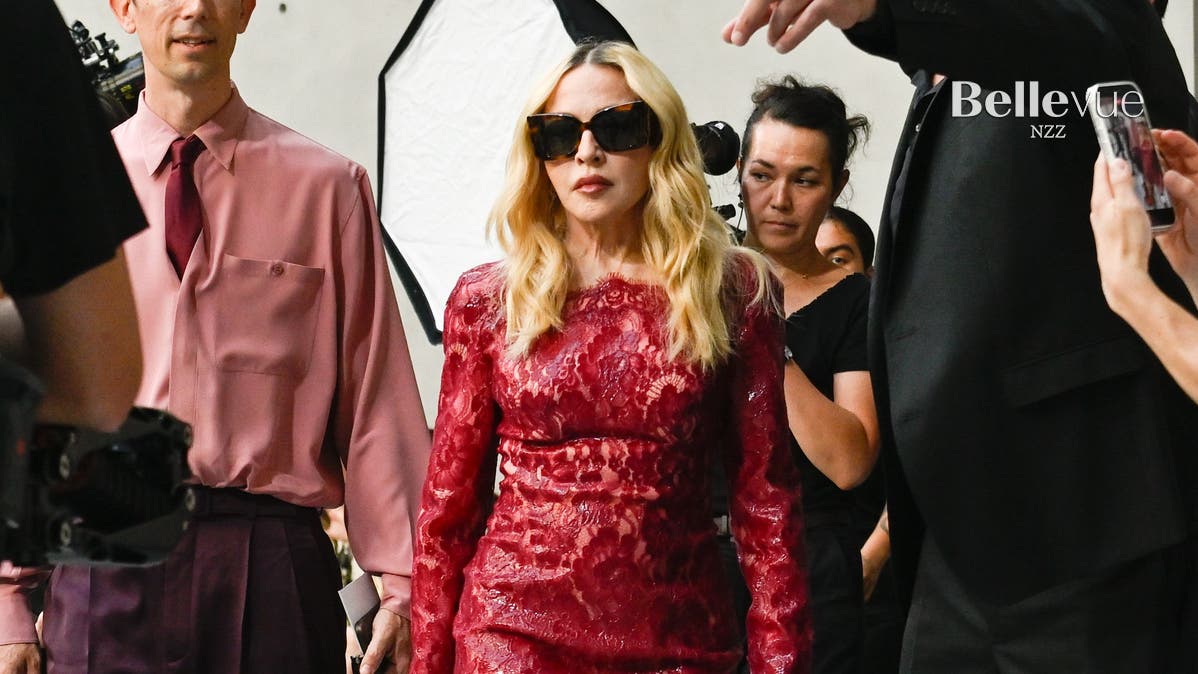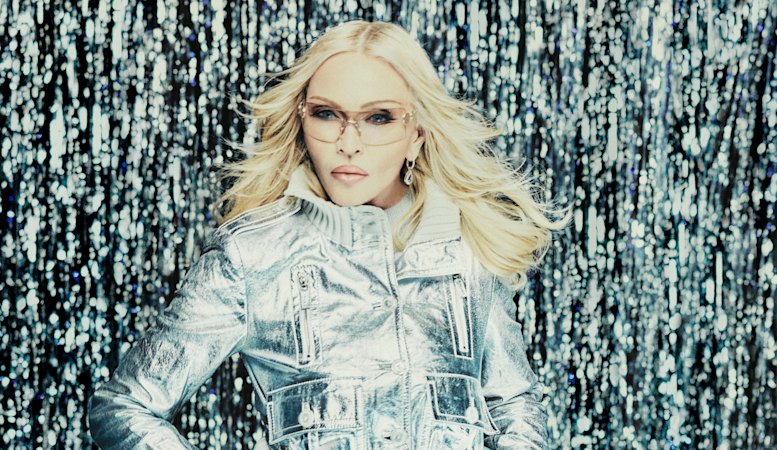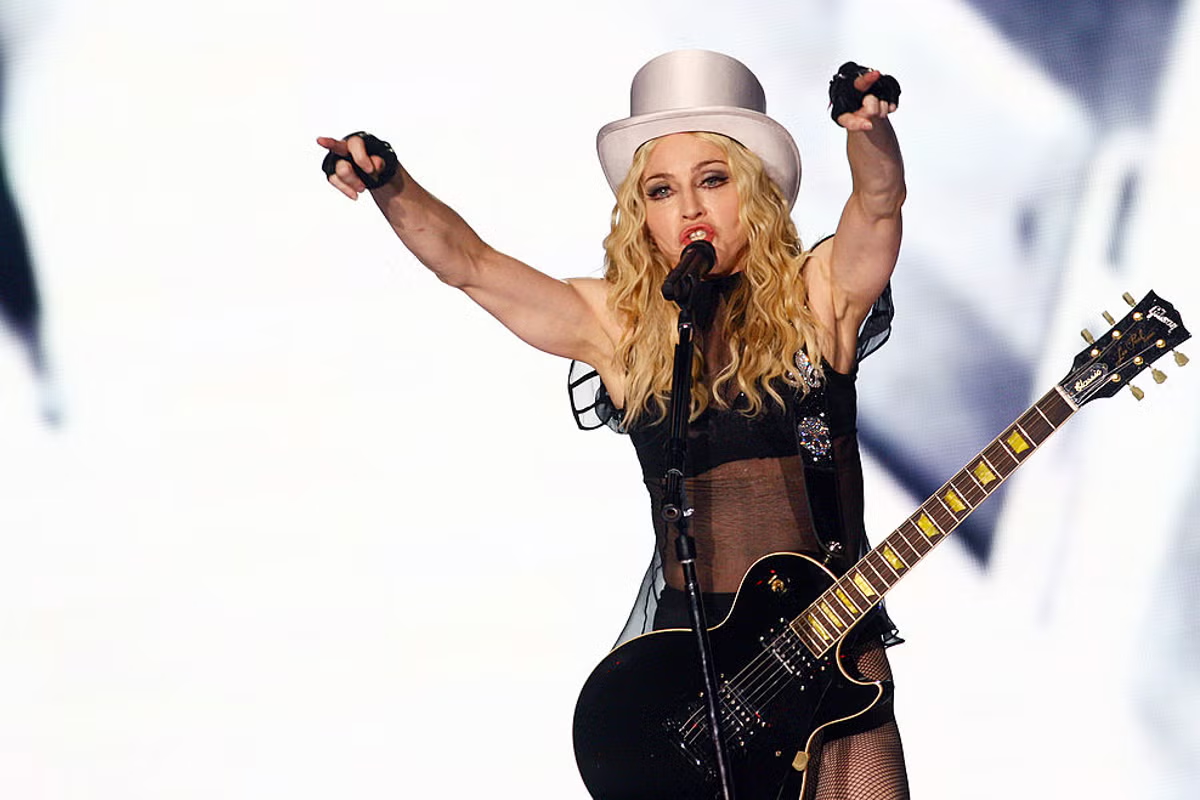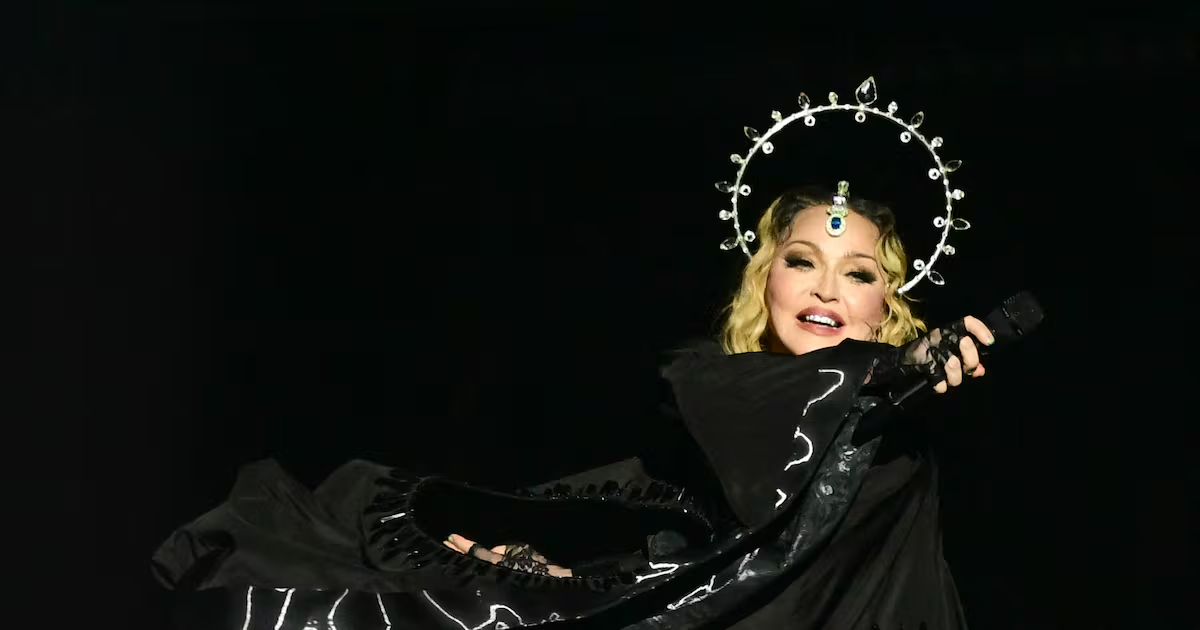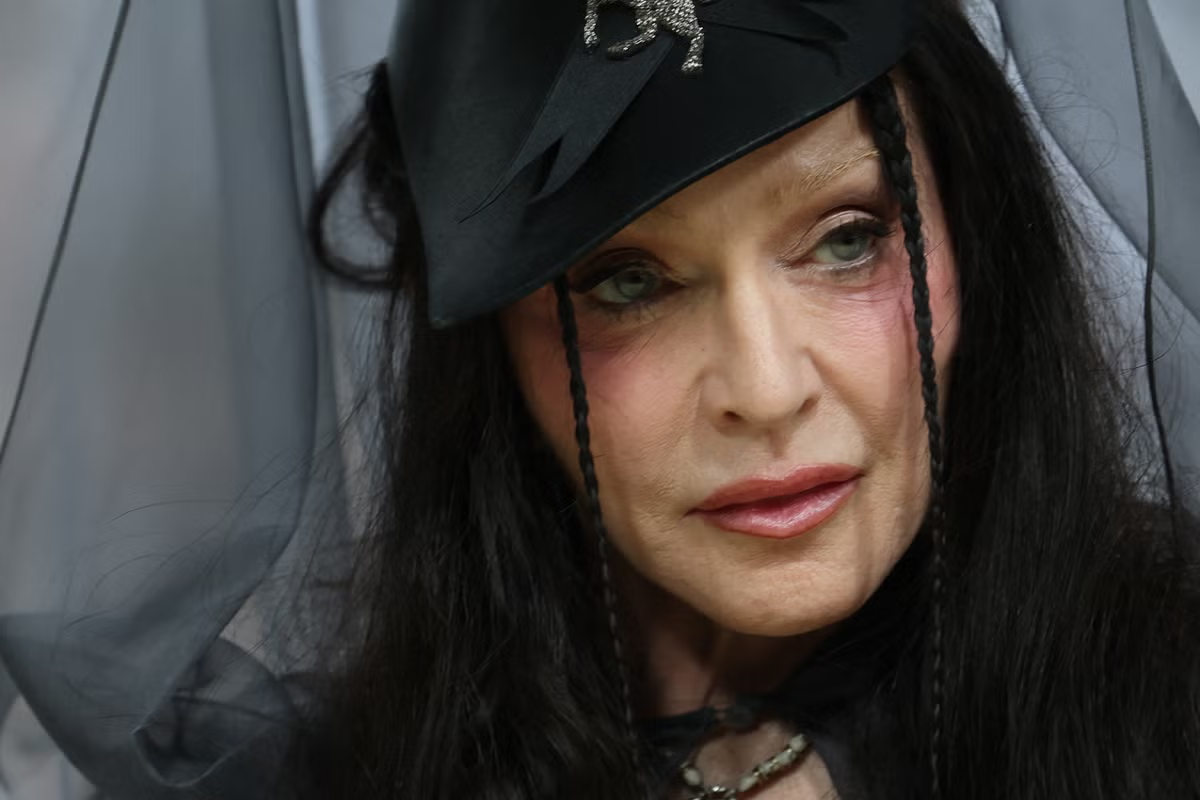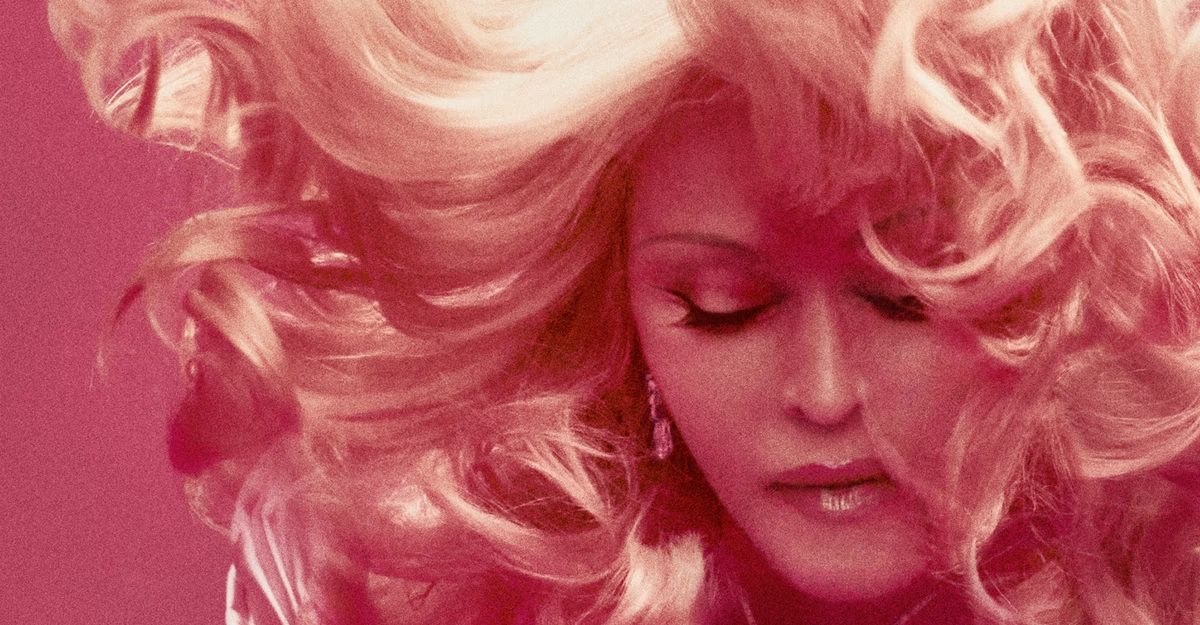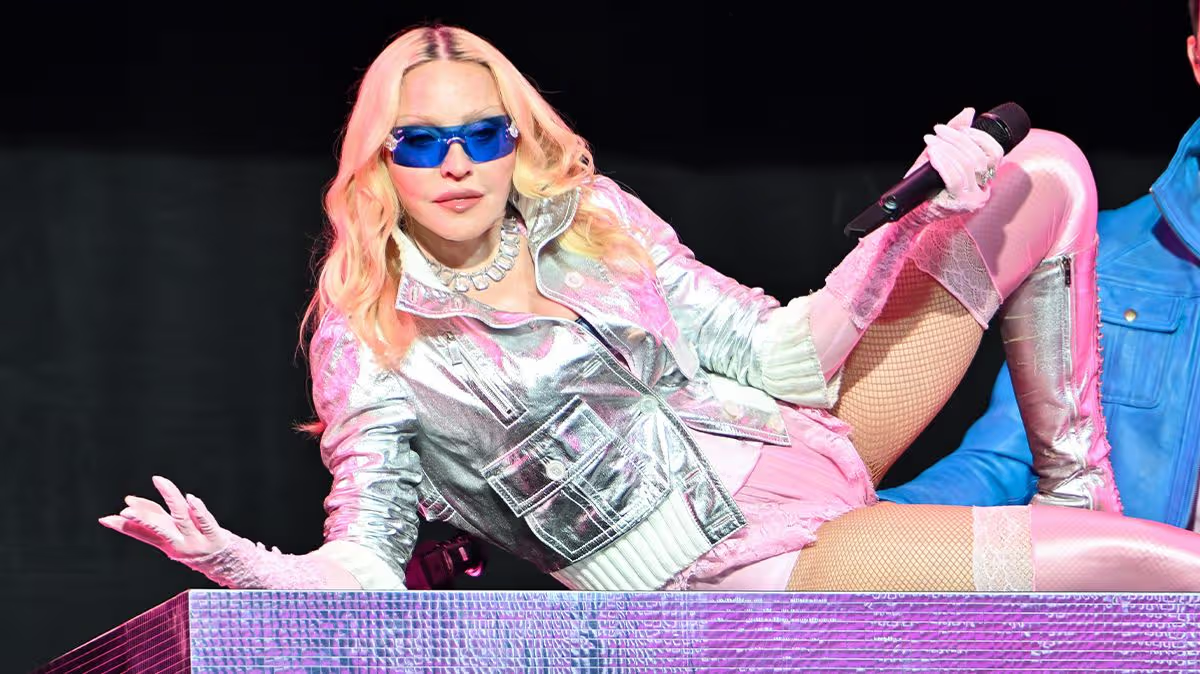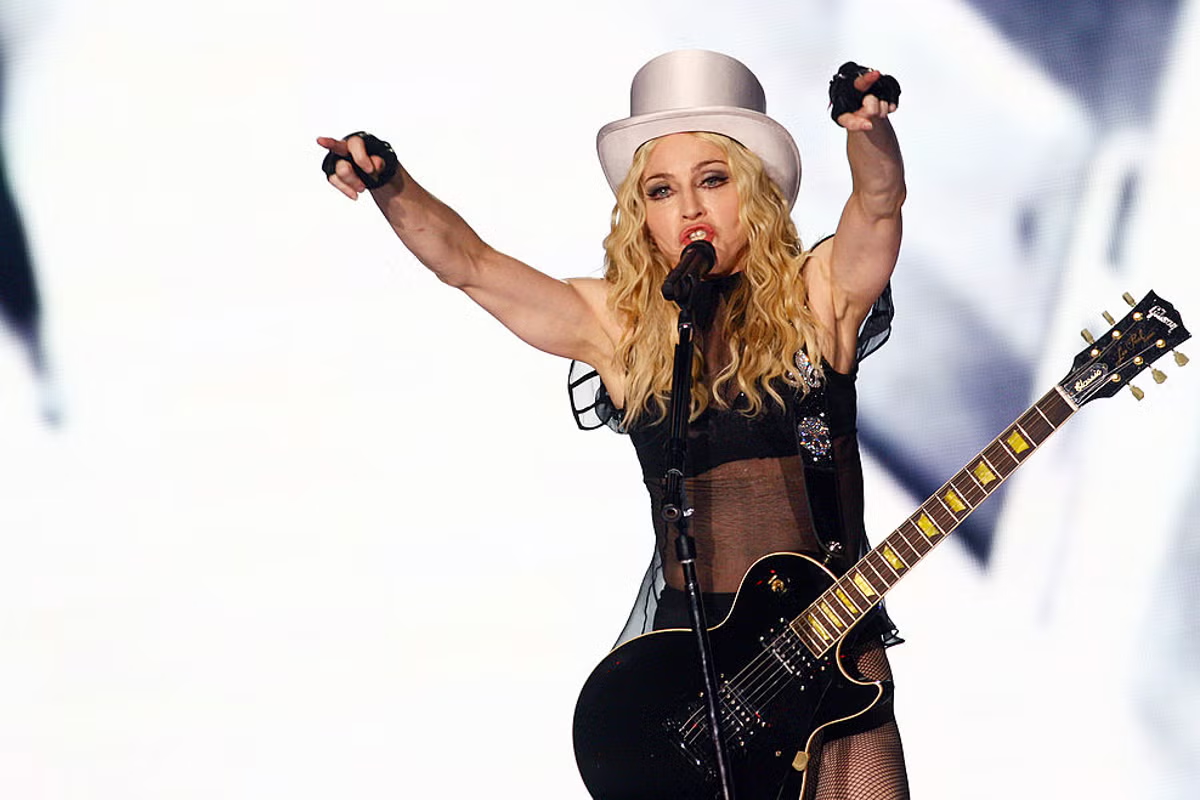
Every time she releases a new album, journalists and social media commentary insist that Madonna is over. They are usually, eventually, proven wrong.This debate has emerged again now Madonna is on the promotional circuit for her new album Confessions II. Despite the positive response to the music released so far, she is drawing controversy for her appearance and performances – surprise.Madonna’s contribution to music was never simply the hit records. It was demonstrating that a woman at the centre of popular culture could have an audacity that matched any applauded (male) rockstar.Madonna’s contribution to music was never simply the hit records (Getty Images)Now, just as it was back in the 1980s and early 1990s, that quality feels scarce in contemporary mainstream pop music. There are many more female artists in the 2020s, but there is no one as iconoclastic as Madonna, more than 40 years on from her debut.This is not to say today’s female artists lack talent. Quite the opposite. Popular music is filled with extraordinary singers, writers and performers (see Sabrina Carpenter, Taylor Swift, Ariana Grande et al). They are well-oiled, slick, inoffensive and easy to imagine the parental approval of teenage fans.Madonna built her career by refusing precisely that approach.There are many more female artists in the 2020s, but there is no one as iconoclastic as Madonna, more than 40 years on from her debut (Getty Images)From 1984’s Like A Virgin until the present day, she has made art that potentially jeopardised safe commercial success that became culturally significant because of its audacity.Some projects did not perform as expected: 2019’s Madame X did not connect with many. Some attracted furious criticism: 2005’s Hung Up created a cultural debate about the ageist sexism in early 2000s music. Others were misunderstood for years before being reassessed: 2003’s American Life was ahead of its time with its critique of George W. Bush and early noughties US society.The point is not that every provocation succeeded artistically. It is that she accepted the possibility of failure as the price of remaining culturally significant and having the audacity to say something beyond the solid harmonies and fantastic melodies. Madonna had a message and meaning.For women, significance beyond representationThe music industry has never been especially comfortable with women exercising power over both their image and their business. Female artists continue to encounter double standards around ageing, sexuality and ambition that male performers rarely experience.Madonna did not dismantle these structures. Instead, she repeatedly exposed them. The imagery for the Confessions II album shows Madonna in outfits she would have worn 35 years ago, and her refusal to acquiesce to society’s views of what a 68-year-old woman should wear, is exactly the reason she has an army of female fans supporting her, and why she matters.It isn’t the simple fact she is a woman, and improves the quota of female artists, it is the fact she is a woman with opinions and a provocative mind that matters.The music industry has never been especially comfortable with women exercising power over both their image and their business (Getty Images)Her importance to queer audiencesLong before LGBTQ+ identities gained mainstream acceptance, Madonna treated queer culture as a source of artistic innovation and fought for the community. She employed queer dancers, collaborated with gay creatives during the Aids crisis and brought elements of queer “ballroom” culture into mainstream visibility through Vogue.Those choices have since generated important debates about appropriation and cultural credit, particularly regarding the Black and Latino communities that created ballroom culture. Those criticisms deserve serious attention. But they should not obscure the fact that Madonna used unprecedented levels of mainstream visibility to platform queer aesthetics and queer people to audiences who might otherwise never have encountered them.Now, 35 years on and her new Confessions II album is positioned directly to her gay audience; the project is sponsored by queer dating app Grindr and she is tapping into Pride month performances to launch the record.This strategic partnership with Grindr is a first for the music industry, and given the salacious perceptions of the app, and the music videos and performances so far, it is clear this album is audaciously using a “sex sells” strategy for a 68-year-old female artist with a large gay audience. This is quintessential Madonna, and her gay audience is loving it.Madonna treated queer culture as a source of artistic innovation and fought for the community (Getty Images for NARAS)Why she matters now more than everEvery moral panic surrounding her career revealed less about Madonna herself than about society’s anxieties about female autonomy. Whether discussing gender, religion, sexuality, material consumerism or ageing, she has both ignited and contributed to society and culture’s big conversations.In her recent interview with Graham Norton for the BBC, her audacious nature shows no signs of slowing down; she persistently pushed back on his questions, and was quite clear when she did not want to answer.About the authorJoel Gray is an Associate Dean of Learning, Teaching, and Student Success and Lecturer in Media, Art and Communication, Sheffield Hallam University.This article was first published by The Conversation and is republished under a Creative Commons licence. Read the original article.It is rare to see anyone, especially a woman, be so confident and assured in their own skin. Many would want to appear likeable and hope for a positive reception so the audience would be warmed up to buy the record, but Madonna is less polished popstar and more confident rockstar, her answers felt more like those of Ozzy Osbourne, Jonny Rotten and Liam Gallagher in their swag and attitude.Not every artist should aspire to be Madonna. But every generation needs an iconoclast: someone prepared to risk popularity in pursuit of possibility and to ignite debate and conversation.You might love her or hate her, but in an age increasingly governed by algorithms, metrics and carefully managed authenticity, that may be Madonna’s most relevant legacy of all: queer-infused female audacity. There is no one like her, and she is needed now more than ever.
Why Madonna still matters more than ever
Every time she releases a new album, journalists and social media commentary insist that Madonna is over. They are usually, eventually, proven wrong
997 words~5 min read