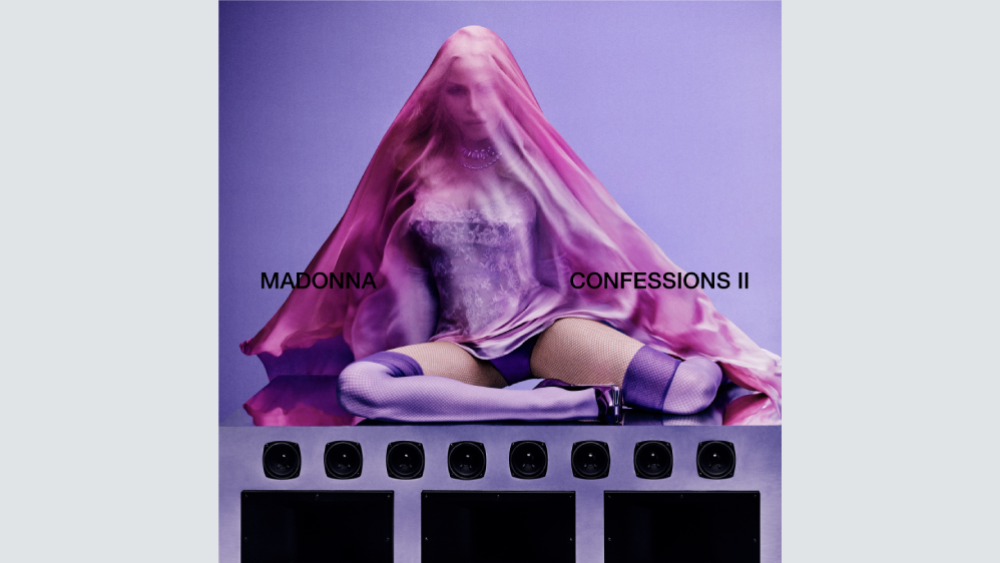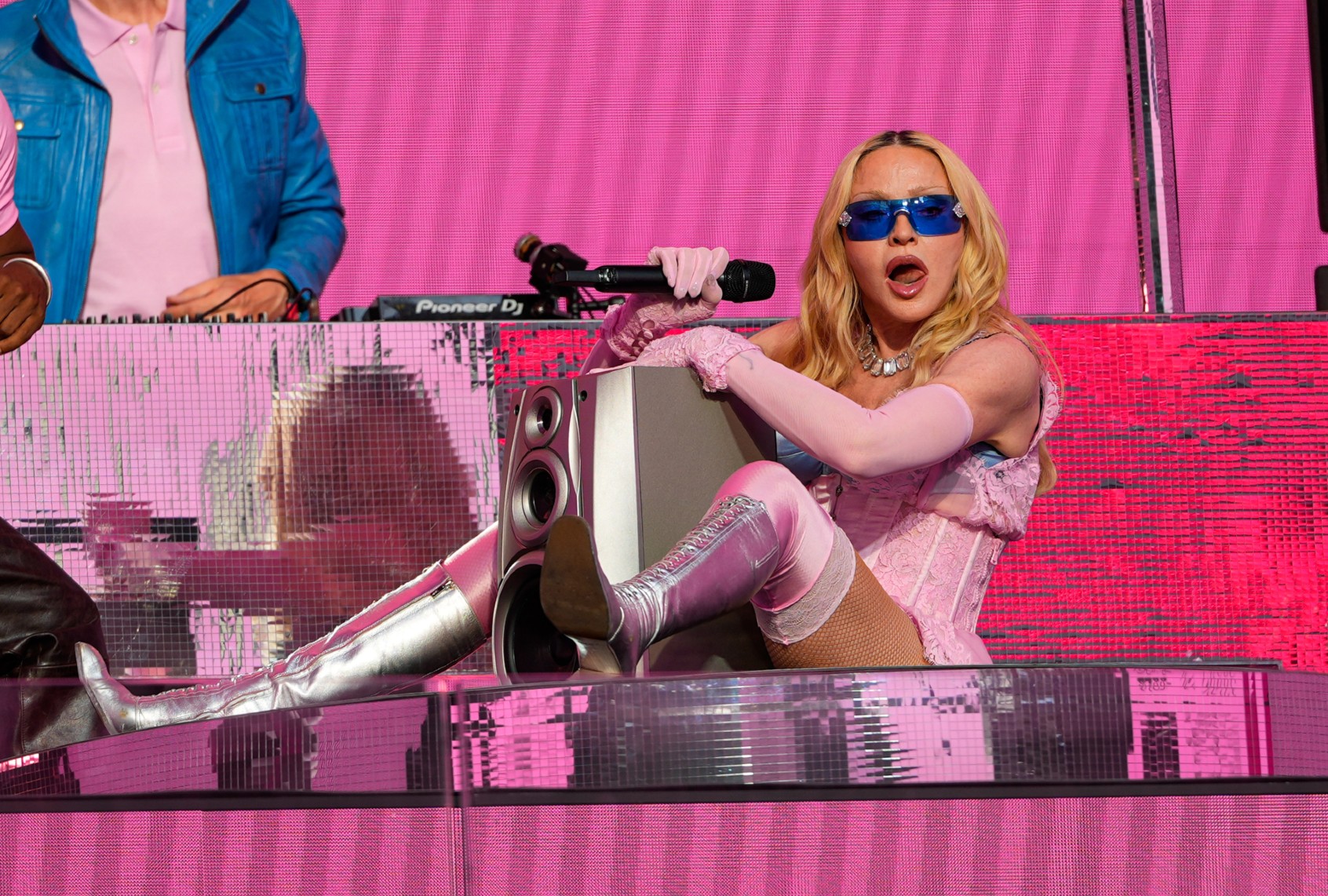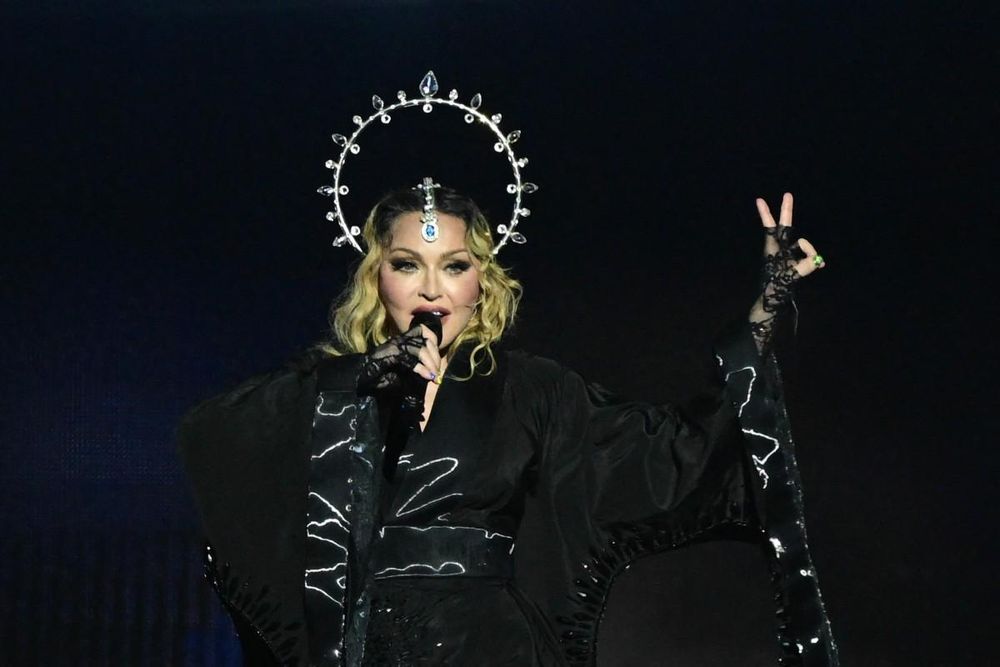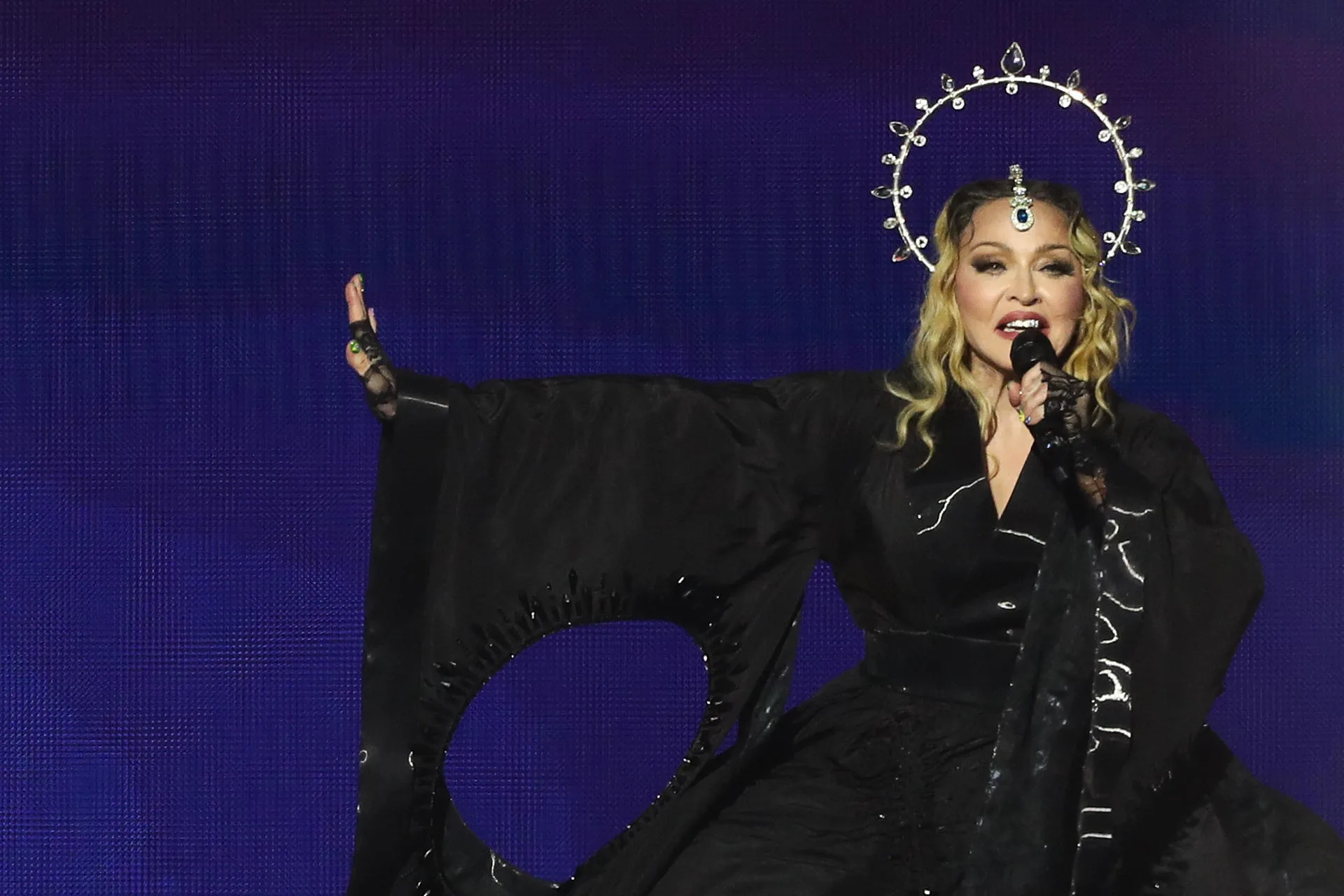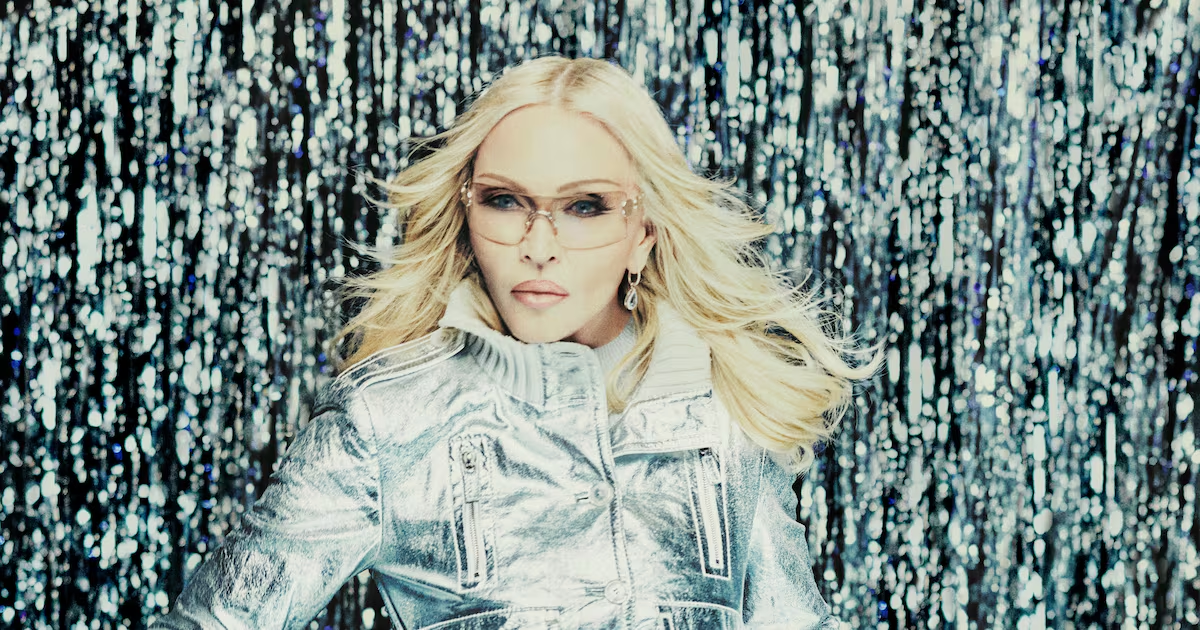
Confessions II Artist: MadonnaLabel: Warner RecordsEveryone has their favourite Madonna, from the lock-up-your-sons force of nature behind Like a Virgin and Papa Don’t Preach to the shredder of taboos who danced with St Martin de Porres in the video for her song Like a Prayer.In the case of Madonna herself, the suspicion is that the chapter of her career she cherishes most dearly is her early-21st-century ascension to sovereign of the discotheque, a period that achieved its zenith on her last truly essential album, Confessions on a Dance Floor, from 2005. Arriving just when Madonna was starting to look more old hat than old school, the project was a career-rebooting collaboration with the then voguish producer Stuart Price, illuminated by Madonna’s enthusiasm for Detroit techno and the early rave scene. (There was grit, too, the project being initially hatched in Price’s London bedsit.)She returns to that universe of all-night DJ sets and spinning glitterballs with Confessions II, which boldly reasserts her belief that the dance floor is a place both of bliss and escapism and of emotional growth and self-realisation – that it’s where you go to forget yourself and to discover who you really are.Disco euphoria pulsates through an album that is in some ways as much a physical experience as a musical one: its opening track, I Feel So Free, unleashes denture-rattlingly ferocious beats for an effective if unoriginal Giorgio Moroder pastiche on which Madonna, half-singing, half-whispering, urges the listener to “meet her on the dance floor”.You have to credit her with taking on the curse of the sequel album and coming out on the winning side. Follow-up records are in almost every instance the worst idea to pursue. That has proved immutable, be it Meatloaf’s overcooked Bat Out of Hell II (which had the apt subtitle Back into Hell) or Hallo Spaceboy, David Bowie’s graceless and redundant Ashes to Ashes follow-up. Pop simply isn’t a medium that lends itself to revisiting old territory. It’s all about the new.Nobody has told Madonna. She breezes past any misgivings fans might have, as well as the obvious pitfall of turning into your own karaoke act. In any case, Confessions II is different: a sequel with an edge, it’s defined by a melancholy that feels almost beyond the artist’s conscious control. It’s as if she set out to make a certain kind of LP only to be hijacked by the memories the process unleashed.That’s not how the album starts, however. Confessions II opens with what is essentially a 20-minute suite of tracks built around a looping barrage of house beats. These offer a podium from which Madonna holds forth on the joy of losing yourself under the lights.[ All Madonna’s albums rated, in reverse order – from unlistenable to sublimeOpens in new window ]Confessions II truly gets into the groove only when Madonna moves on from rhapsodising about the dance floor – and from a forgettable Sabrina Carpenter cameo, on Bring Your Love – and starts to look back at her life.In that regard the crucial track is the fifth song, Danceteria. Against a satisfyingly crunchy house bassline, she delivers an affecting oral history of the early-1980s New York downtown scene, in which Madonna name-drops the many figures who played cameos in her life. They include Mark Kamins, the iconic DJ (and her early boyfriend) at Danceteria, the New York nightclub after which the track is named; and the artist Jean-Michel Basquiat, her late lover.From this point on the album locks into a melancholic worldview, caught in the relentless tractor beam of Madonna’s nostalgia. The track Fragile, with its ethereal drum and bass, is a heartstring-yanking tribute to her late brother Christopher Ciccone (a backing dancer in her early career). Her duet with her daughter Lourdes, on the movingly tender electroacoustic ballad The Test, finds her wrestling with the guilt she feels about dragging her family into the spotlight without their permission.The LP’s closing song, LES Girl, is even more poignant, as Madonna ruminates on her early days in New York and a fleeting romance that was destined to die as she fixated on fame. “Everything fades away ... except for you,” she croons, sounding full of doubt. It’s a wrenching conclusion to what is, paradoxically, the most confident record she has put out for years.
Madonna: Confessions II review – The star’s most confident record for years
Confessions II boldly reasserts Madonna’s belief that the dance floor is where you go to forget yourself and discover who you really are
720 words~3 min read