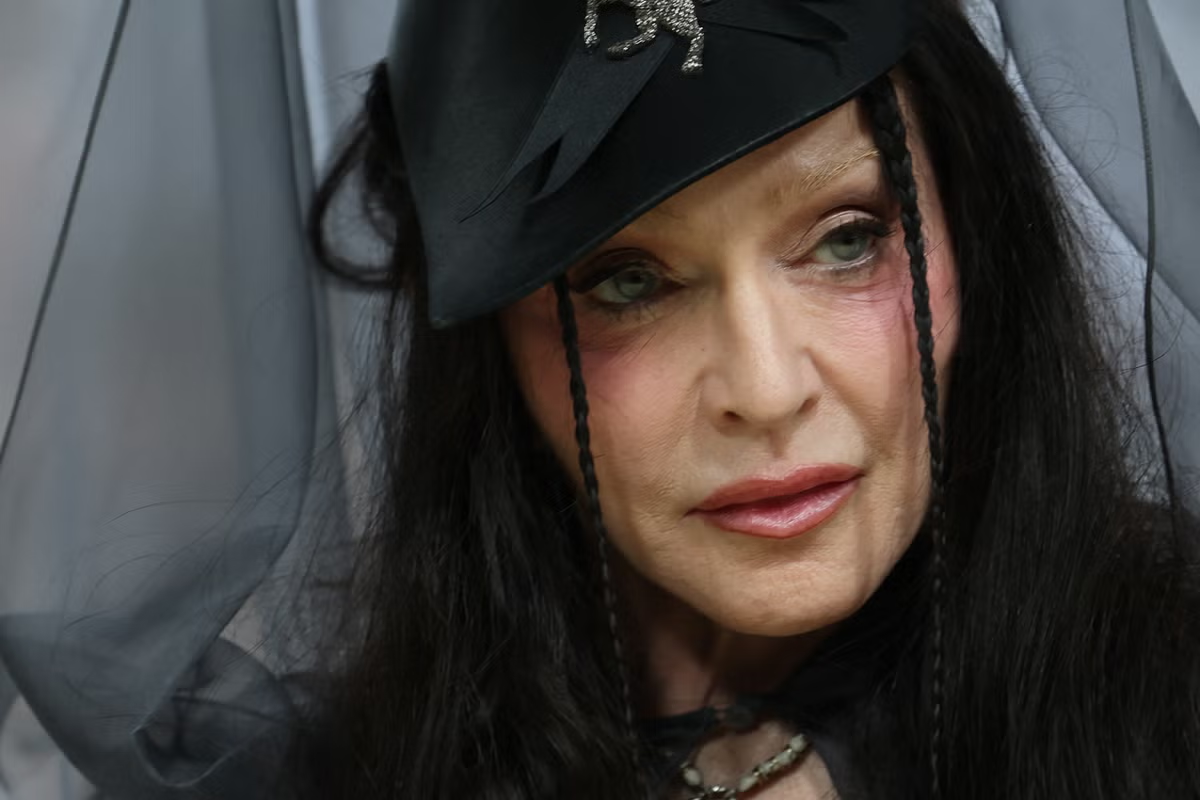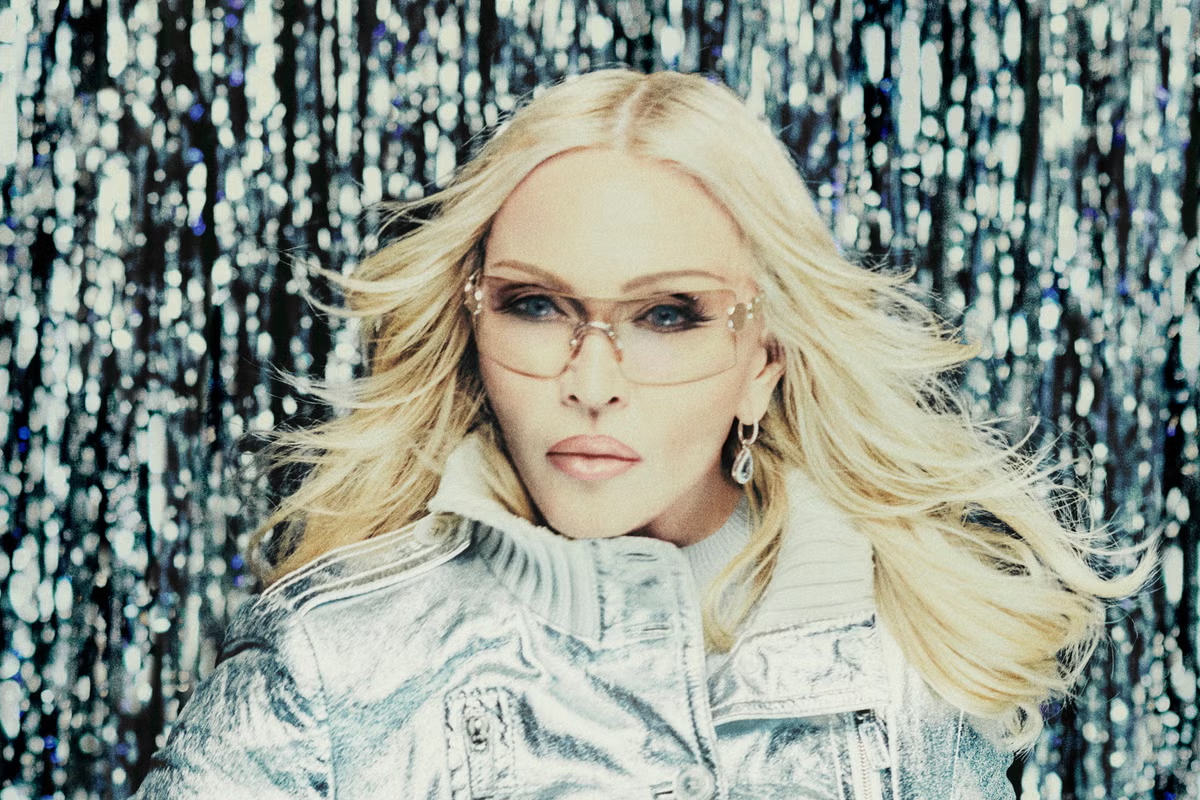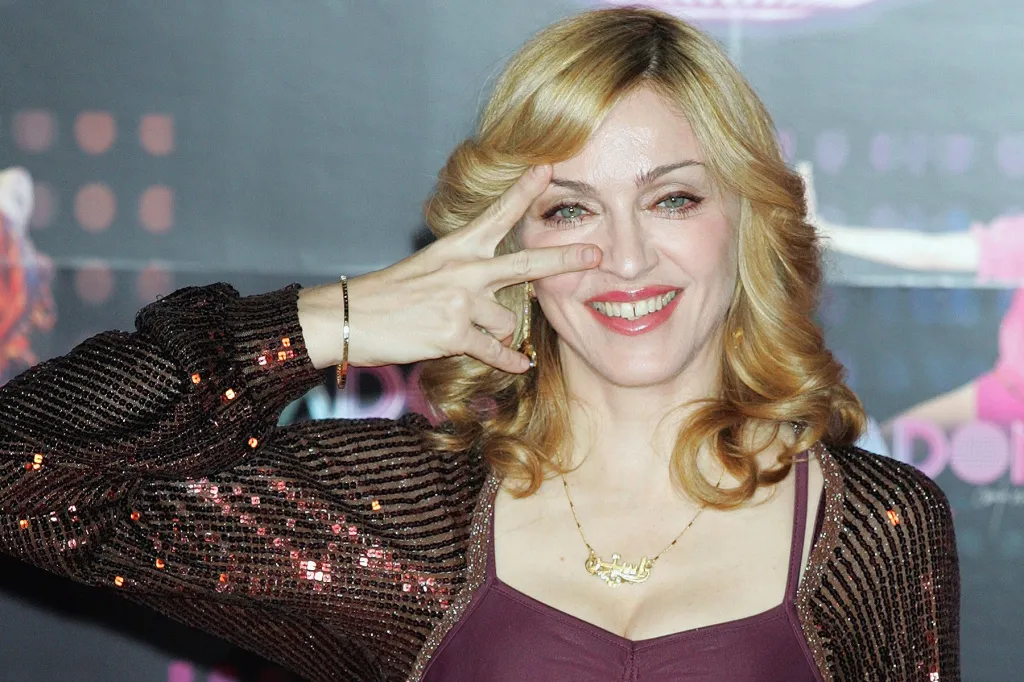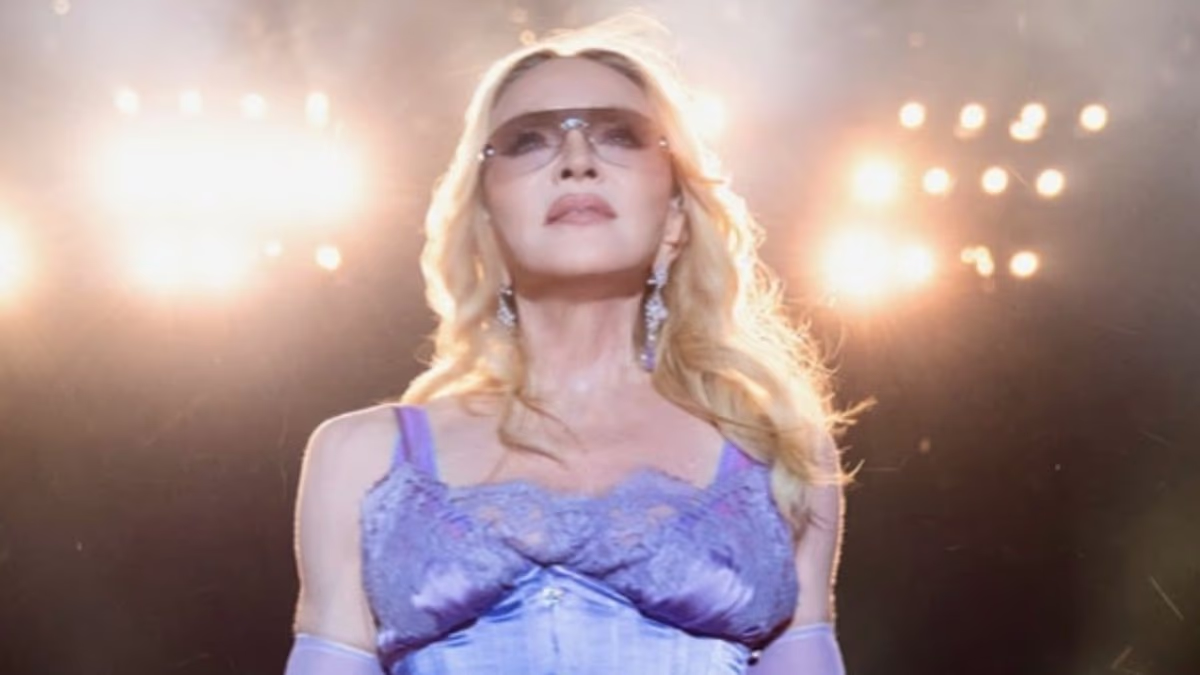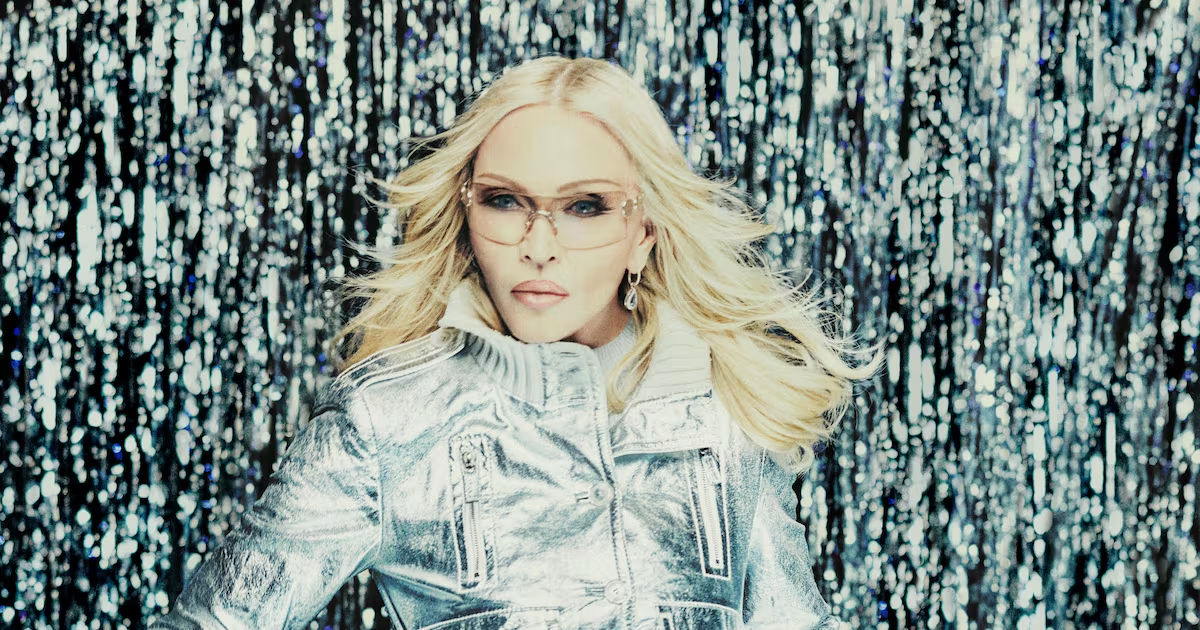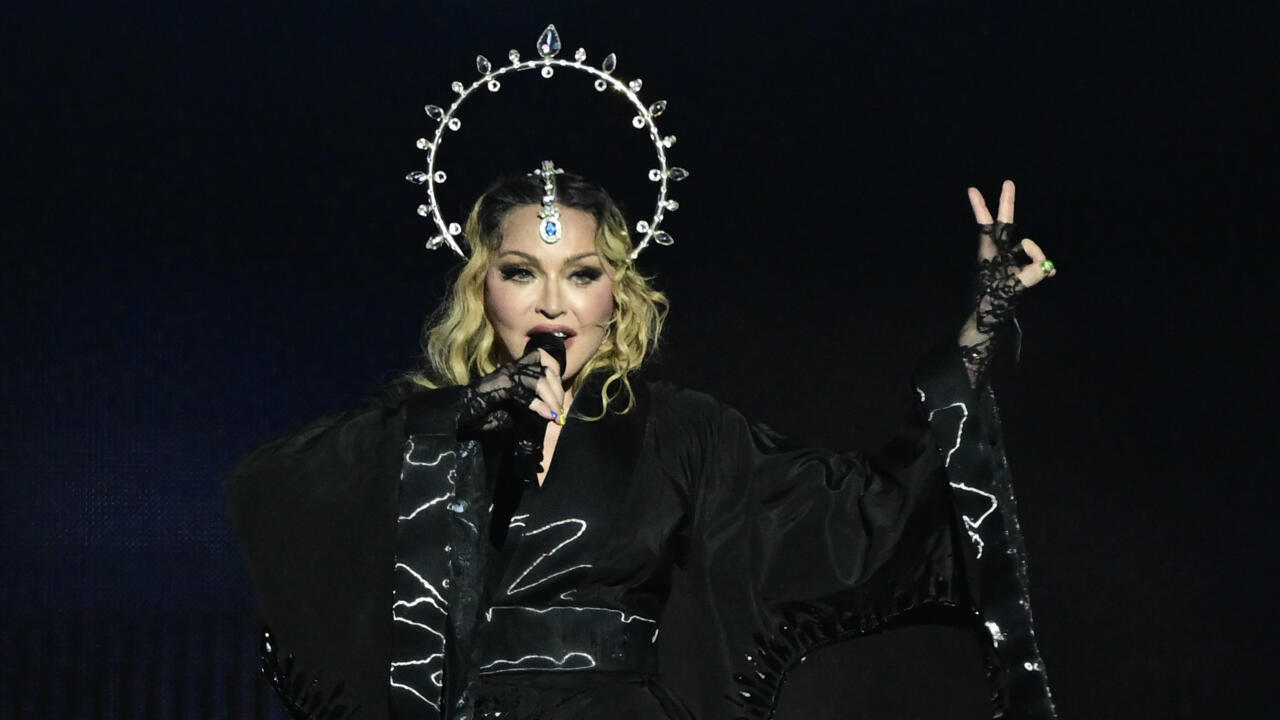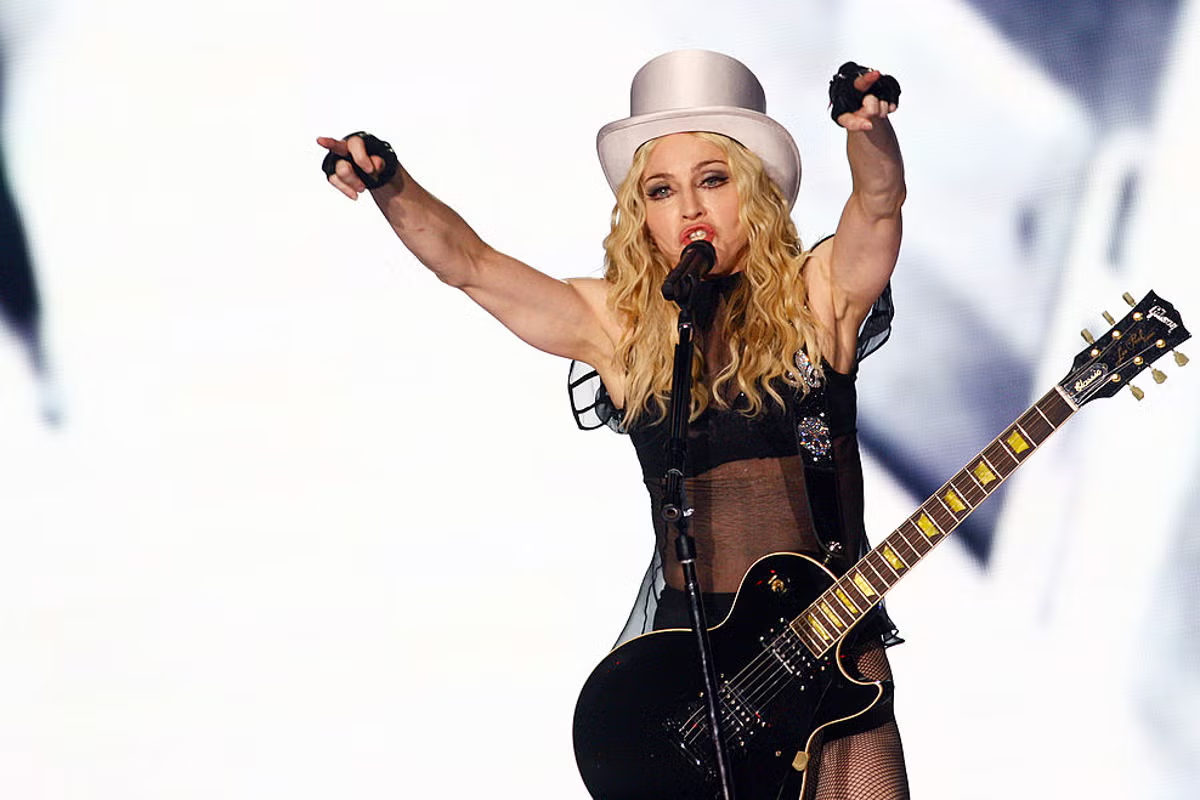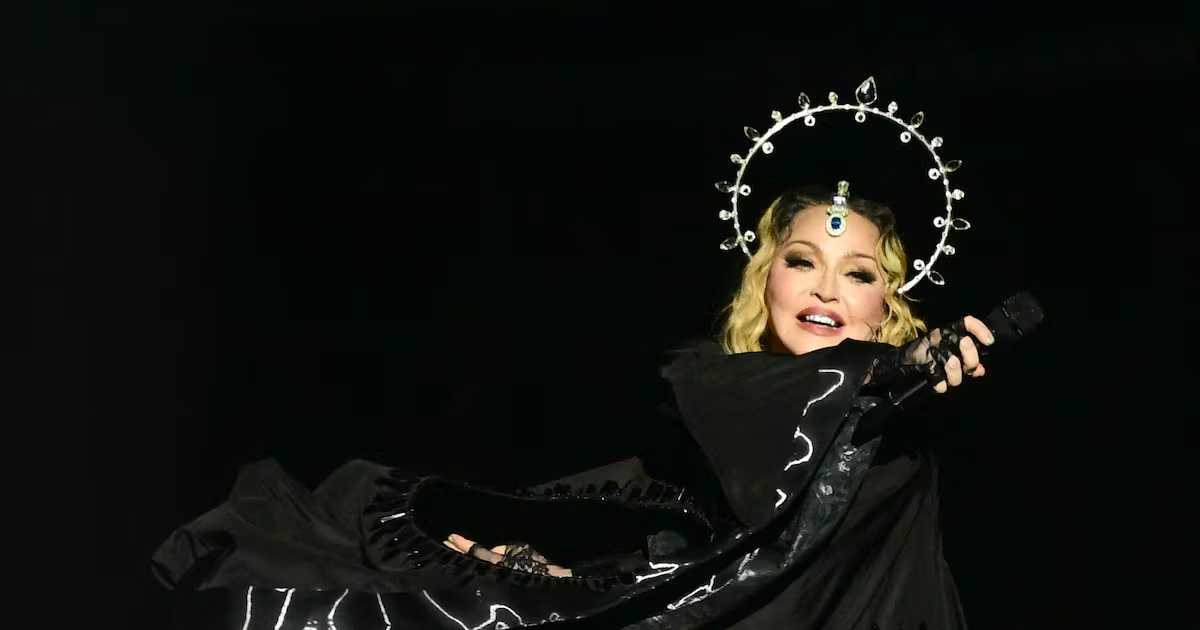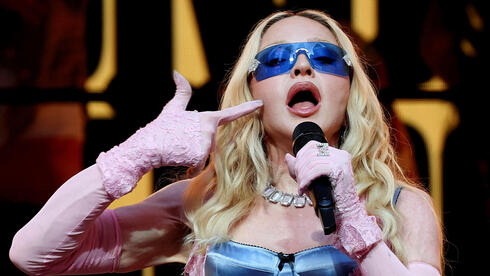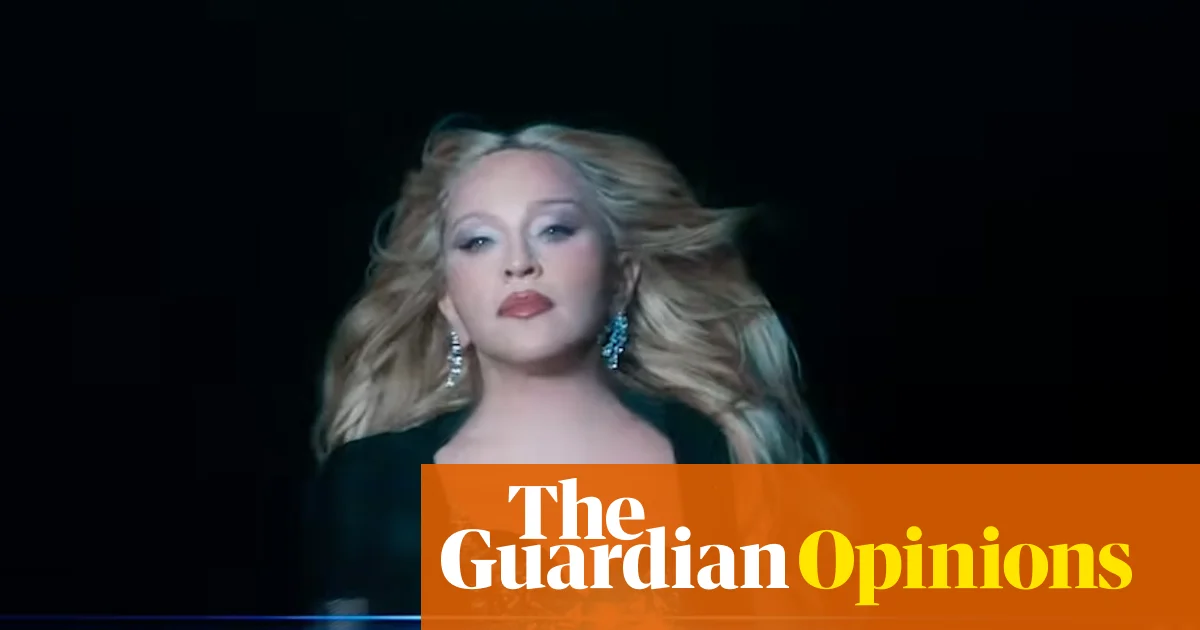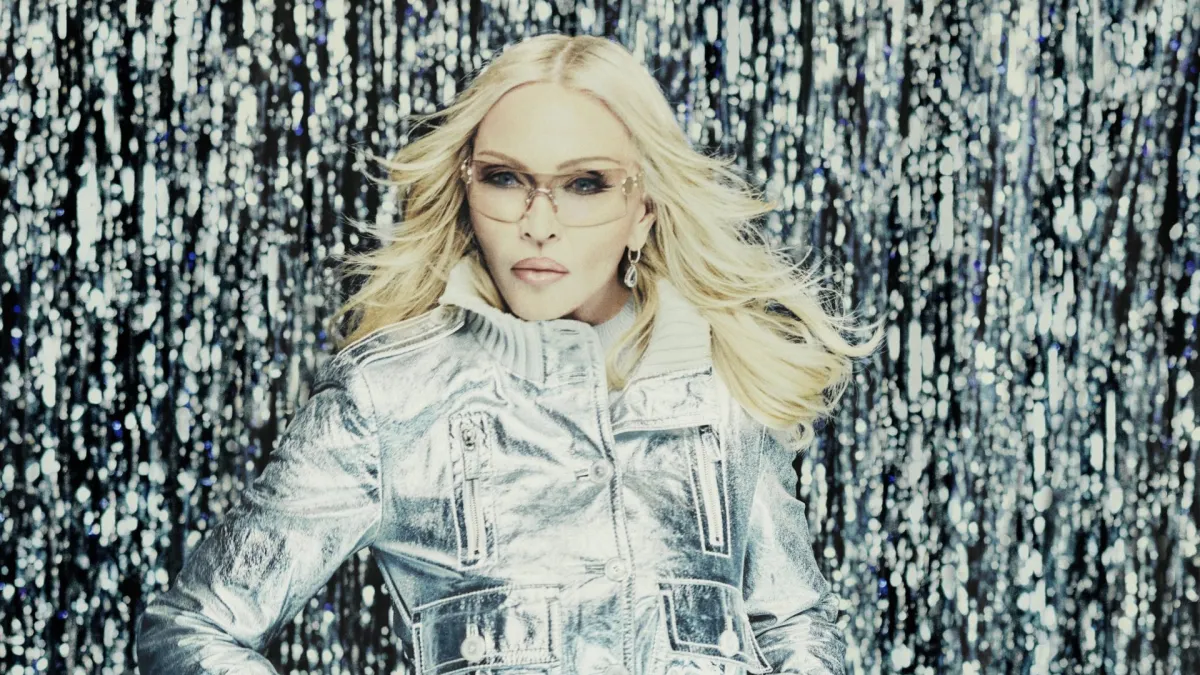
Back in 2023, there was a furore about Madonna’s face. At the Grammys that year, Madonna – who was also dating a 29-year-old – appeared dramatically different, her lips inflated, her cheeks full and smooth. The backlash to the photographs made it abundantly clear that women are in an impossible bind: be criticised for looking old and haggard or be humiliated for succumbing to the pressure to look younger than they are.
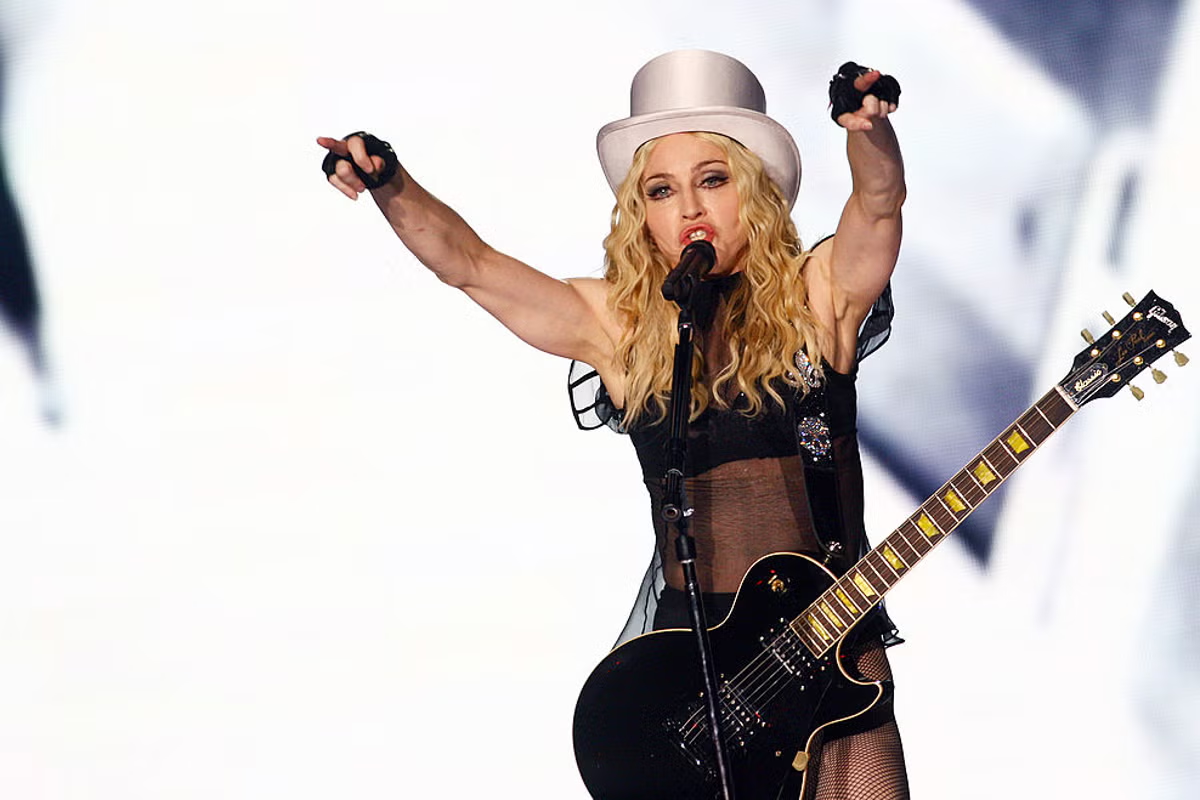
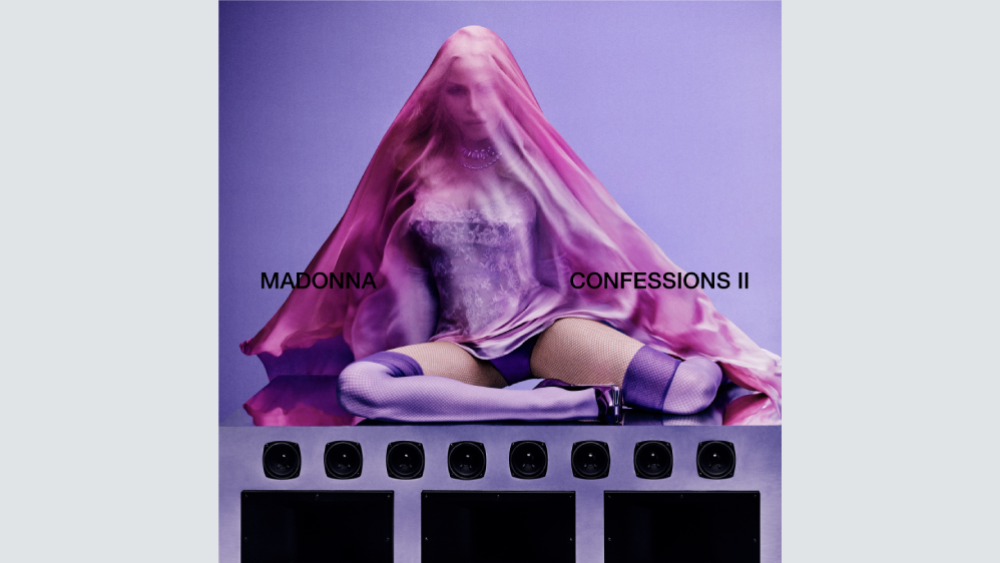
This is all par for the course for Madonna, who has been criticised for age-related indiscretions since she was about 40. She’s 68 now, and, as she releases her new album, Confessions II (a follow-up to 2005’s Confessions on a Dancefloor), her refusal to do what people think she should do feels, genuinely, more radical than ever. I don’t say that to be sycophantic. This album, with its pounding bass, darkly sexual rhythms and calls for freedom challenges our deeply entrenched expectations of women in music, and women in general.
“I can be whoever I wanna be,” she whispers on the opening track, “I Feel So Free” – and this has always been her motto. In Mary Gabriel’s recent biography, Madonna: A Rebel Life, she wrote that in the star’s 1992 photobook Sex she “inhabited all the stereotypes that patriarchal society concocted for women – dutiful daughter, gamine, blond bombshell, adoring wife, bitch – in her pursuit of a new woman, a person who exercised her power freely”.