29 June 2026
Depletion of the ozone layer has been traced mainly to the widespread use of industrial chlorofluorocarbon chemicals, but there might have been an additional culprit.
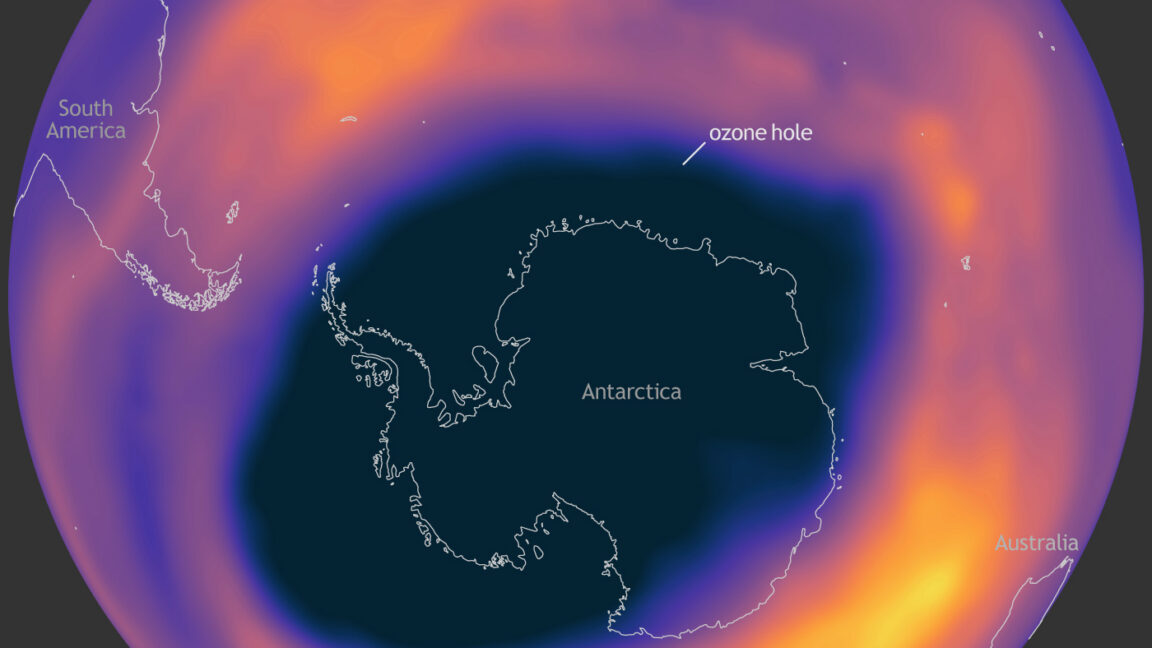
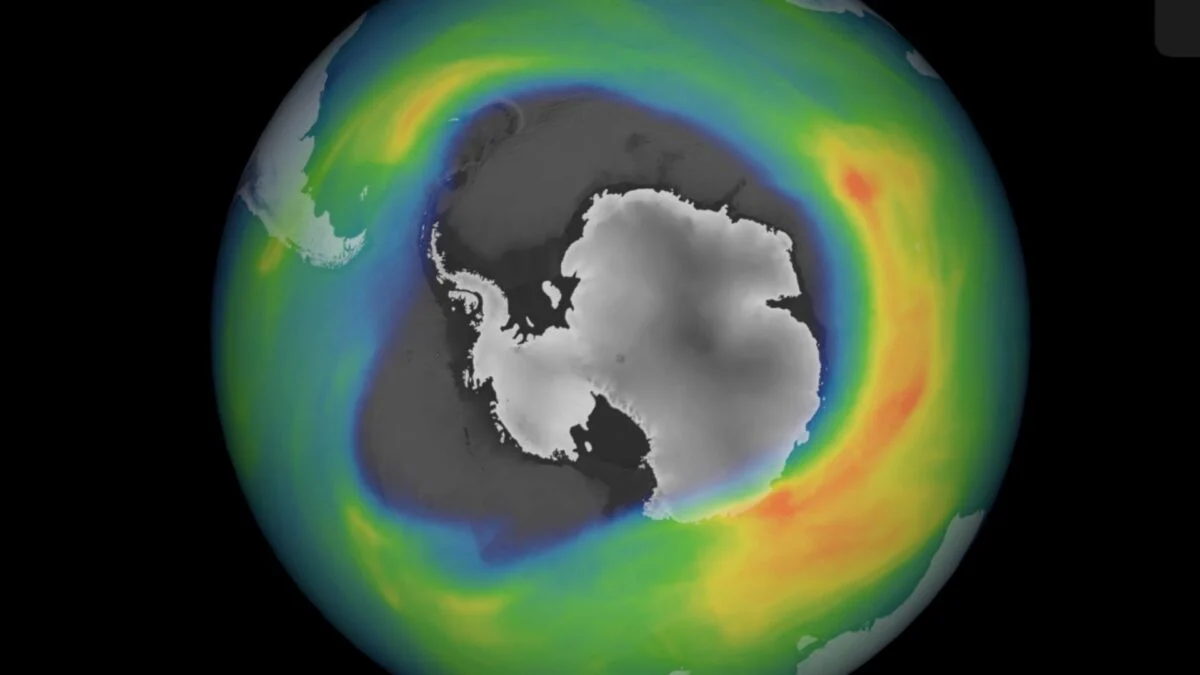
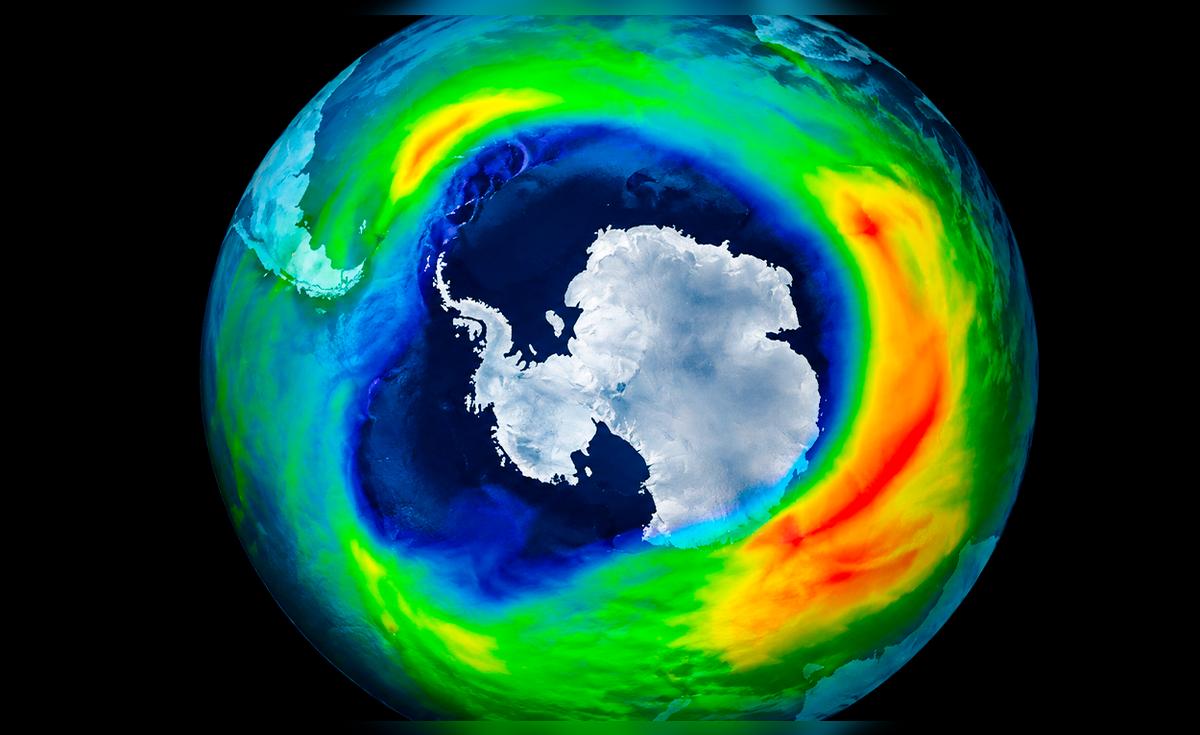
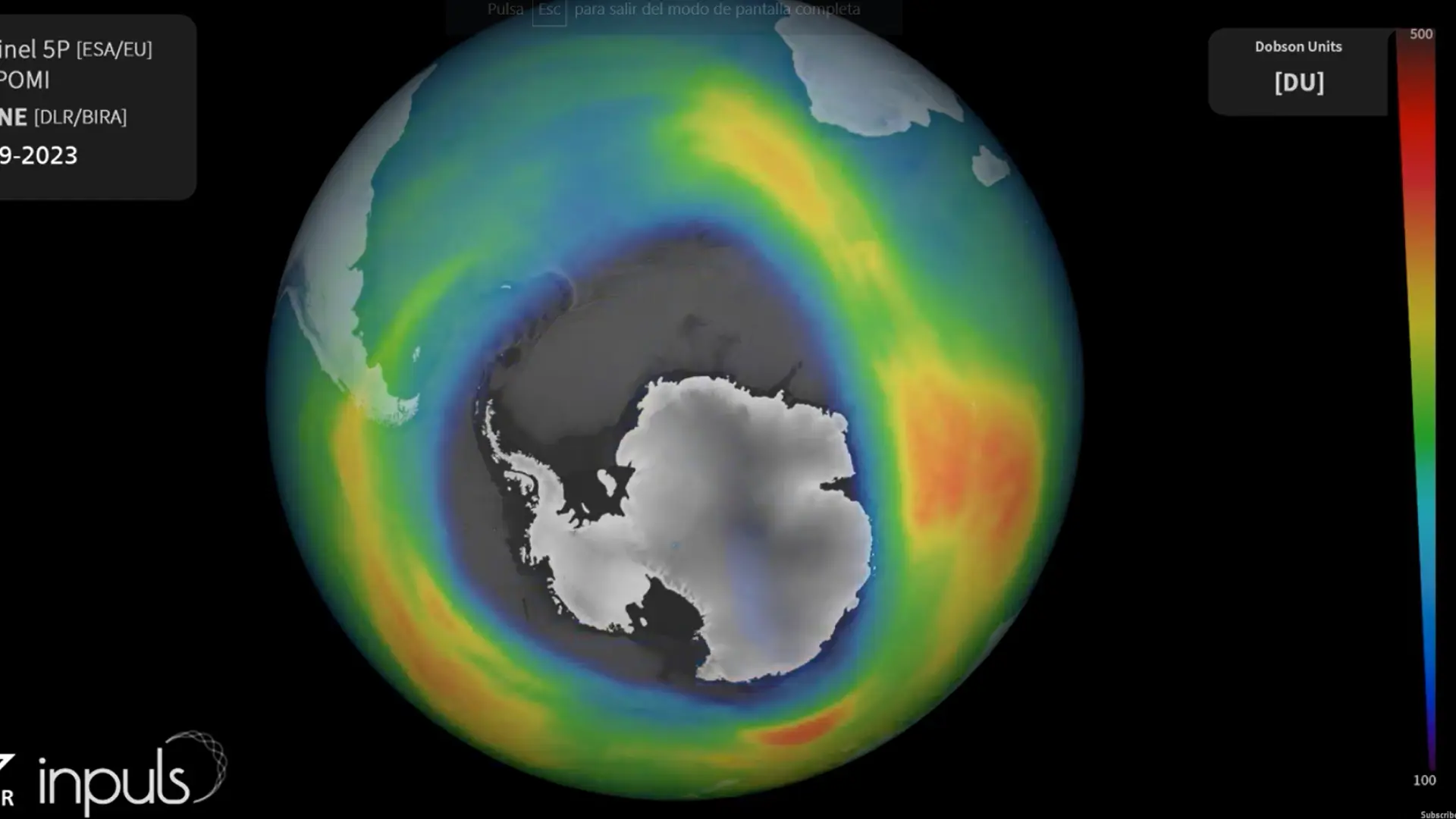
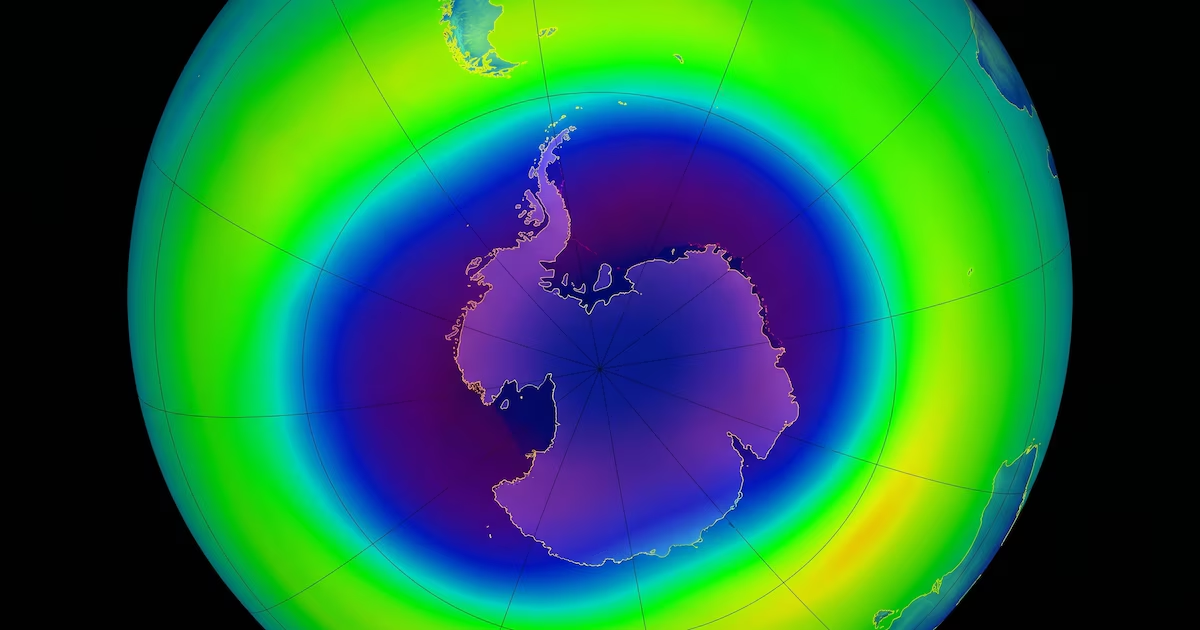
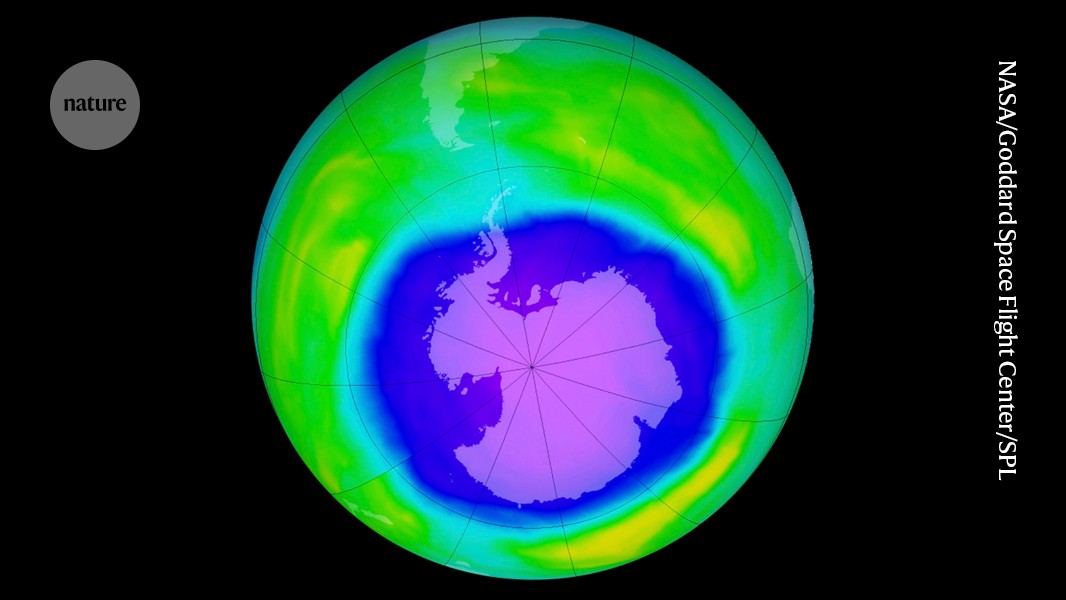
The ozone hole (blue) in 2015 was one of the largest on record. Modelling shows that ozone depletion would have been detectable with modern methods in the 1950s. Credit: NASA/Goddard Space Flight Center/SPL
The first signs of human activities destroying atmospheric ozone could have been spotted in the late 1950s1. That’s decades before the 1985 discovery of the Antarctic ozone hole, which led to the world’s most successful environmental treaty.
Access options