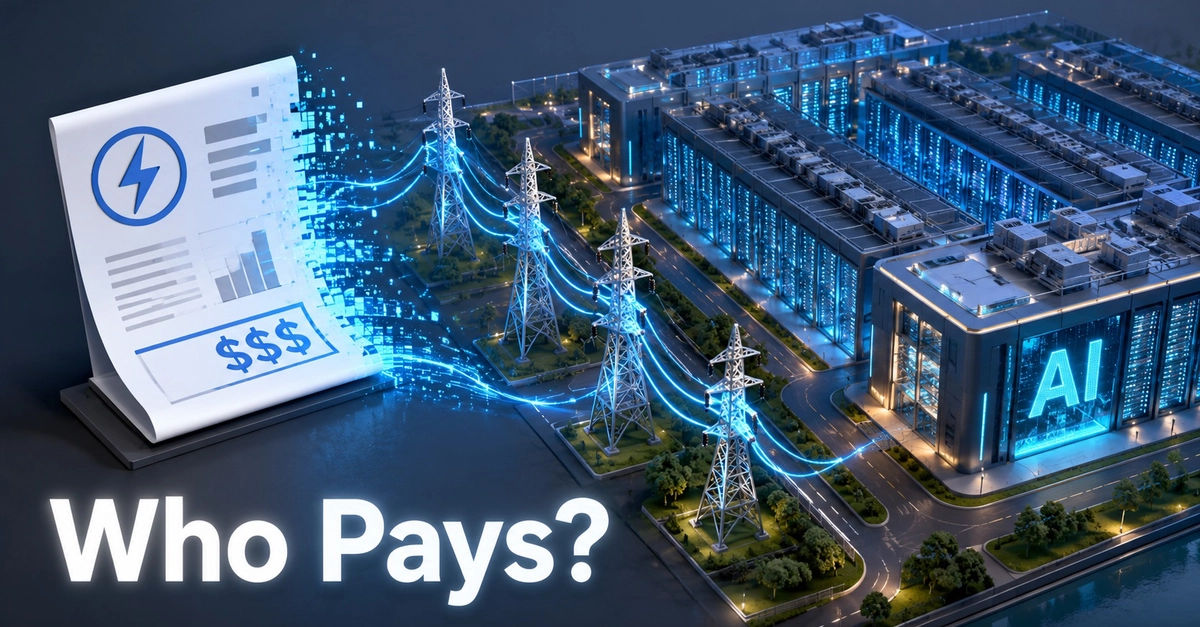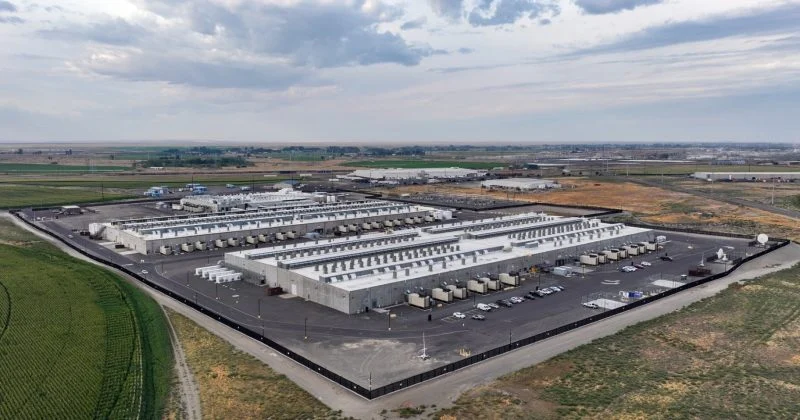
Congress just told Big Tech to pay its own electricity bill. The Ratepayer Protection Act, a bipartisan federal bill introduced on June 18, 2026, would require large-load electricity consumers, primarily AI data centers, to cover all incremental costs of grid upgrades needed to support their operations.
What the bill actually does
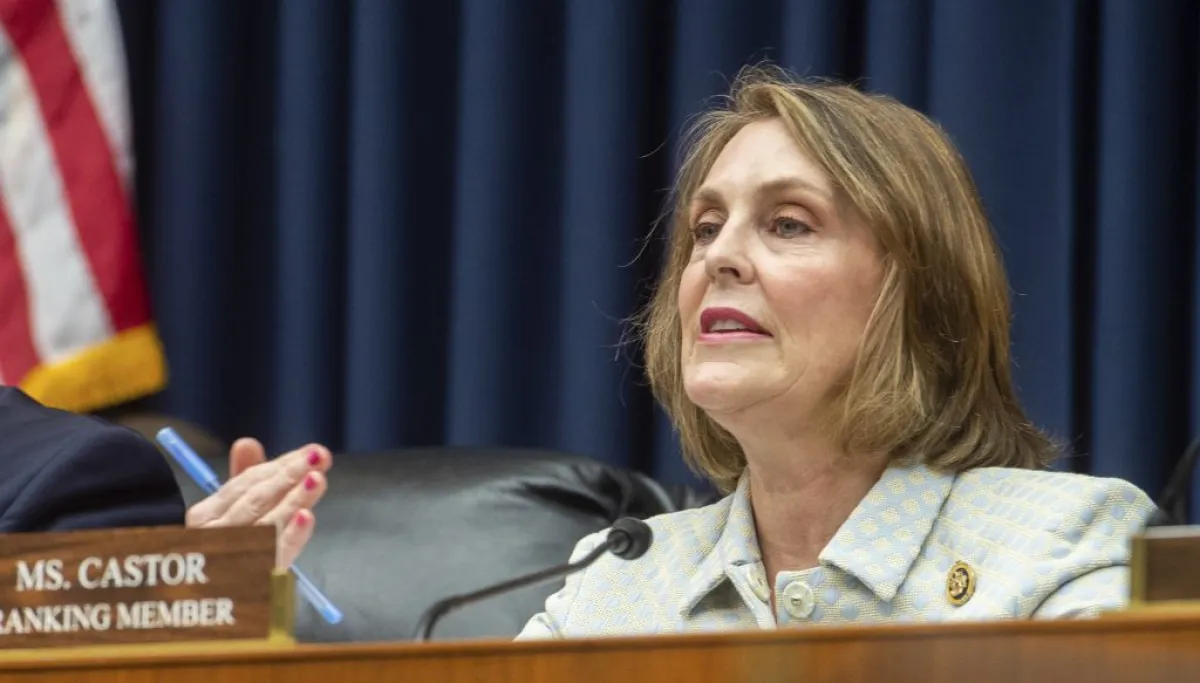
H.R. 9340, introduced by Rep. Gabe Evans (R-CO) and co-sponsored by Rep. Kathy Castor (D-FL), targets what it classifies as “large-load customers.” That means anyone requiring 100 megawatts or more of electricity. In English: that’s roughly enough power to supply 80,000 homes simultaneously.
The legislation mandates state regulators to implement special rates or agreements ensuring these mega-consumers pay for the grid infrastructure their operations demand. No more socializing the cost of a new substation across grandma’s utility bill because Meta needed another data center in rural Virginia.
Rep. Brett Guthrie (R-KY), chairman of the House Energy and Commerce Committee, has been a vocal supporter. He’s framed the bill as striking a balance between encouraging technological progress and keeping electricity affordable for regular households and small businesses.