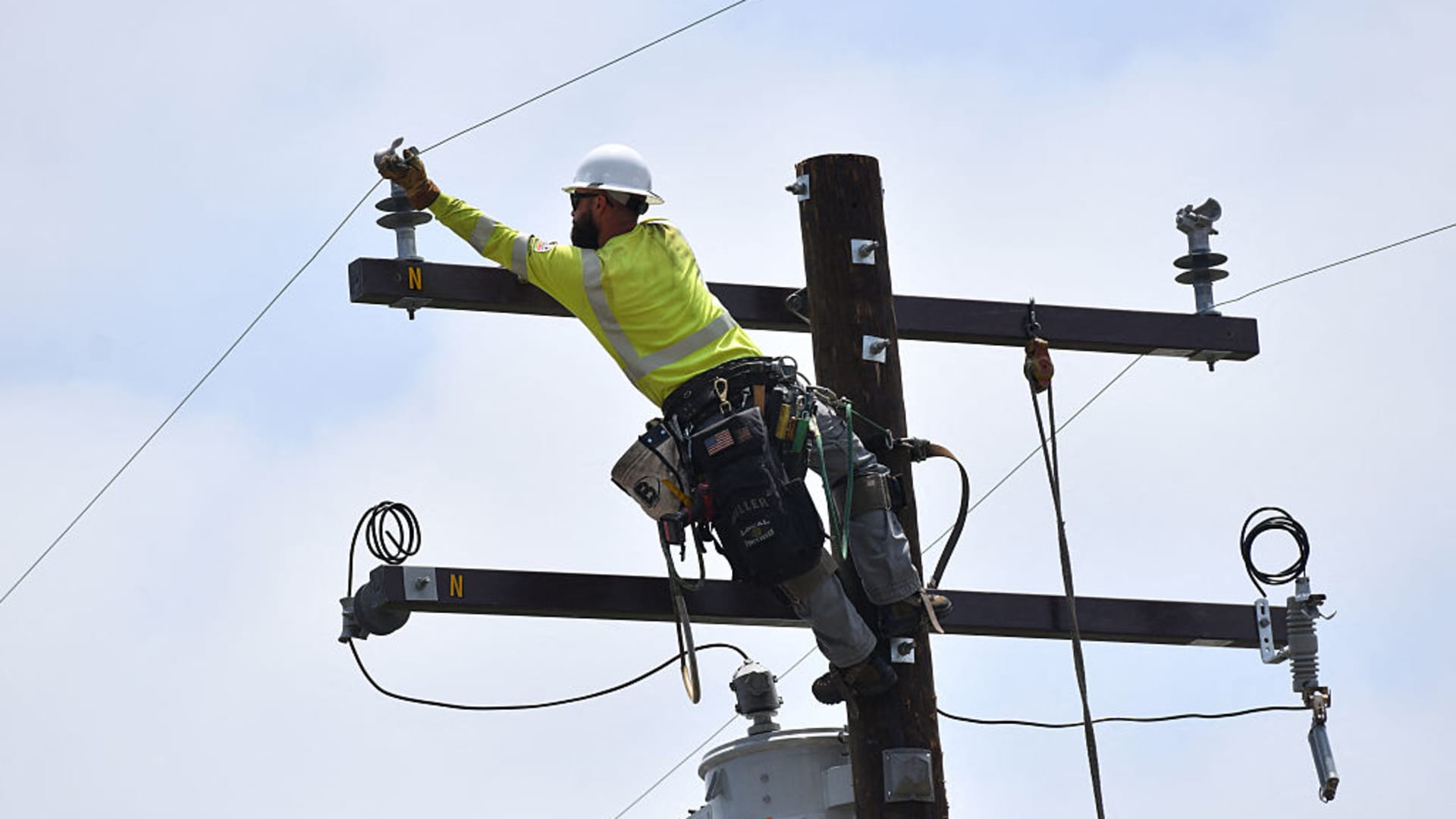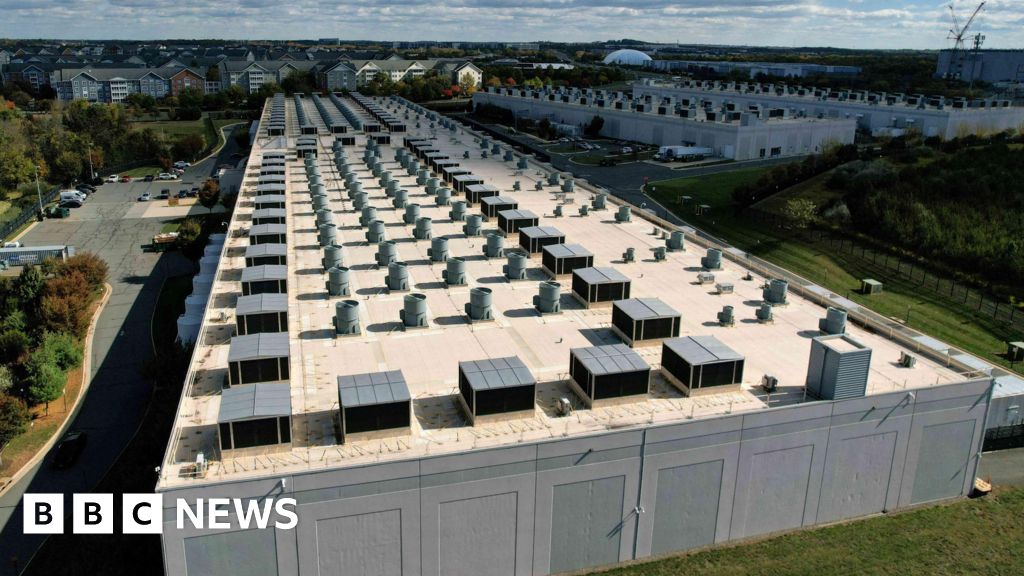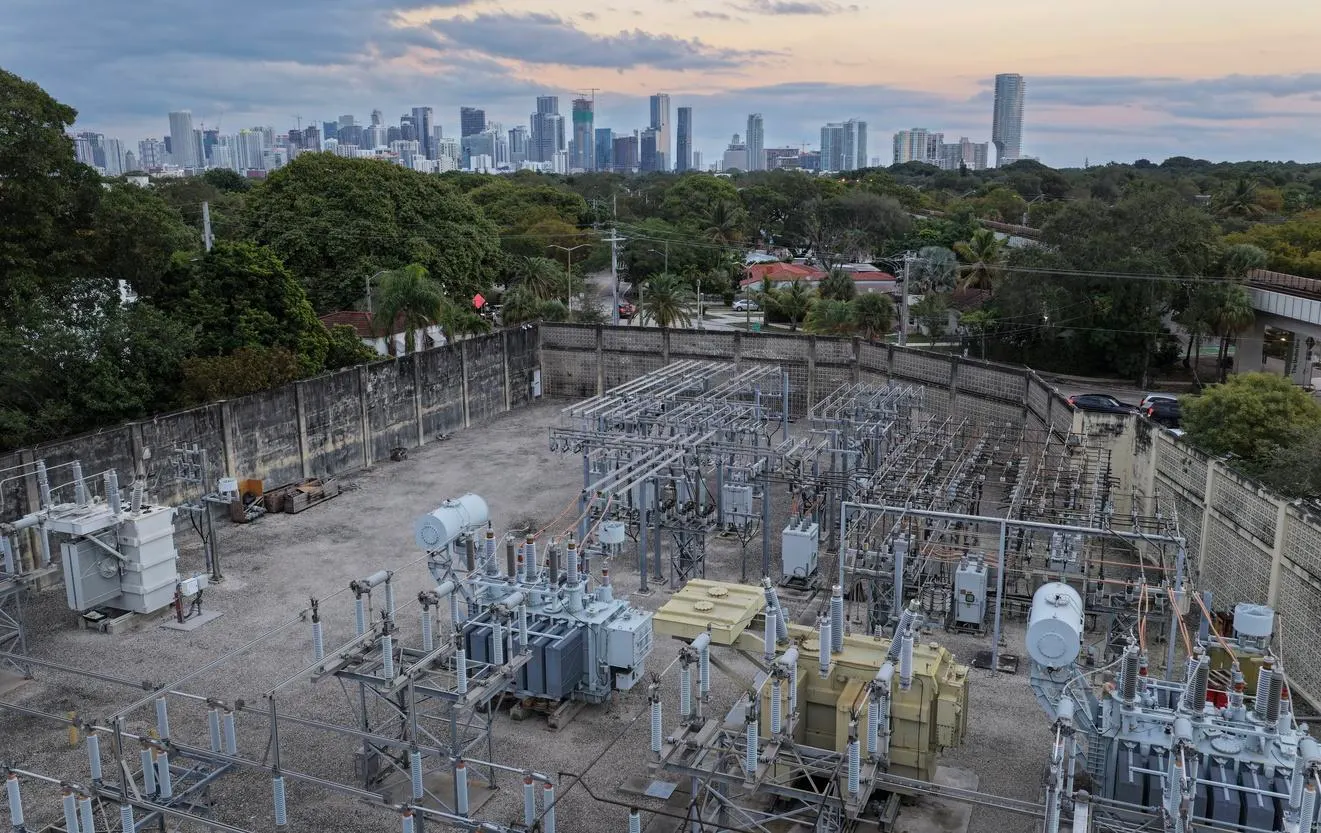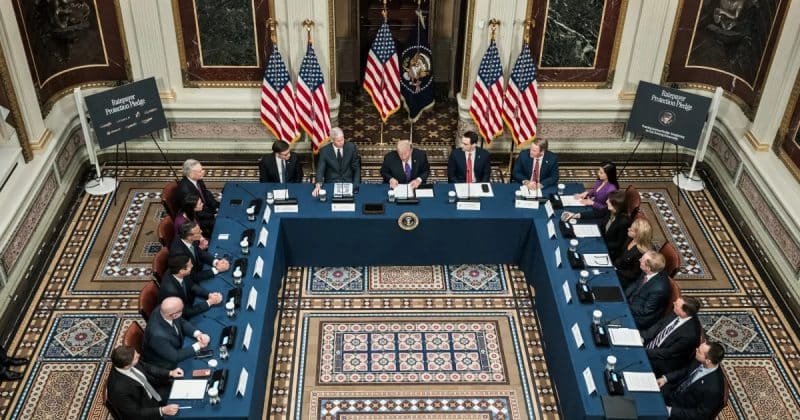
AI data centers can pay for new power infrastructure, but the harder question is how quickly they can connect to the grid.gettyWashington is starting to answer who pays for AI's power demand. The harder question is who gets connected first.In one week this month, Washington moved on both halves of the AI power problem, and only one of them made the headlines.On June 24, the House Energy and Commerce Subcommittee on Energy advanced the Ratepayer Protection Act, a bipartisan bill from Reps. Gabe Evans (R-Colo.) and Kathy Castor (D-Fla.). It's aimed at requiring very large power users, those drawing 100 megawatts or more, to cover the infrastructure costs needed to serve them, rather than pass those costs to ratepayers. (CNBC)The political framing is almost irresistible: make Big Tech pay its own way before households see more of the cost in their bills. But for a company spending tens of billions on AI infrastructure, a higher rate isn't the frightening number. A project that never gets connected is. And less than a week earlier, regulators had already moved on that problem, in a way that may matter more than the bill.The pledge becomes the price of admissionThe bill is familiar. It largely mirrors the Ratepayer Protection Pledge the White House rolled out in March, under which Amazon, Google, Meta, Microsoft, OpenAI, Oracle and xAI agreed to "build, bring, or buy" their own generation and pay for the infrastructure their data centers require. They signed it voluntarily, and it carries no enforcement. The bill would turn that handshake into law. That matters because voluntary pledges are public relations. Tariff rules are financeable.To a homeowner, that looks like accountability. To a hyperscaler planning a decade of AI campuses, it looks like certainty, worth more than a discount. Eleven states have floated data-center moratoriums, and statehouses weighed more than 150 energy bills this year. A single price of admission, applied across the market, is easier for Big Tech to accept than a patchwork of local fights, shifting tariffs and political veto points it can't model.The number everyone is going to misquoteOne figure deserves a warning label. You've seen the claim that bills near data centers are up "as much as 267%." The number is real, but it isn't what most people think. It comes from a Bloomberg study of roughly 25,000 pricing nodes, and it refers to wholesale prices at certain nodes near data centers between 2020 and 2025. Wholesale is only the supply slice of a retail bill, usually 30 to 50 percent of it. Actual residential increases over those five years ran closer to 94% in Washington, D.C., 74% in Maryland and 58% in New York. PolitiFact has already checked a senator who stretched it. The national picture is mixed, and averages can hide local stress. Data centers do strain power costs in several markets. The problem is real. The slogan is just sloppier than the data.The bill answers who pays. It doesn't answer who waits.Here's what the coverage keeps missing: the Act decides who pays, not who gets connected, and connection is the real bottleneck.You can write the check for a substation and still wait years for it. Interconnection runs on engineering studies, queue position and physical supply, not just on willingness to pay. The reshoring push and the AI buildout are reaching for the same substations, transformers, turbines and transmission crews, and there may not be enough to meet both on the timelines executives promise.The bigger federal move this month wasn't the vote. On June 18, FERC issued show-cause orders to all six regional grid operators, directing them to justify or rewrite the rules for how large loads connect. Following an October letter from Energy Secretary Chris Wright directing FERC to speed large-load interconnection, the orders give operators 60 days to respond and 30 to report whether enough generation will exist. FERC cast it as ratepayer protection and speed-to-power. In practice, it starts a national argument over the queue.The grid wasn't built to work like airport boarding, with premium customers paying to board first. But AI infrastructure is pushing regulators toward that question. Once large-load tariffs and fast-track interconnection rules sit side by side, payment stops being only a cost question and becomes a priority one.The bill sets the price; FERC reopens the rules that set the order of the line. Big Tech can live with a written price. What matters more is whether the new rules turn payment into predictable access, because no tariff helps if the transformer shows up in 2031.What large power users should watch nextSkip the headline and track three things: whether the 100 MW threshold survives markup and where your site falls relative to it; which states write a "large-load standard" into their tariffs first; and your own place in the interconnection queue under the new FERC rules. It won't stop with data centers: once regulators define a large load, advanced manufacturing, cold storage, hydrogen and crypto must ask if they're next. Your real constraint isn't the cost of power anymore. It's the date you can use it.The louder fight is over who pays for AI power. The quieter and more important one is over who gets it first.This article reflects developments as of June 28, 2026. The Ratepayer Protection Act remained in committee and subject to amendment at the time of writing.
Big Tech Doesn’t Fear Paying For AI Power. It Fears Waiting In Line
AI Power Demand Is Forcing Washington To Decide Who Pays, And Who Gets Connected First
888 words~4 min read