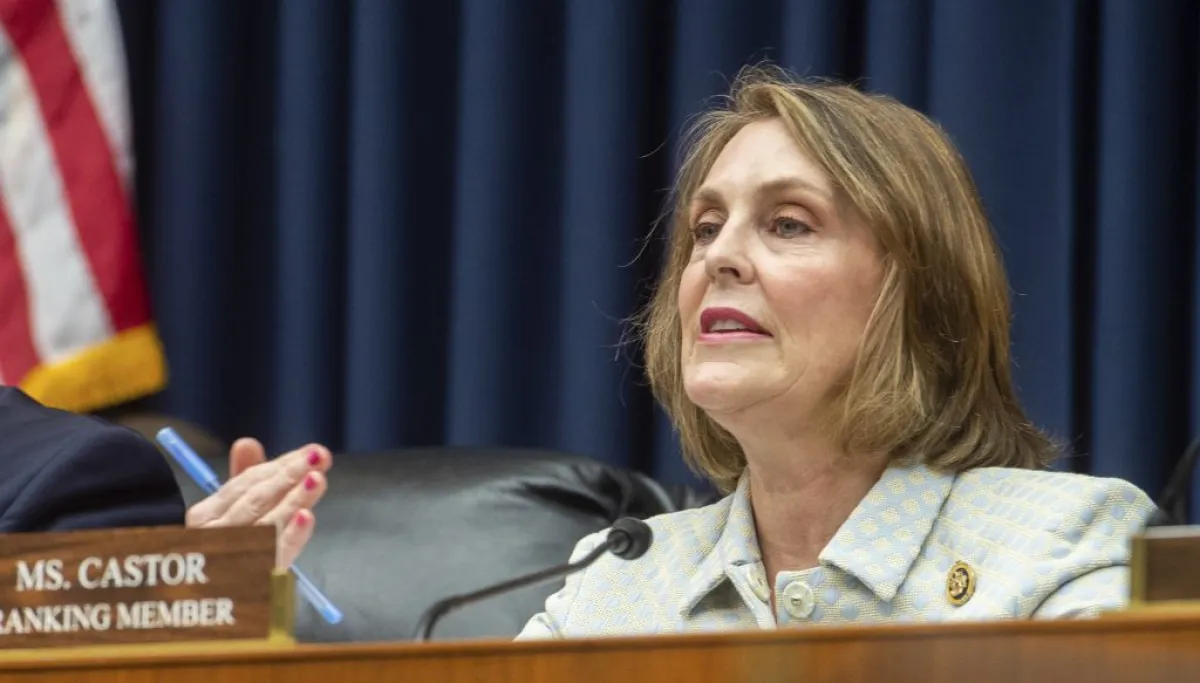
A new bill has been proposed in the US House of Representatives that would require data centers to cover the full cost of grid and generation upgrades needed to serve their facilities, rather than passing those costs to regular ratepayers.The Ratepayer Protection Act, introduced by Kathy Castor (Democrat-Florida) and Gabe Evans (Republican-Colorado), would direct state utility regulators to establish rules ensuring large-load customers, those with a capacity of 100MW or more, pay for any generation, transmission, or other infrastructure required to connect to the grid.The bill would also require financial assurances from large-load customers to cover upgrade costs even if they later reduce operations or exit the grid entirely, shielding utilities and ratepayers from being left with stranded costs."My neighbors across Florida are grappling with skyrocketing electric bills. Ratepayers should not have to subsidize wealthy corporations' growing energy demands, especially from AI data centers," said Castor. "The Ratepayer Protection Act safeguards consumers by ensuring these data centers pay for the energy and grid upgrades they need so hardworking families and local businesses are not stuck paying more.""Colorado families, farmers, and small businesses should not be forced to cover the costs of new power generation driven by these developments," said Evans. "The Ratepayer Protection Act is a bipartisan, commonsense solution that protects everyday Americans and ensures our nation can continue to win the AI race."The bill is scheduled for markup in the House Energy and Commerce Energy Subcommittee this week, and has drawn support from Google."Google has long been committed to ensuring that we pay our own way as we build the infrastructure to power American growth and leadership," the company said in a statement. "Thanks to the leadership of Representatives Evans, Castor, Guthrie, and Latta, the Ratepayer Protection Act is a positive step toward ensuring that all data center operators follow Google's lead and safeguard Americans from costs associated with development. We look forward to engaging with the sponsors as the legislative process continues."Several states have already moved to address this issue at a statewide level. Last month, regulators in Oregon approved a new rate class for data centers and other large loads, which is now in effect.Before this, Oklahoma’s governor, Kevin Stitt, signed into law a new bill aimed at protecting ratepayers in the state from rising utility and infrastructure costs associated with data centers. This closely followed Florida, whose governor signed into law a similar bill that prohibited utilities from passing data center infrastructure costs on to residential and small-business ratepayers and required large-scale users to bear their full cost of service.Other states to see similar rules proposed and passed include Ohio, North Carolina, and Virginia, to name a few.DCD explored the issue in depth in our latest magazine. Read for free here.
US lawmakers introduce bipartisan bill to shield ratepayers from data center energy costs
Would target data centers with a capacity of 100MW or more
455 words~2 min read