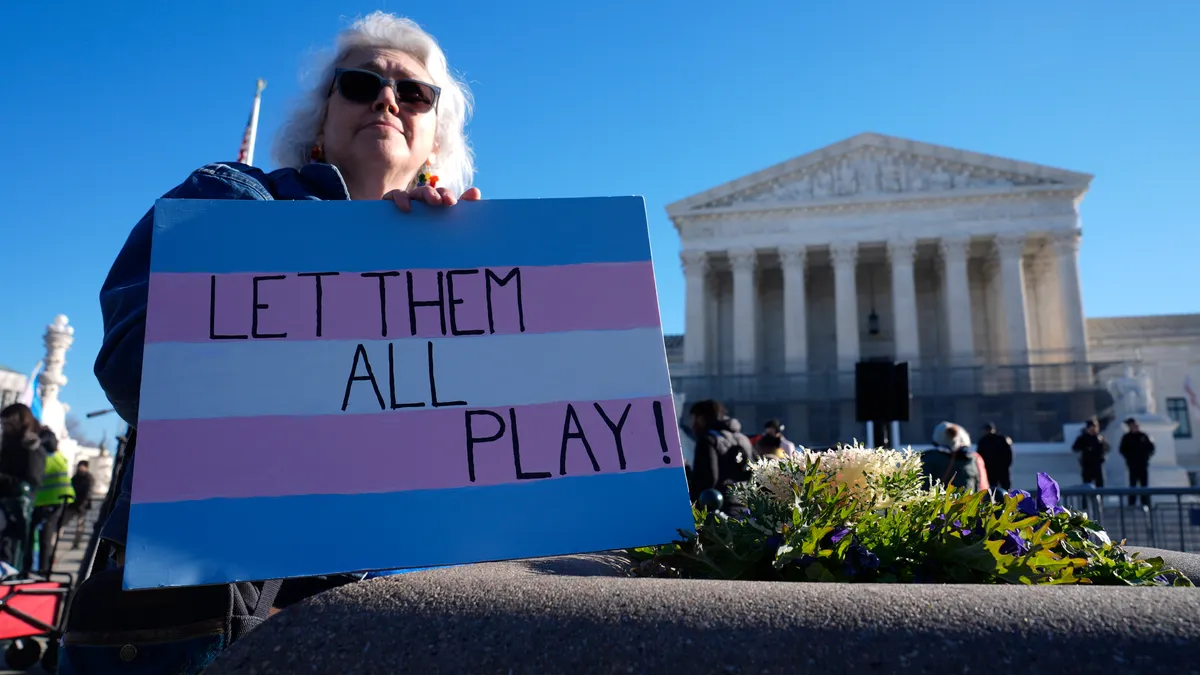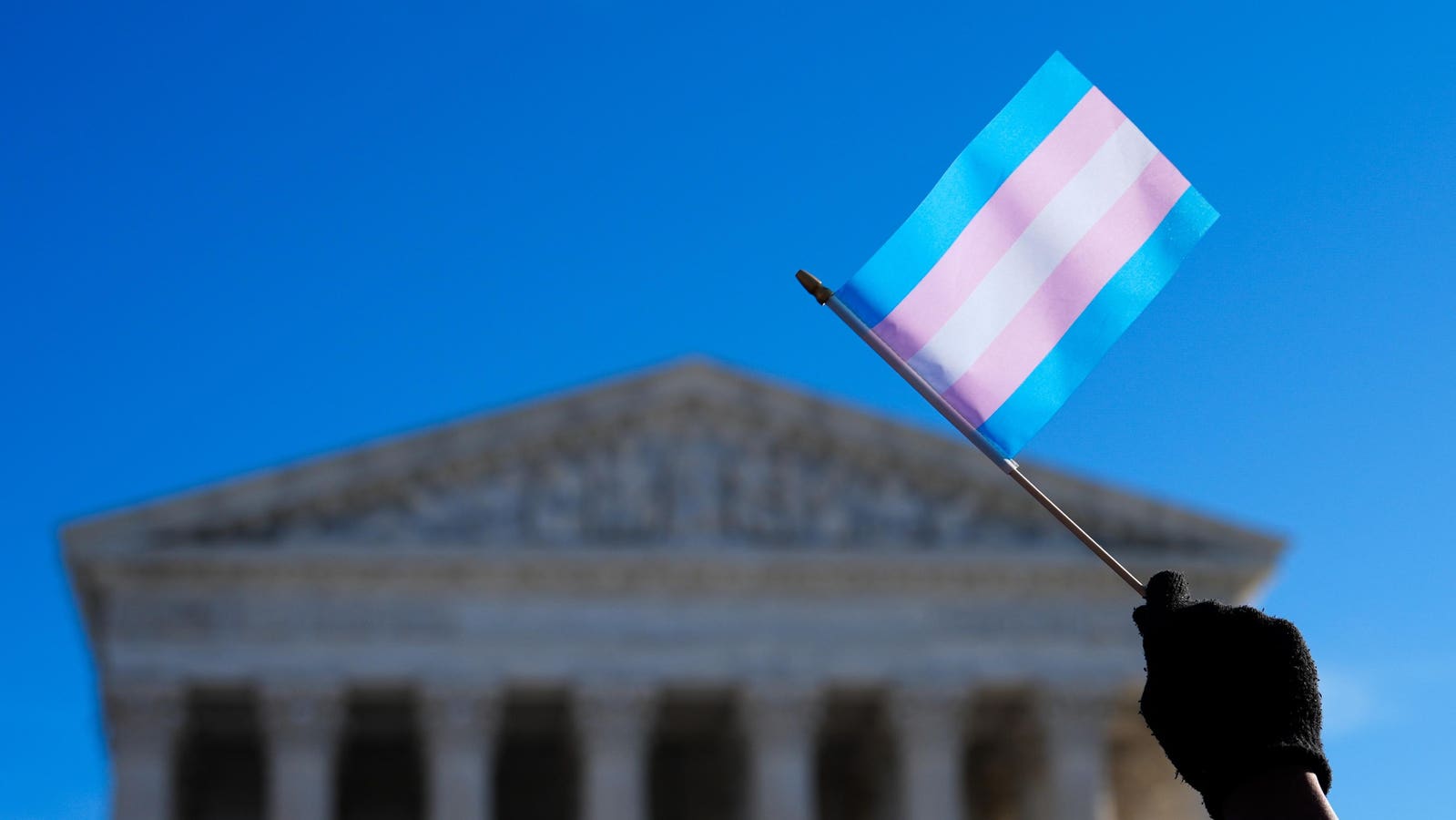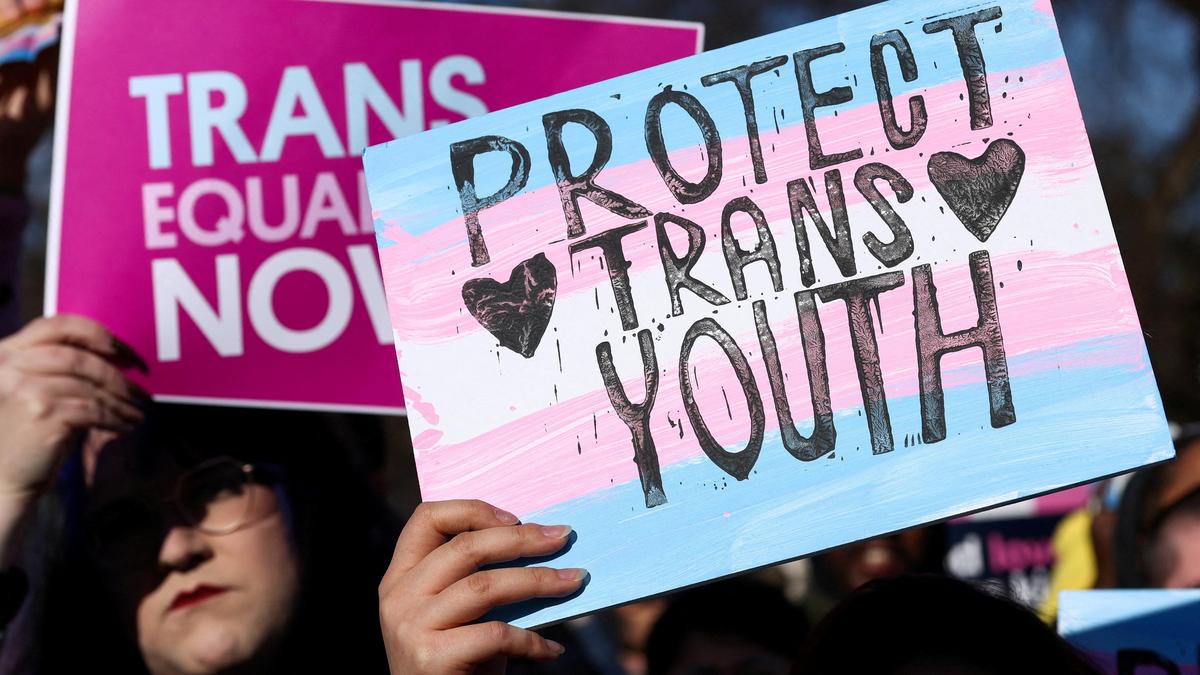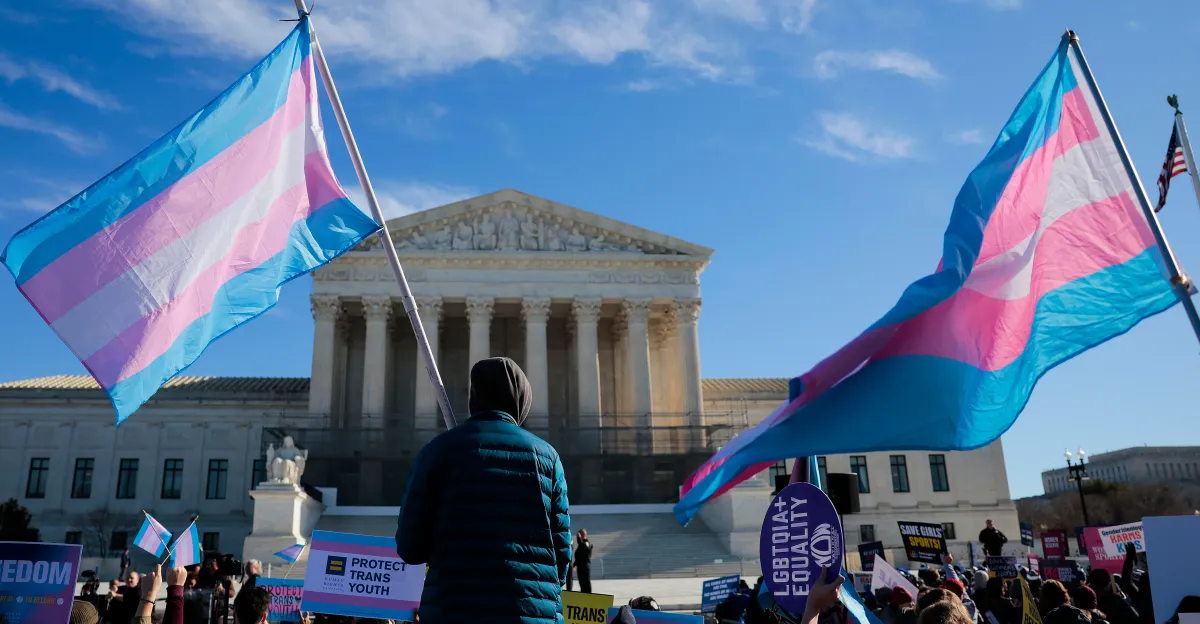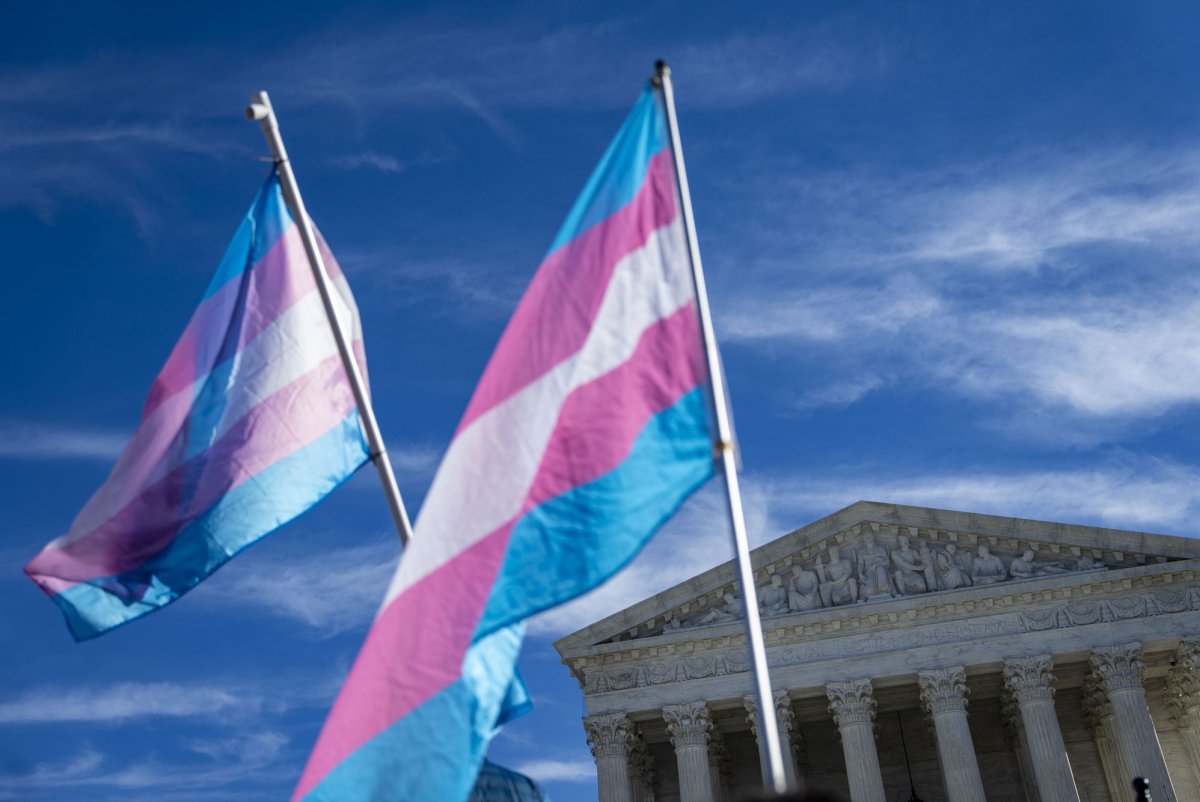
The Transgender Flag flies outside the Supreme Court as protesters for and against transgender athletes competing in women's sports gather in Washington, D.C., on January 13. Groups demonstrated as the Supreme Court heard two cases that prohibit transgender girls from joining girls' and women's sports teams. File Photo by Bonnie Cash/UPI | License Photo
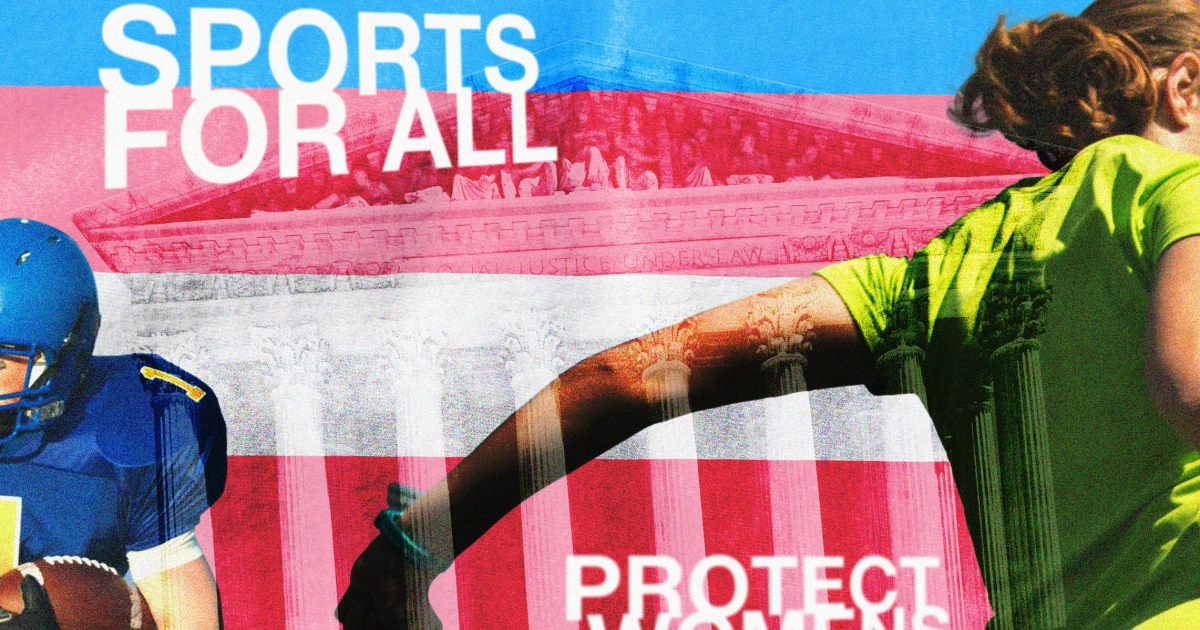
Youth sports have a significant impact on the development of all children. Sports provide children opportunities to build their social skills and confidence, as well as improve their sense of belonging and physical fitness.
What happens to these spaces when adults are given permission to inspect a child's body to determine their gender?
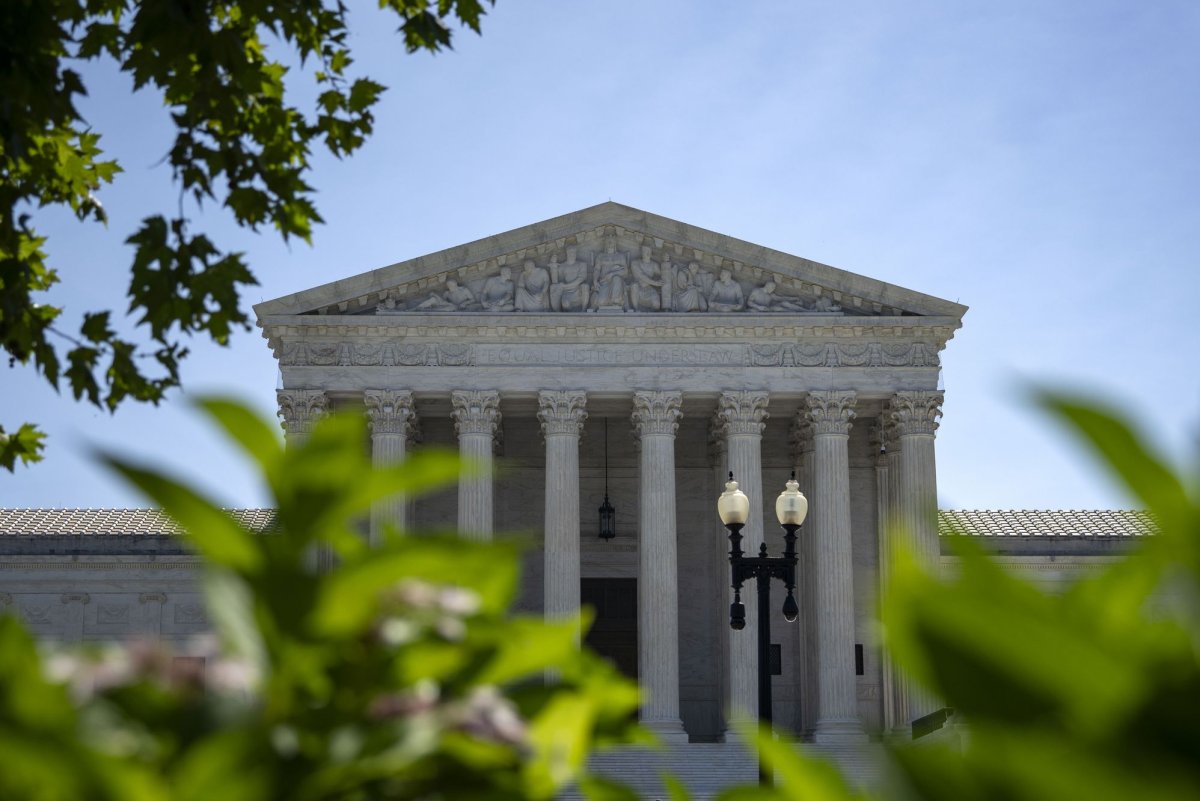
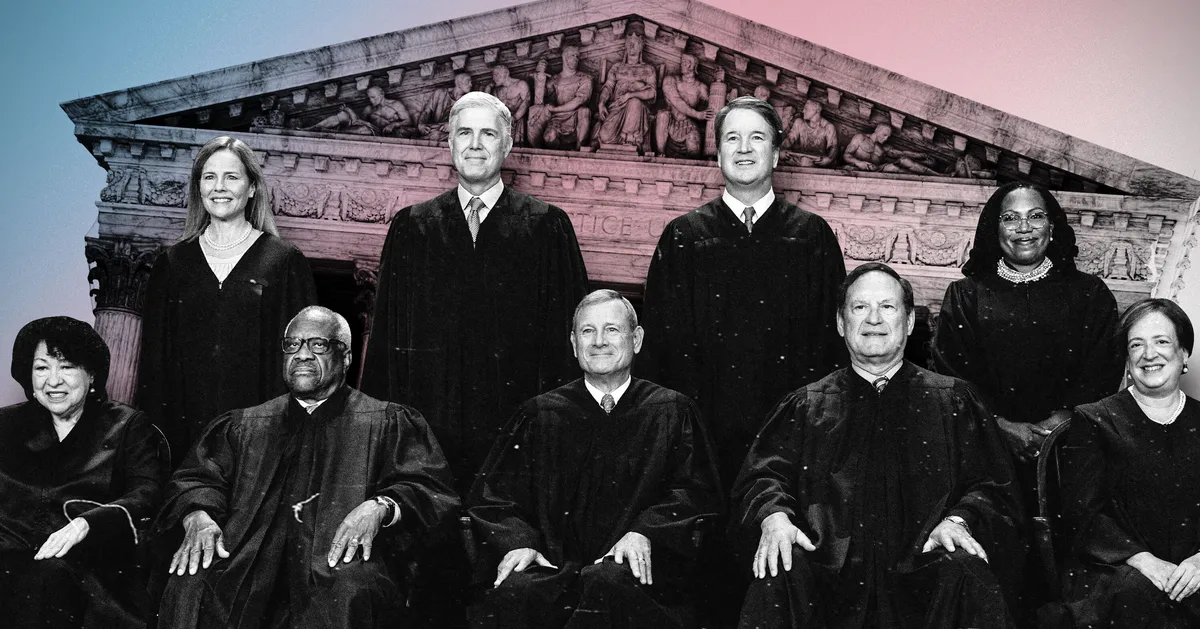
The Supreme Court rulings on Little v. Hecox and West Virginia v. B.P.J. decided that transgender girls cannot play sports that align with their gender identity. Not only does this ruling essentially prohibit transgender kids from participating in most youth sports -- codifying the exclusion this vulnerable population already experiences -- it also puts all children at risk of the harmful consequences of body surveillance.
I am a social work scholar who studies LGBTQ+ belonging and organizational climate. I'm also a former NCAA Division II women's volleyball athlete, and I know firsthand what it's like to have uninvited scrutiny of your body because strangers doubt your gender.