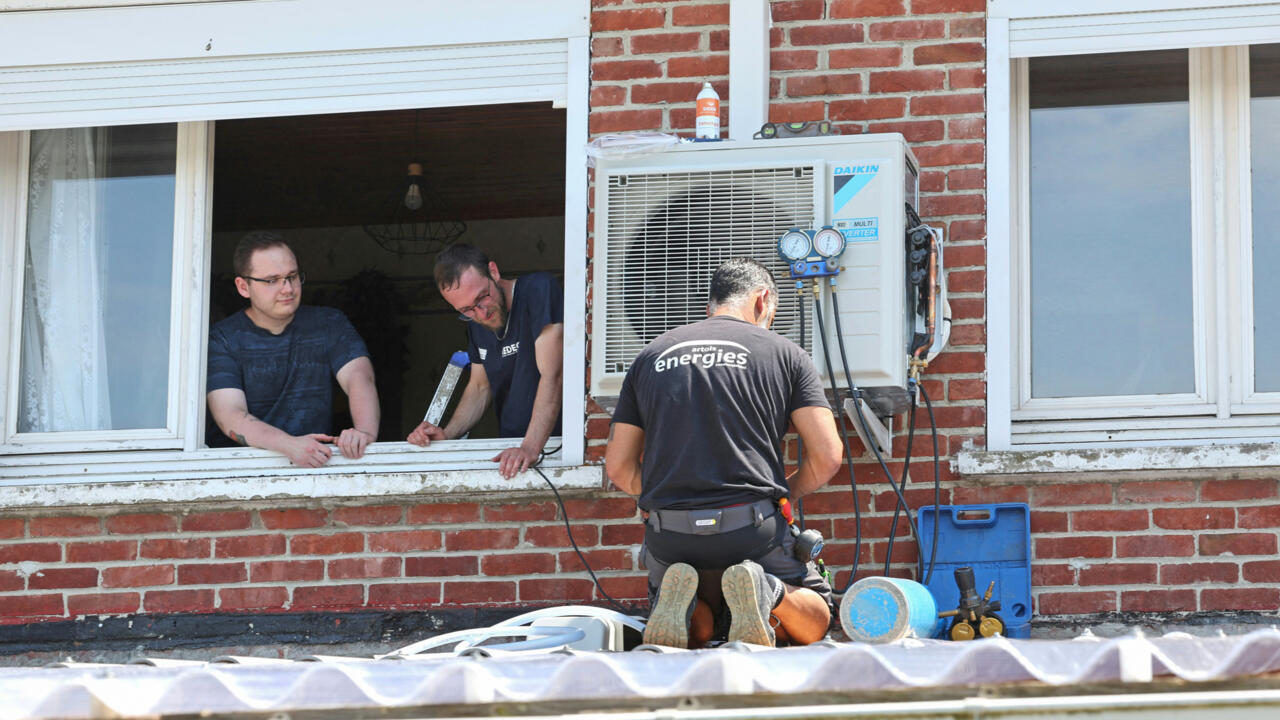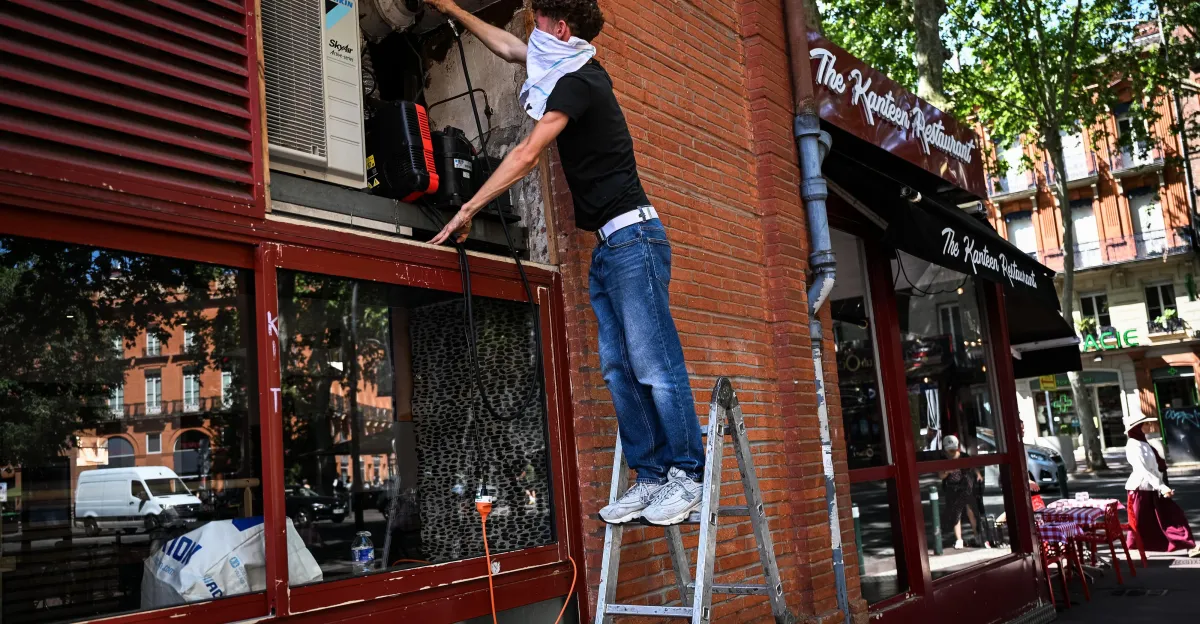
European Commission officials privately acknowledge that air conditioning is essential during increasingly frequent heatwaves, as passive cooling measures such as shading and insulation will not always be sufficient.
But as cooling demand rises, they also argue that relying solely on air conditioning would drive up electricity consumption, require additional power generation and leave households facing higher energy bills, particularly given today's high electricity prices.
"Air conditioning is definitely one of the tools and a very necessary tool. In some cases, insulation or other passive strategies are not sufficient," one EU official said on condition of anonymity, after a brutal heatwave exposed Europe's lack of preparedness to cope with rising temperatures.
"At the same time, if you rely only on air conditioning, you may have to pay a lot for installation because you need a big generator to produce equally, but also you can end up with high energy bills," the EU official said.
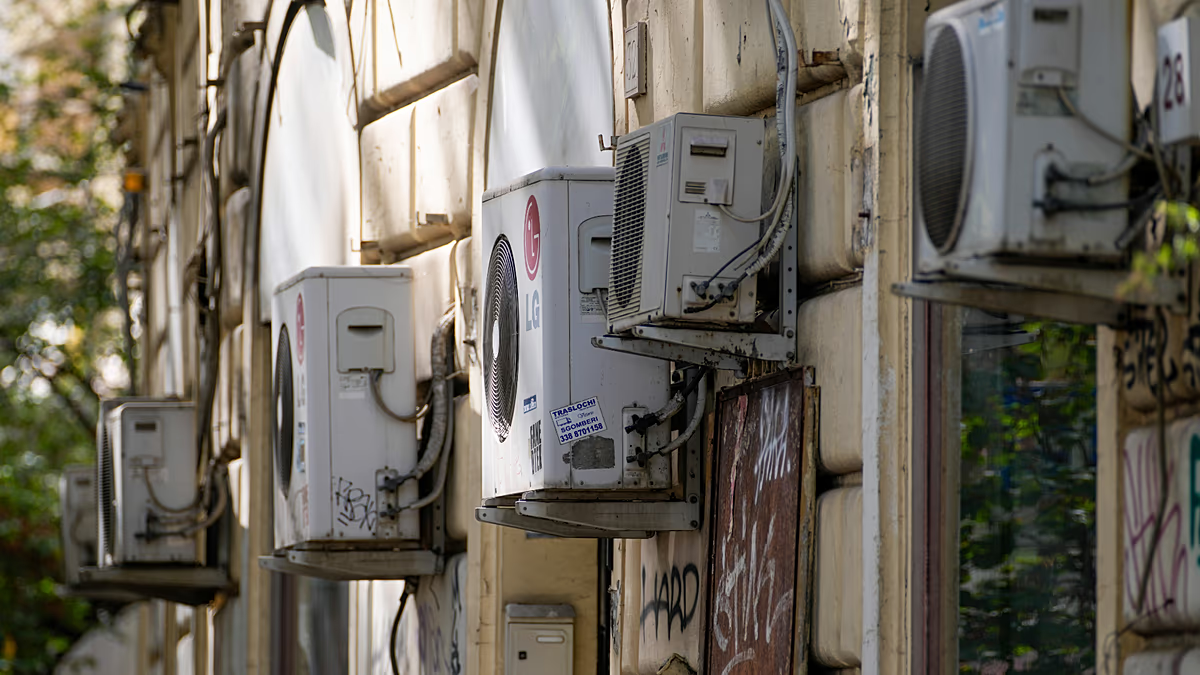
Moreover, the widespread installation of air conditioners can worsen the urban "heat island" effect through waste heat, the EU official added, reinforcing the need for green spaces, shading, building orientation and better city design.