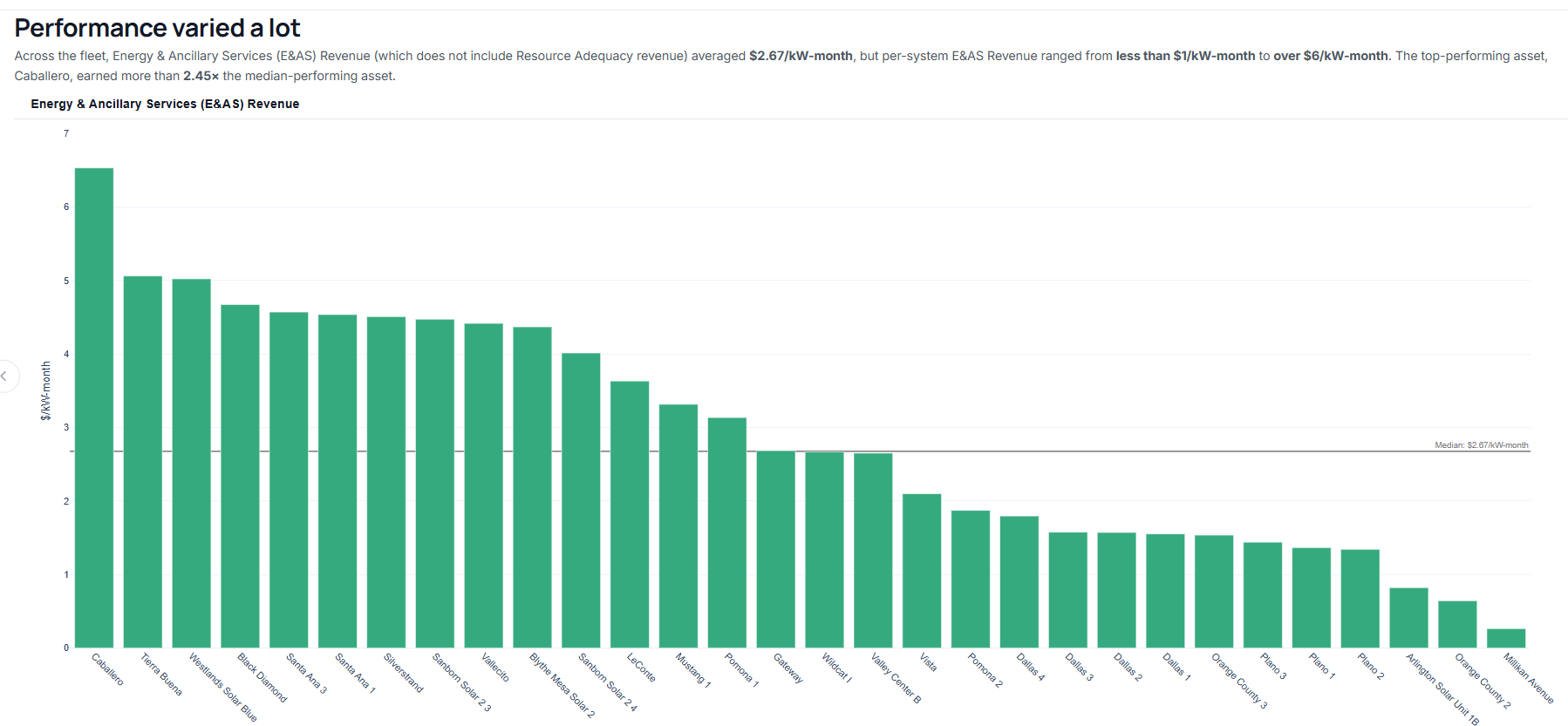
From a financial perspective, a 5% miscalculation in large systems can lead to large energy waste that can cause operators to lose a lot of money if they are involved in selling energy to the grid. 5% errors are not uncommon and can be much higher in poorly managed systems.
Overestimating can lead to a BESS asset not fully delivering the anticipated energy volume to the energy markets, leading to cost imbalances. For taking part in grid services, an accurate SOC is needed as it can affect grid operations if the right amount of charge is not delivered by systems when required (for example, if not as much charge has been stored as expected), leading to underperformance―which can be penalised by system operators.
Because of these factors, a reliable and accurate SOC measurement is critical in BESS installation for maximising both performance and revenue.
Calculating the SOC of a BESS
It can be very difficult to accurately calculate the SOC of BESS and almost impossible to directly measure it. The BMS typically calculates the SOC of most BESS installation using the current, voltage and temperature of the cells. While different methods are used to try to calculate the SOC, the cell chemistry (with differing discharge characteristics and voltage profiles), usage patterns, aging and degradation (leading to overestimation by not account for aging) C-rate, battery inhomogeneities/defects, depth of discharge, sensor measurement drift, can all affect SOC measurements and make them deviate from the true SOC.