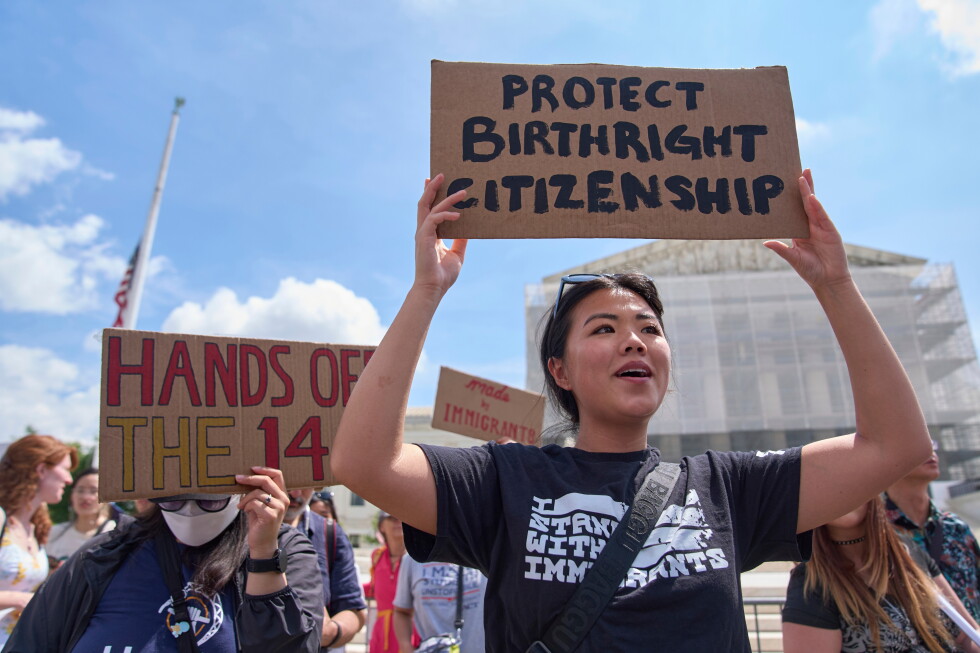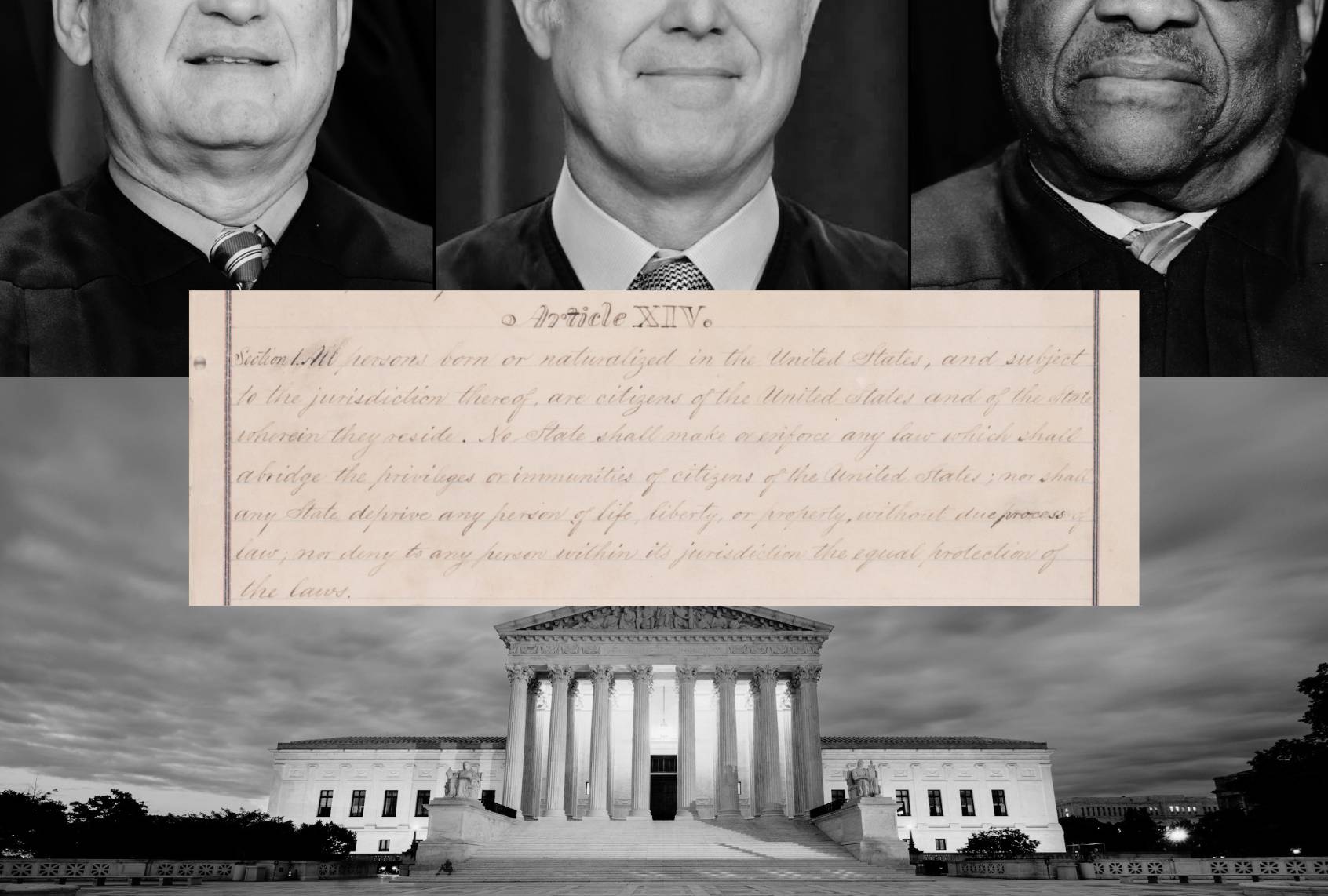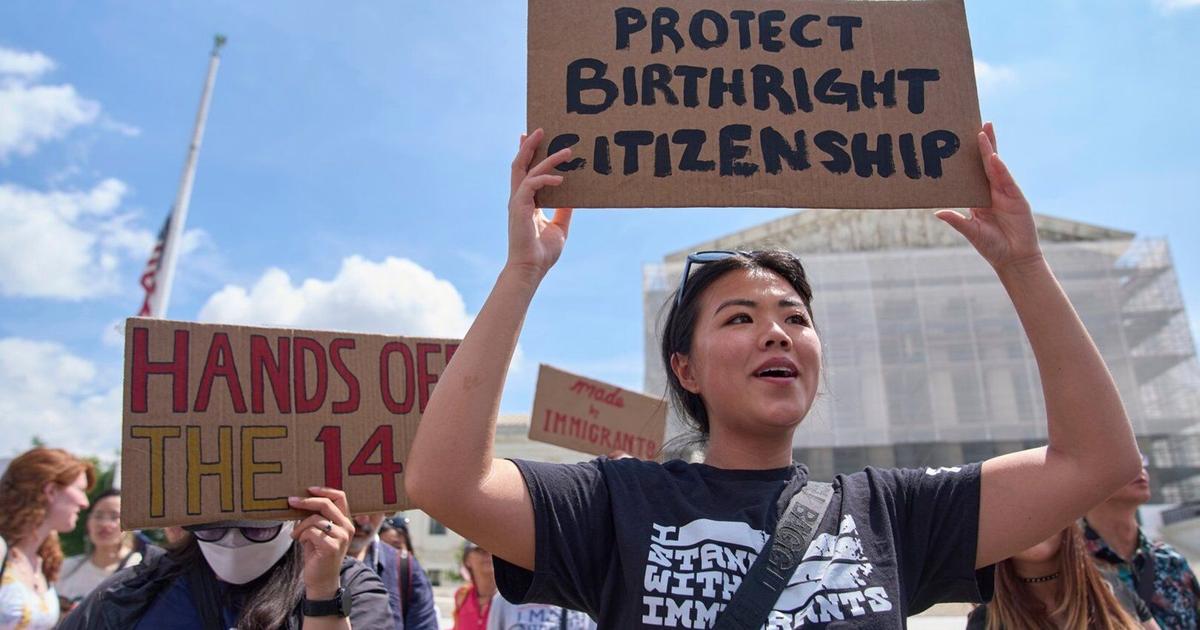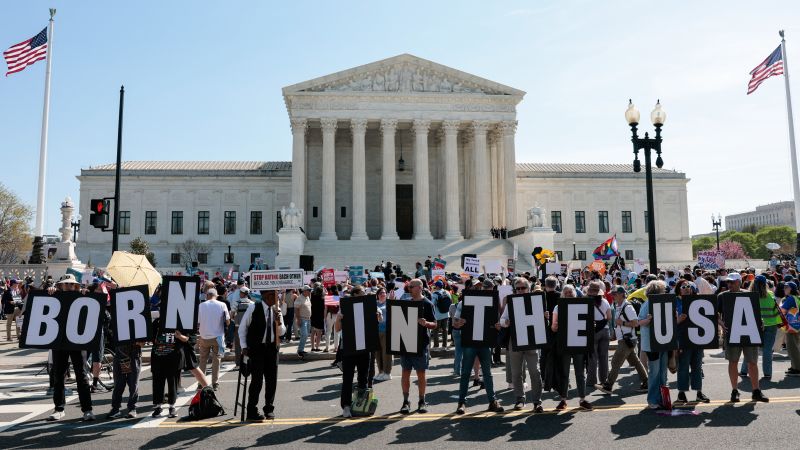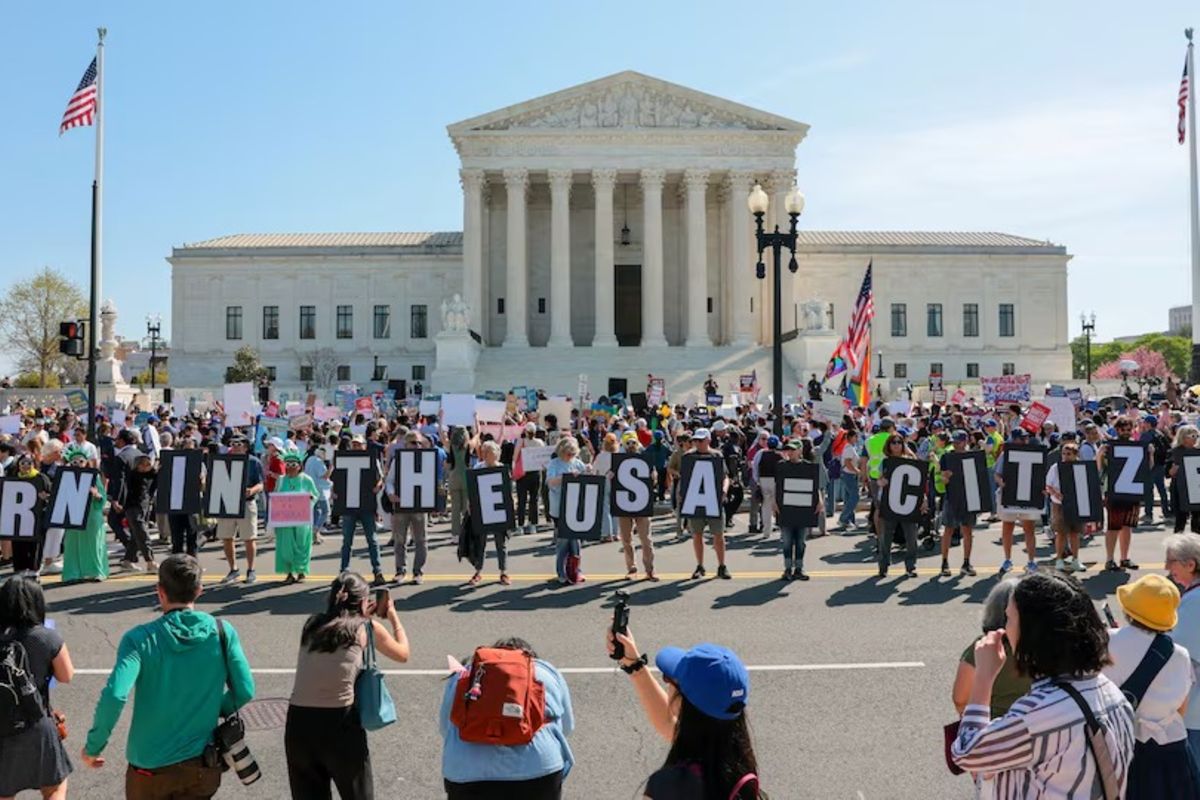
In Focus delivers deeper coverage of the political, cultural, and ideological issues shaping America. Published daily by senior writers and experts, these in-depth pieces go beyond the headlines to give readers the full picture. You can find our full list of In Focus pieces here.In a vast digital sea of outrage over Tuesday’s landmark Supreme Court ruling on birthright citizenship, the best take came, unsurprisingly, from the Washington Examiner’s editorial:“As stinging as this defeat may feel for many conservatives,” it said, “the outcome should be taken as a reason to refocus efforts on enforcing the law and passing new laws to tighten America’s borders, deport illegal immigrants, and let fewer temporary migrants into the country.”
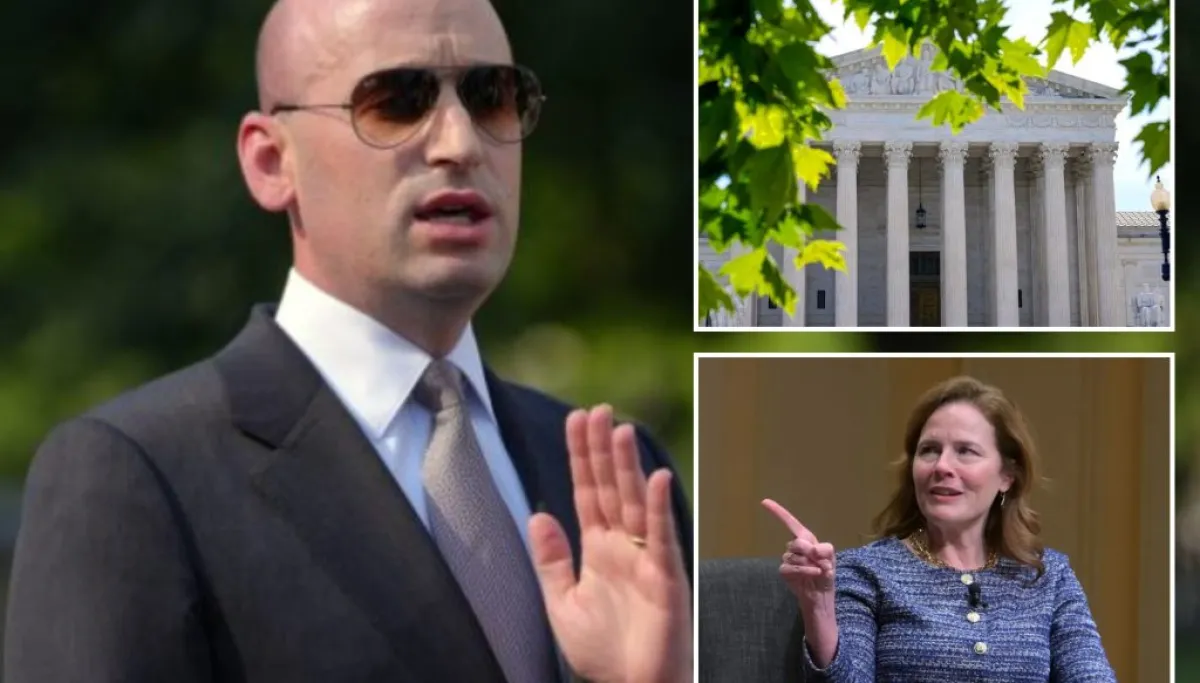
The court ruled that birth on U.S. soil confers citizenship on virtually all U.S.-born children regardless of parents’ status. As such, the debate over birthright citizenship is now, short of a constitutional amendment, entirely a political one. The only recourse for conservatives who seek to restrict immigration both illegal and legal is to win elections and then pressure their representatives to act on their behalf. The constitutional door has closed.In 2022, the pro-life movement faced a similar transition in the aftermath not of a legal defeat but of its signature legal victory. Dobbs v. Jackson Women’s Health Organization found no constitutional right to an abortion and returned the issue to the states for popular resolution. After spending decades waging its battle against legalized abortion primarily in the court of law, the movement suddenly found itself fighting exclusively in the court of public approval.This meant the legal question of whether a constitutional right to abortion exists became secondary to the political question of whether abortion is something a decent society should permit. While they sound similar and are deeply related, answering them requires entirely different skill sets. The former demands astute legal minds who can combine constitutional expertise with knowledge of cutting-edge science — which increasingly favored the conclusion that life begins at conception. The latter, meanwhile, demands the storytelling ability and emotional intelligence of a missionary.The ends are the same, but the means are quite different.The pro-life movement’s failure to adjust accordingly and convince society of its position cost it dearly. Later that year, deep-red Kansas rejected a measure that would have said the state constitution does not protect abortion rights. The measure failed by nearly 20 points in a state Donald Trump had carried in the previous presidential election by 15.This raised a troubling question, which has yet to be resolved: If the pro-life movement couldn’t convince voters in one of the most Christian and conservative states in the nation, what chance did it have elsewhere?As it happened, very little. Five more states weighed in on abortion that year. California, Michigan, and Vermont enshrined abortion protections. Kentucky and Montana, reliably red states, rejected pro-life-backed restrictions. 2023 and 2024 were much the same story. Ohio voted to codify abortion rights. Missouri overturned the state’s existing near-total abortion ban. Arizona added a “fundamental right to an abortion” to its state constitution.Since Dobbs, the pro-life movement has won at the ballot box only in Nebraska, South Dakota, and Florida — and Florida requires an asterisk: The abortion-rights side won a clear majority there, 57%-43%, but fell short of the 60% supermajority threshold the state legislature had set for the amendment to pass.Stephen Miller, White House deputy chief of staff for policy, speaks with reports at the White House, Thursday, June 25, 2026, in Washington. (AP Photo/Jacquelyn Martin)