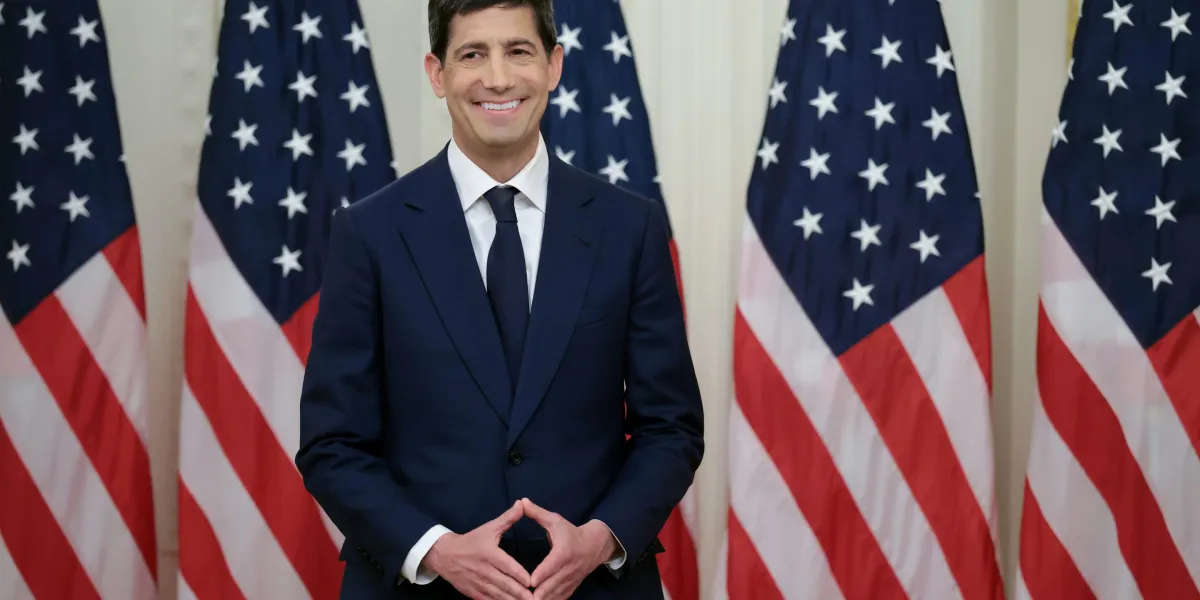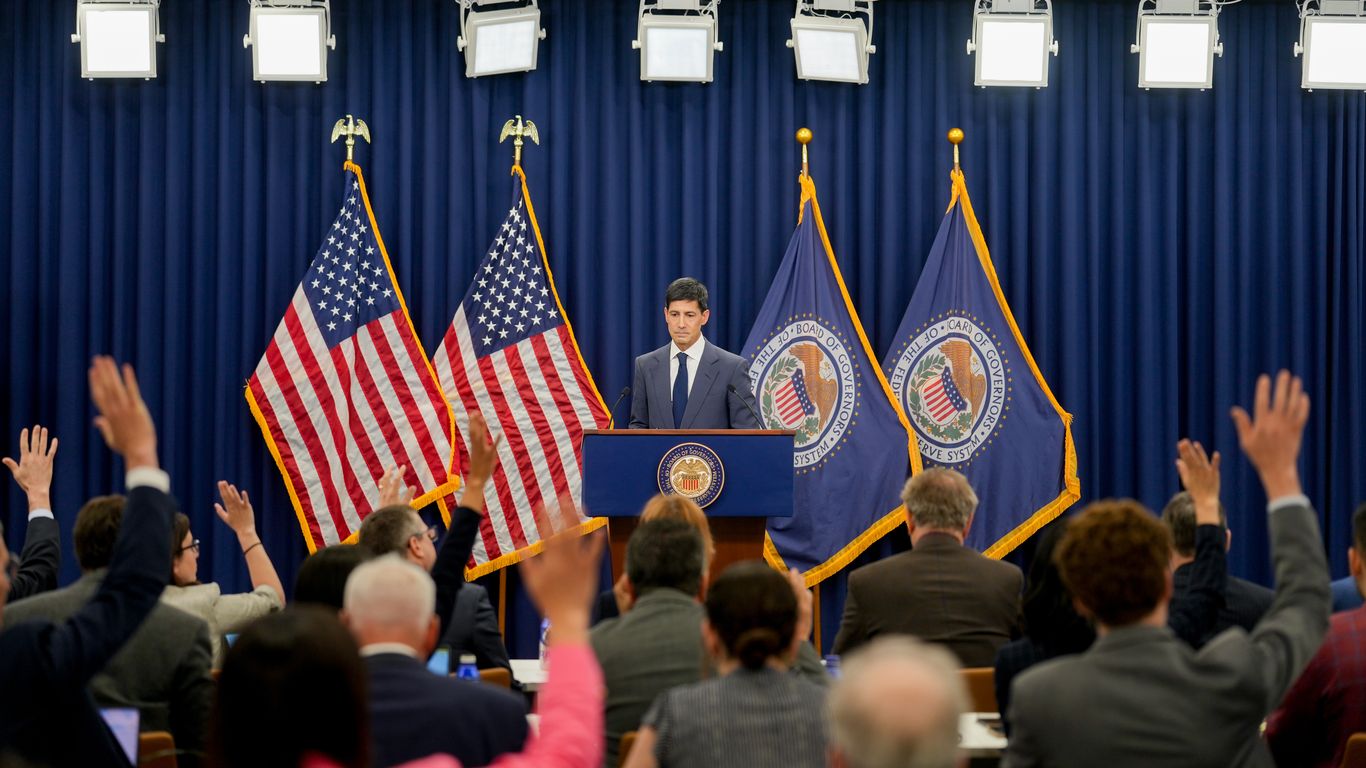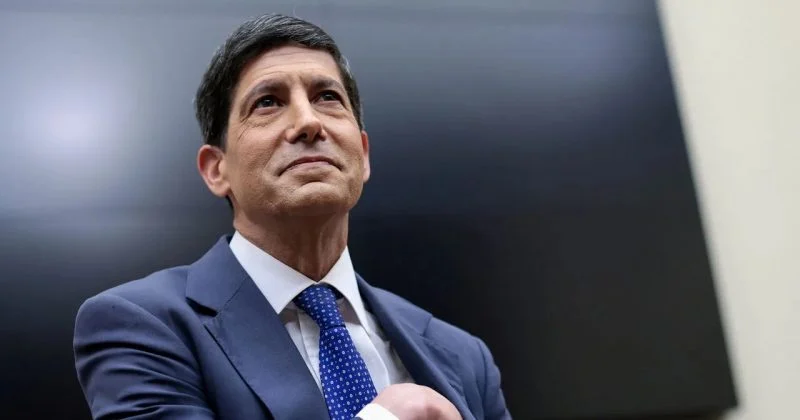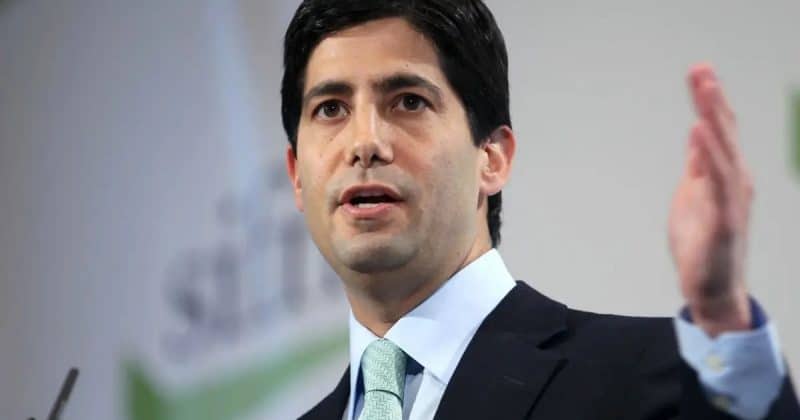
Kevin Warsh is the dog who caught the car. Since he resigned from his role as Fed governor in 2011, he has devoted a lot of time and energy to criticising his former employer. Now, after years as an outsider far from power, he has been handed the keys. No wonder markets are struggling to decide what kind of Federal Reserve chair he will be: it is one thing to bark at others’ mistakes, another to carry the burden of leadership.
Two questions have attracted attention. Will Warsh bend to the will of Donald Trump, who appointed him and yearns for low rates? And will Warsh’s desire for a quieter, more oracular Fed open the door to dangerous market volatility?
Neither is cause for much worry. Trump tried to bully the last Fed chair, Jay Powell, and failed spectacularly. Given that, Warsh would be a fool to risk his reputation in the eyes of history to win the friendship of a lame-duck president. And it is unclear, to put it mildly, how much Fed “forward guidance” matters. Policy shouts; the accompanying verbiage whispers, and is often ignored.
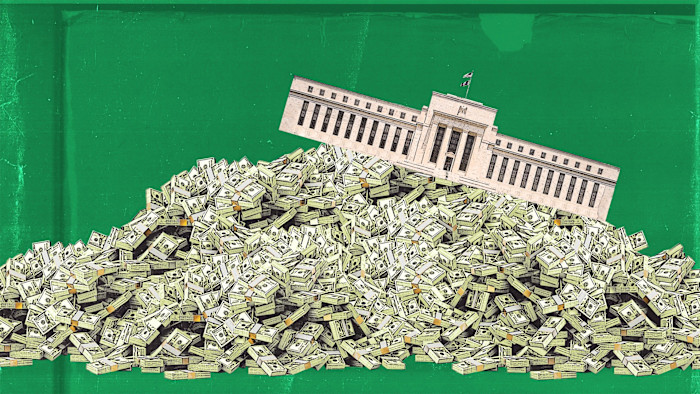
What will be more consequential, especially for financial markets, is Warsh’s view of the Fed’s $7tn balance sheet. His doubts about sustained “quantitative easing” — central bank purchases of government bonds to smooth markets and support demand — were part of the reason he left the Fed 15 years ago. He still loathes the balance sheet, mainly because he believes it encourages fiscal deficits. Last year he said that “policymakers . . . found it considerably easier appropriating money knowing that the government’s financing costs would be subsidised by the central bank . . . It’s no longer obvious whether monetary policy is downstream or upstream from fiscal policy.” He sees a danger that “the central bank becomes the ultimate arbiter of fiscal policy”.