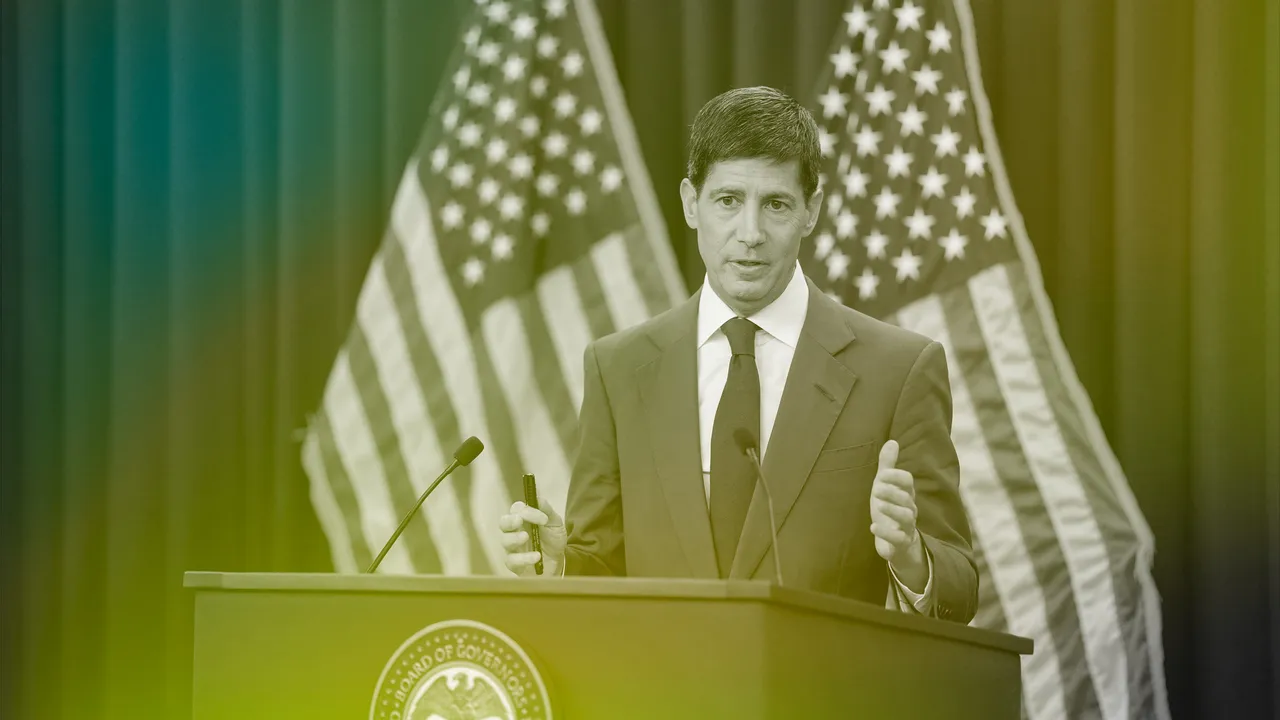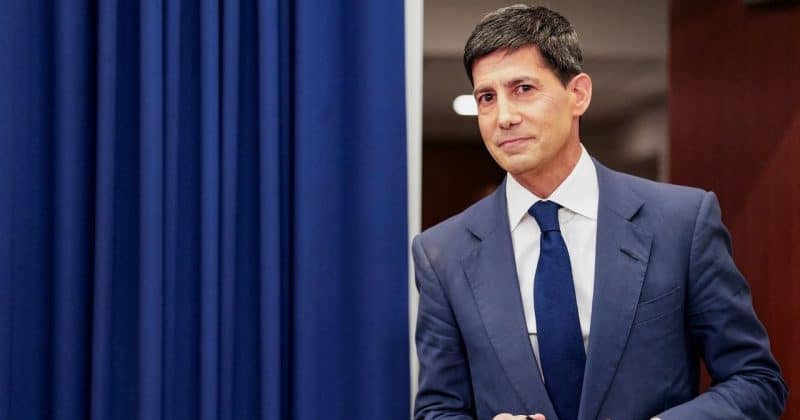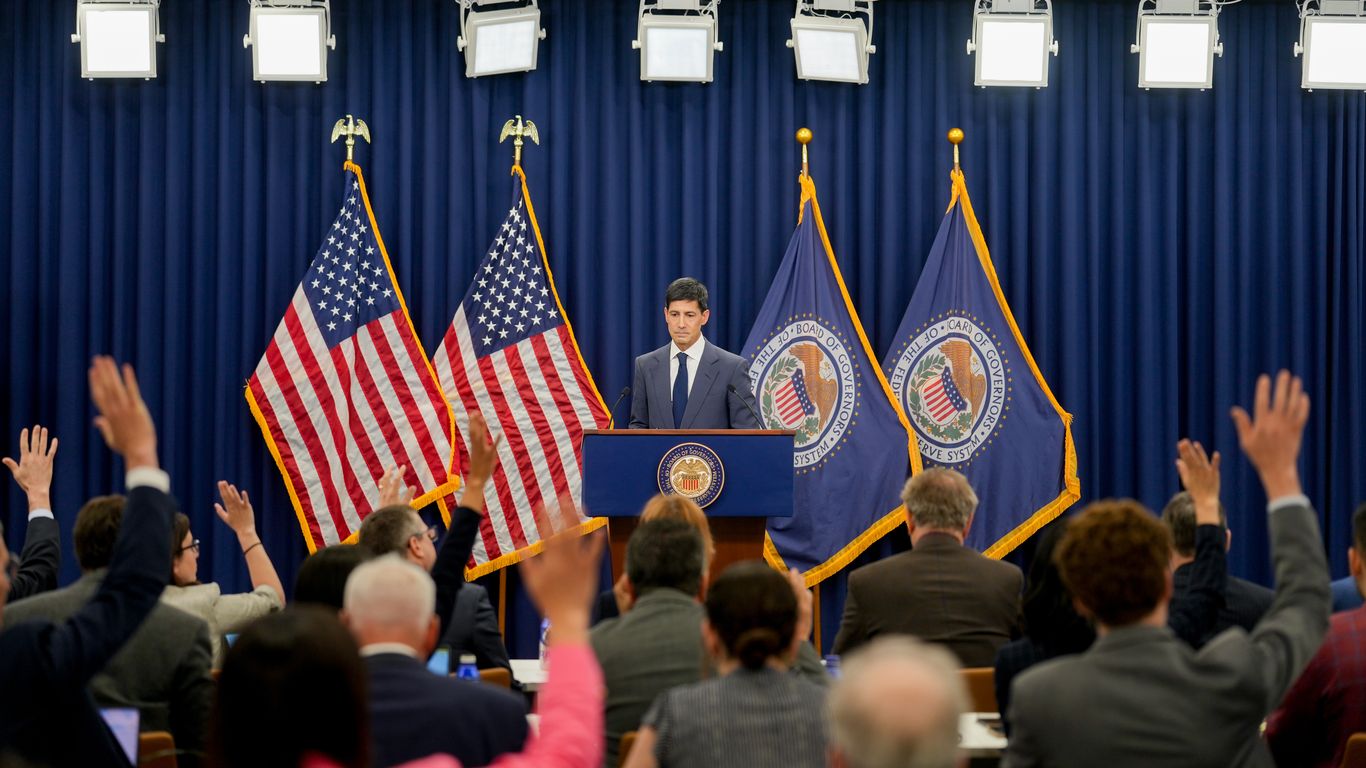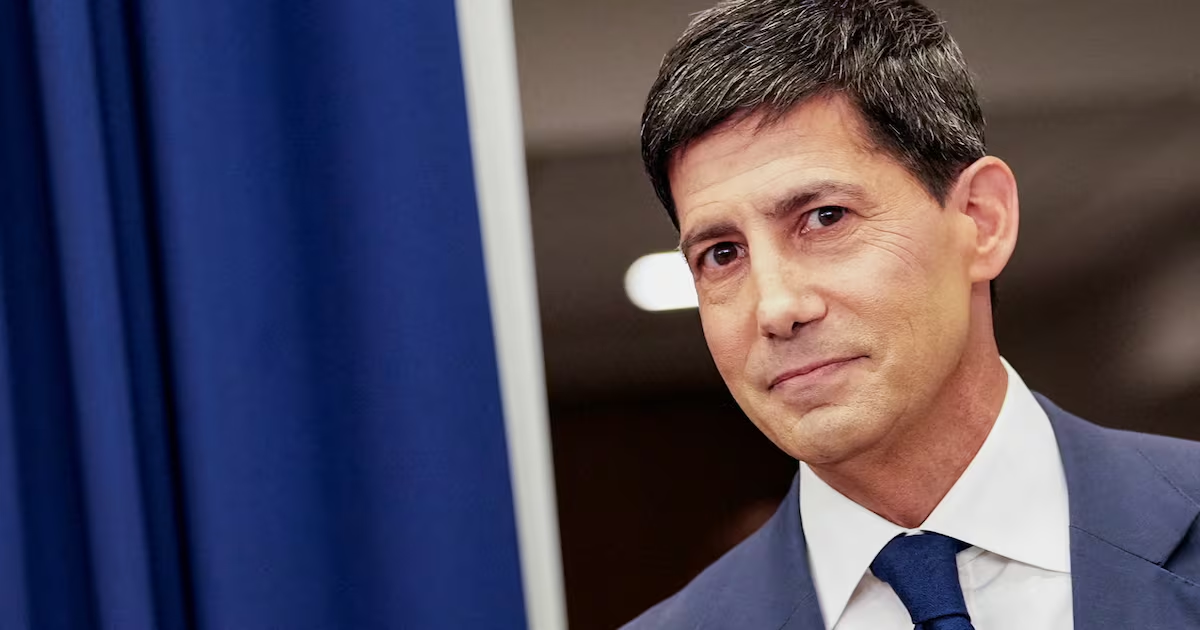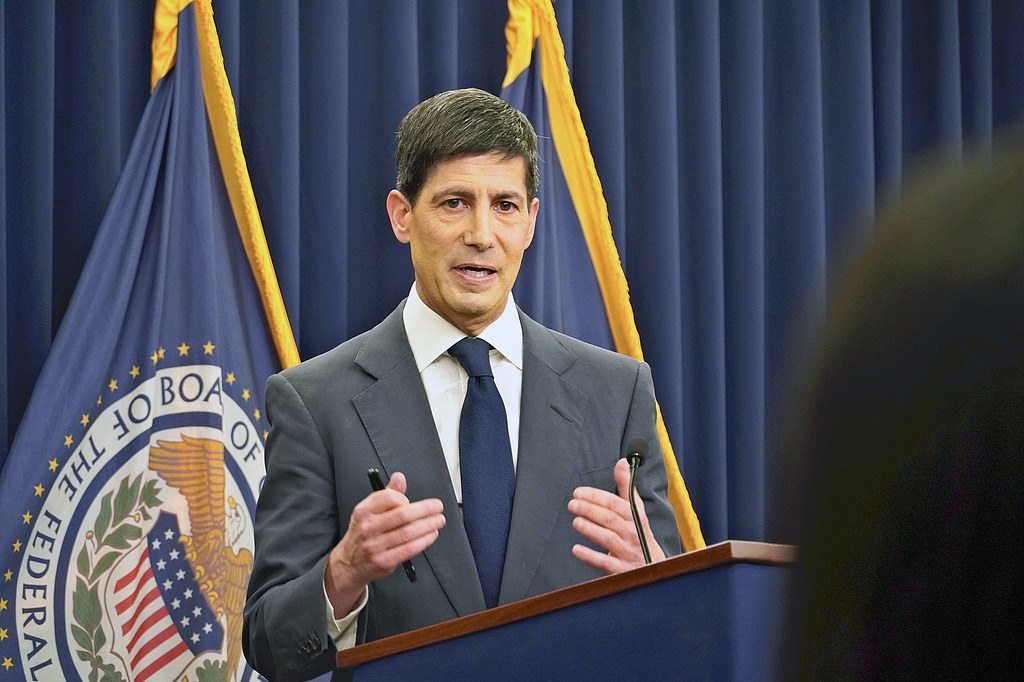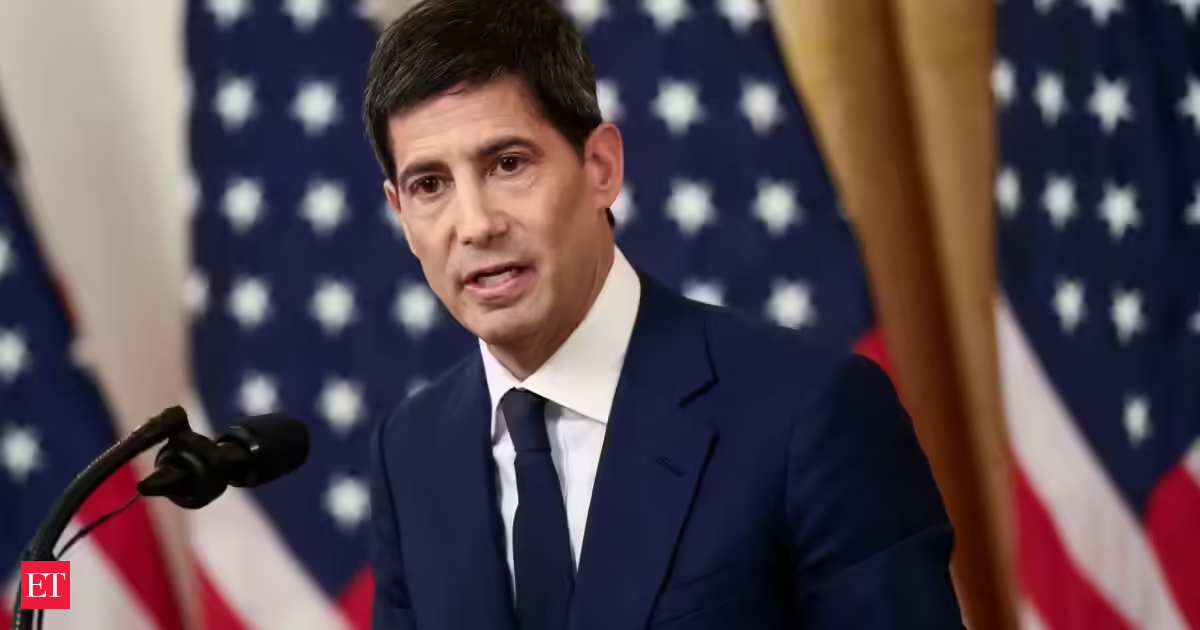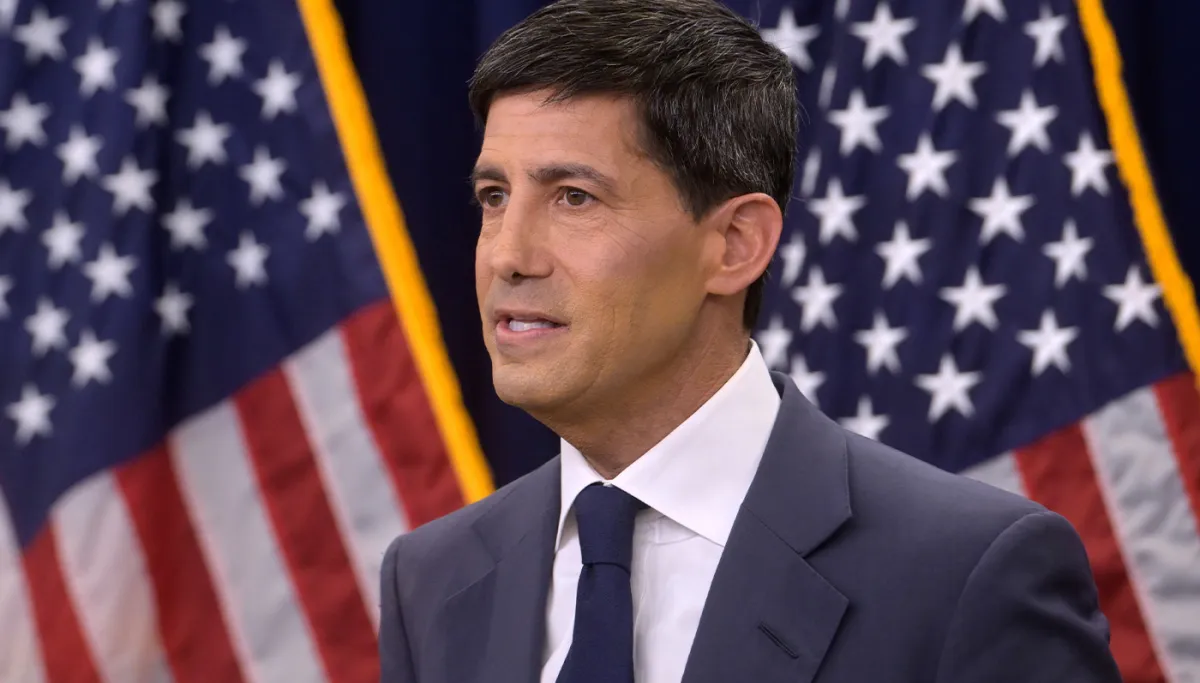
Just five days after Kevin Warsh’s first press conference as Federal Reserve chairman, Alan Greenspan, one of his predecessors, died at age 100. It is, to some extent, a passing of the torch. Warsh made it clear on June 17, in his first interaction with the press, that he is a reform-minded Fed chairman, laser-focused on today’s cost-of-living crisis and undoing the two decades of bureaucracy that have been built up at the Fed since Greenspan.Warsh first joined the Fed as a member of the Board of Governors just after Greenspan retired from the chairmanship in 2006, ending nearly 19 years at the central bank’s helm. The “Maestro” certainly had his flaws, but he steered the Fed through the productivity boom of the 1990s without falling into the Keynesian trap of thinking economic growth causes inflation.Refreshingly, Warsh agrees, and he’s taking the helm at the Fed just in time.
Reining in Fed mission creep
For those who long believed the Fed lost its way, Warsh’s first press conference was the most encouraging thing to come out of the Eccles Building in years. Before his nomination, he repeatedly called for “regime change,” and his critics assumed it was rhetoric — but it’s reality.Firstly, the policy statement that accompanied the decision to hold rates was dramatically shorter, stripped of the hedging boilerplate of recent years, and it ended not with a wishful thought on inflation, but with a definitive: “The Committee will deliver price stability.” The press conference itself was also leaner, and Warsh declined to go down forecasting rabbit holes or pretend the central bank possesses a crystal ball. But his regime change will go much deeper than eschewing forward guidance.