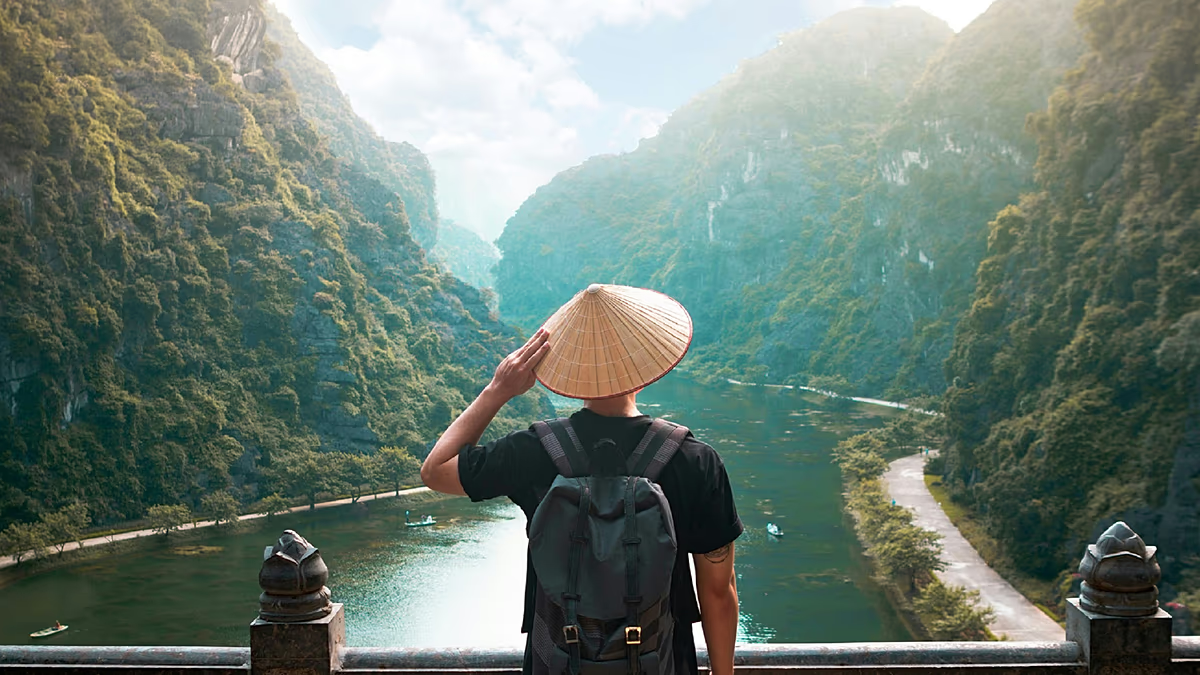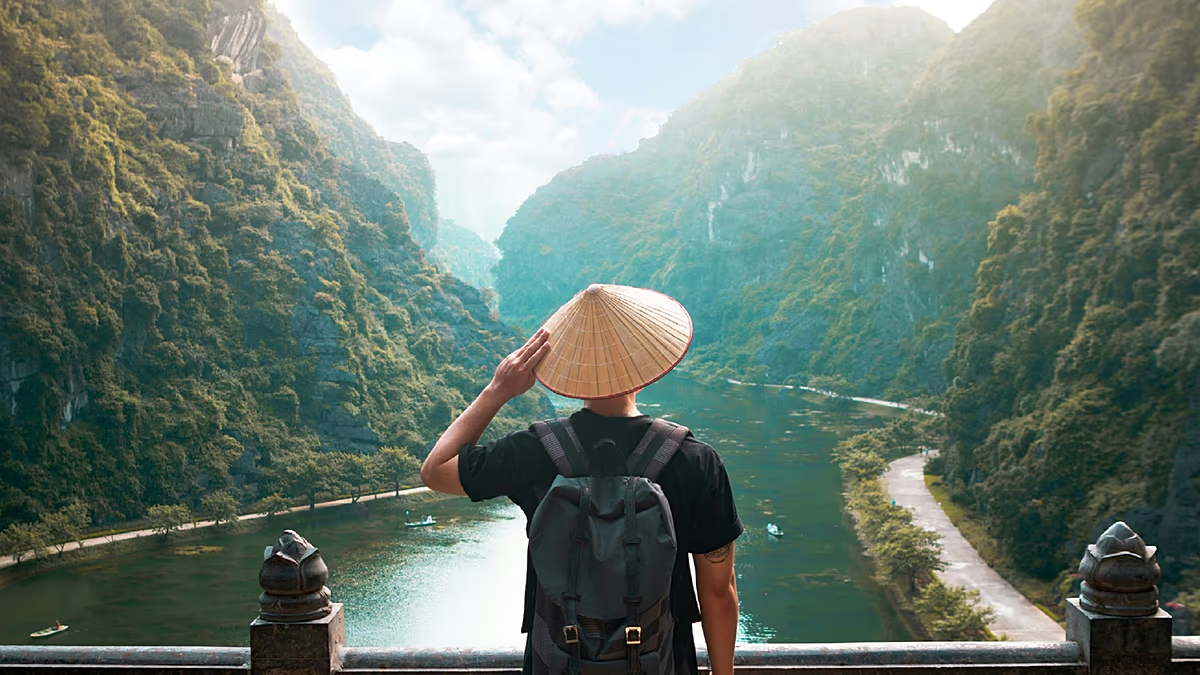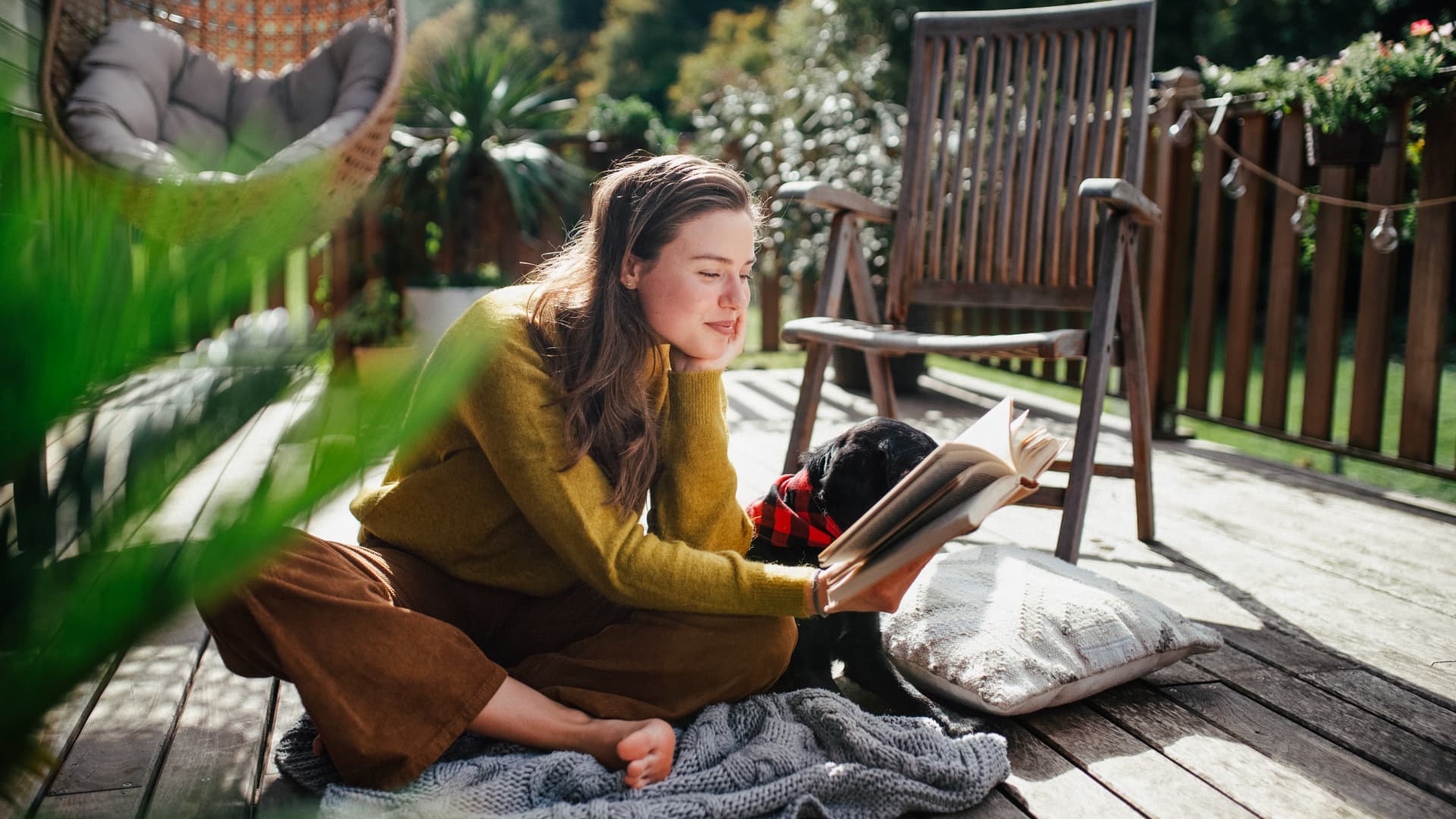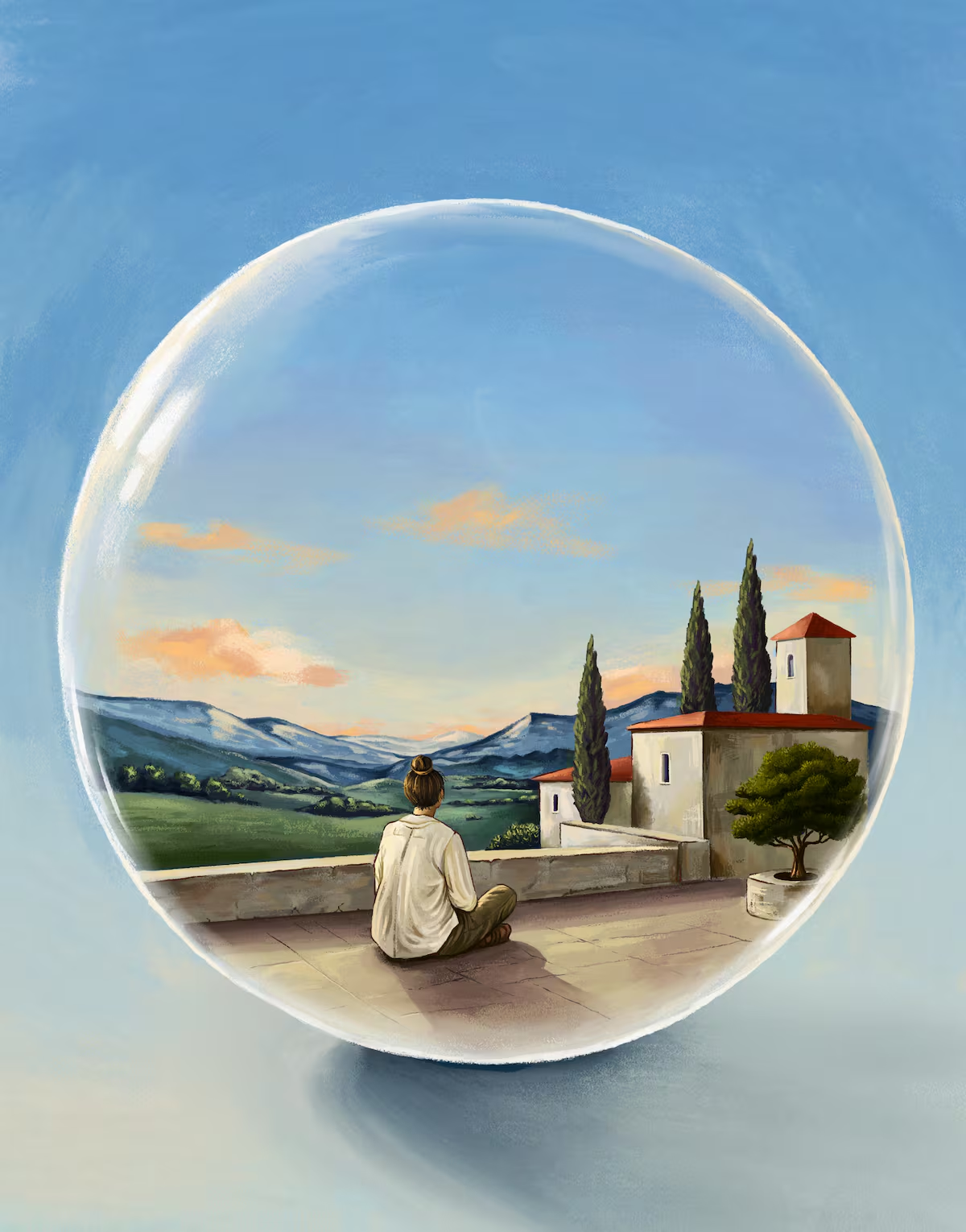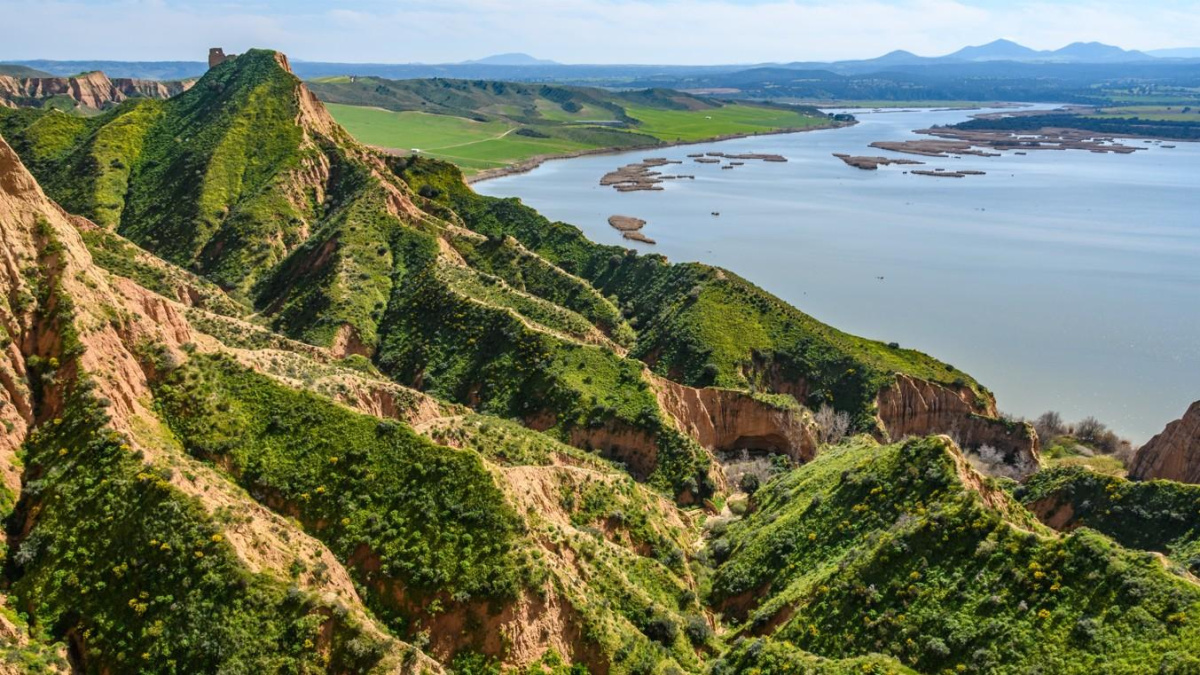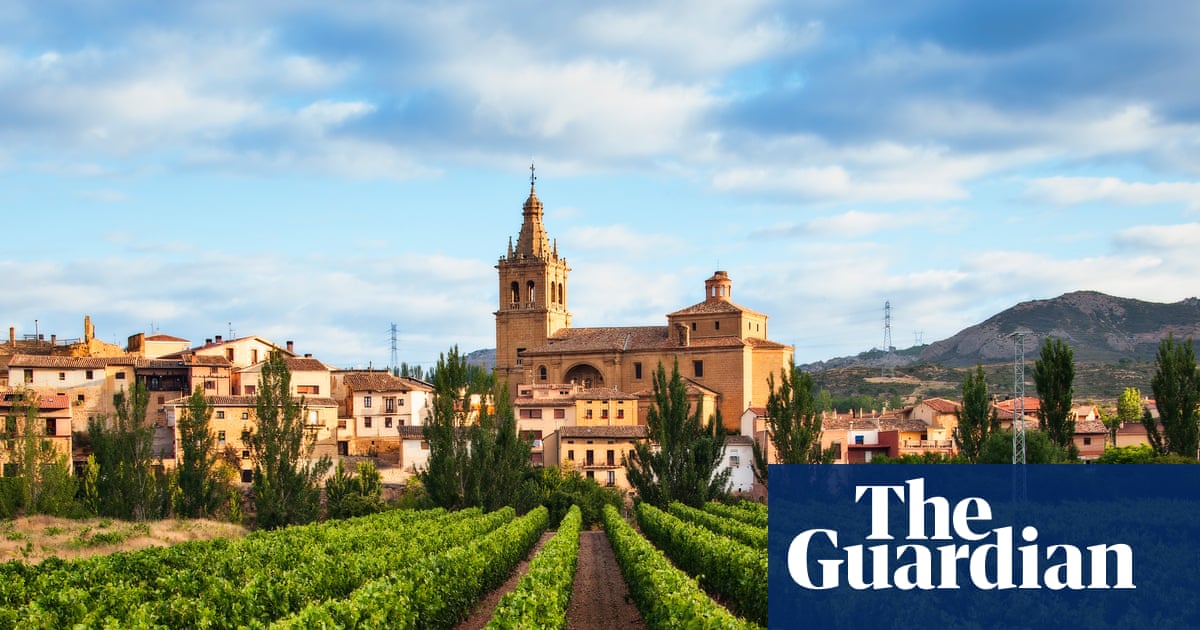
A new anglicism is doing the rounds in Spain’s tourism industry and among marketing agencies. What used to be a straightforward Sunday outing to the Monastery of Santo Domingo de Silos, the birthplace of Castilian Spanish, is now marketed as a \"refuge amid the silence\". Going for a walk in Sierra Cebollera, in La Rioja’s Cameros region? A natural setting where you can \"lose yourself\".
In the latest twist to promote ‘unusual’ destinations in a country that welcomed 96.8 million tourists (almost twice its population) in 2025, even Spain’s official tourism portal has jumped on the ‘slow tourism’ bandwagon, meaning travel without rushing. Industry gurus define this new strand as a \"tourism model that encourages savouring the experience, centred on consumption, through slow travel patterns\".
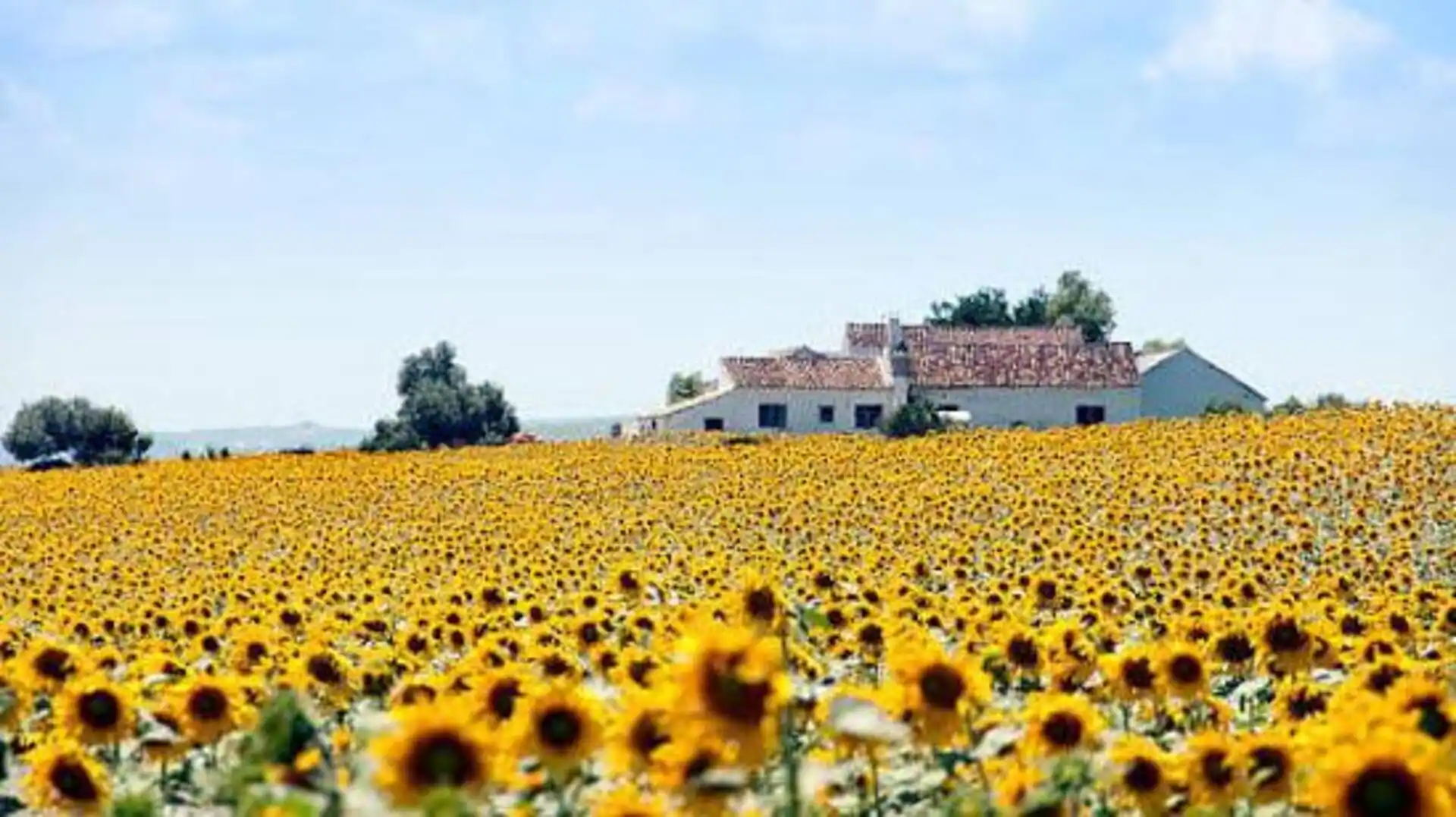
Bodies specialising in this niche argue that a more leisurely form of tourism can be an opportunity to promote smaller or rural destinations, supporting local communities and working with them so they can grow sustainably.
From a public policy perspective, this makes sense: tourist hordes tend to flock to a handful of places and governments (with recent campaigns in France and Japan) are increasingly trying to lure them to other corners of their territory to ease overcrowding and share out the spoils of one of the world’s most lucrative sectors. In Spain itself, half of all travellers are concentrated in just three regions – Catalonia, the Canary Islands and the Balearic Islands – despite it being the third largest country in Europe.