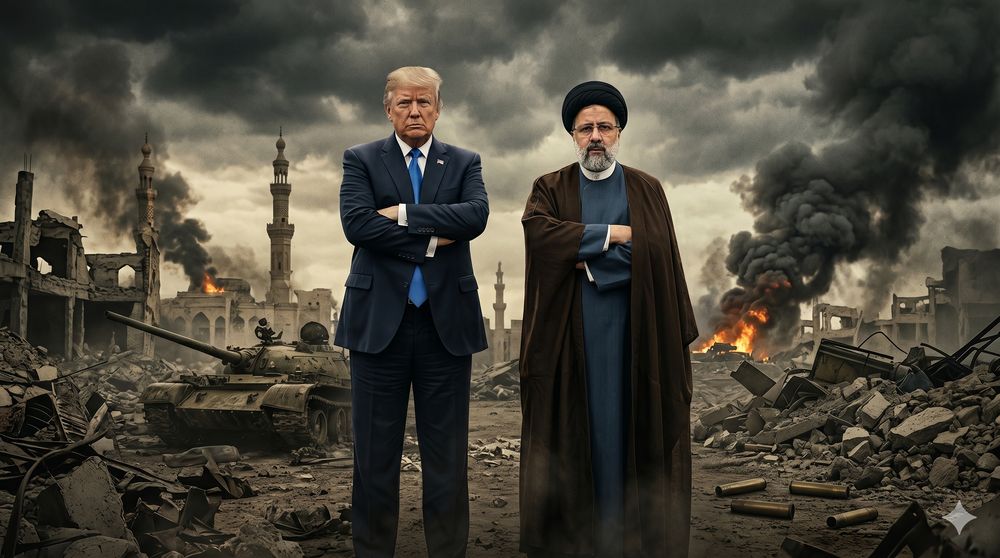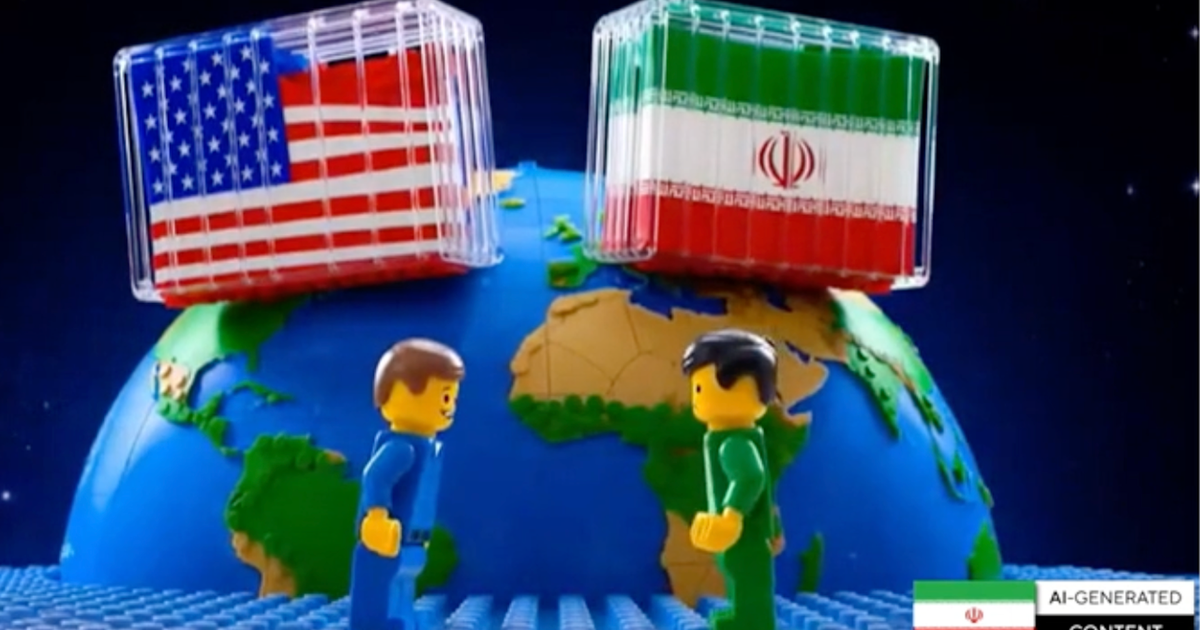
Wars are fought on battlefields, but they are won and lost in the minds of audiences. The recent confrontation between Iran and the U.S. demonstrated that military superiority does not automatically translate into narrative dominance. While the U.S. possessed overwhelming military capabilities, Iran appeared to outperform Washington in the realm of strategic communication. The reason lies in a principle often overlooked by policymakers: the most important element of strategic communication is not messaging, media reach or technological sophistication, but credibility.
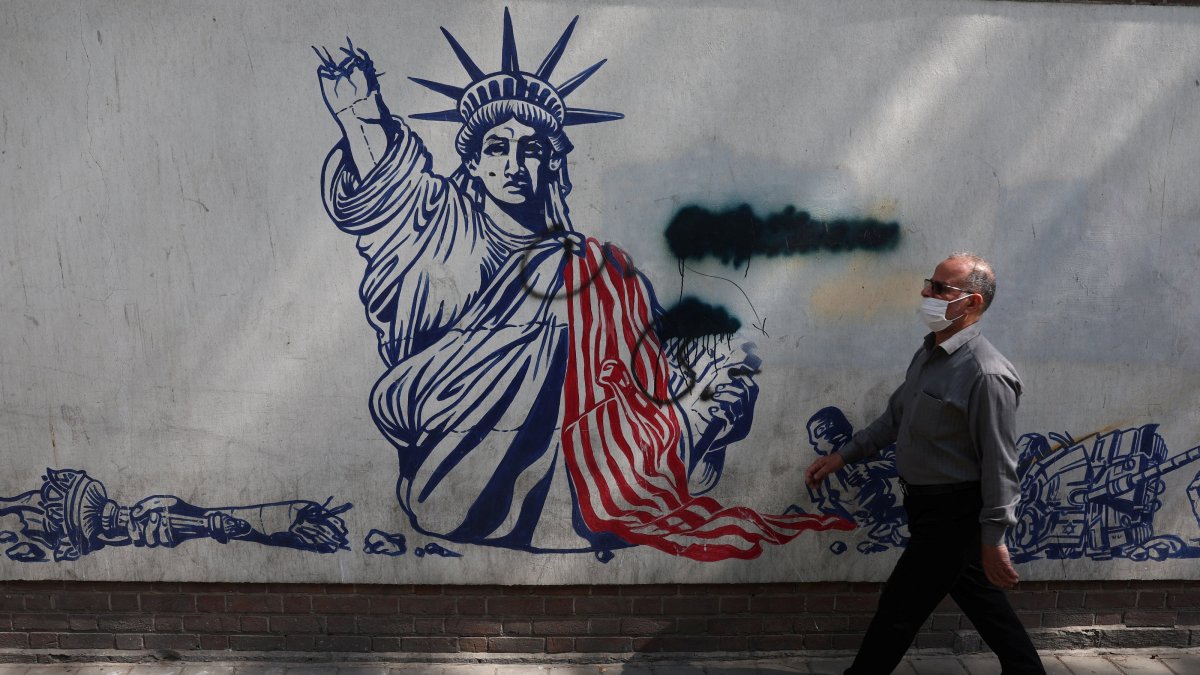
Strategic communication succeeds when words, images, symbols and actions reinforce one another. Throughout the conflict, Iran demonstrated remarkable narrative discipline. Its political leadership, military commanders, diplomats and state media consistently framed the conflict through the lens of sovereignty, resistance, resilience and national defense. Missile launches were accompanied by carefully crafted imagery, official statements, and diplomatic messaging that all pointed in the same direction. Whether one agreed with Tehran's narrative was almost beside the point. The message remained coherent. The words matched the images, and the images matched the actions.