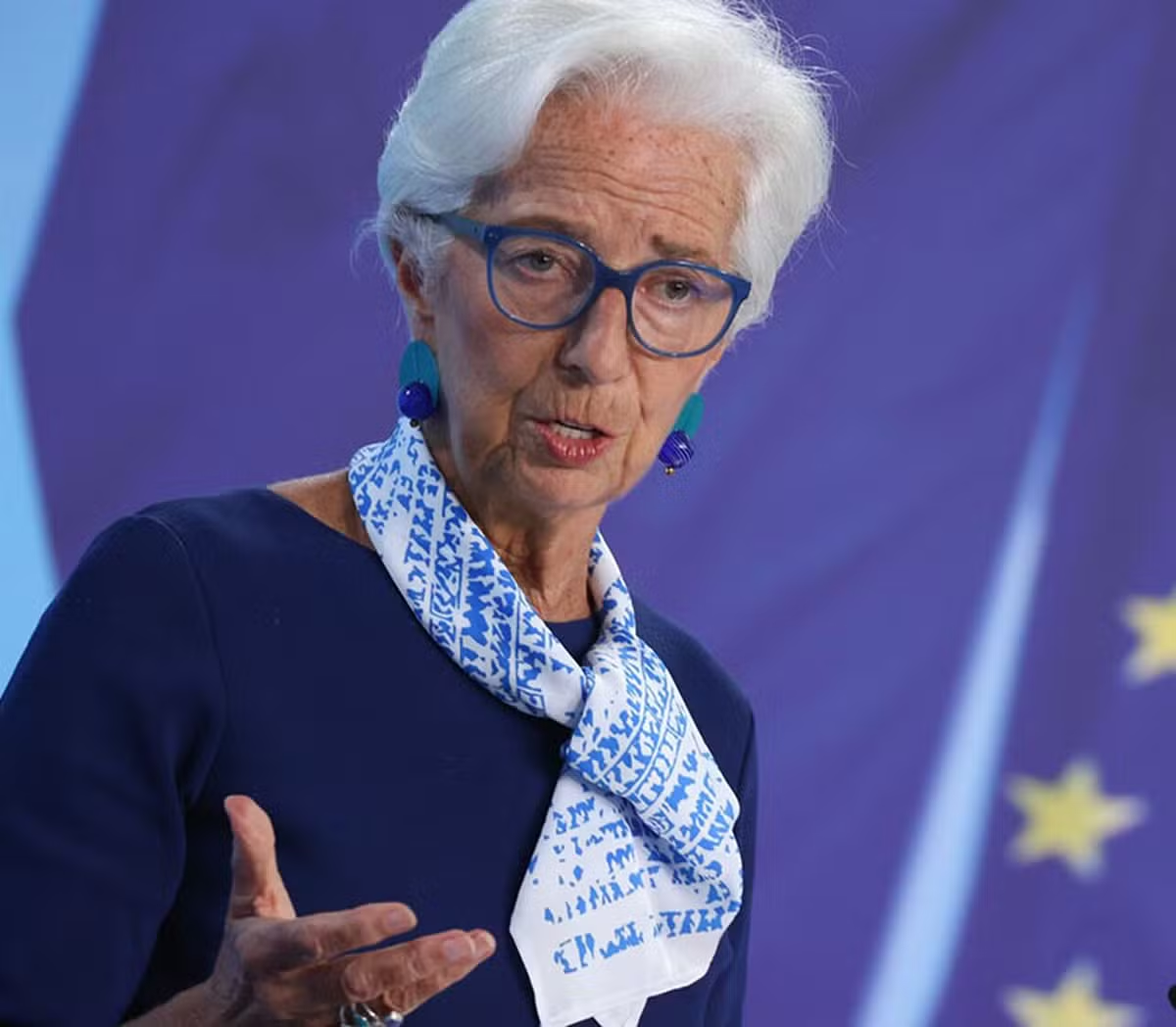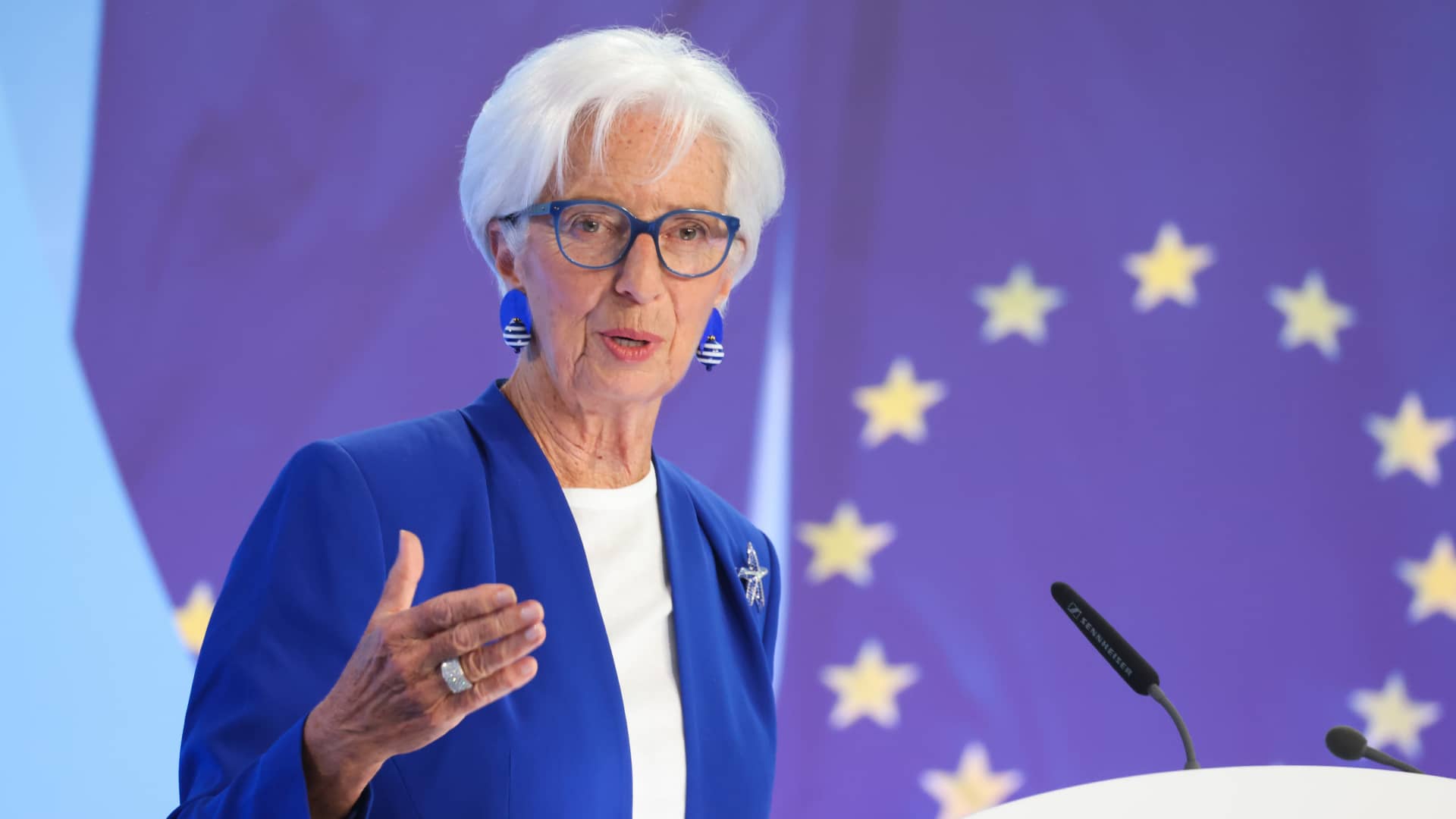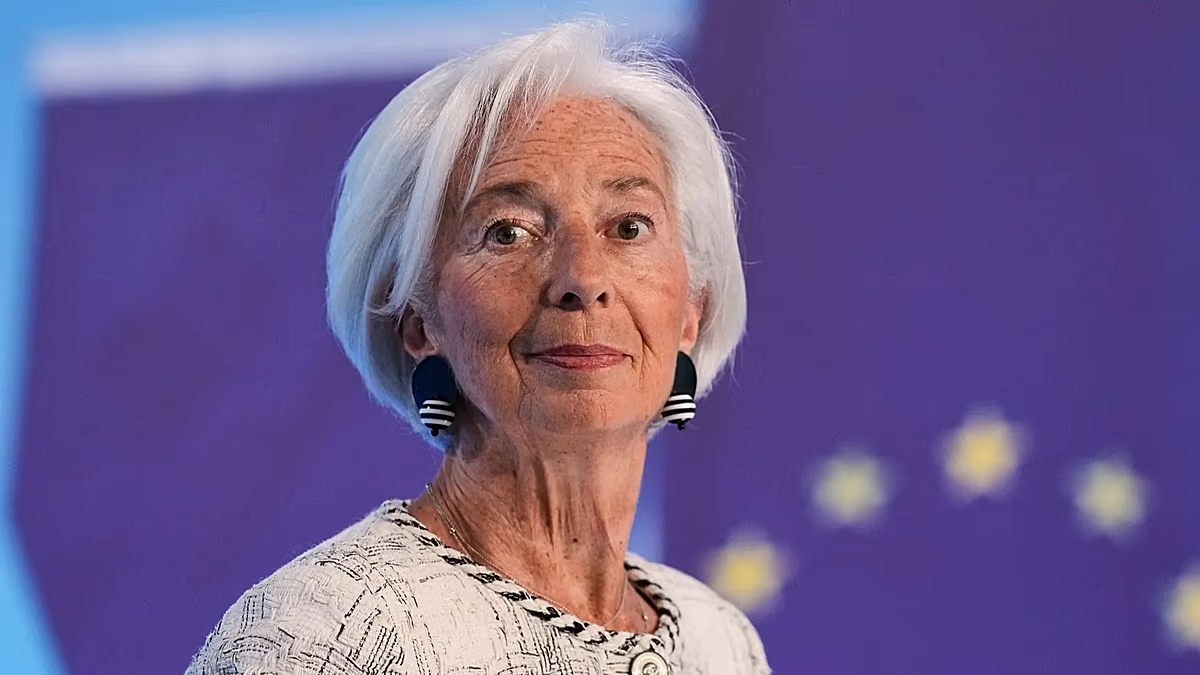
Three weeks is a long time in central banking. At least, that is what ECB President Christine Lagarde suggested during the bank’s annual retreat in Sintra at the end of June 2026, when she told attendees that risks to both inflation and growth across the euro area had become more balanced. The remarks landed less than three weeks after the ECB raised interest rates for the first time since 2023.
What the ECB actually said, and what it means
Lagarde’s comments centered on a shift in the risk balance, the internal framework the ECB uses to describe whether the threats to its forecasts lean more toward one outcome than another.
The backdrop matters here. The ECB’s June 2026 Eurosystem projections put headline inflation at 3.0% for 2026, dropping to 2.3% in 2027 and hitting the bank’s 2.0% target in 2028. Growth is expected to come in at 0.8% for 2026, picking up to 1.2% in 2027 and 1.5% in 2028.
Geopolitical pressures, specifically energy market volatility tied to the ongoing conflict in the Middle East, shaped both the inflation and growth projections. Higher energy prices feed directly into headline inflation. They also weigh on industrial output and consumer spending, which is why the growth outlook stays muted even as inflation remains above target in the near term.