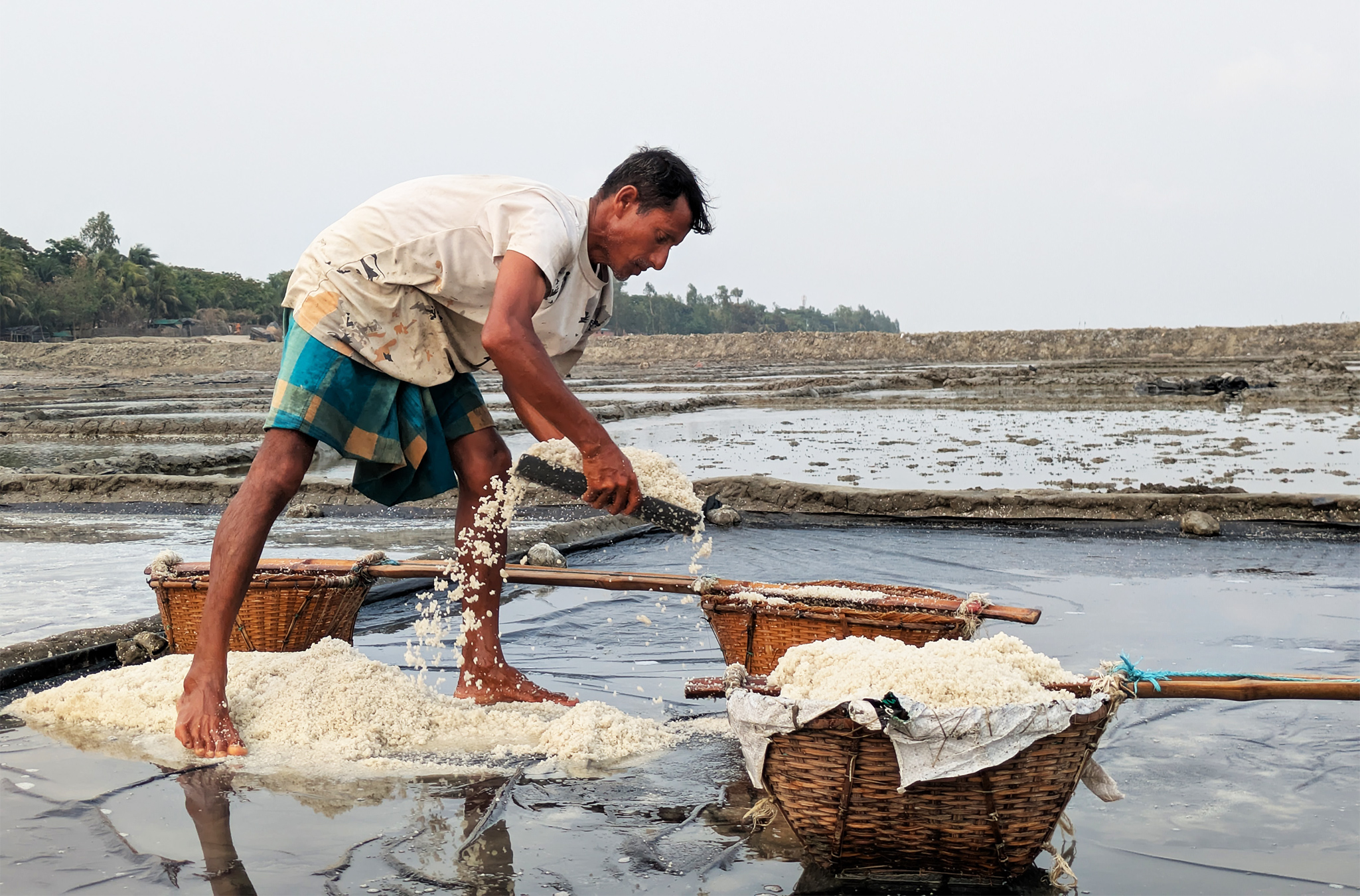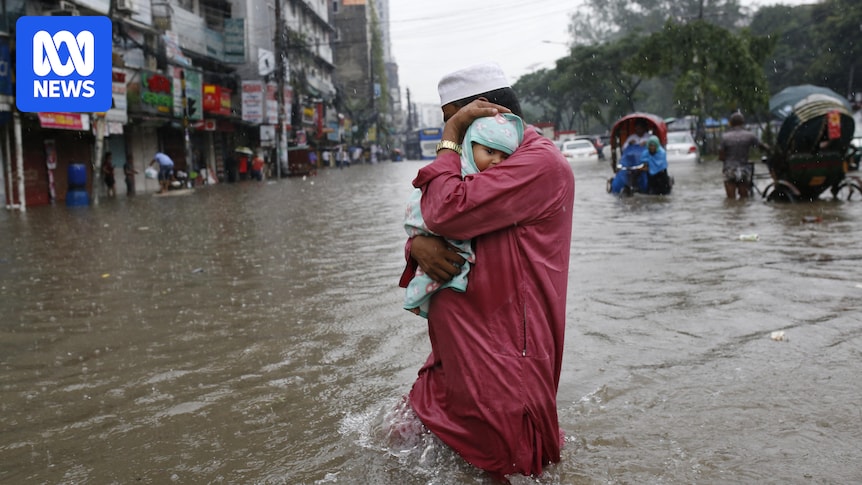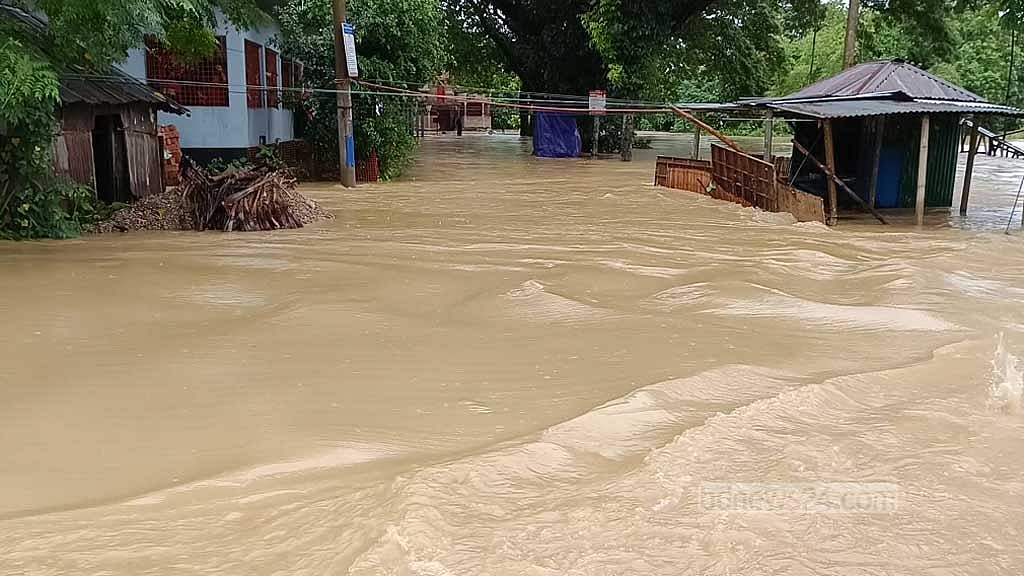
Projections indicate that Bangladesh faces an amount of sea level rise that will bring major saltwater intrusion into precious freshwater supplies, plus human health impacts, flooding and rampant erosion across coastal areas.Though Bangladesh did very little to cause climate change, the nation is not without answers, including the government’s Delta Plan 2100, but it is not moving quickly enough to act on them in time to avoid the worst impacts, the author writes.“What has been missing is not knowledge or technology, but the institutional will to treat this like the emergency that it is,” the writer argues.This article is a commentary. The views expressed are those of the author, not necessarily of Mongabay.
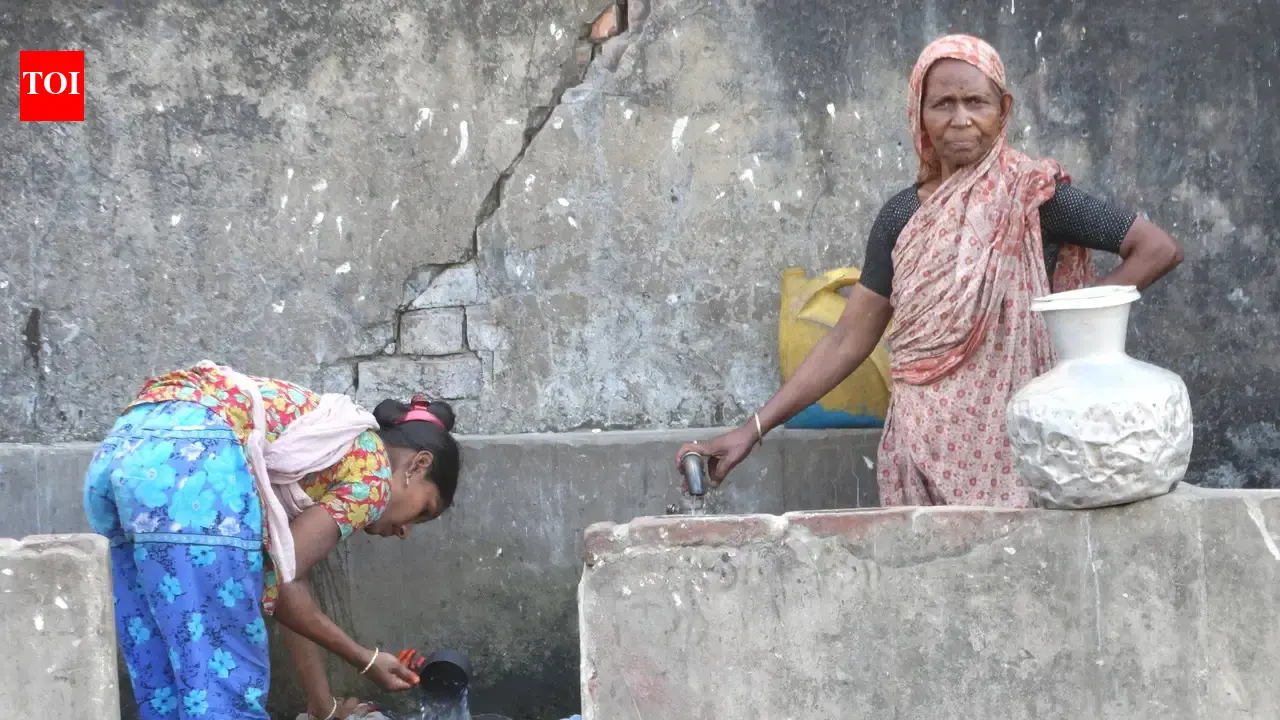
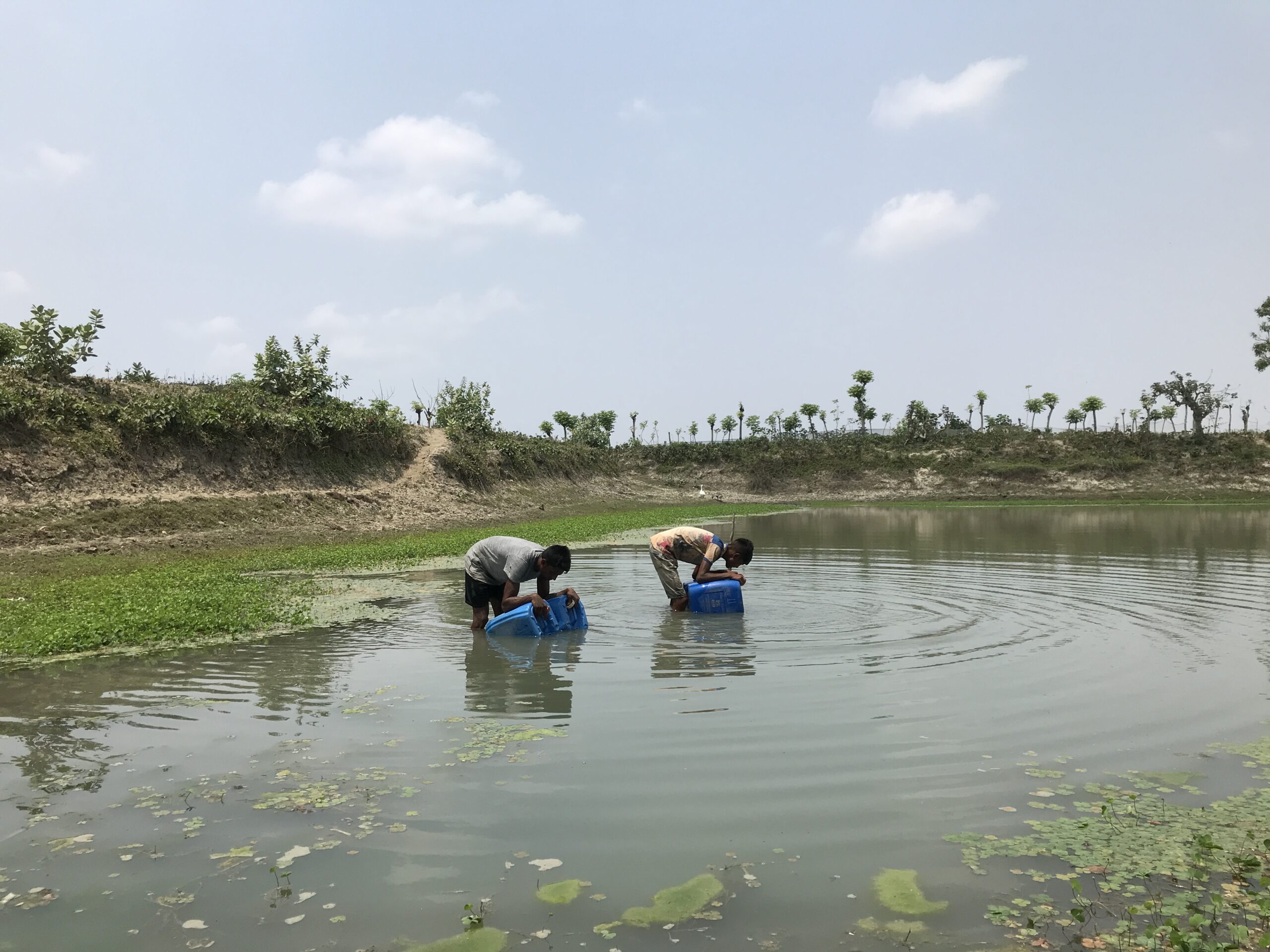
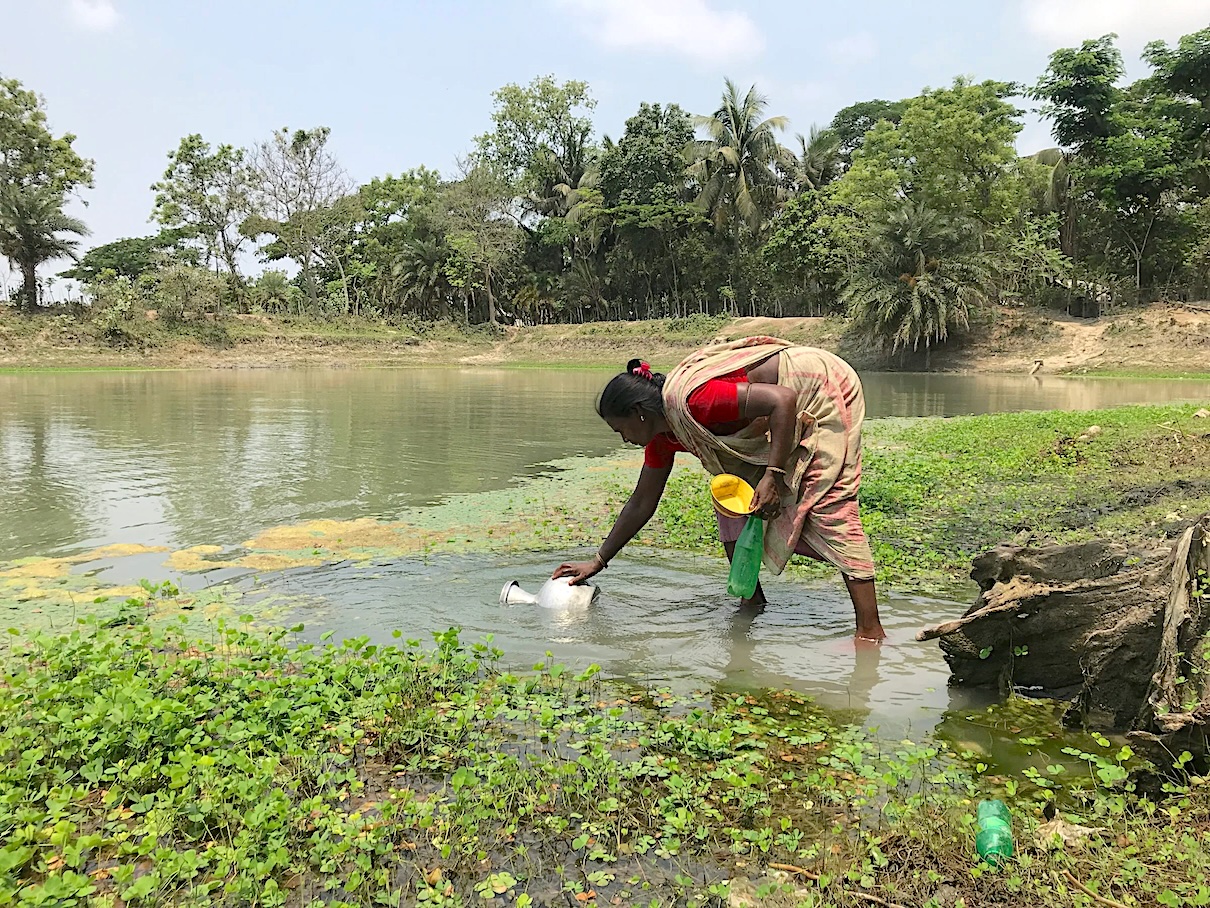
Every morning, before the sun has fully risen over the tidal flats of Satkhira in southwest Bangladesh, women begin walking. They walk two kilometers, sometimes five (about 1.2 to 3.1 miles) and sometimes more, carrying empty vessels that they will fill with water fit for drinking. Then they walk back. Then, some days, they walk again.
A UNDP study found that women in coastal Bangladesh spend up to six hours a day on this task alone, six hours that cannot be spent earning, learning or caring for their children, and this is not even a drought zone. This is one of the largest deltas on Earth.