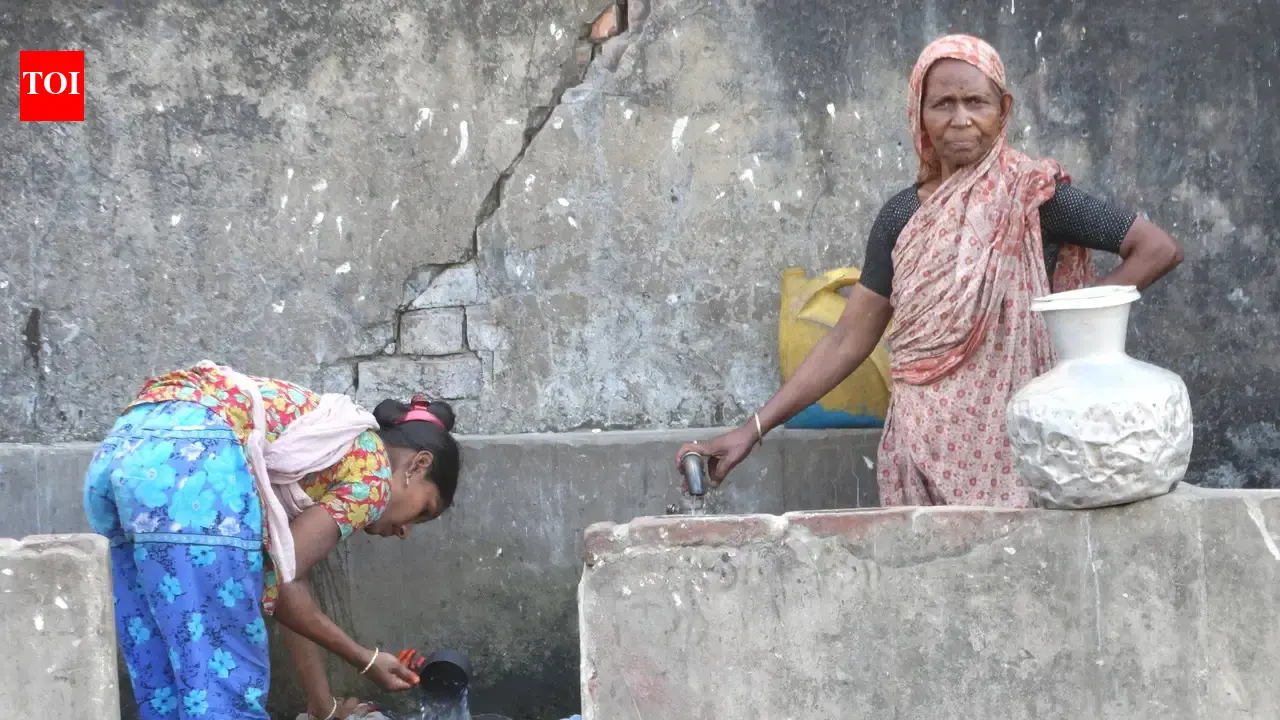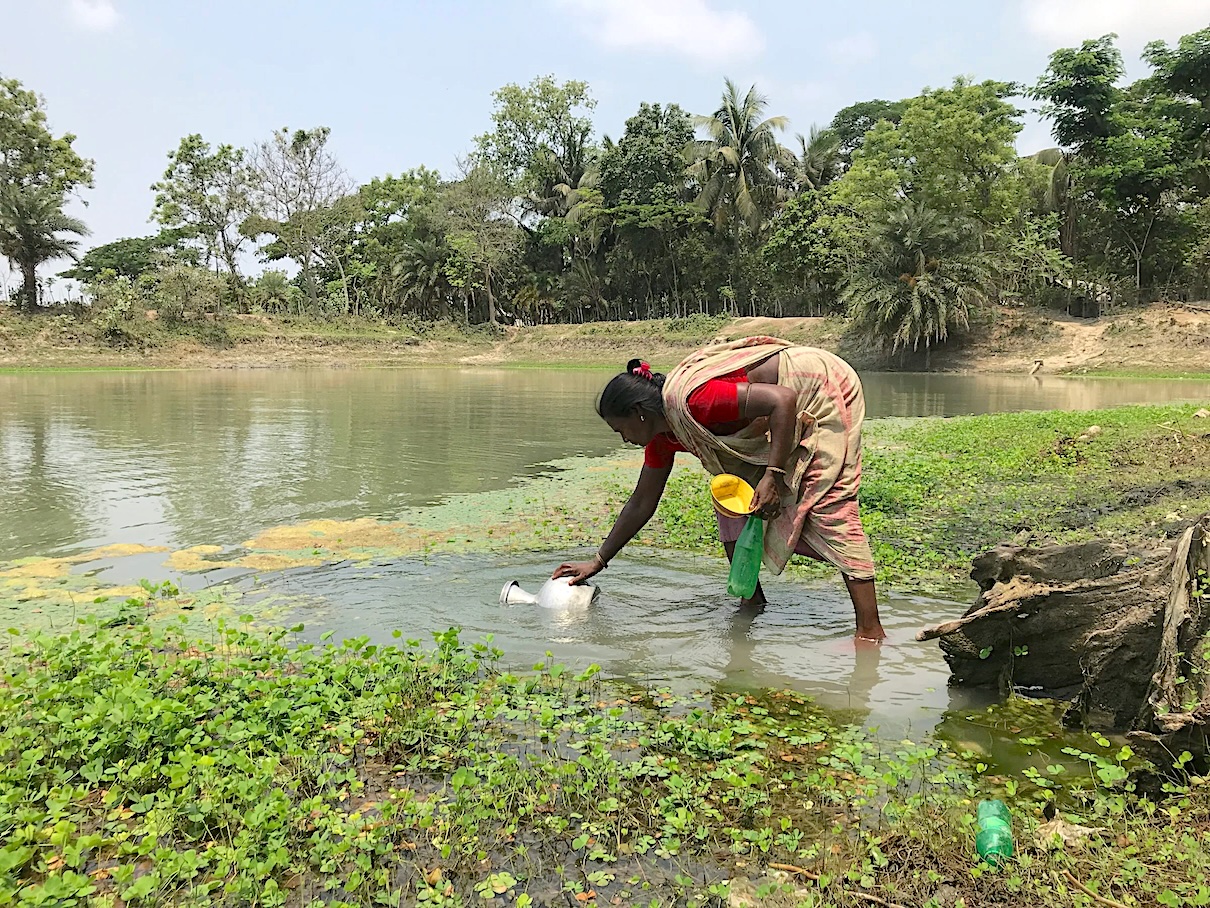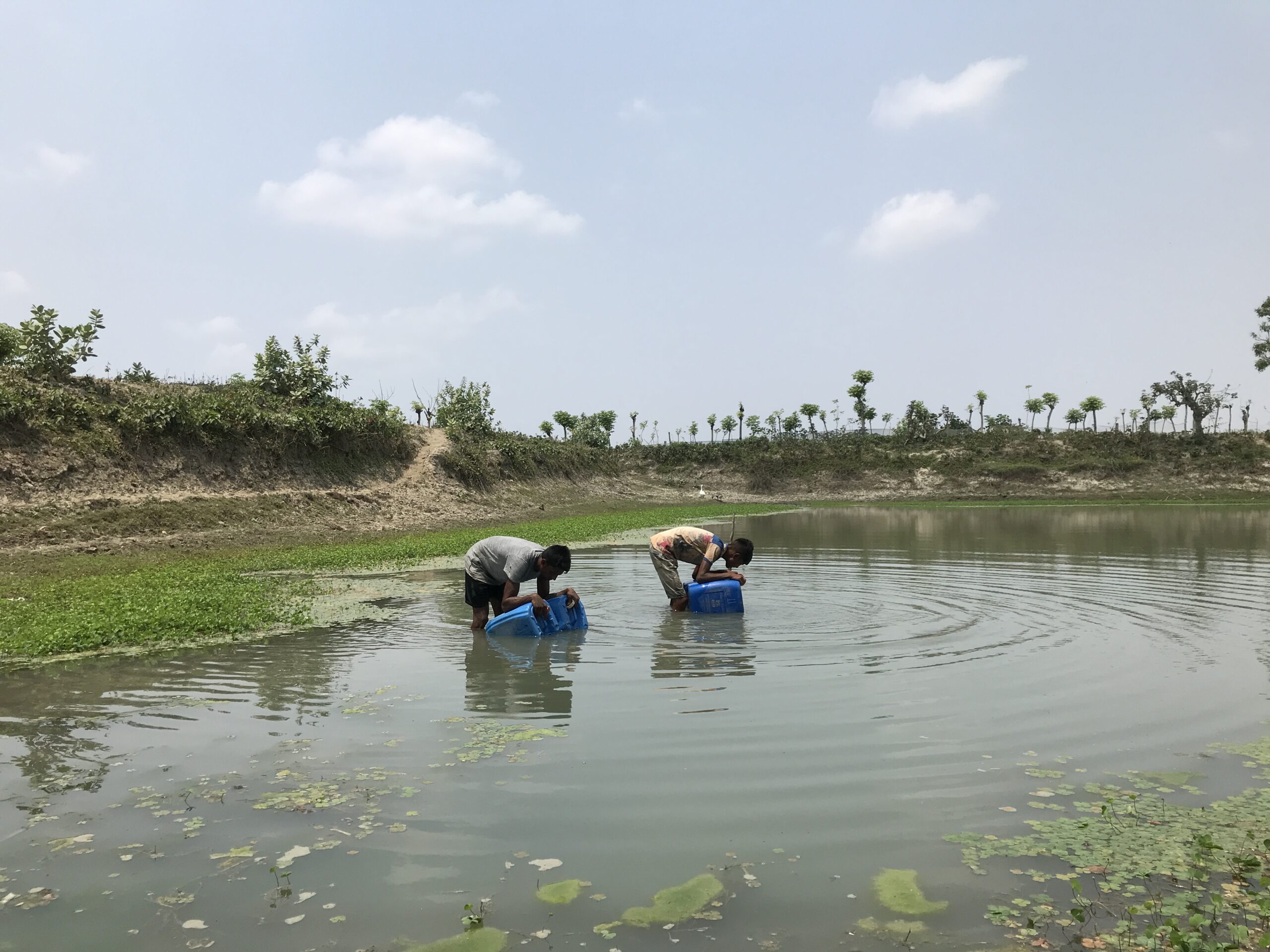
Climate change and rising sea levels are driving salt water intrusion into drinking water sources in coastal Bangladesh, which research links to an increased risk of preeclampsia, a leading cause of maternal mortality.Rural communities lack adequate freshwater infrastructure, which means pregnant women are often forced to consume saline water, making them particularly vulnerable to the life-threatening effects of excessive sodium intake.To address this hidden health crisis and prevent further maternal deaths, Bangladesh’s government and partner organizations must take urgent action by subsidizing household rainwater harvesting tanks for the most vulnerable coastal families.Since this article is a commentary, the views expressed are those of the author and do not necessarily reflect those of Mongabay.
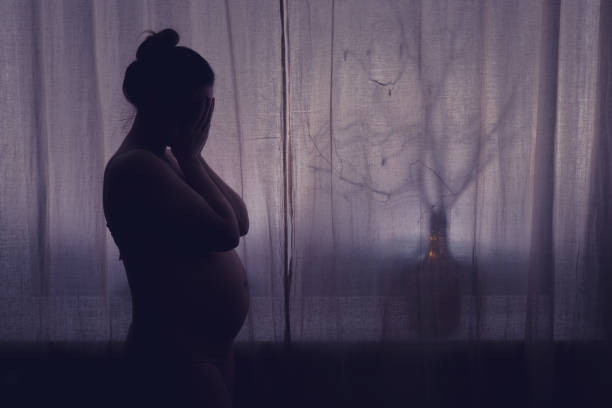
Hypertensive or high blood pressure disorders are among the leading causes of maternal deaths in low-income countries. A pregnancy complication known as preeclampsia, a hypertensive disorder, is listed among the top five causes of maternal deaths in Bangladesh. For expectant women with preeclampsia, timely treatment is required; otherwise, it can lead to issues such as elevated liver enzymes, low platelet count syndrome, hepatic failure, coma or loss of life.The Sustainable Development Goals adopted by the U.N. set an ambitious target to reduce the maternal mortality rate to less than 70 per 100,000 live births by the end of 2030. While many developed nations have already achieved the U.N. target, low- and middle-income countries are yet to achieve these goals. In Bangladesh, the maternal mortality rate is 196 per 100,000 live births and rates remain significantly higher in the neighboring countries .