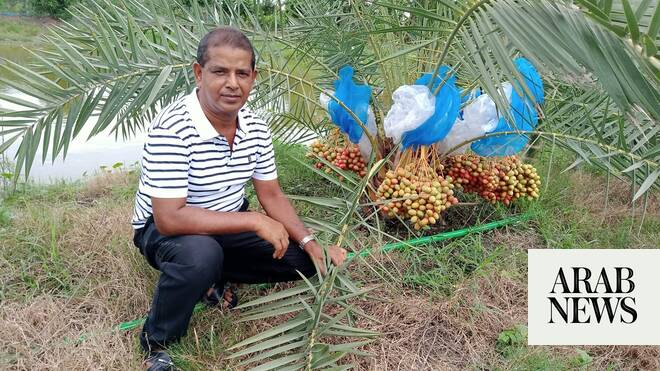
DHAKA: When Dihider Zakir Hossain first planted Saudi date palm offshoots in southern Bangladesh, he was not sure they could survive in its poor, saline soil. But six years later, the trees are bearing fruit — offering new hope for farming in a region increasingly affected by climate change.
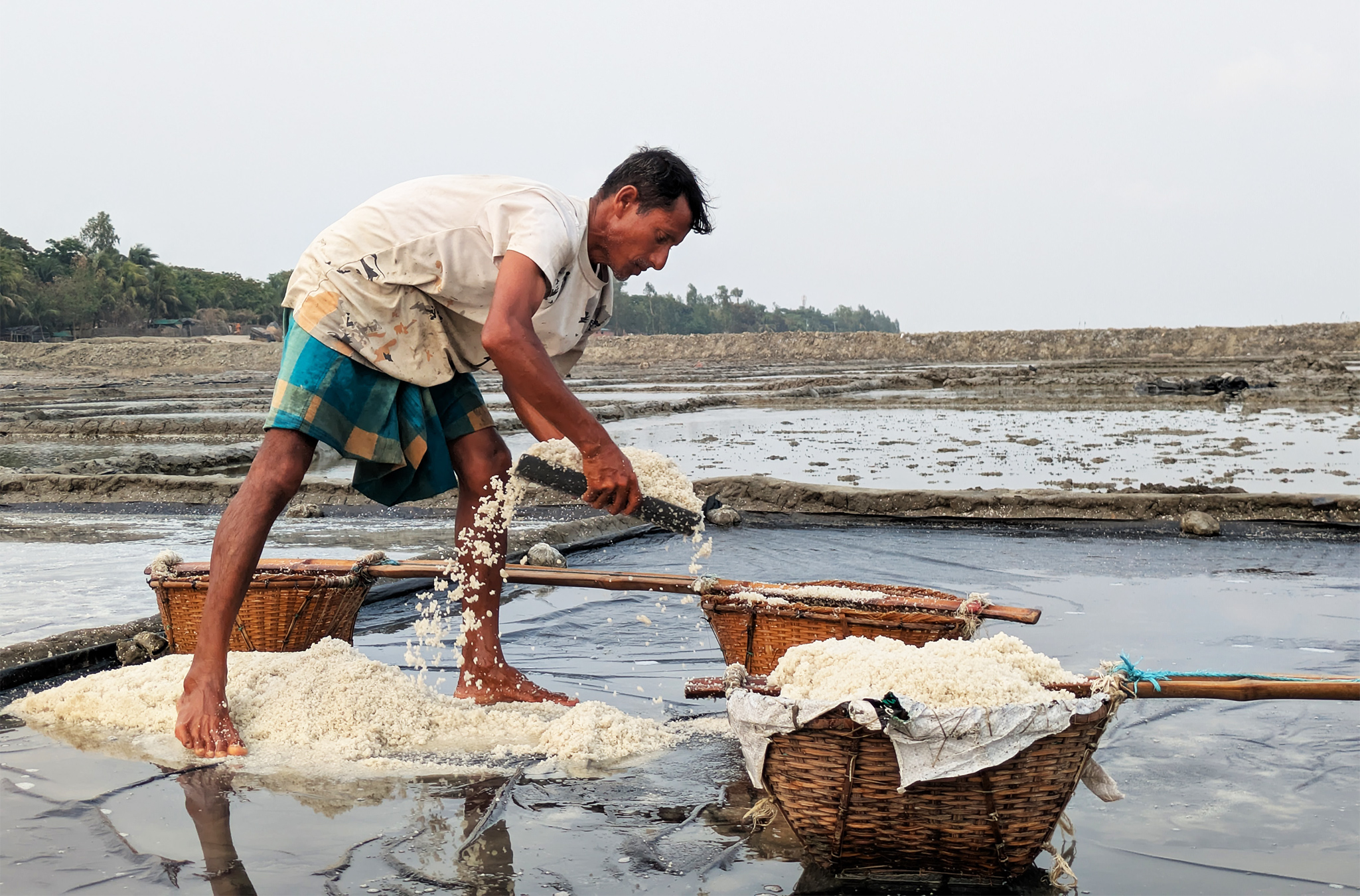
Since the 2000s, the coastal regions of Bangladesh have been heavily affected by soil salinity. One of the main reasons is the changing climate that makes sea levels rise and push seawater into the land, contaminating it with salt.
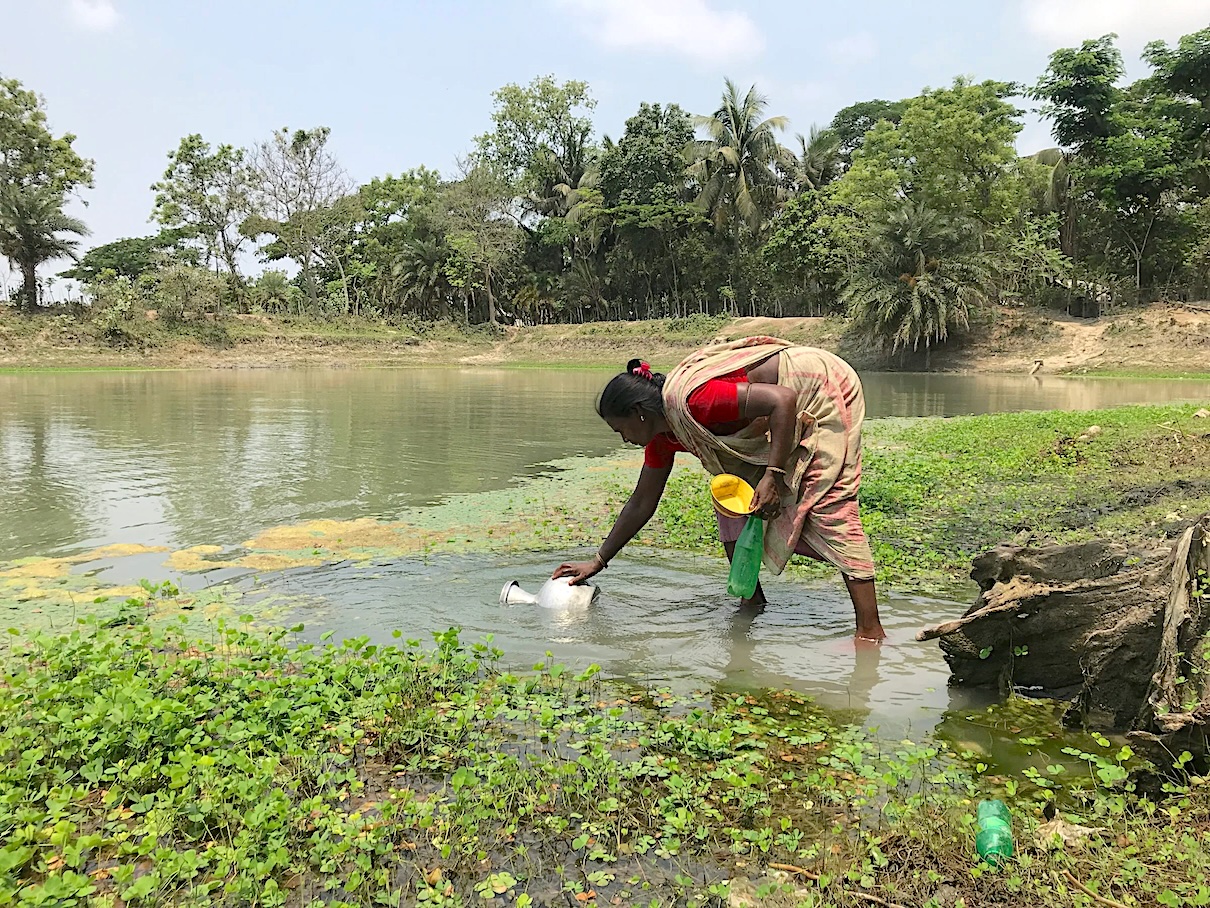
In low-lying Bangladesh, the process is much faster than the global average and in the past few years, many farmers have either lost their land to seawater or are facing difficulties in cultivating it.
To make use of his land in the southwestern district of Bagerhat, Hossain decided to take a risk and introduce a new plant. He had seen local varieties grown there before, but those dates were low-quality and a plantation could not be easily expanded as they did not produce offshoots — small, rooted shoots taken from a date palm to grow new trees.
Hossain bought the first 40 offshoots of his date palms from Mymensingh district in northern Bangladesh — the first place in Bangladesh where Saudi varieties were ever grown.