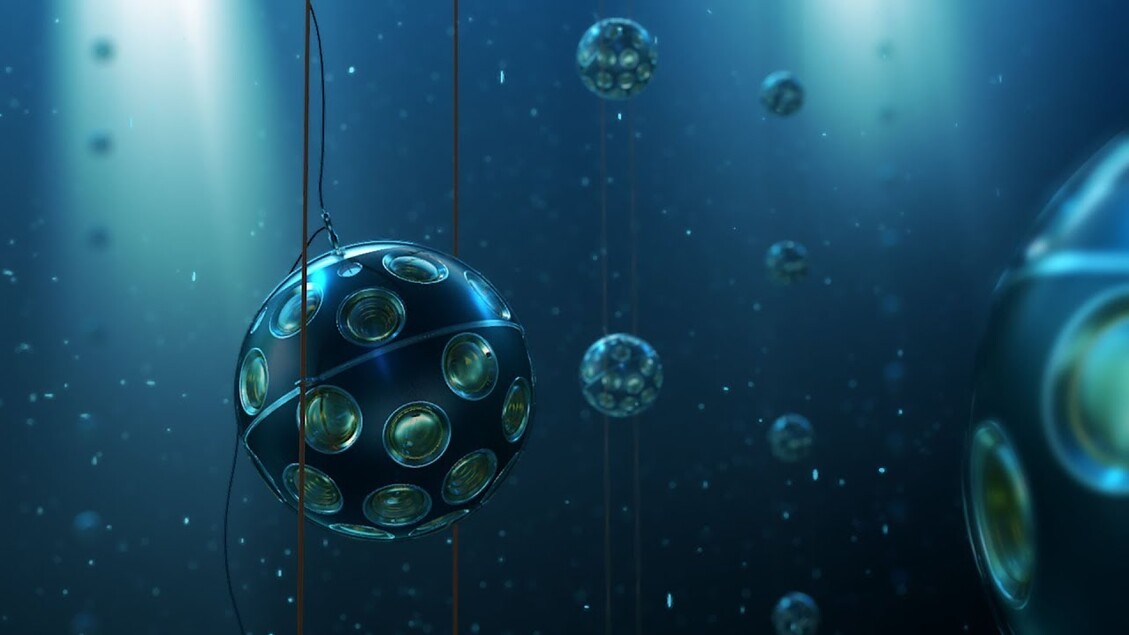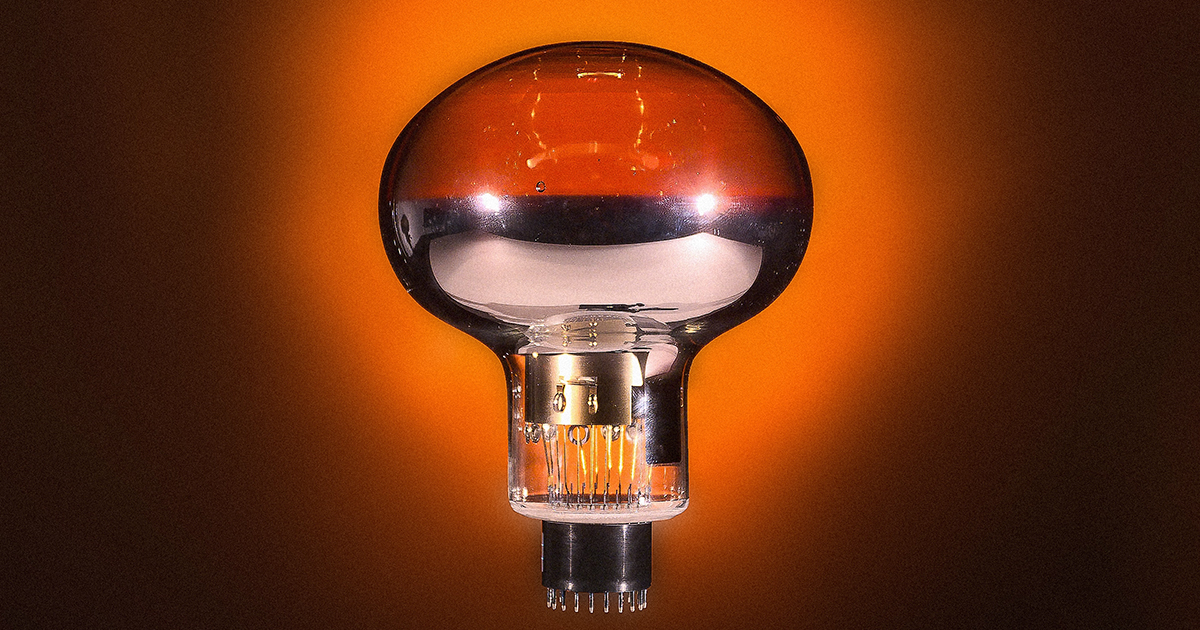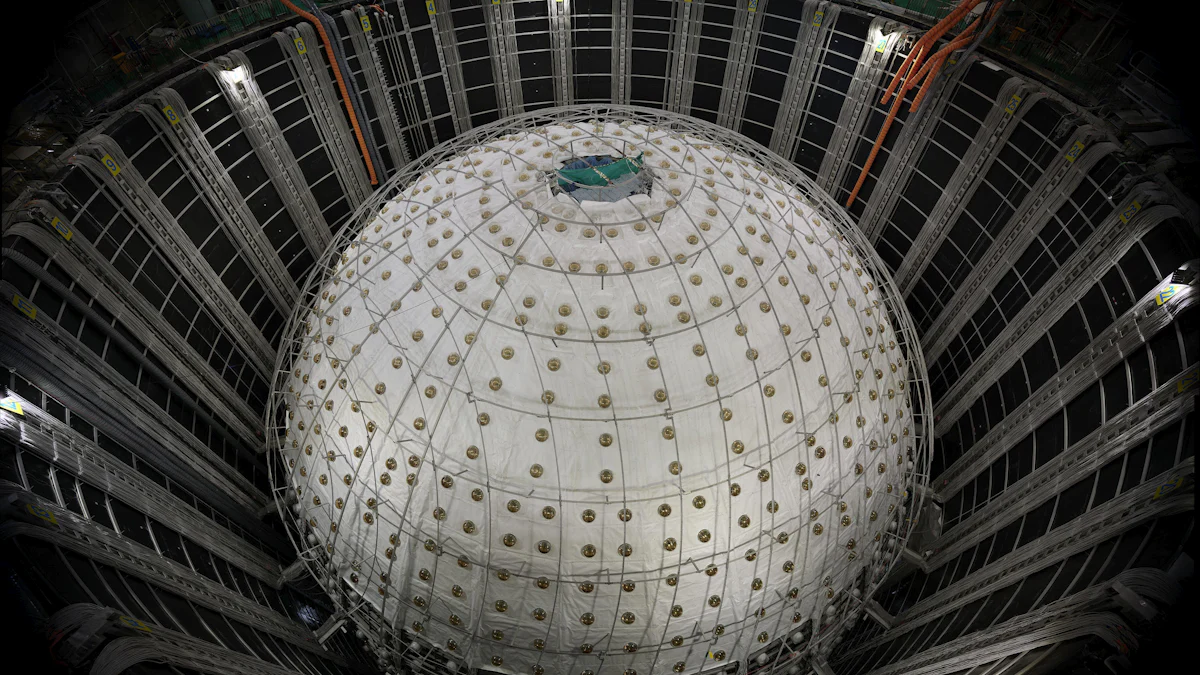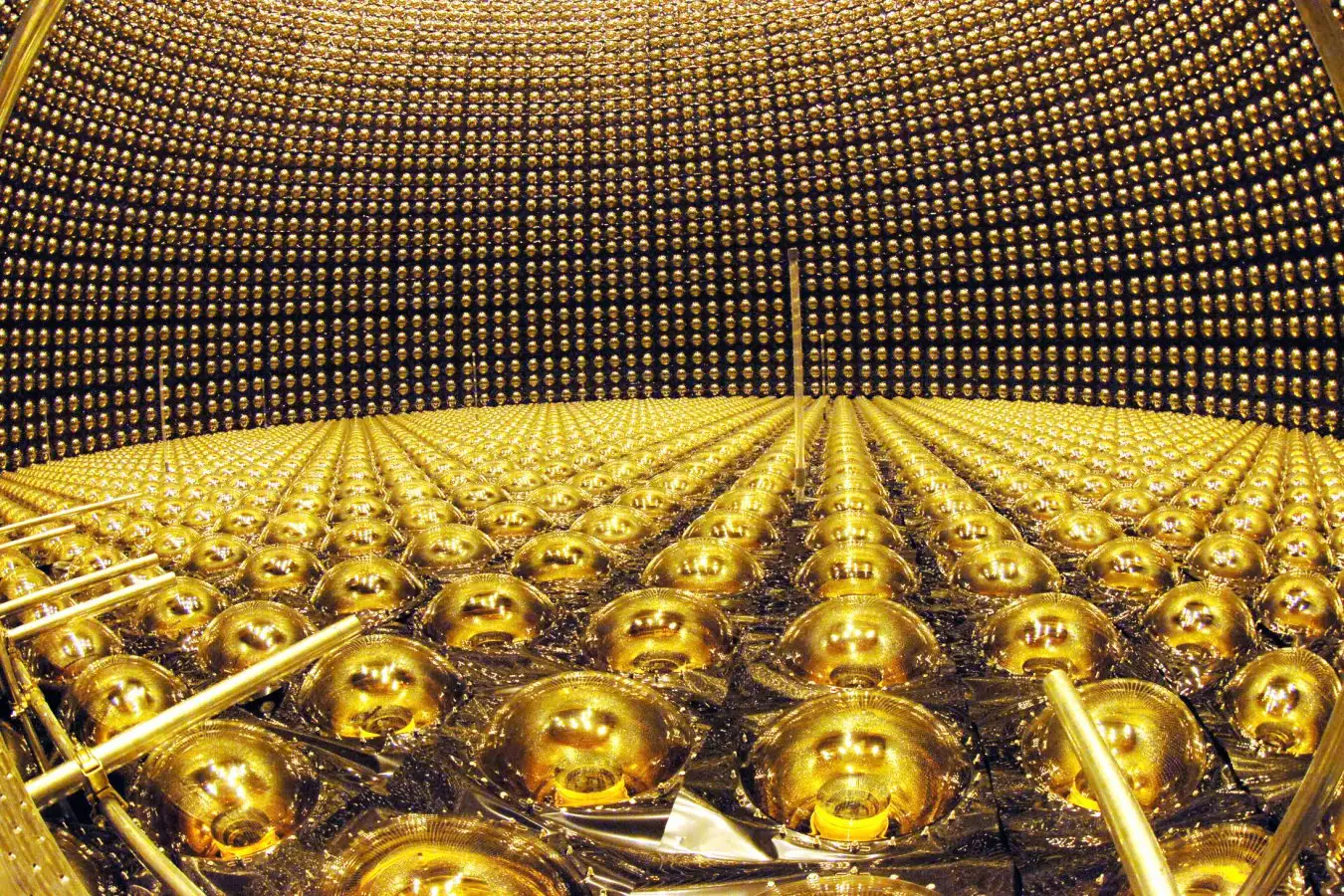
The Super-Kamiokande neutrino detector facility in JapanThe Asahi Shimbun via Getty Images
The standard model of particle physics may be due for a philosophical remodel, including rethinking what qualifies each of its particles to count as a particle to begin with.
Whether a particle is involved in making up matter or carrying a force, it or its constituent parts has a place in the standard model of particle physics. In this way, the standard model is similar to the periodic table of elements – it tabulates the building blocks of our world. But George Hobart at the University of Bristol in the UK now argues that this tabulation may need to be revisited, and even changed, to make for a more sound model of physical reality.
At the heart of his reasoning are particles called neutrinos, which are notoriously elusive because they only interact with other particles very weakly through gravity or across very short distances through the weak nuclear force. Additionally, their mass isn’t precisely known, nor can the standard model predict it through the so-called Higgs mechanism that explains the masses of all other particles.
There is another oddity, too. The standard model tabulates three different neutrinos – the electron neutrino, muon neutrino and tau neutrino – each of which has a more massive “big brother” particle that it shares a name with: electron, muon and tau. While an electron can’t spontaneously become a muon, an electron neutrino can, for example, randomly turn into a muon neutrino.