Given the devastation wrought to international development by the massive aid cuts recently imposed by the US and many other Western nations, some university development studies programmes are understandably concerned about their future student enrolment.
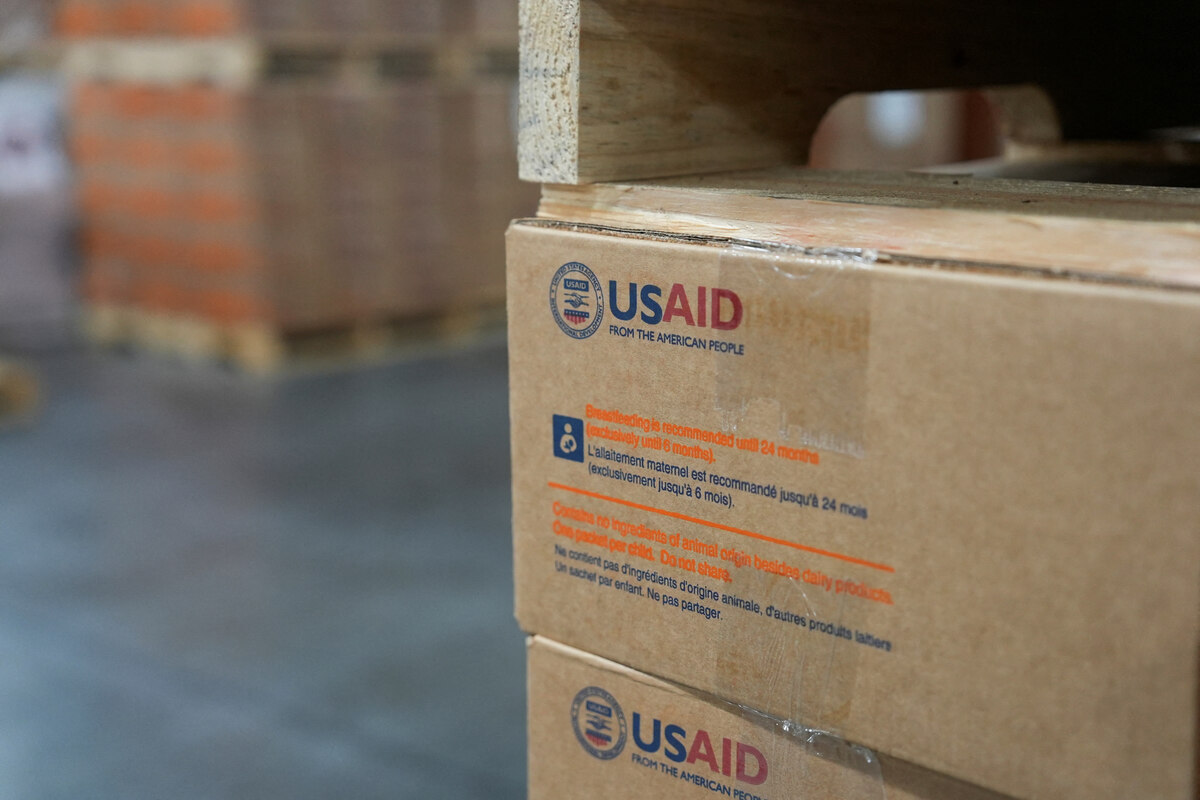
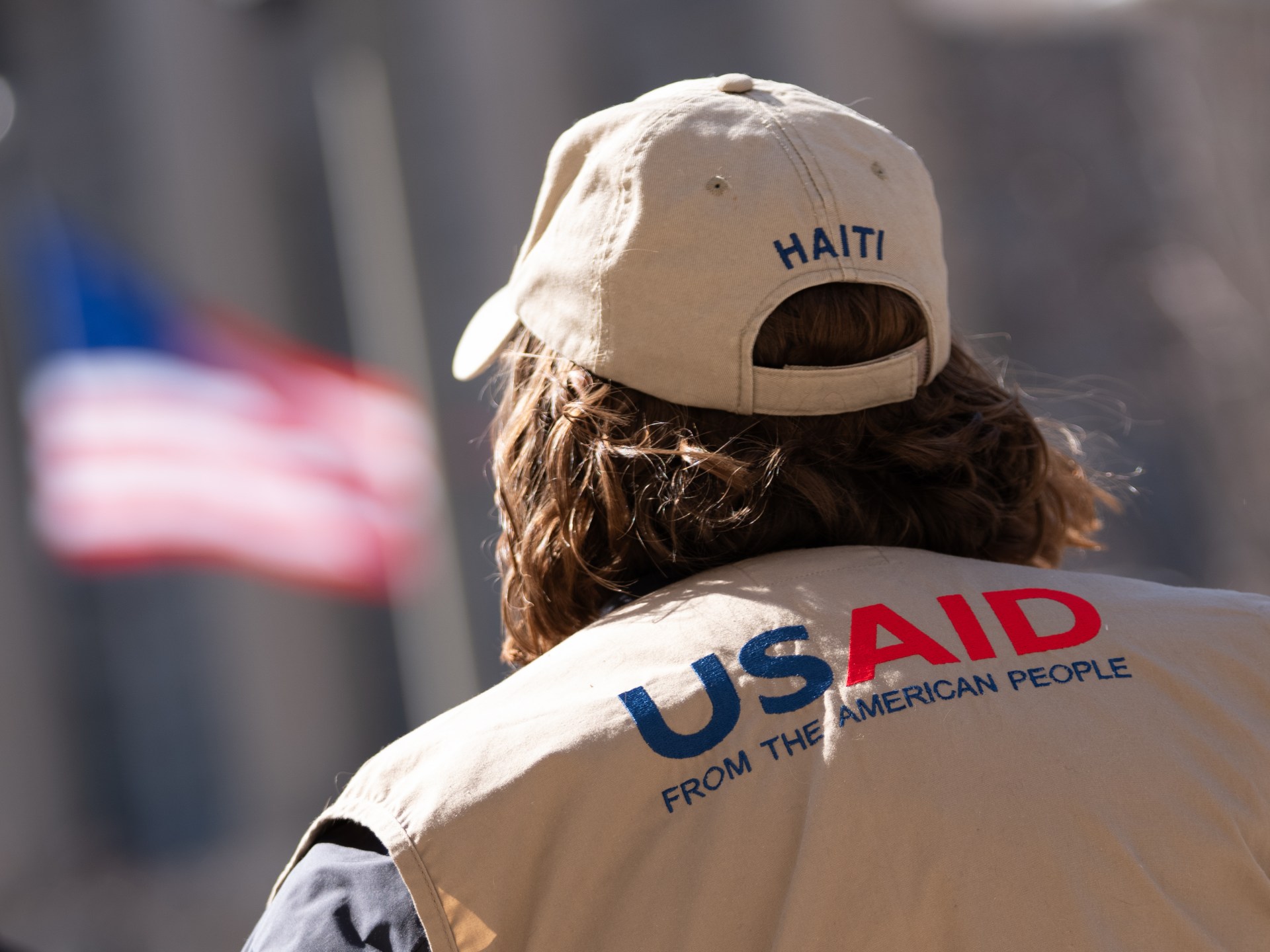
Since Donald Trump’s re-election in January 2025, the closure of USAID has led to deep cuts to hundreds of development projects around the world. And although their cuts are less dramatic, Canada, the UK, Germany and other European countries have also substantially reduced their development aid expenditures, leading to growing volatility in the aid sector.
Politicians are depicting development aid in broad strokes as wasteful spending for donor nations. There are also some optimistic accounts, from a different political perspective, of new possibilities for reducing aid dependency, which frequently has neocolonial and exploitative features. But when it is distributed ethically, equitably and in a spirit of genuine partnership and accountability, development aid often has beneficial outcomes for both donor and recipient states.
That is why the cost for the recent slashing of aid will not be paid solely in the health and lives of the poorest and most marginalised individuals in the developing world, as it is already doing. Development aid also benefits donors by lessening the likelihood of conflict within and between states, reducing the transmission of disease (including across international borders) and potentially opening markets as developing countries grow their economies and improve their human resources through expanded education and fulfilment of the rights of girls and women.