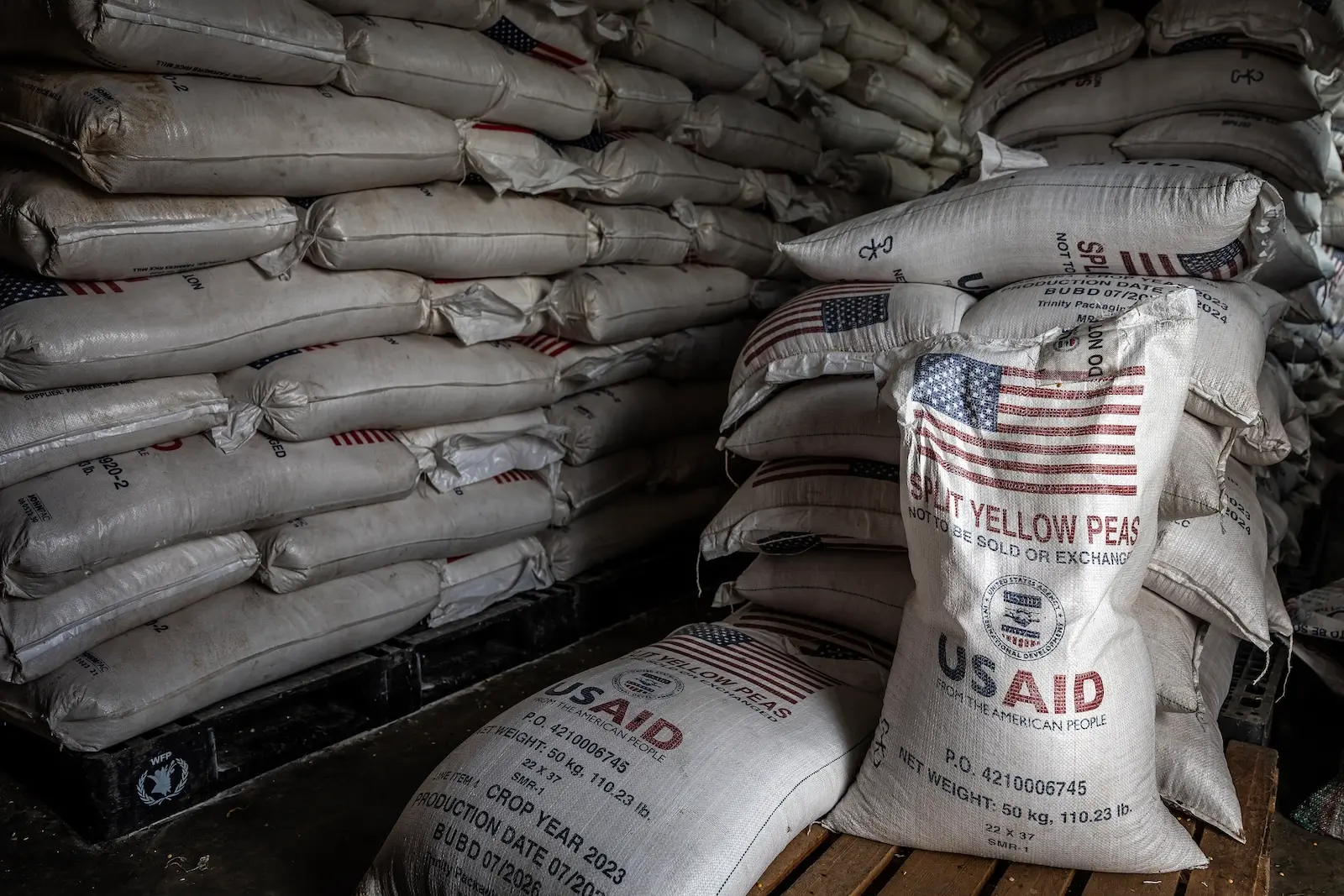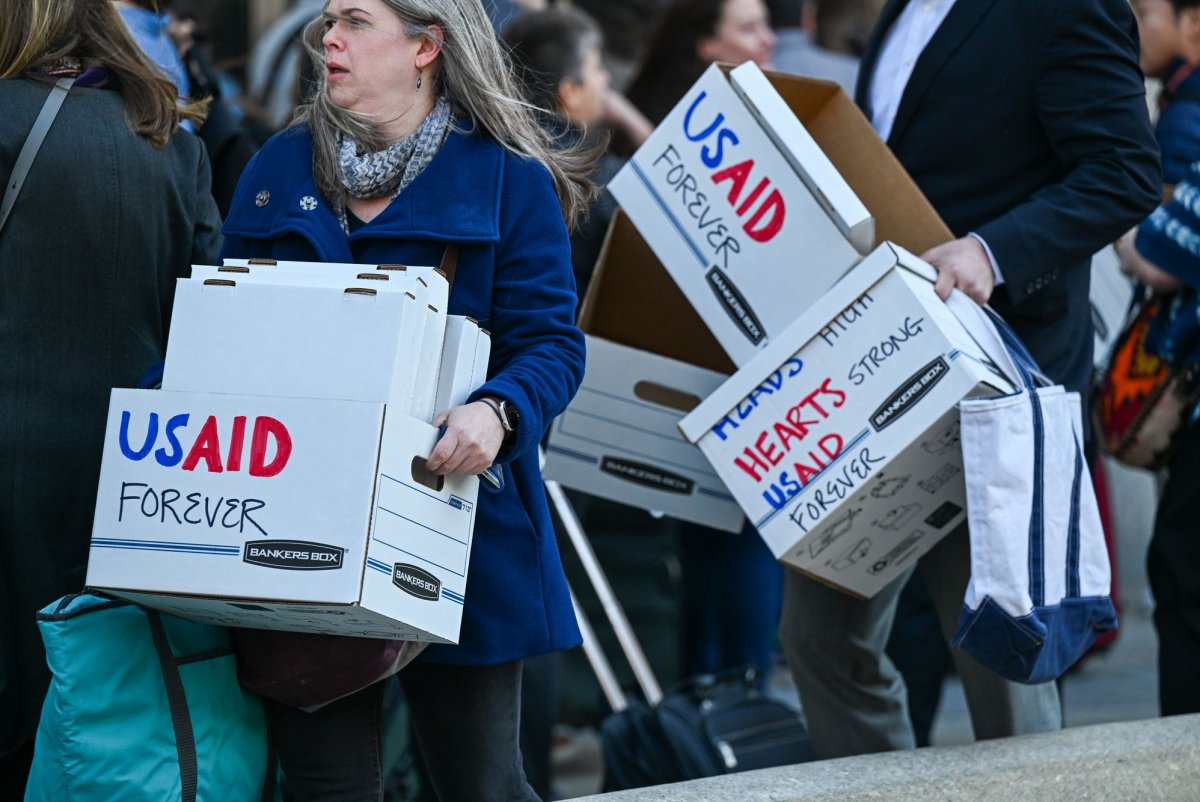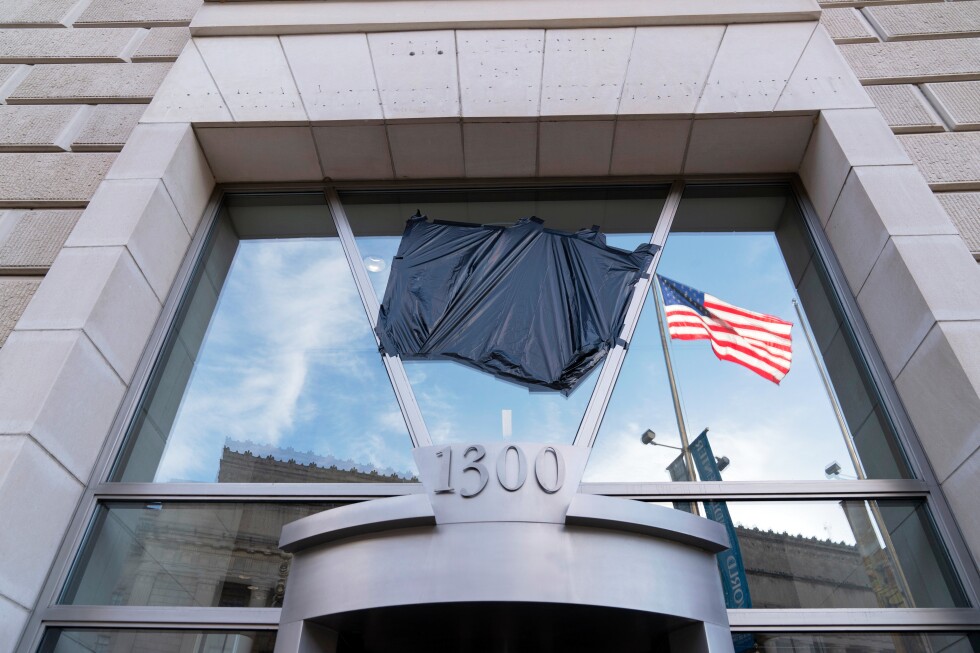
Over a year has passed since the Donald Trump administration dismantled USAID, cutting more than 5,000 programmes and slashing US$40 billion in funding worldwide.
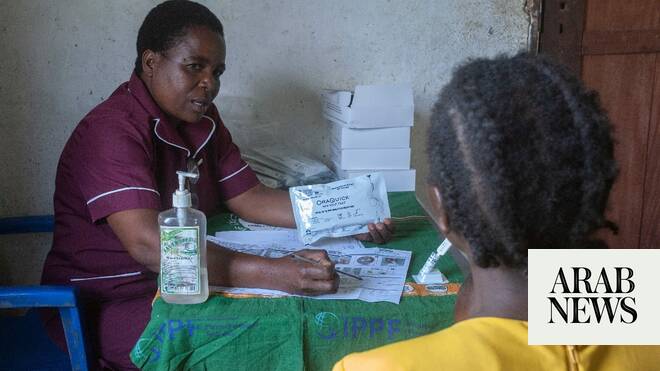
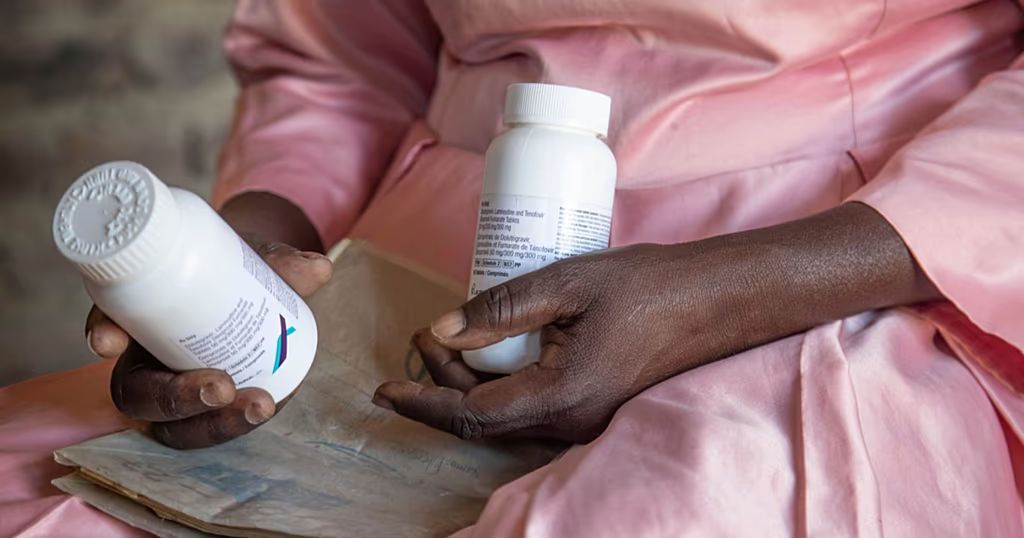
The cuts have reduced access to HIV treatment, driven up severe malnutrition among children, and resulted in an estimated 700,000 lives lost. Medication and infrastructure to treat diseases like malaria, tuberculosis and pneumonia were withdrawn.
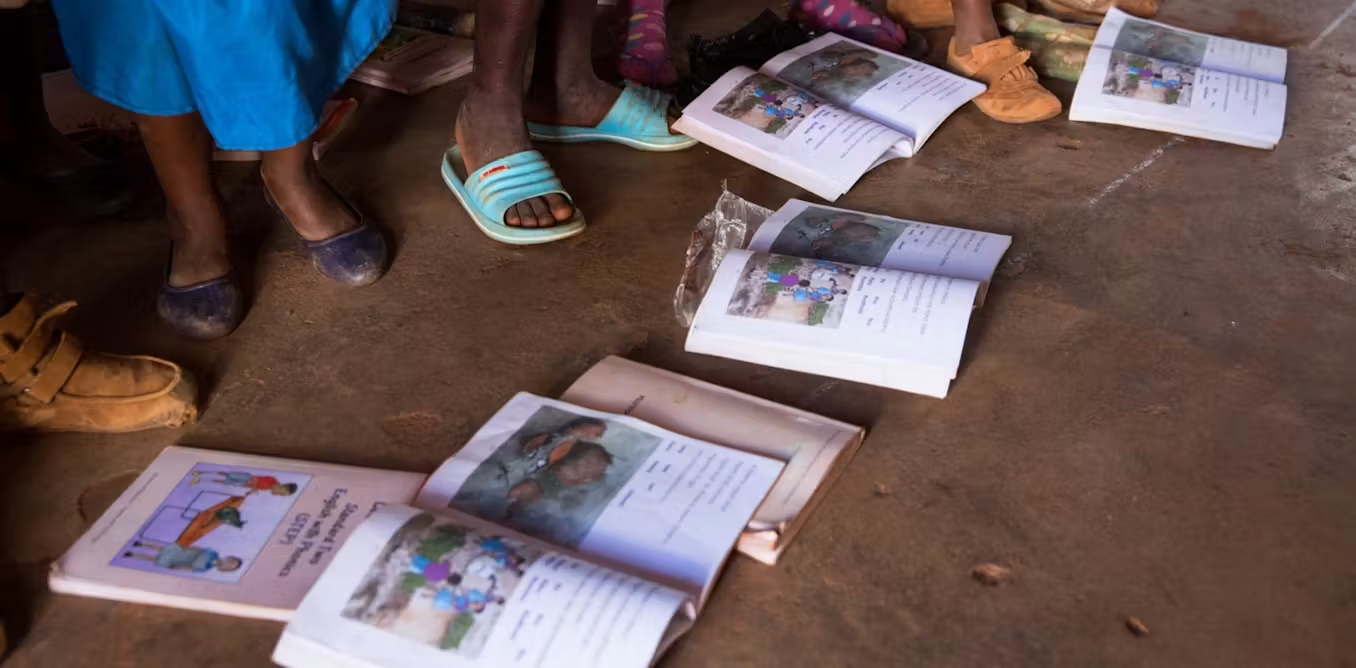
In education, USAID’s closure has created an “unprecedented crisis”, according to a report by the European Training Foundation, an EU agency.
Aid austerity is not limited to the US. In 2025, overall official development assistance dropped by 23%, marking what the OECD described as a “historic decline in foreign aid”. Cuts came from the US, Germany, the UK, France, Canada and Japan.
As a transnational team of education scholars, we take a critical approach to development aid. While we recognise that aid can improve and even save lives, it is not an inherent good. It can reproduce inequities.