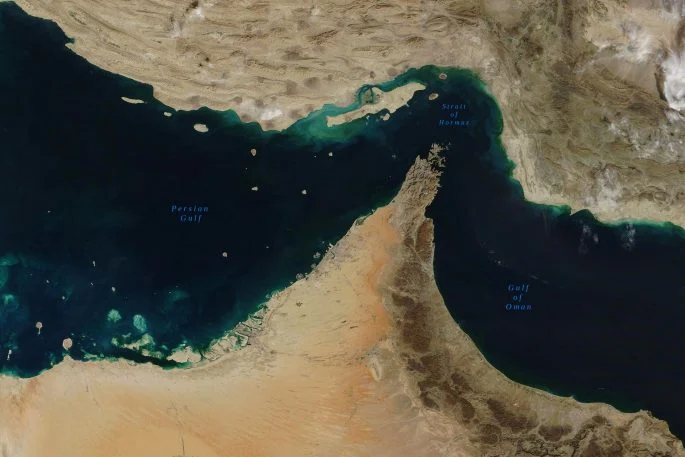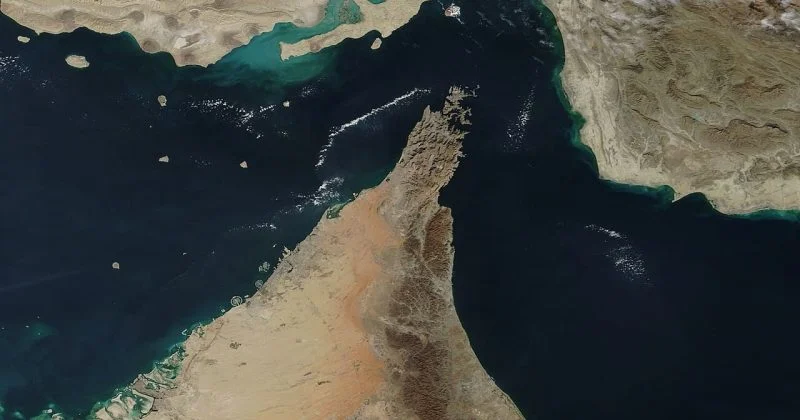
Energy Intel’s Deputy Bureau Chief, Bakr, reported that crude oil exports through the Strait of Hormuz in June amounted to just over 5 million barrels per day (BPD), representing only one-third of normal pre-war levels. This significant reduction is consistent with the ongoing impact of geopolitical tensions in the region, specifically the U.S.-Iran conflict and subsequent blockade. Despite a recent memorandum of understanding between the U.S. and Iran, which led to a partial reopening of the strait, the flow of oil remains substantially below typical volumes. This development appears to be influencing market perceptions regarding potential supply constraints, with implications for global oil prices.
Key Takeaways
The reduced oil flow through Hormuz may be consistent with scenarios where supply constraints lead to higher oil prices.
The current flow of oil is significantly below pre-war levels, reflecting ongoing geopolitical tensions and their impact on global supply chains.
The recent U.S.-Iran agreement appears to have partially eased the blockade, but pricing suggests that full recovery of oil flows is not yet realized.