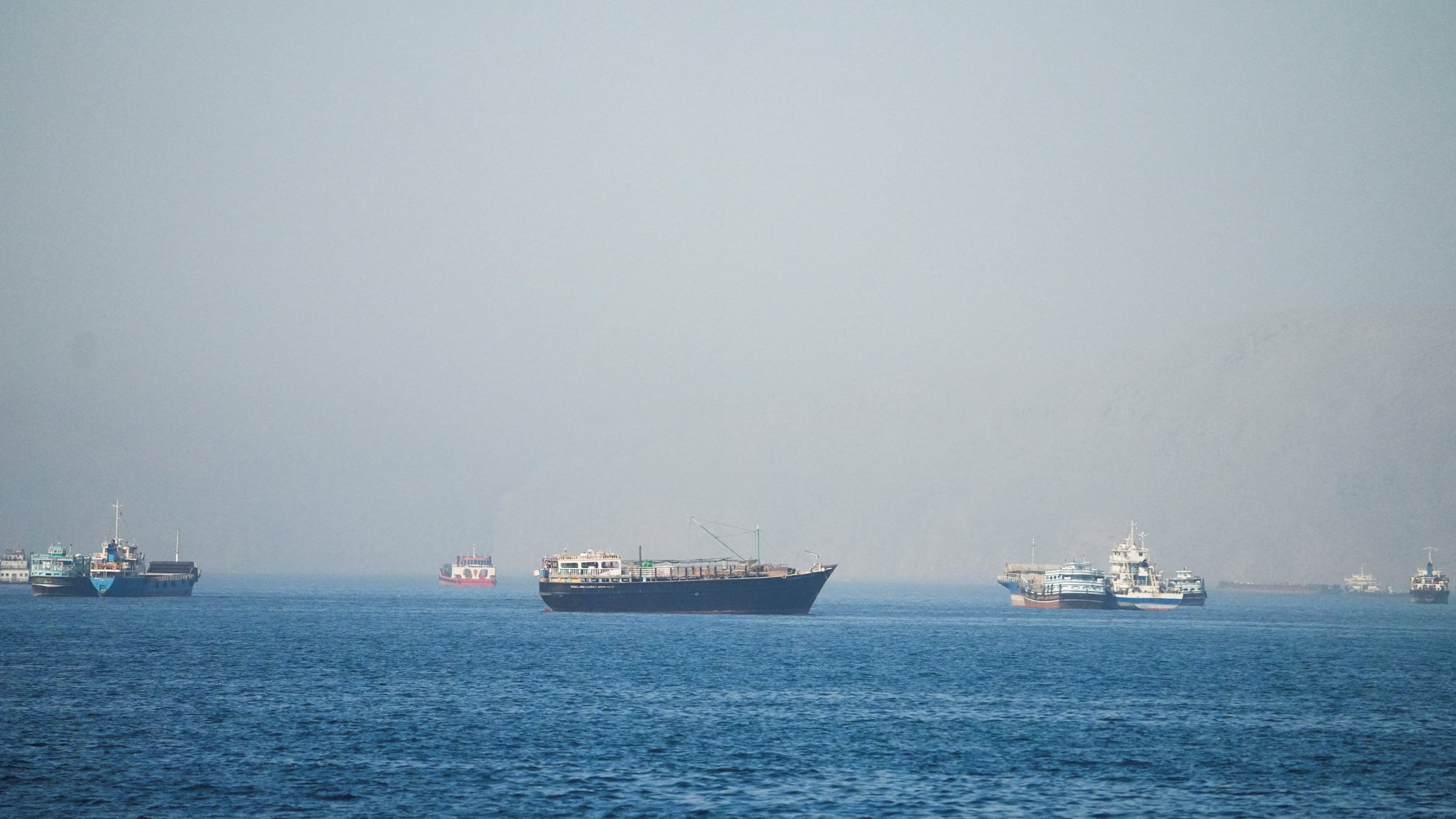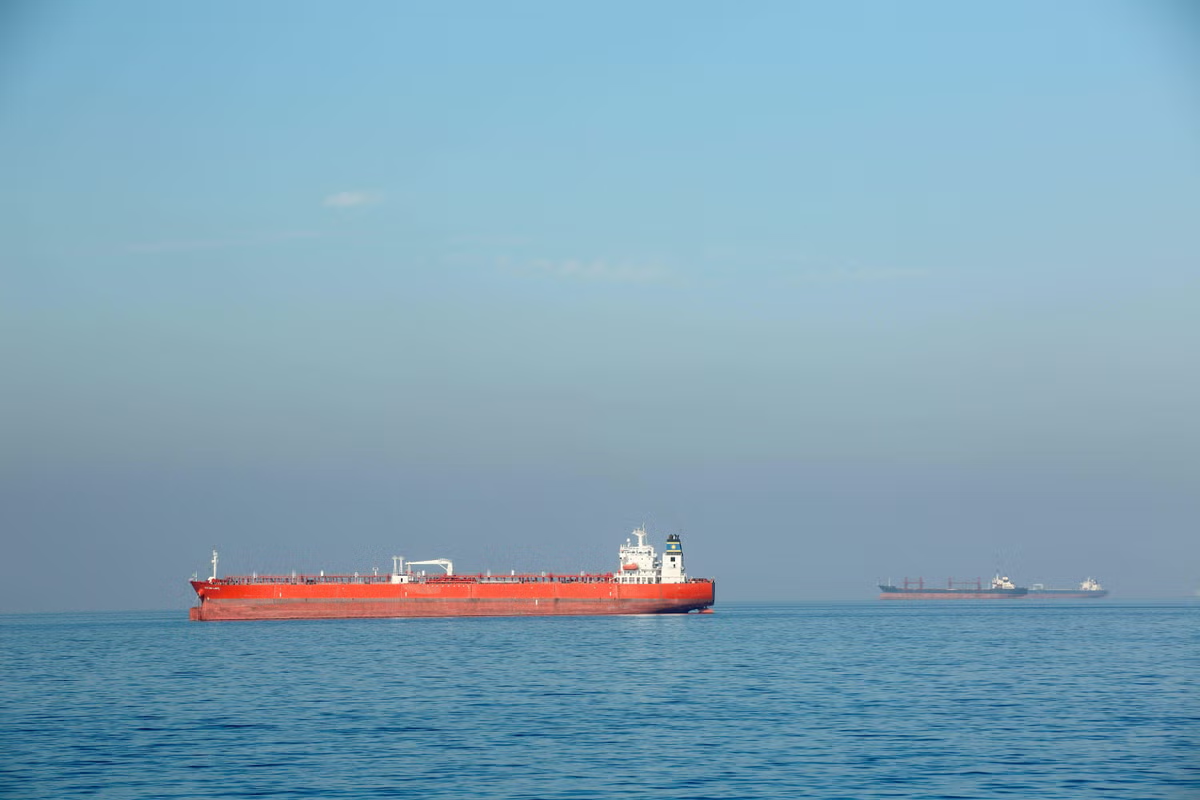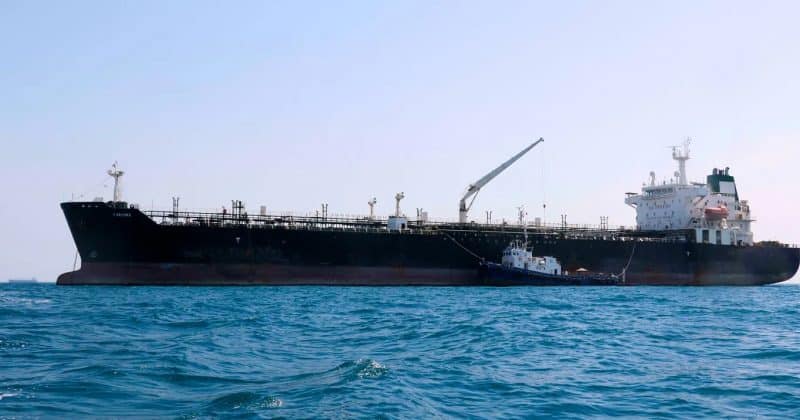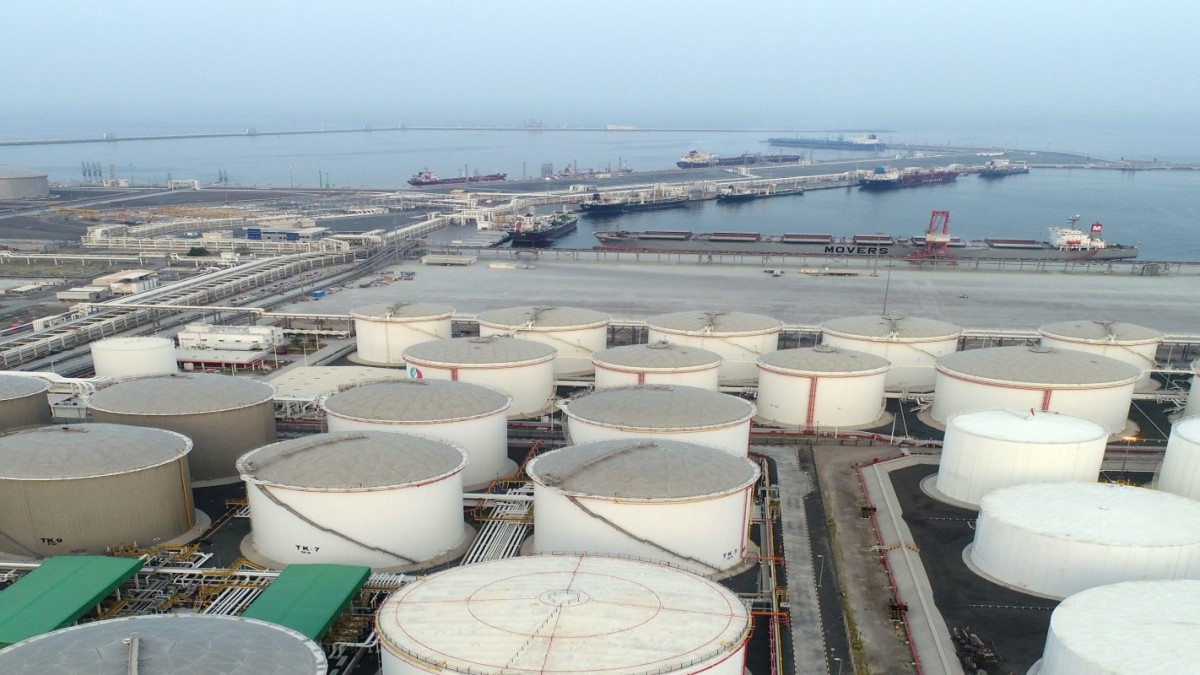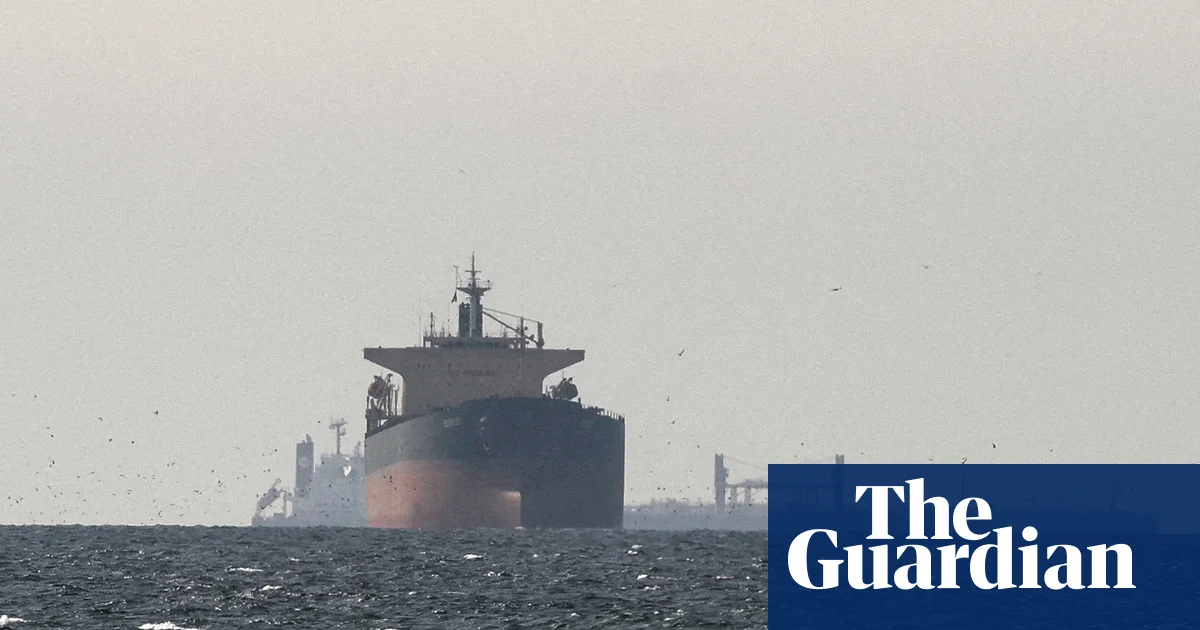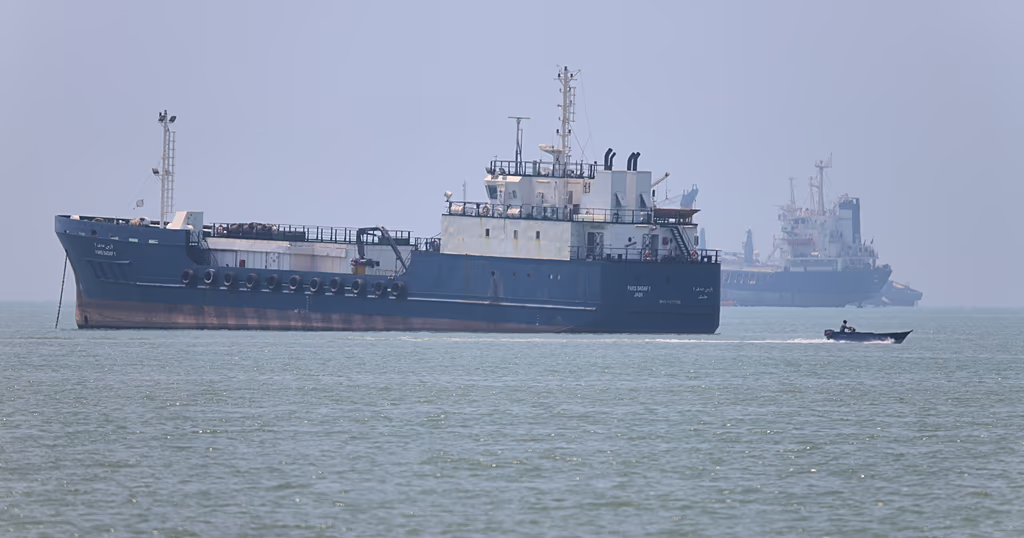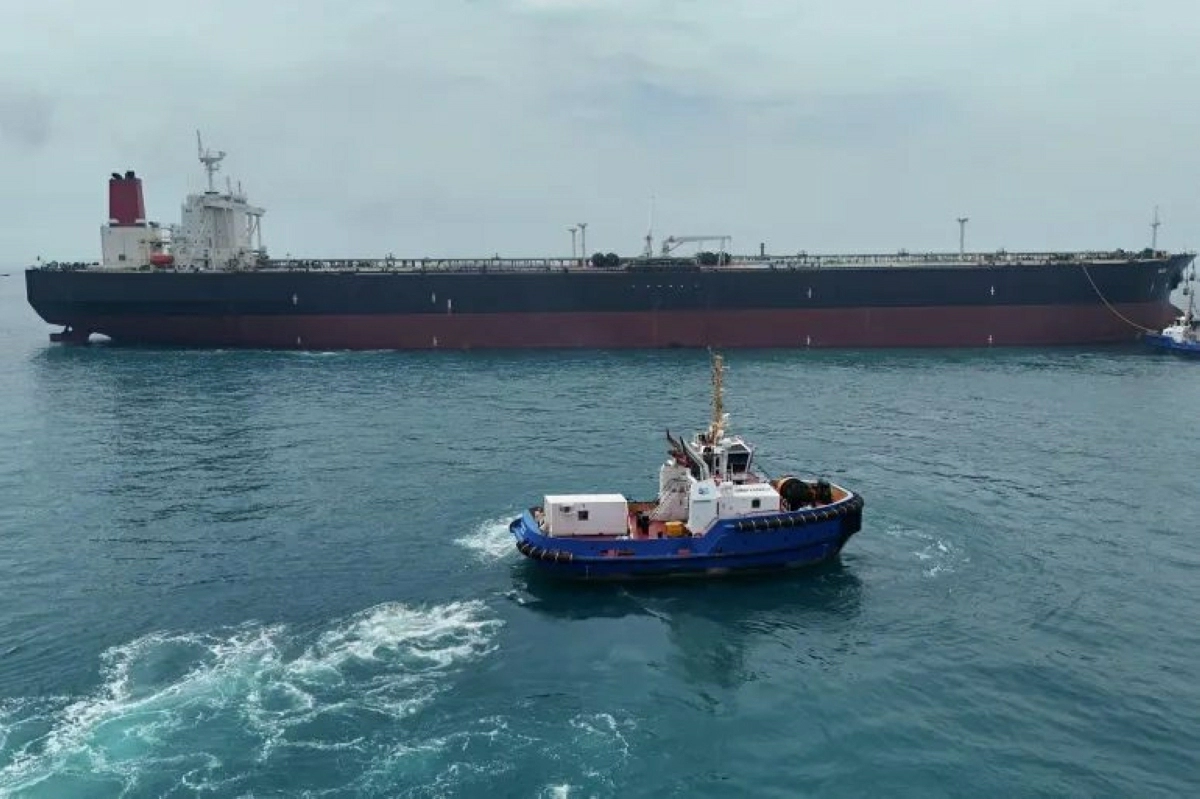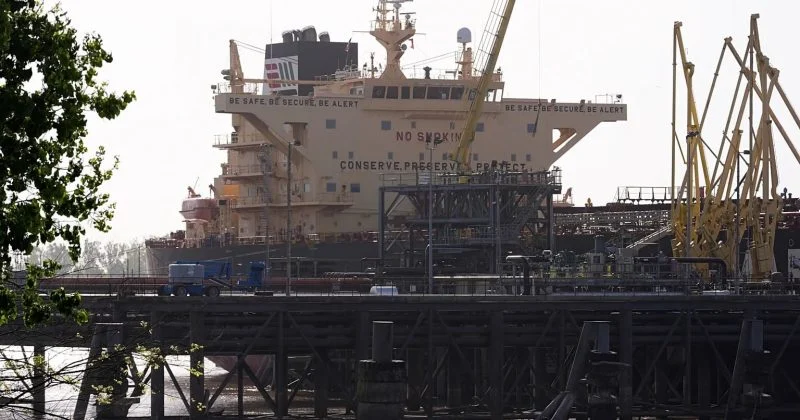
Brent crude oil prices have fallen back to pre-war levels following a significant increase in oil flows through the Strait of Hormuz. This development comes after an interim peace agreement between the United States and Iran, which has led to the reopening of the strategic waterway. The agreement, signed on June 17, 2026, includes a 60-day period of toll-free passage through the strait, resulting in approximately 20 million barrels of oil passing through in the last 24 hours. This surge in oil flows has effectively neutralized the supply shock that had previously driven Brent crude prices to a peak of $126.41 per barrel in April 2026.
The market for the normalization of traffic through the Strait of Hormuz by the end of June reflects this development. The market’s current pricing suggests a 5.2% probability of achieving normal traffic levels, as indicated by an IMF PortWatch 7-day moving average. This represents a notable increase from a mere 2% probability just 24 hours ago. The increase in oil flows and progress in peace negotiations appear to support scenarios where traffic through the strait normalizes by the end of June.
The broader geopolitical context continues to influence market dynamics, with key actors including the IMF, U.S. and Iranian government leaders, and maritime operators closely monitoring the situation. The easing of U.S. sanctions on Iranian oil sales has further contributed to the market’s response, as market participants assess the implications for global oil supply and regional stability.