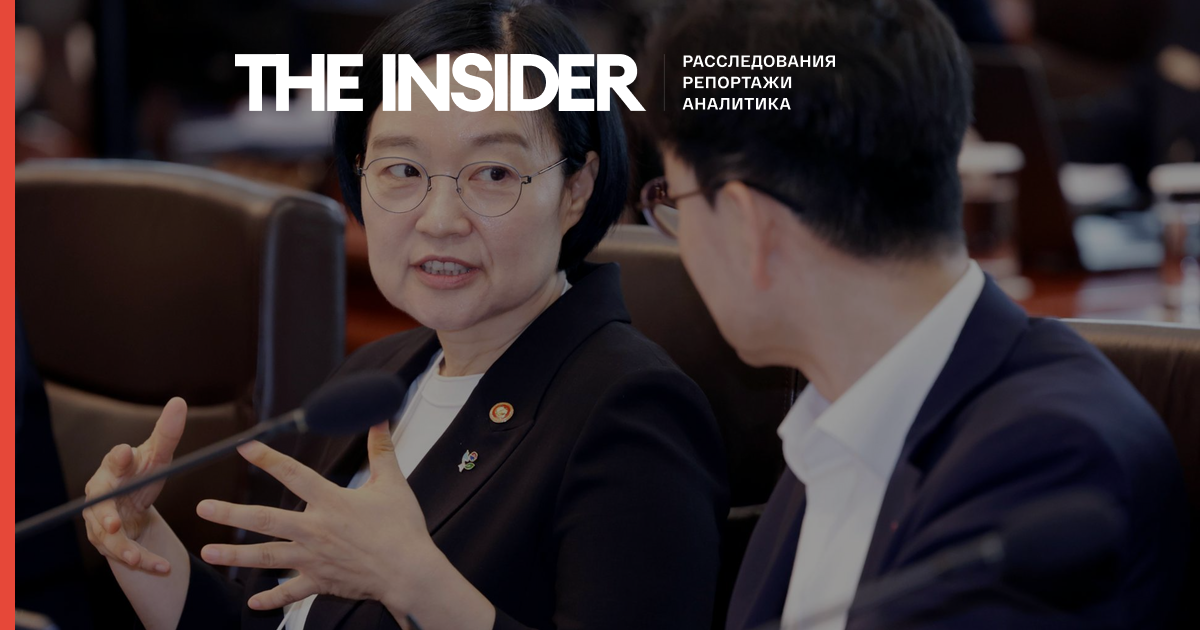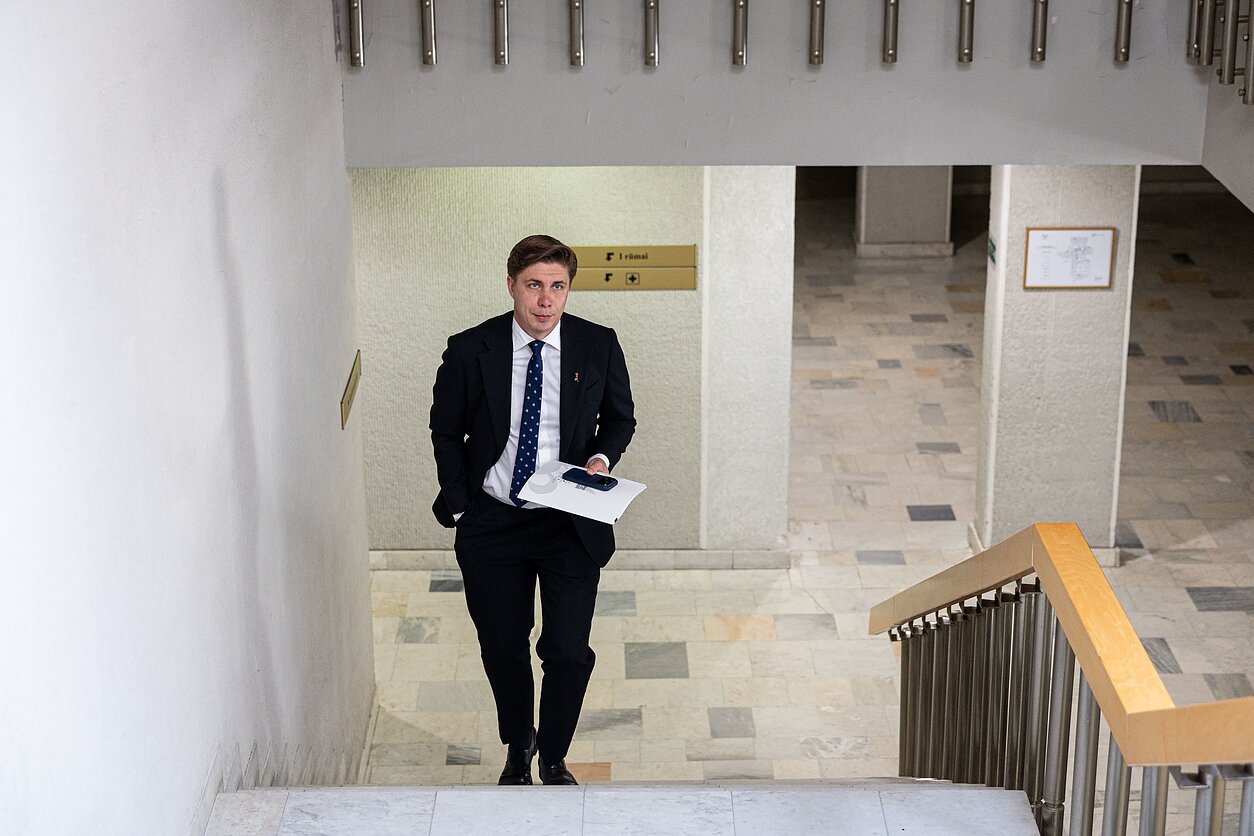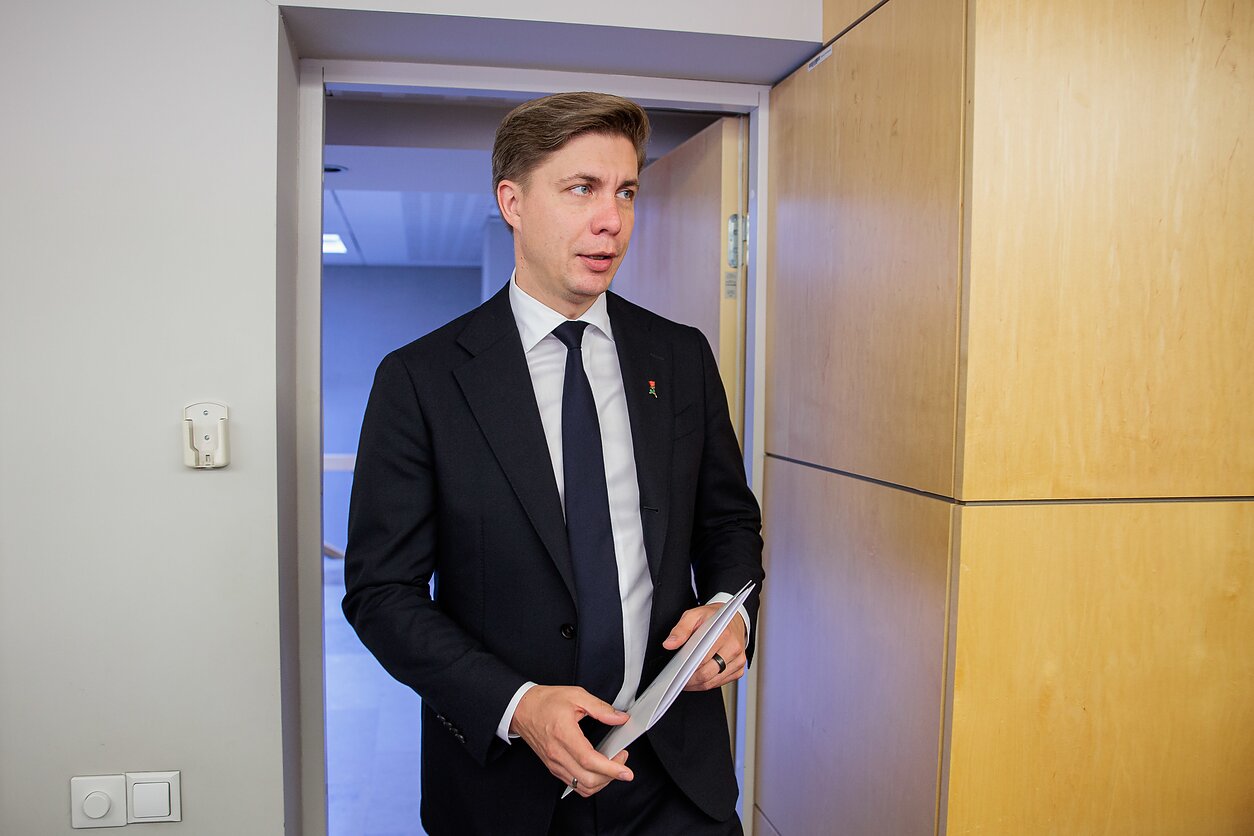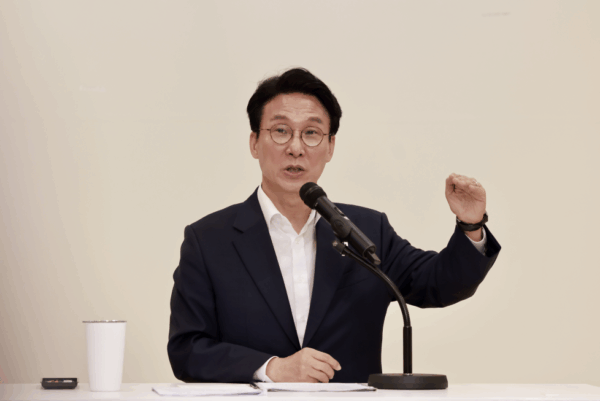
On June 30, South Korean President Lee Jae-myung approved the appointment of Han Sung-sook as prime minister, making her South Korea’s second female prime minister after Han Myeong-sook, who held the post from 2006 to 2007. Han Sung-sook takes office July 1 as the 50th prime minister and the second under the Lee administration.
The National Assembly passed Han’s confirmation motion the same day by a vote of 166 in favor to one invalid ballot, out of 167 lawmakers present. The main opposition People Power Party did not participate, citing unresolved allegations over illegal building extensions at Han’s property. The party had also boycotted the earlier vote to adopt Han’s confirmation hearing report.
Presidential Chief of Staff Kang Hoon-sik announced Han’s nomination on June 7, describing her as suited to lead South Korea through an era of rapid artificial intelligence transformation given her background as a technology executive and her year as the country’s first minister of SMEs and startups. Kang also credited outgoing premier Kim Min-seok with the government’s record so far, a remark that took on added weight once Kim’s own political plans became clear.
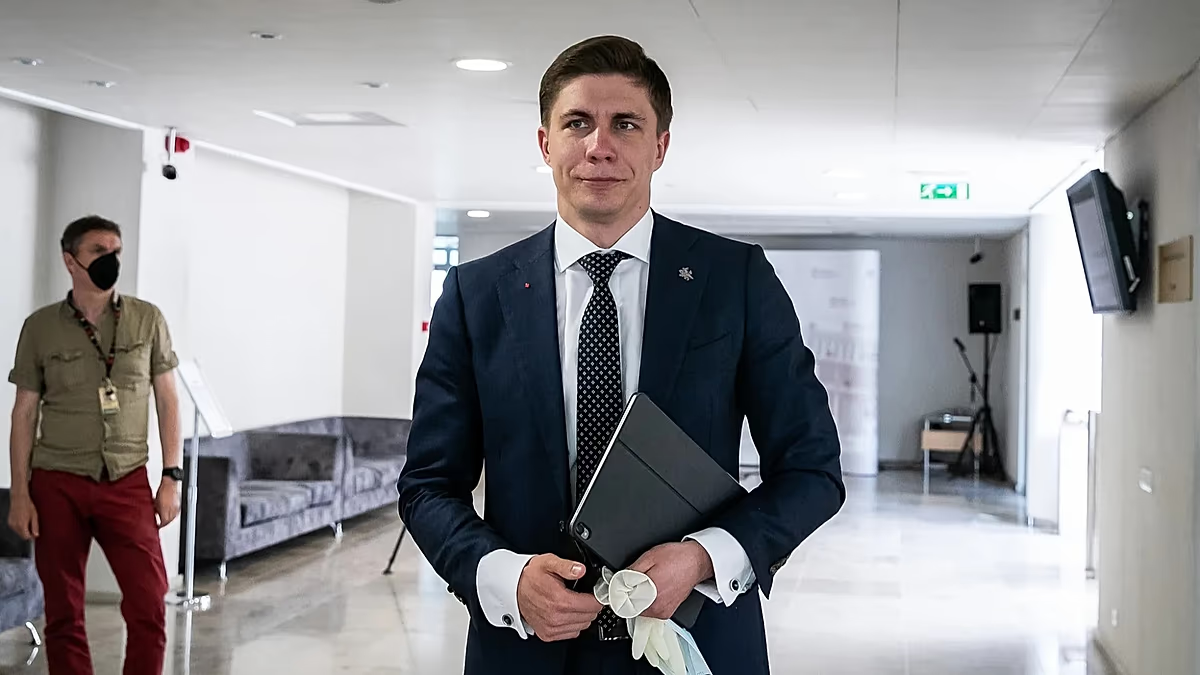
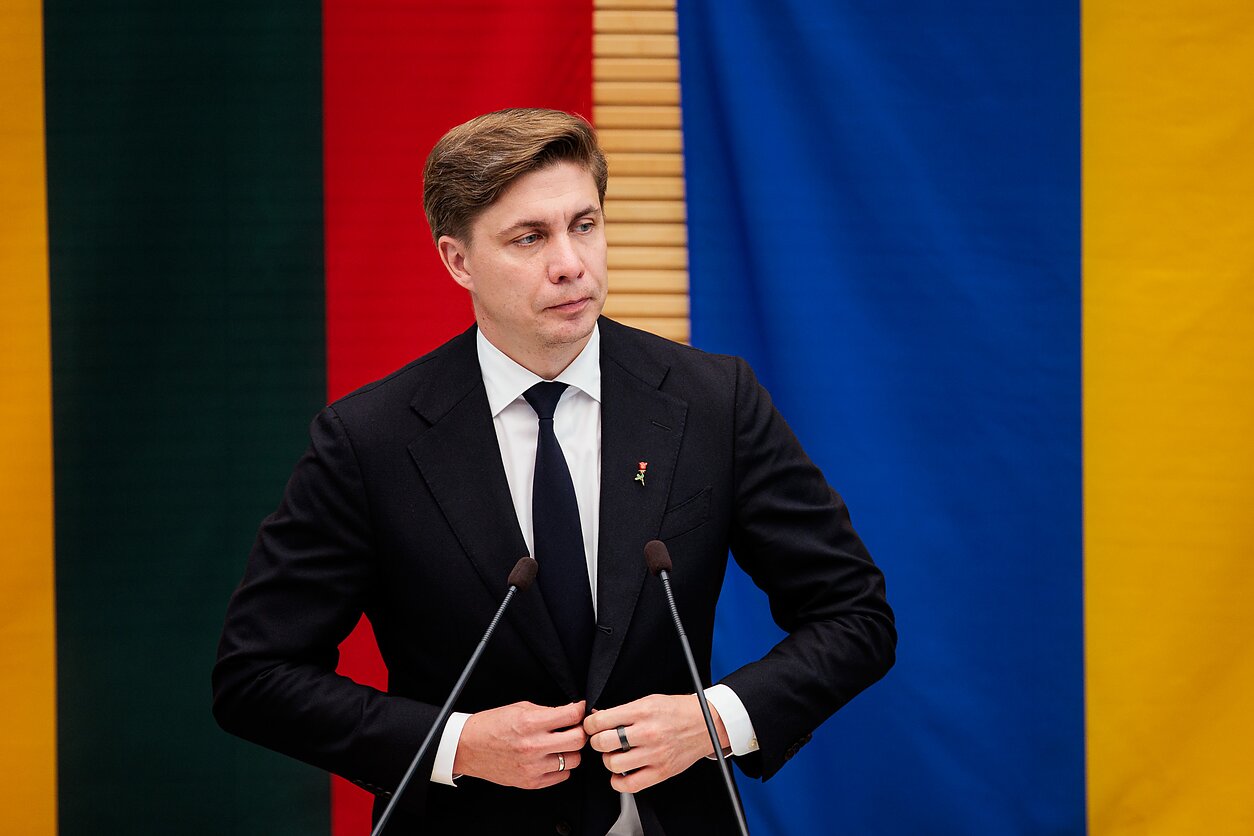
Although he has not yet announced his bid officially, it’s widely believed that Kim offered his resignation after the June 3 local elections in order to run for chair of the ruling Democratic Party at its August convention. On June 8, marking his own first anniversary in office, Lee said it seemed more appropriate for Kim to take on another role, a comment many took as support for Kim’s bid to run for the chairship of DP.