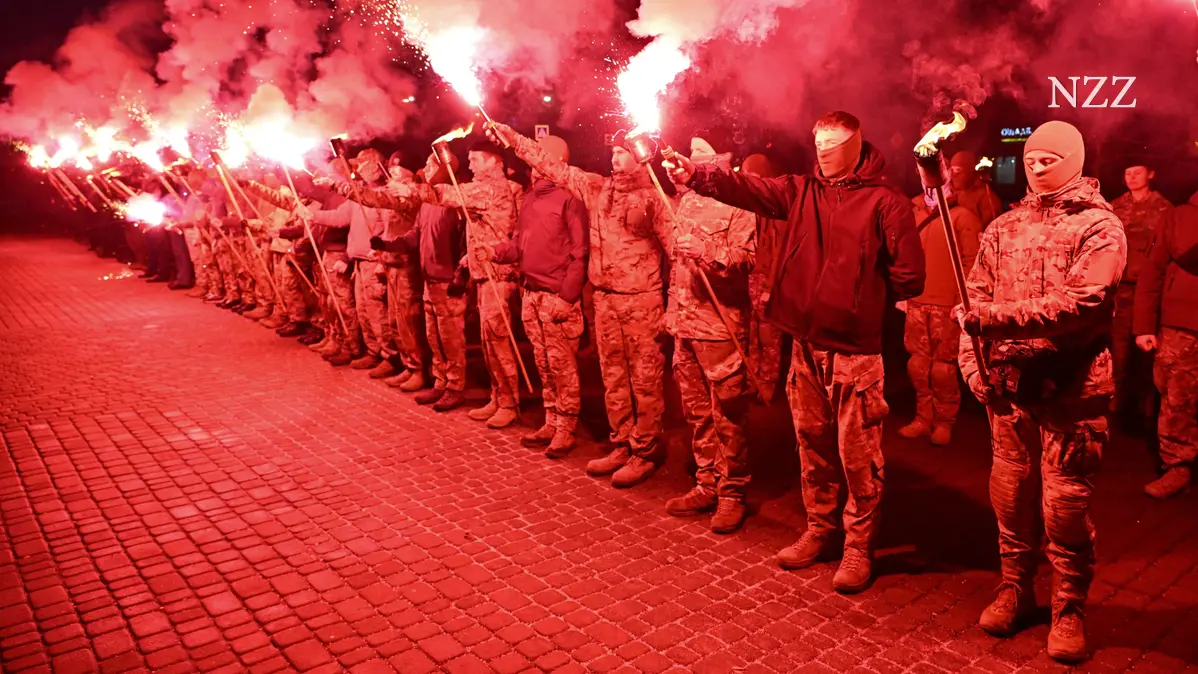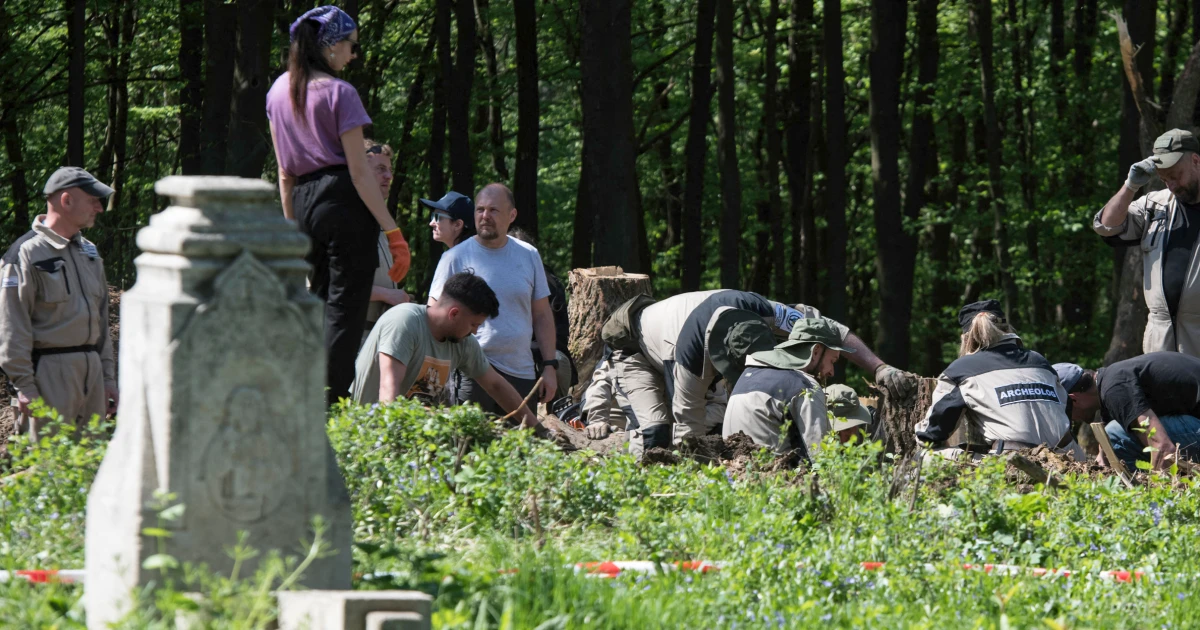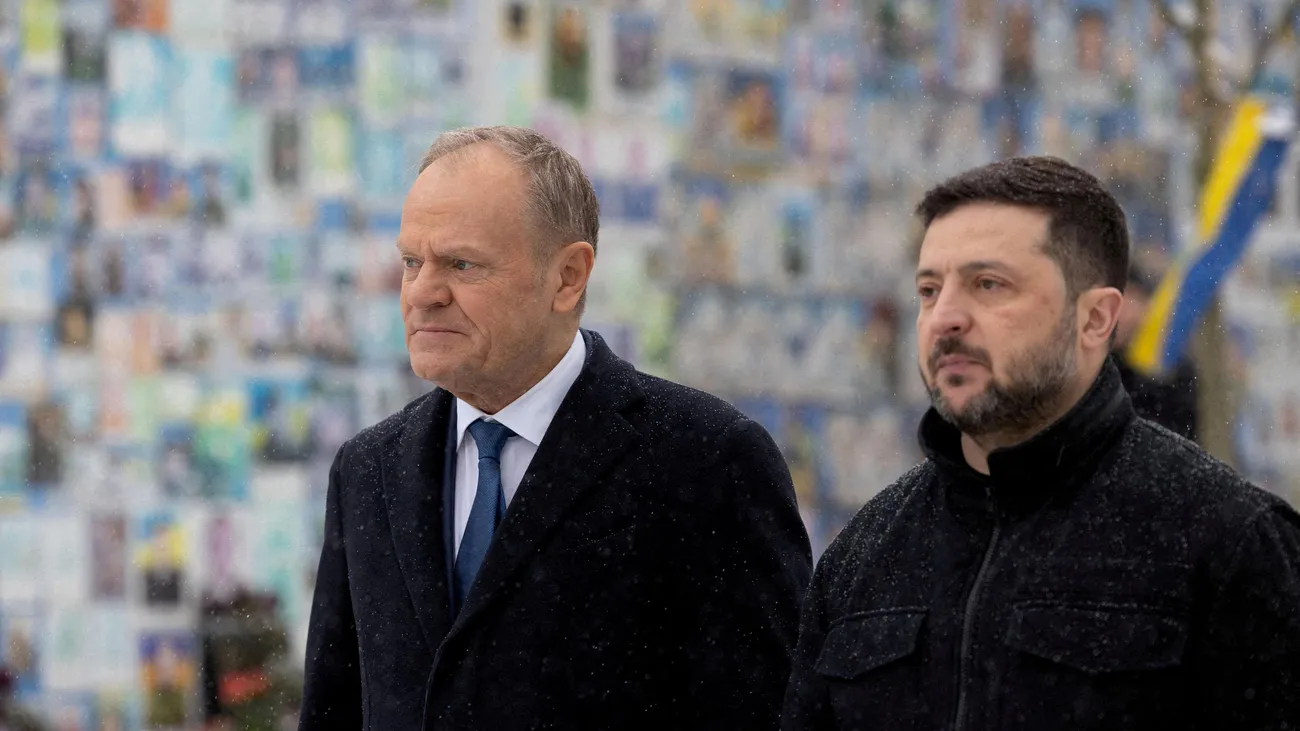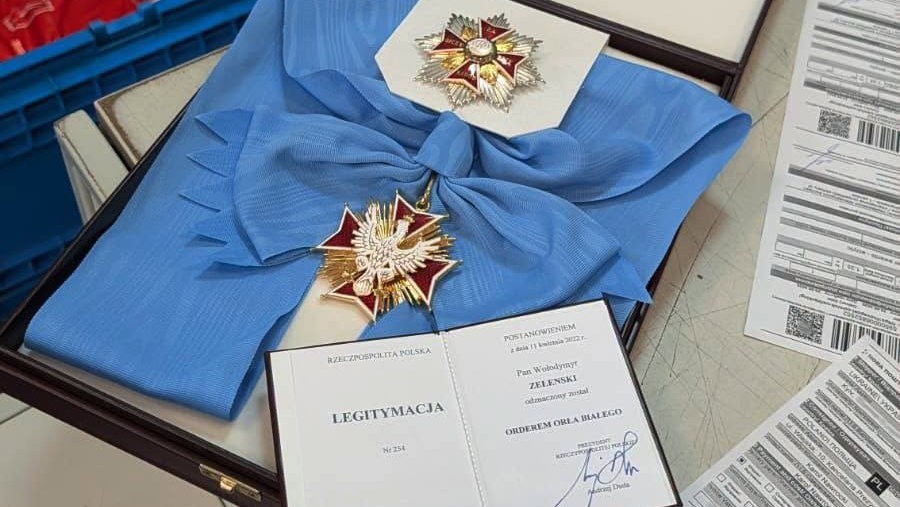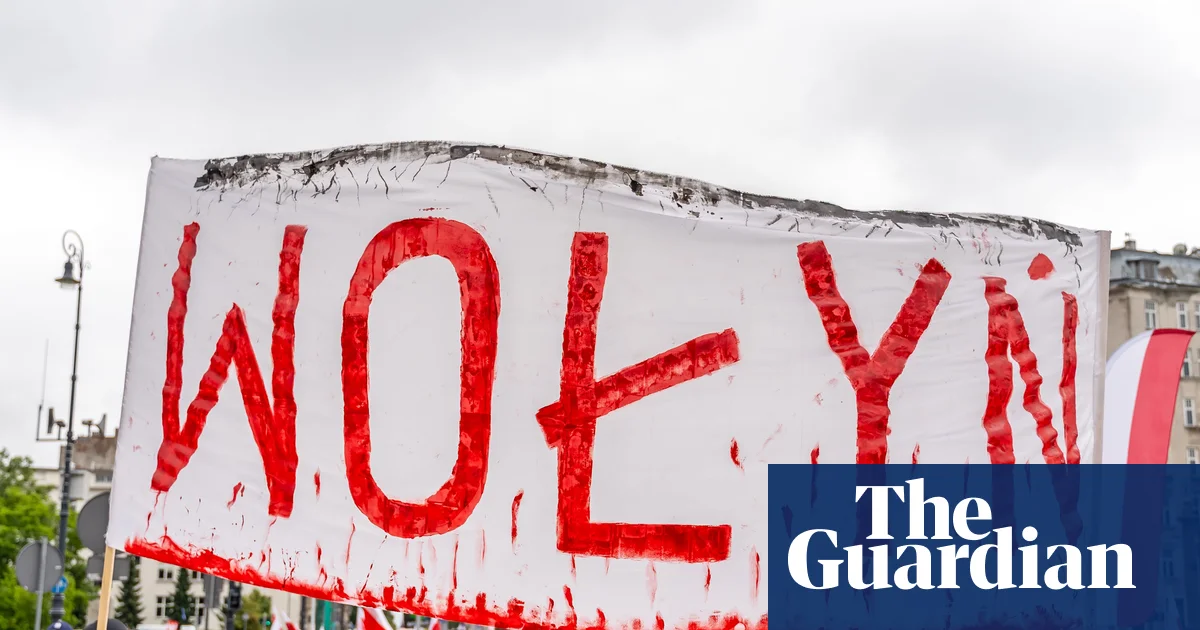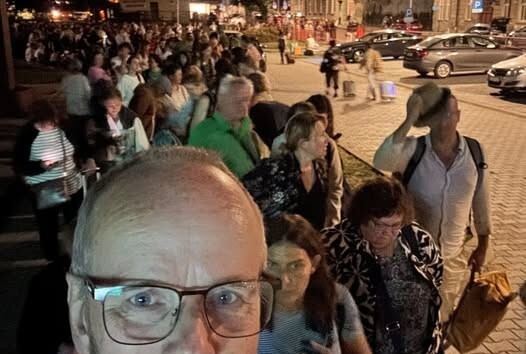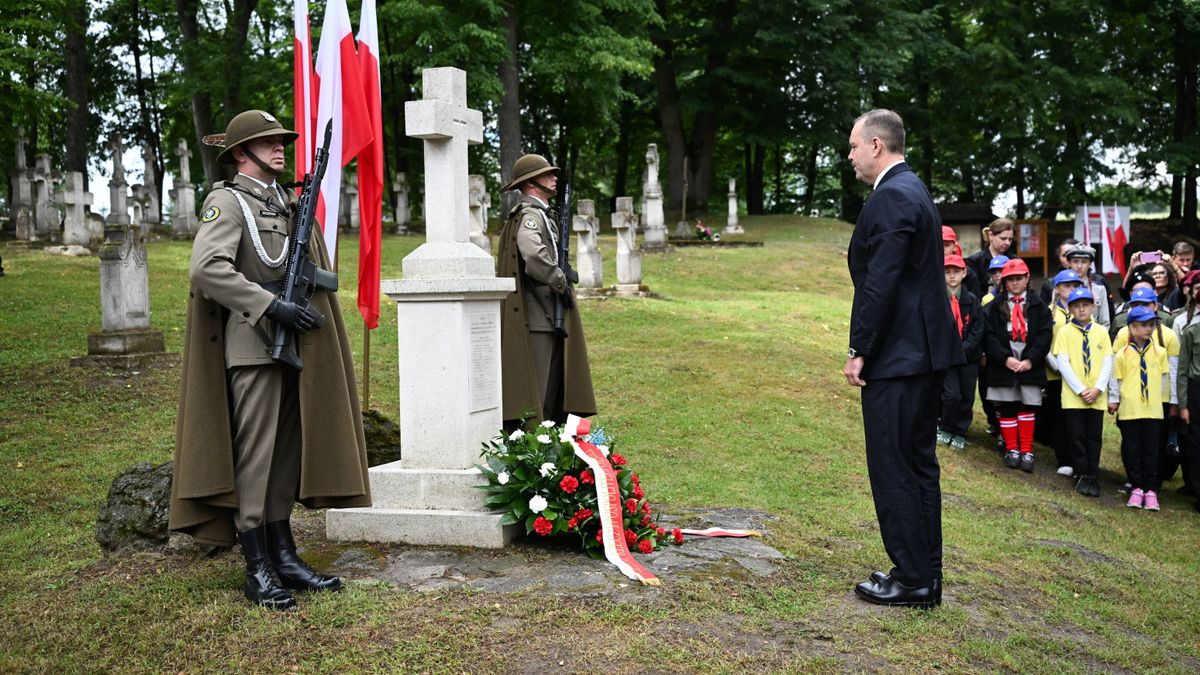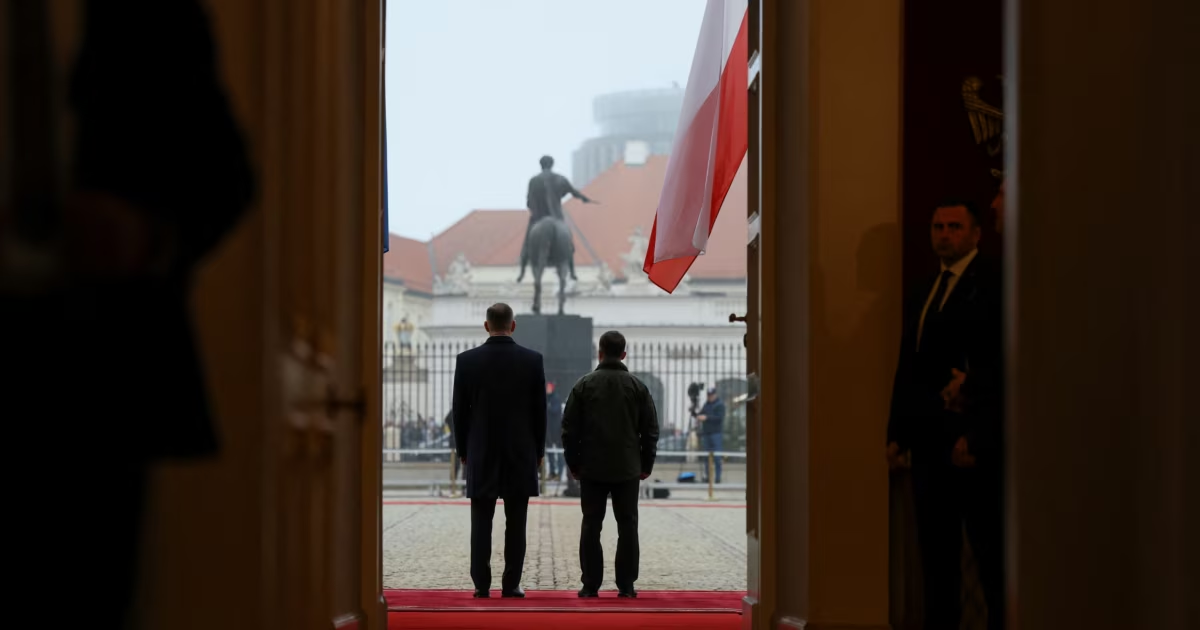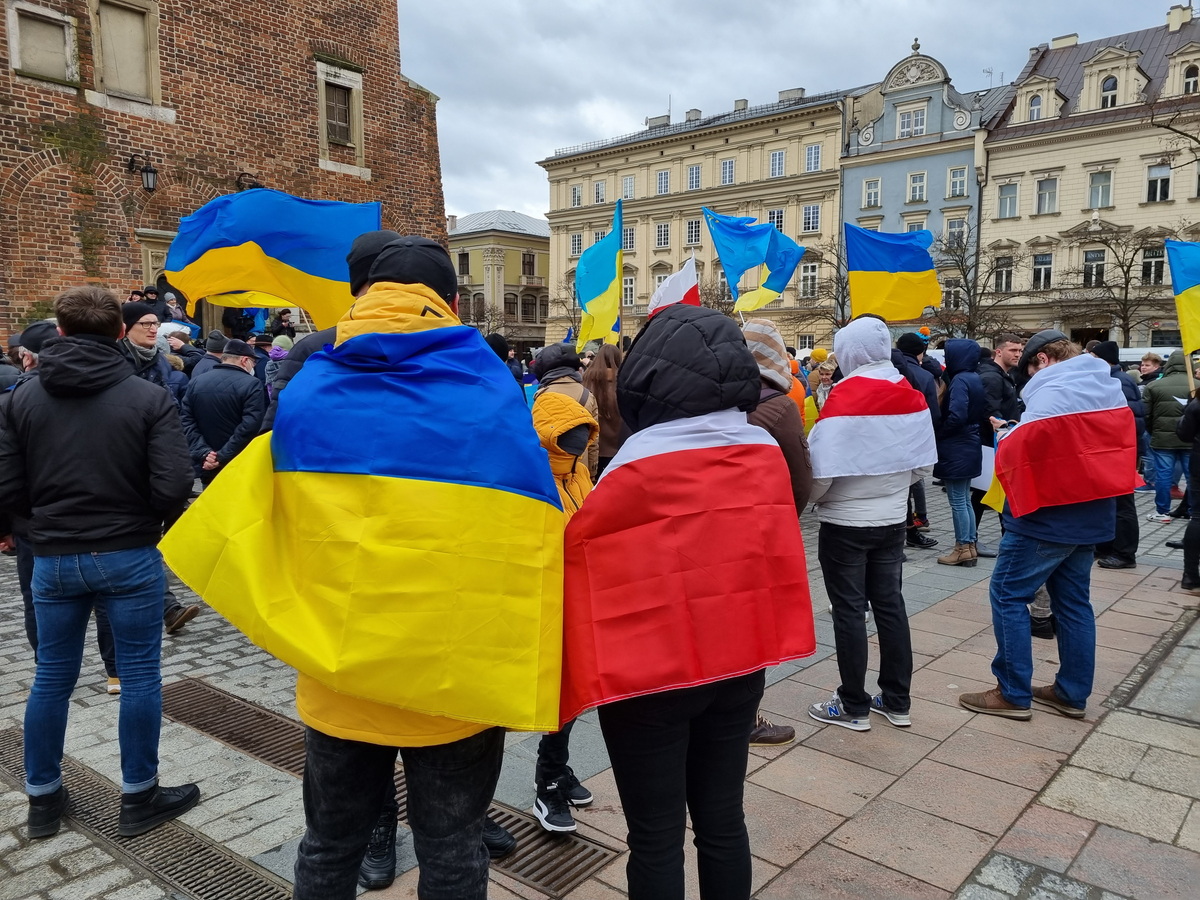
At 9 a.m., on the Przemysl-Kyiv train, the loudspeaker system announces a moment of silence in memory of fallen Ukrainian soldiers. The passengers immediately get to their feet, including a group of Poles traveling on this high-speed train from the Polish border to the Ukrainian capital. While waiting for this train in Przemysl, I stopped at a café across from the station. I spoke to the young woman serving at the bar in Polish. She responded in Polish and made me a coffee. The man in the line behind me addressed her in Ukrainian. She responded in perfect Ukrainian.JOIN US ON TELEGRAMFollow our coverage of the war on the @Kyivpost_official. It turned out that the entire staff of this small café were Ukrainian living in Poland. I didn’t ask who the owner was, but it’s entirely possible that she or he was also Ukrainian. After all, there are over 120,000 Ukrainian businesses registered in Poland. Back in February of this year, speaking in parliament, Polish Foreign Minister, Radosław Sikorski, mentioned these businesses and said: “The level of professional activity among adult immigrants from Ukraine is even higher than among Poles… They hire people, pay taxes…” While Sikorski hasn’t changed his mind about the positive contribution that Ukrainian refugees make to the Polish economy, the political situation in Poland is different now. The new president, Karol Nawrocki, is determined to make political capital by playing the anti-immigration card. He provokes right-wing protests against the influx of Ukrainian refugees.
Where Poles and Ukrainians Stand Together Amid the Current Historical Dispute
As politicians weaponize history, it seems most of the populace has refused to be baited by the instrumentalization.
1,114 words~5 min read