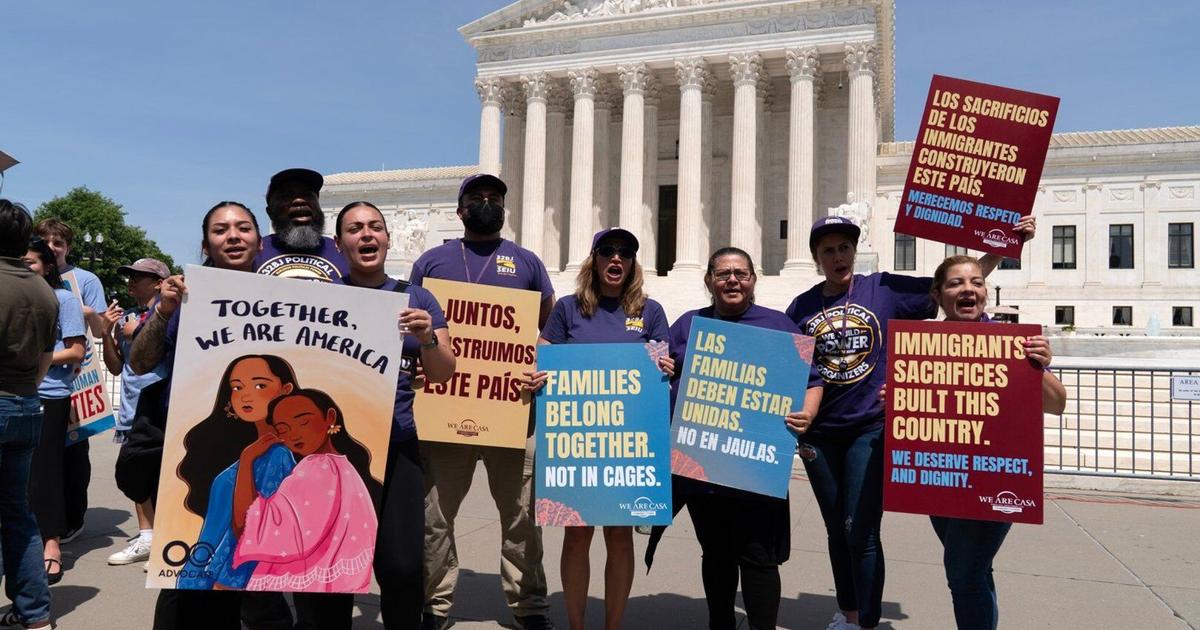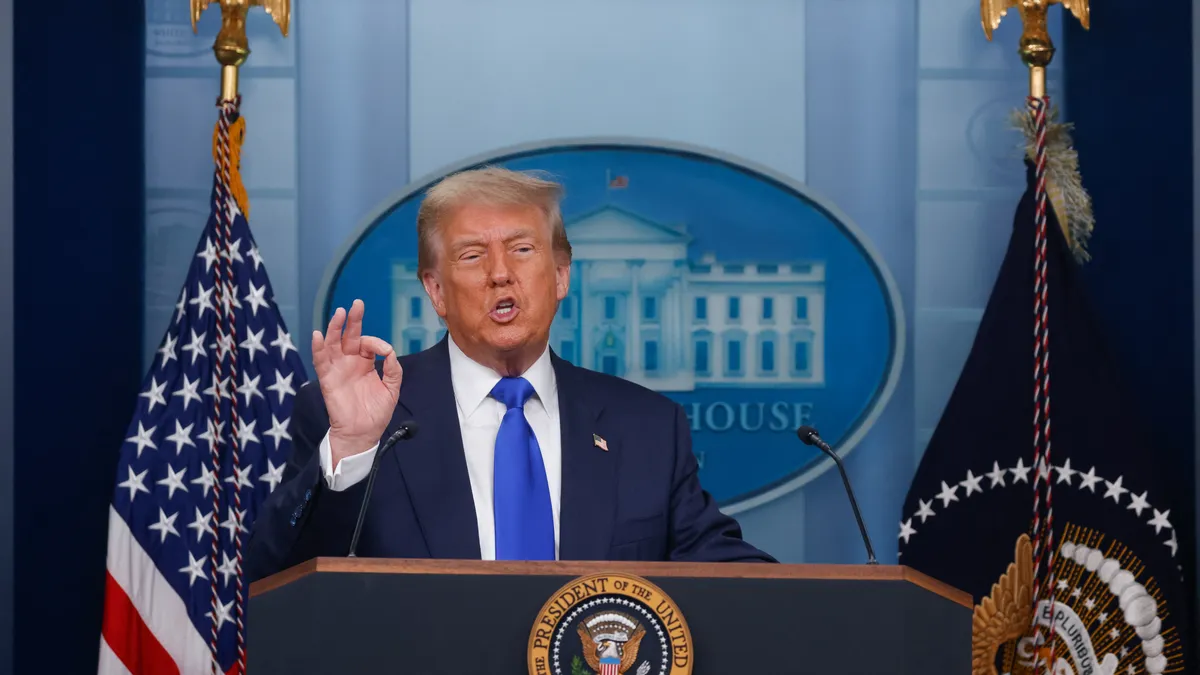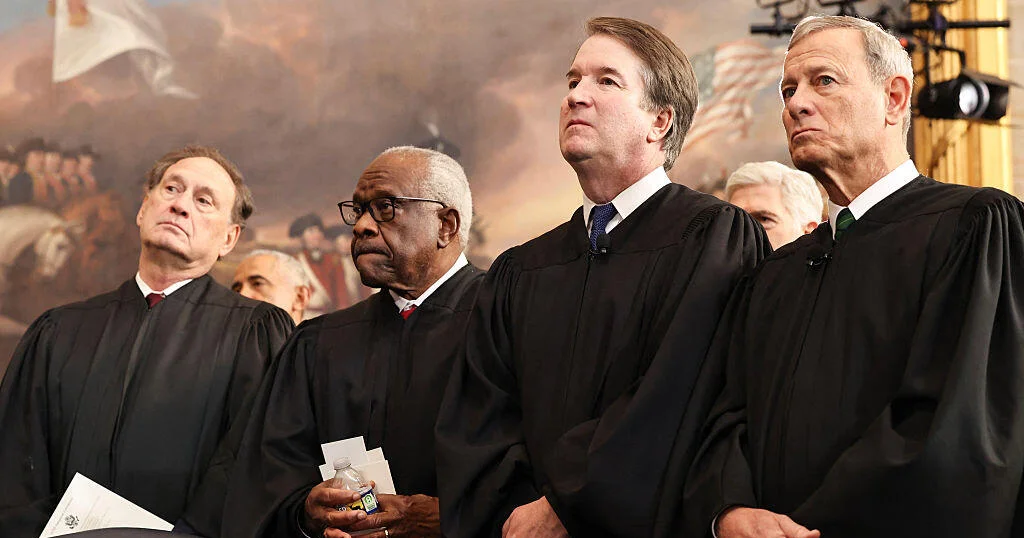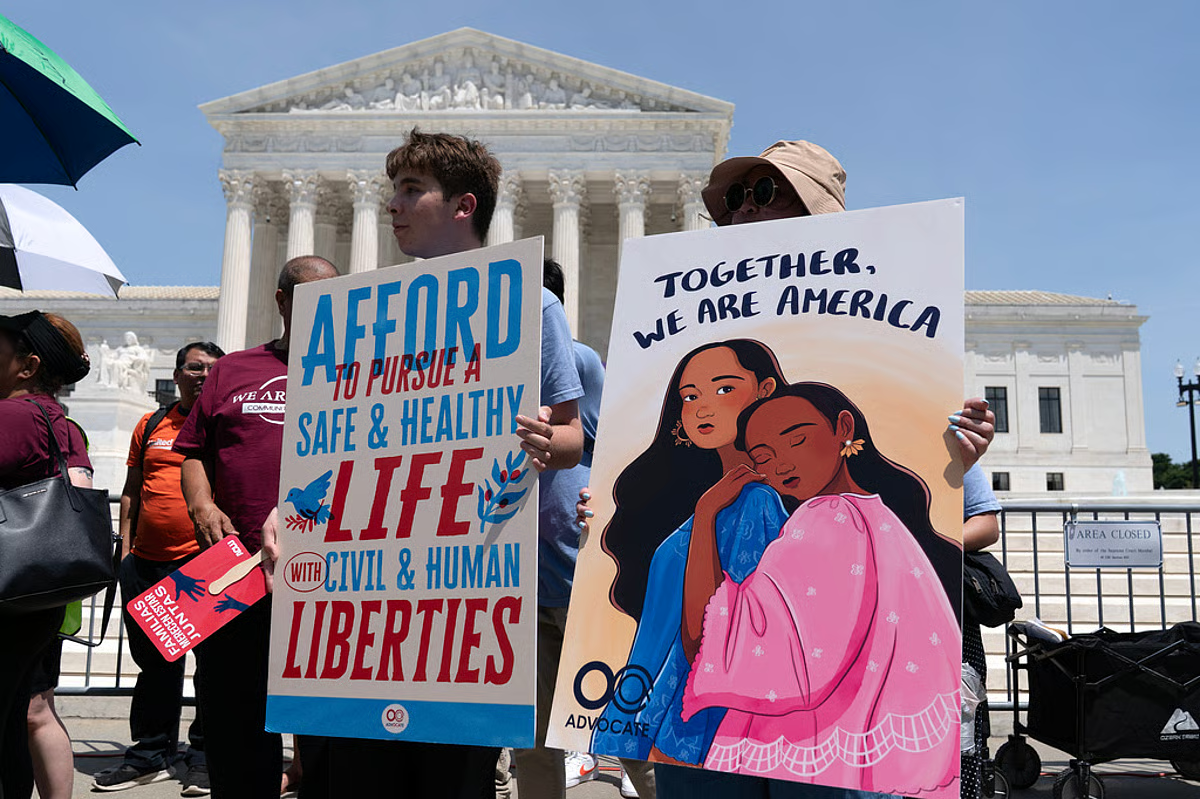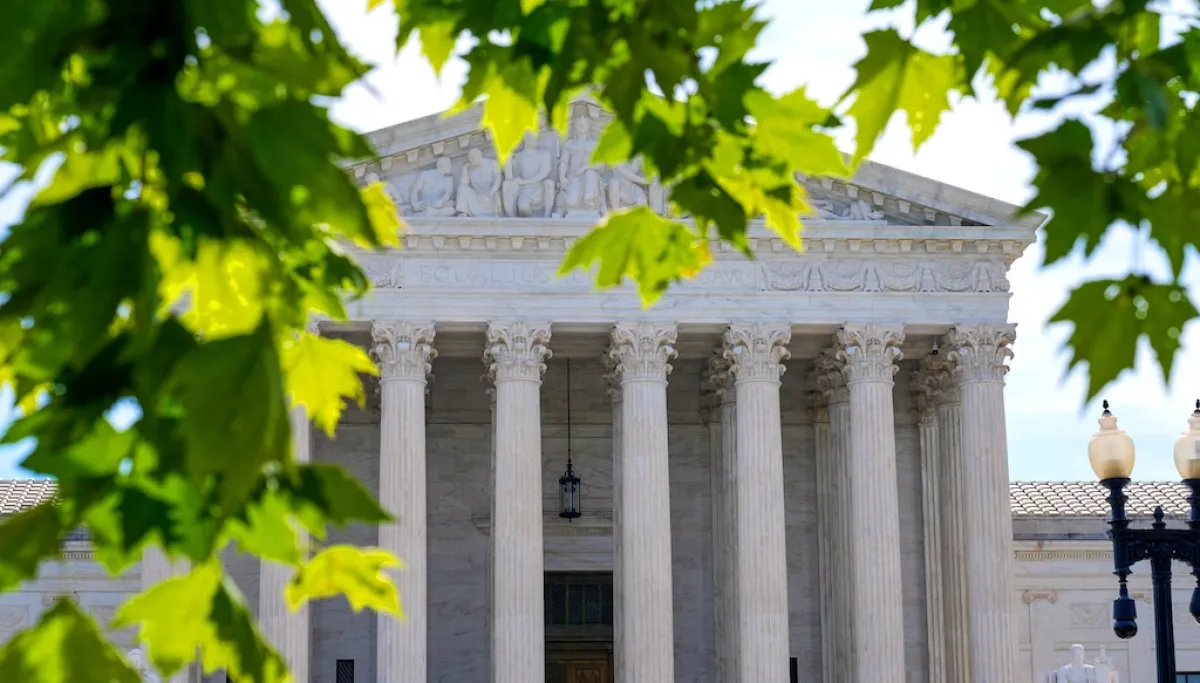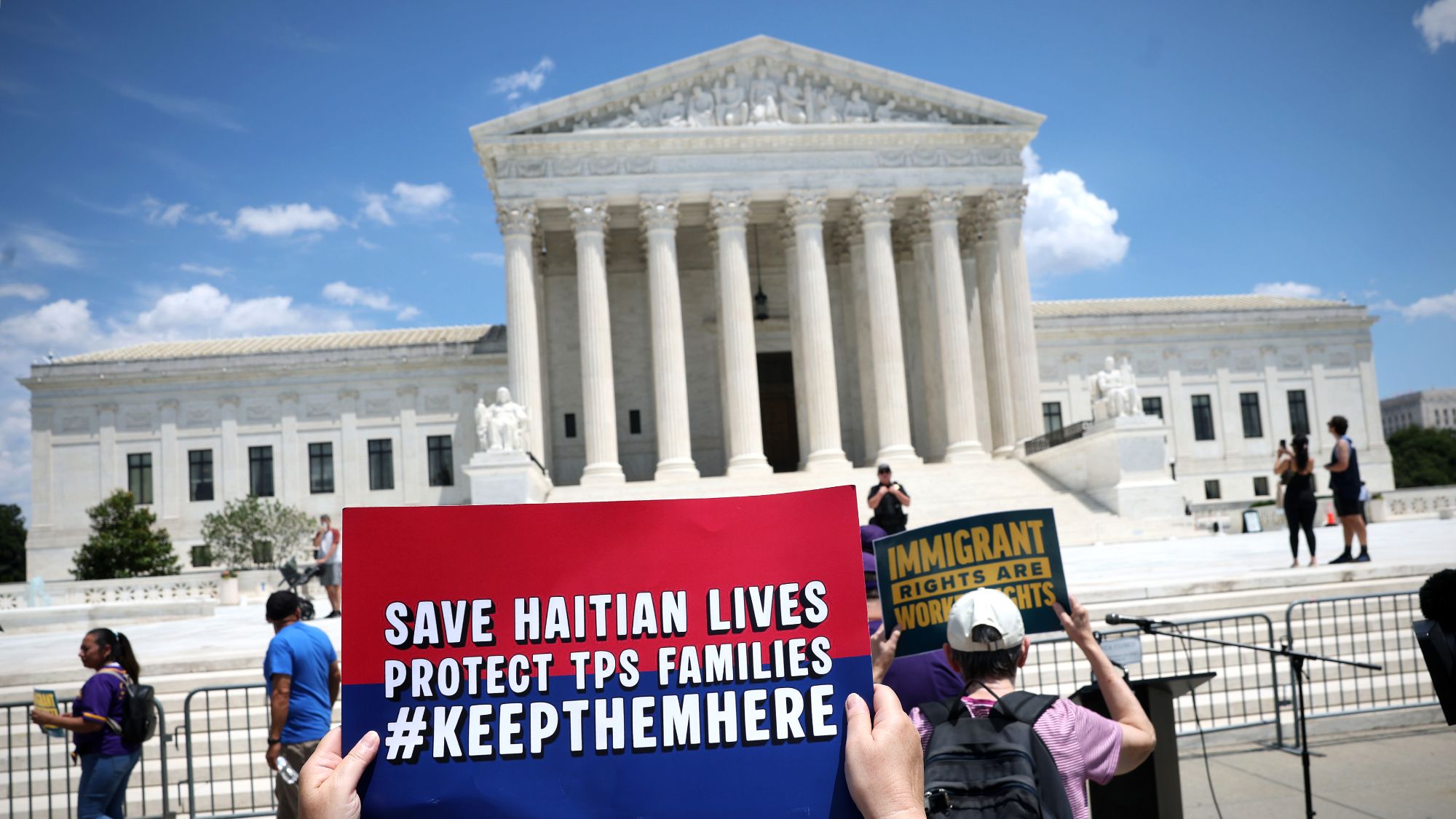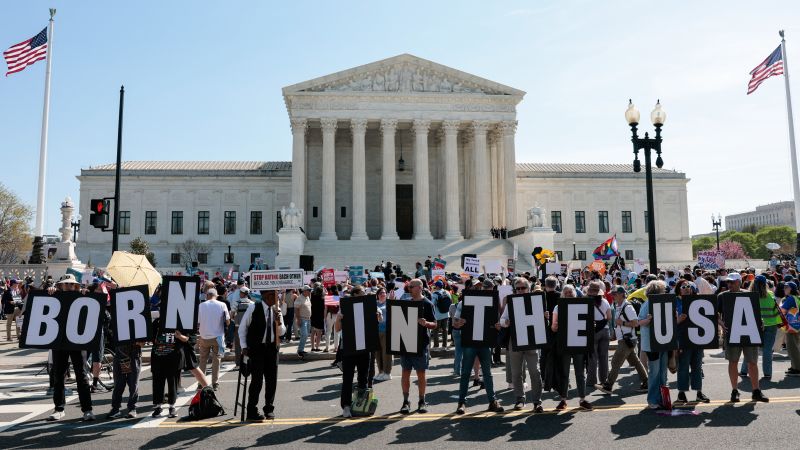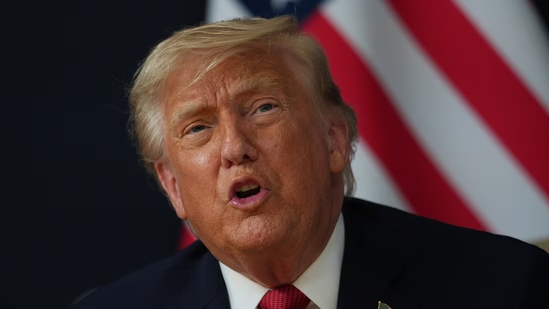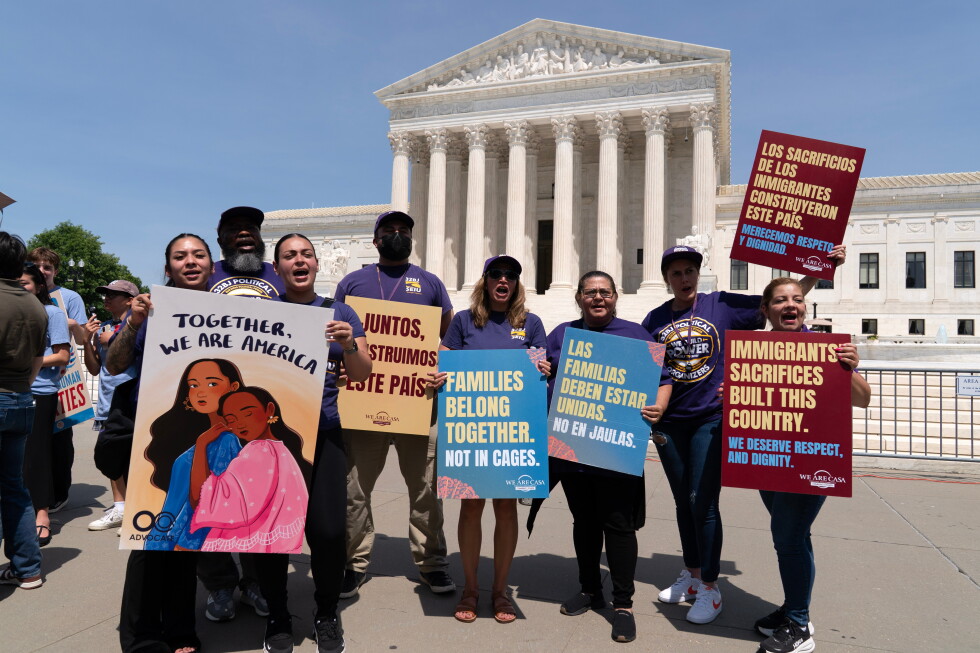
WASHINGTON (AP) — President Donald Trump’s administration looked to the Supreme Court to greenlight its sweeping hard-line immigration agenda and, by and large, it got the backing it was looking for with one key exception — birthright citizenship. After lower courts repeatedly ruled against the Trump administration, the nation’s top court allowed it to terminate temporary protections for people fleeing war or strife. It gave immigration officers greater leeway in dealing with green card holders returning from abroad, and it allowed the government to limit the number of people who can apply for asylum. In being asked to serve as an enabler of the Republican president’s contentious immigration crackdown, the Supreme Court showed deference to constitutional guardrails in the key case of birthright citizenship that would have redefined who can be an American. In ruling against the administration, the court upheld the idea that people who are born in the United States, regardless of their parents’ immigration status, are Americans.Each decision could have far-reaching consequences for foreigners seeking to live in the country and could help shape public perceptions over whether America remains a beacon for migrants.
How the Supreme Court became a pivotal force in Trump's immigration agenda
The Supreme Court has tackled several key immigration issues this term, supporting President Donald Trump's administration in three cases.
1,142 words~5 min read