Show Caption
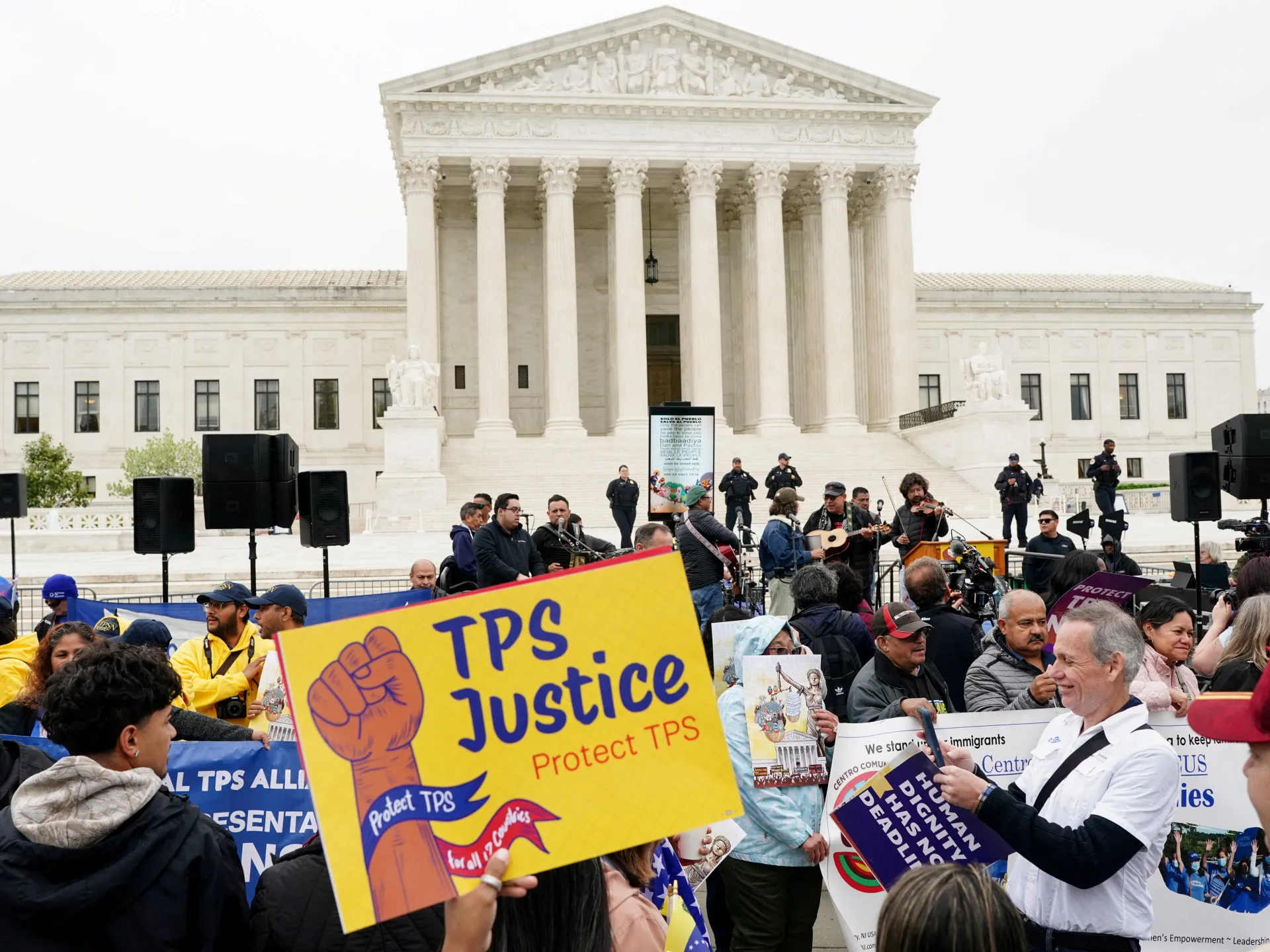
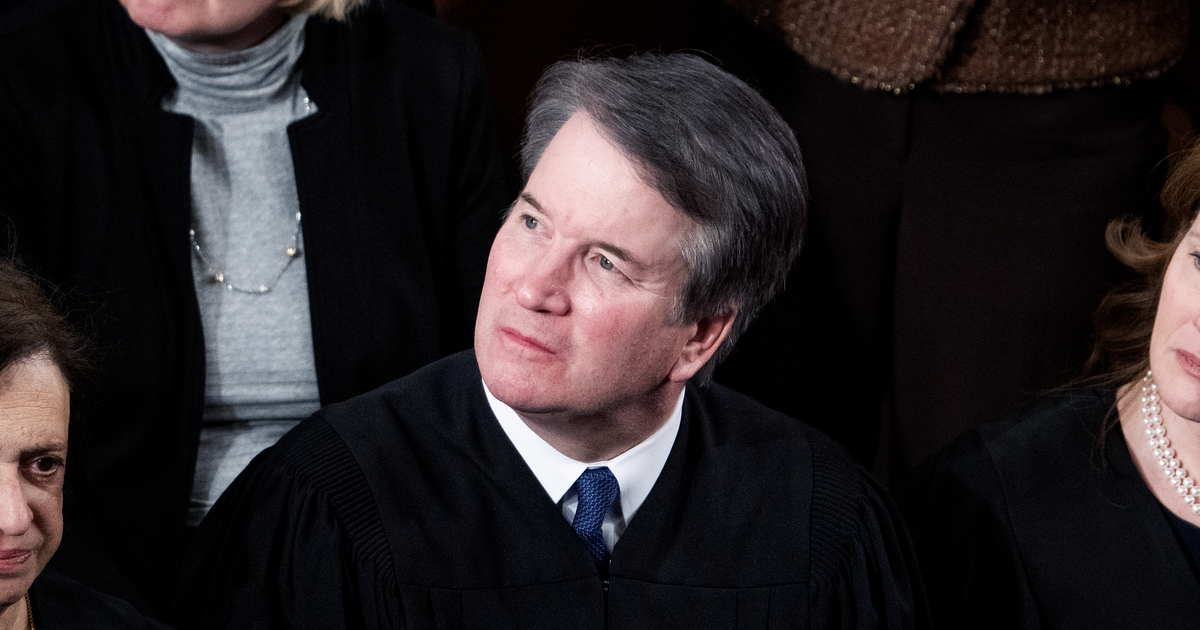
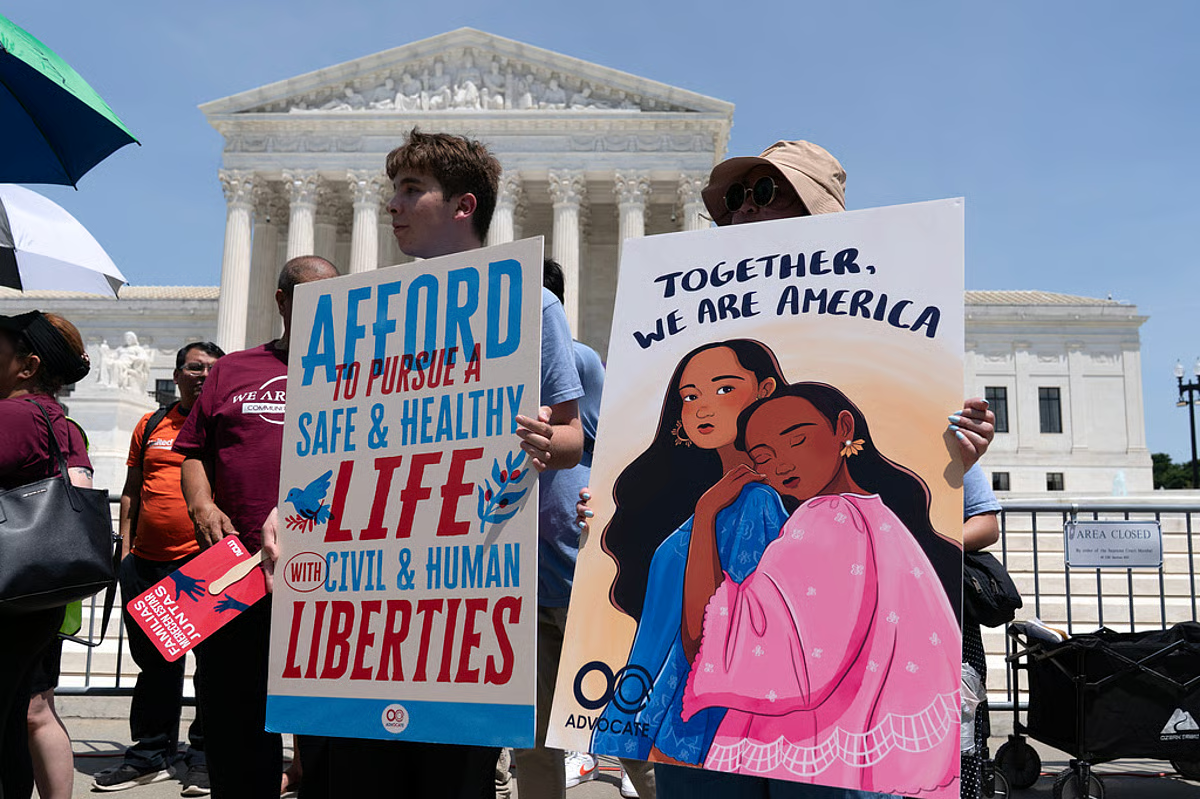
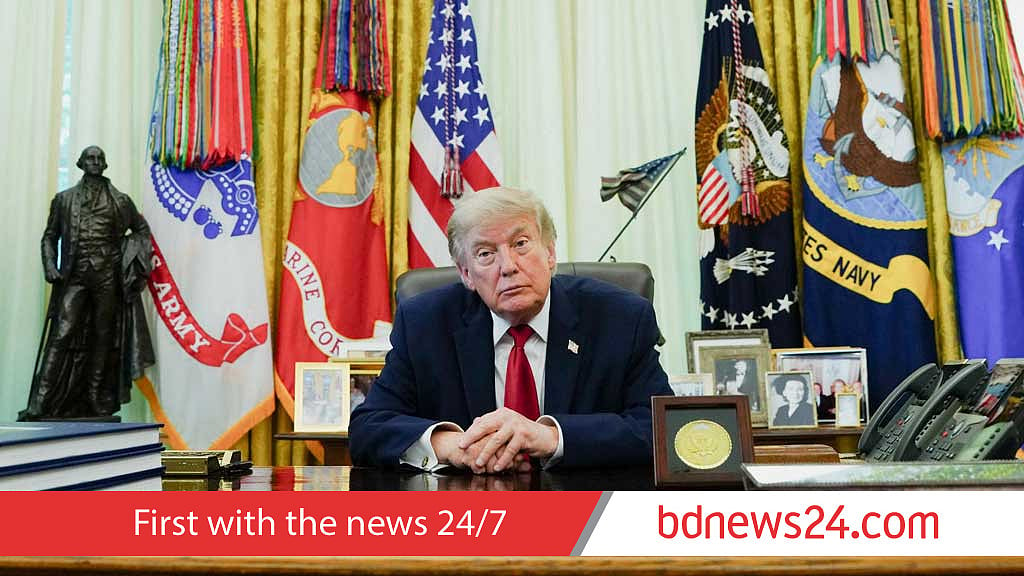
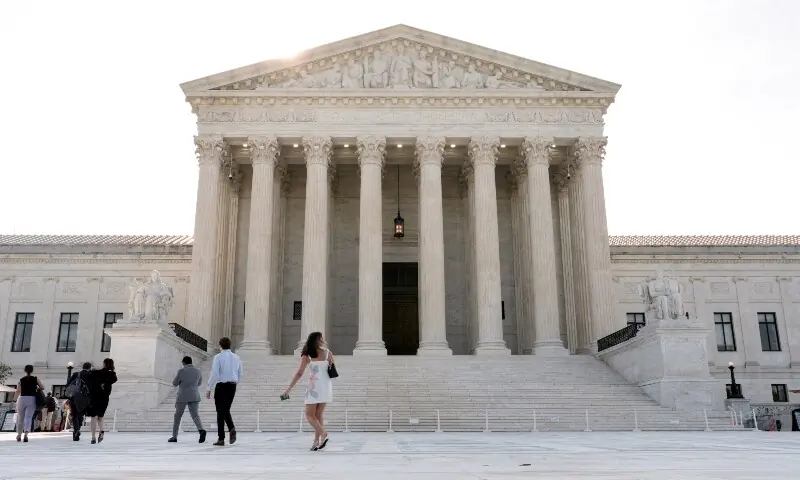
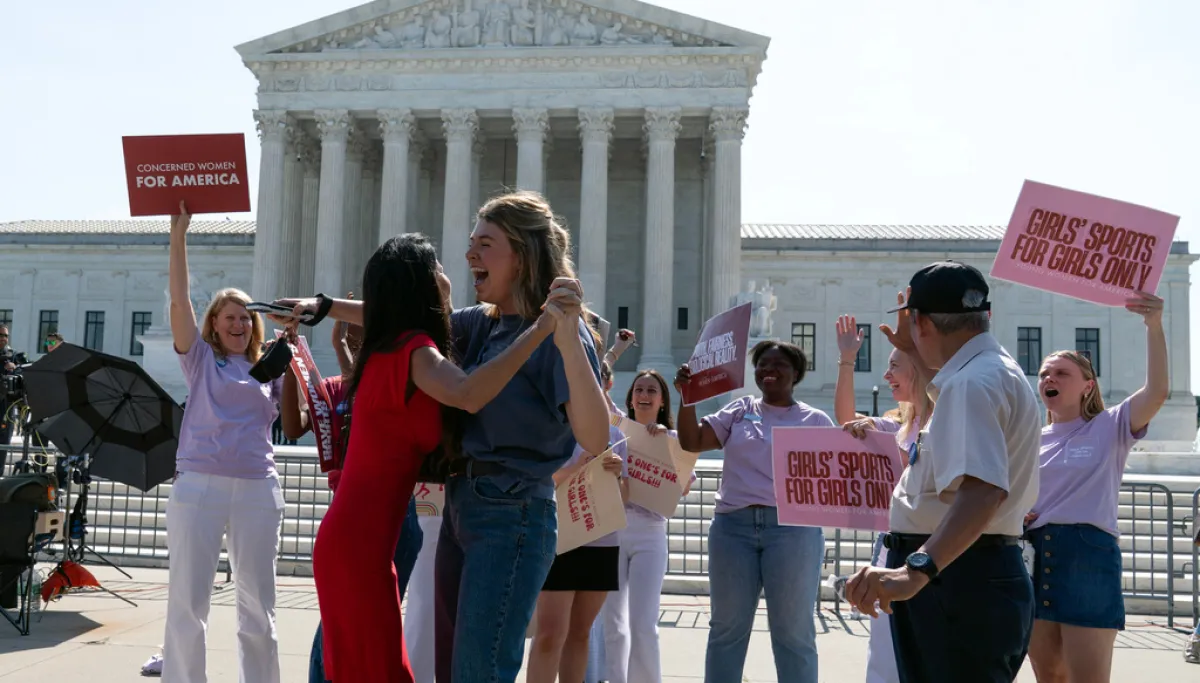
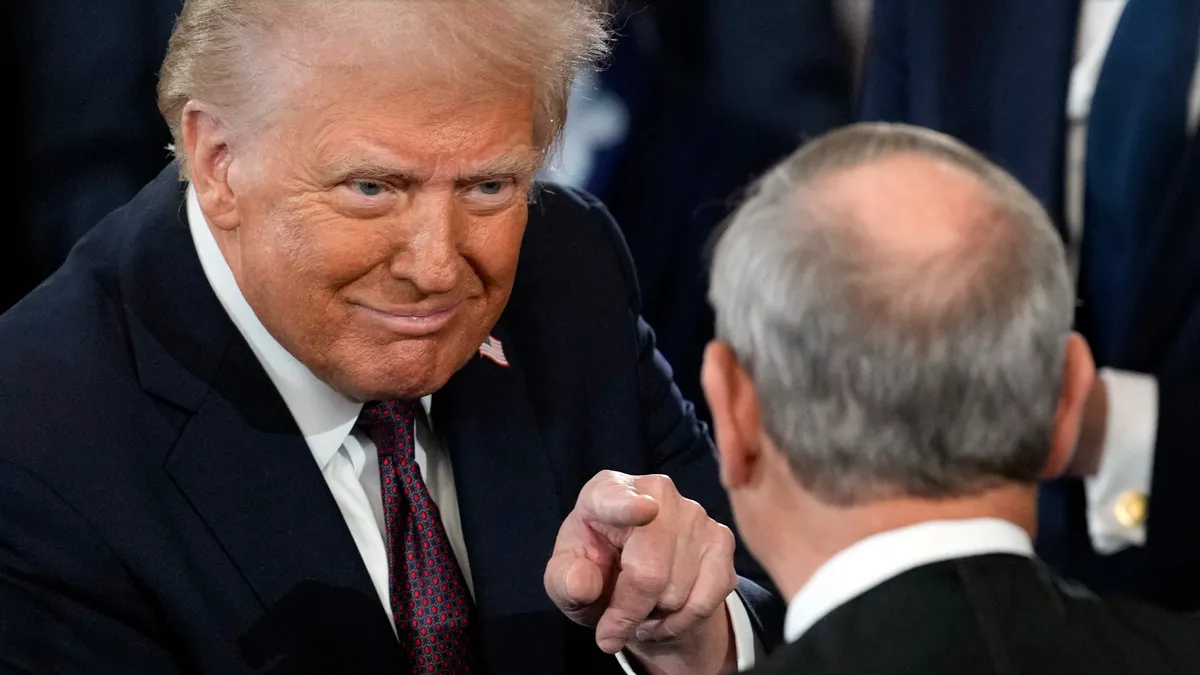
WASHINGTON − The Supreme Court’s final decision of the term, striking down President Donald Trump’s attempt to limit who is an automatic citizen by birth, was not what the president hoped for.But the ruling against Trump was surprisingly close, given the more than 125 years that birthright citizenship was considered a settled issue.And Trump racked up a number of other wins at the high court, even if a majority of the justices ruled against him on two of the cases he cared most about: birthright citizenship and tariffs.Here's a breakdown on what the decisions mean for Trump and his agenda.Trump has new plan for birthright citizenshipThe Supreme Court on June 30 rejected Trump’s attempt to redefine who is an American, striking down the limits on birthright citizenship that were a centerpiece of his hard-line approach to immigration.Five of the nine justices said the executive order Trump signed his first day in office limiting birthright citizenship violated the Constitution's citizenship clause. Justice Brett Kavanaugh said it only ran afoul of a 1952 immigration law.That gave Trump hope that congressional Republicans might change the law."The Supreme Court upheld Birthright Citizenship, which is too bad for our Country, but we can easily make it up in Congress through Legislation, with the support of the President, that has now been determined during this process," Trump wrote in a post on Truth Social.Trump, however, would still have to convince one of the five justices who ruled against him because of the Constitution's citizenship clause that any new law is consistent with the 14th Amendment.Trump calls ruling on transgender athletes a 'big win'In another landmark decision on June 30, the court said states can ban transgender women and girls from competing on female sports teams without violating the Constitution or a federal law barring sex discrimination in education.The president called the ruling a "BIG WIN" on social media.Trump’s opposition to transgender women competing on female teams was a centerpiece of his 2024 campaign and, as president, he has moved to cut off federal funding to schools that allow transgender females to participate in girls' and women's sports.The Justice Department helped West Virginia and Idaho defend their bans before the Supreme Court.But although the administration is separately trying to stop states from allowing transgender girls to compete on female teams, the Justice Department urged the court to decide for now only that bans are allowed and not get into whether they’re required.Campaign finance ruling could boost GOP for nowThe court's conservative majority on June 30 backed a challenge by Vice President JD Vance and other Republicans to one of the remaining checks on money in politics.The court overruled a quarter-century-old decision aimed at preventing wealthy donors from bypassing limits on what they can give federal candidates by funneling money through political parties.The court's decision may benefit the GOP, at least in the short run, because Democratic candidates have not relied as much on financial help from political parties as they’ve been better at attracting small-dollar donations."The opinion may marginally help Republicans, whose party arms have raised more money than Democratic party orgs," Rick Hasen, an elections expert and law professor at the University of California, Los Angeles, wrote on his Election Law Blog. "But in the longer term we can expect more parity."90-year-old limit on president's firing powers struck downTrump called the court’s June 29 decision allowing him to fire Rebecca Slaughter from the Federal Trade Commission the "biggest and most consequential Decision issued by the Court" for presidential power.The court overturned a 90-year precedent from a case called Humphrey's Executor v. United States, which restricted how presidents could remove members of independent boards.Congress created various boards with representation from both parties. But Trump argued that he should control every post in the executive branch, removing and replacing members at will.Roberts delivered the majority opinion in a decision that could affect a dozen government agencies, writing that a president "must have the assistance of officers he can trust.""It is such an Honor to be the sitting President who won this Historic and Unprecedented Ruling, one of the most important ever given with respect to Presidential Powers," Trump wrote on a social media.Court backs Federal Reserve's independenceTrump, by contrast, downplayed the Supreme Court's June 29 decision to block him from immediately firing Lisa Cook, posting on social media that the court sent the case back down to a lower court "on a strictly procedural basis."However, Chief Justice John Roberts wrote for a majority of the court that the Trump administration "has not shown that it is likely to prevail" at that lower court in defending how Cook was fired. Roberts also emphasized that Congress has established protections for the Fed's governors and that the U.S. has a tradition of shielding central banking from political influence.The Federal Reserve is a powerful economic regulator, responsible for monetary policies that can influence inflation rates and unemployment. Its board is composed of governors who are nominated by presidents and confirmed by the U.S. Senate to serve staggered 14-year terms.Backing Trump's firing of Cook, who was nominated by former President Joe Biden and confirmed in 2022, would have left the Fed more vulnerable to whichever president currently occupies the Oval Office.Trump argued that he could remove Cook immediately based on his allegations that she made misrepresentations affecting mortgage rates on two properties she purchased. Cook has said she is looking forward to "debunking" Trump's allegations, and argued that that her firing was unlawful because the Fed's board is historically independent and its governors have statutory protections.States may receive and count mail-in ballots after Election DayIn a significant loss for Trump, the court upheld on June 29 a Mississippi law that counted mail-in ballots postmarked by Election Day that arrive up to five days later.Justice Amy Coney Barrett and Roberts joined the court's three liberal justices in backing the law. Barrett wrote that voters must make their decision by a specific day, not that the ballots must be received on that day.Trump has long opposed mail-in ballots, arguing they are easily corrupted – although he voted by mail himself in March. He cited the court's decision as he continued to pressure Congress to require voters to provide identification at polling places and show proof of citizenship to register, and to prohibit mail-in ballots except for voters who are ill, traveling or serving in the military."There is no excuse for a politician, or otherwise, to be against the above three requirements," Trump said on social media. "There is only one reason to oppose – CHEATING!"A 2025 report from the Brookings Institution found fraud cases related to voting by mail are extremely rare: about four cases for every 10 million mail-in votes. Studies have also shown that voting by noncitizens is virtually nonexistent.Trump wins 3 significant cases about humanitarian aid, asylum and green cardsKey decisions in the closing weeks of the Supreme Court’s term confirmed three Trump policies. One allowed him to end a humanitarian program for people fleeing dangerous countries to live temporarily in the United States. Another allowed him to turn away refugees seeking asylum at the border. A third allowed more scrutiny of green-card holders returning from abroad.The humanitarian program called Temporary Protected Status provided work permits and protection from deportation for 350,000 Haitians and Syrians. But the administration has proposed to end the protected status for 1.3 million people from a combined 13 countries.The asylum decision allowed the administration to turn back refugees at the border rather than letting them enter to await a decision on their applications. Critics of the decision noted it would spur refugees to try to enter the country illegally and Justice Sonia Sotomayor wrote that "more people will die."The court also agreed to allow immigration officials to consider criminal accusations against green-card holders returning from abroad when deciding whether to allow them back.Court overturned Trump's emergency tariffs, a centerpiece of his economic policyThe court overturned Trump’s emergency tariffs in February, gutting the centerpiece of his economic policy, forcing him to refund more than $166 billion already collected and robbing him of a major foreign policy tool.The 6-3 decision found the 1977 International Emergency Economic Powers Act didn’t authorize Trump to impose tariffs on his own. But other statutes, including the 1974 Trade Act, allow Trump to impose tariffs after investigating unfair trade practices such as forced labor or overproduction, both of which the administration is pursuing.Trump called opponents of his tariffs "obnoxious, ignorant and loud," and accused the justices of acting out of fear of critics. He called the plaintiffs in the lawsuit "sleazebags."