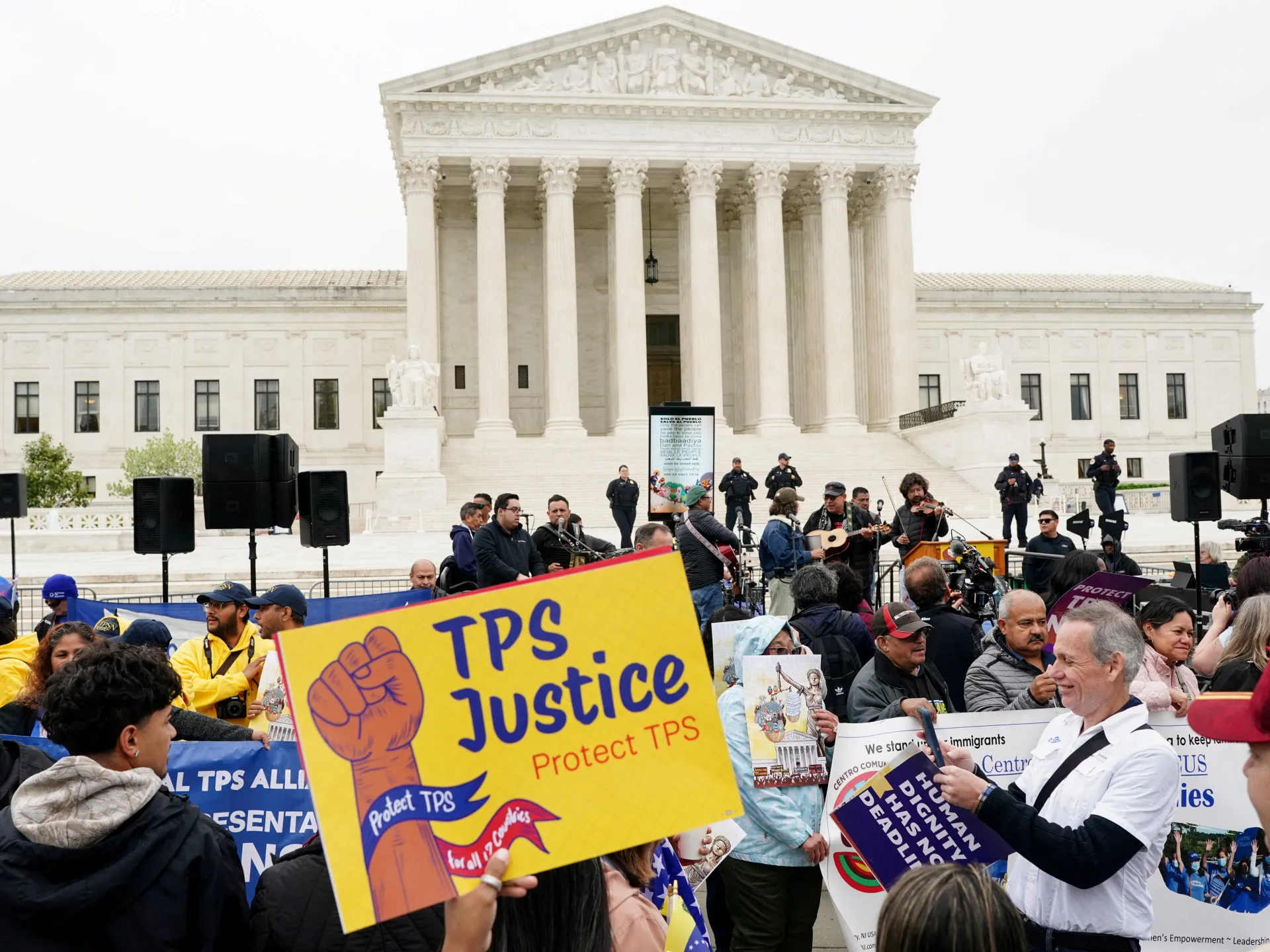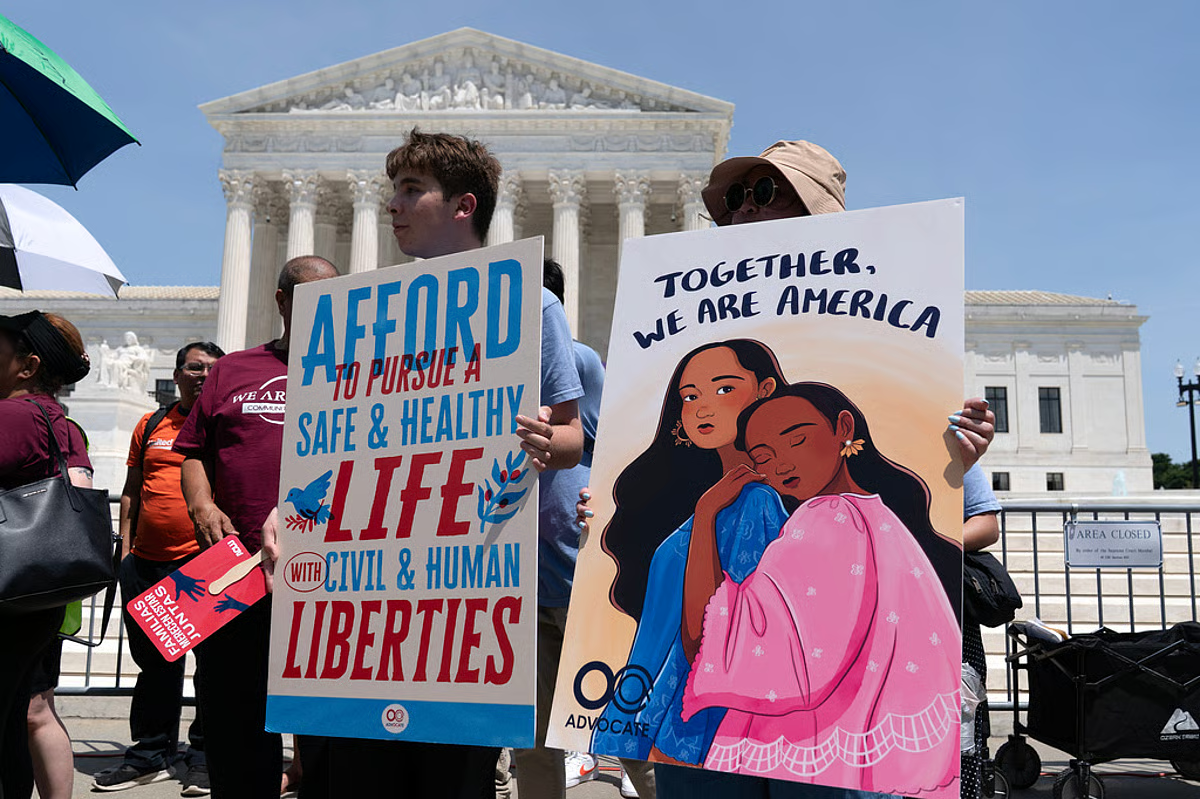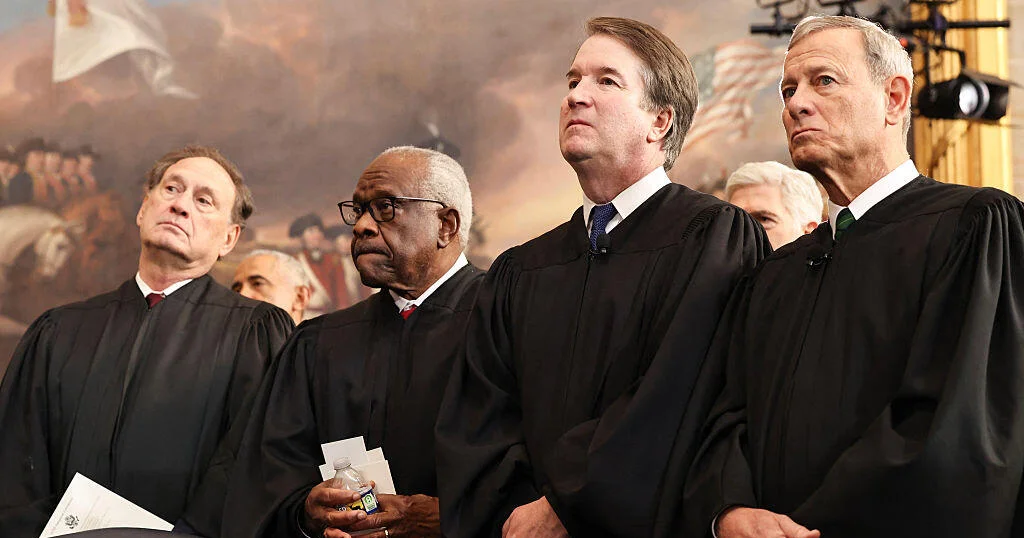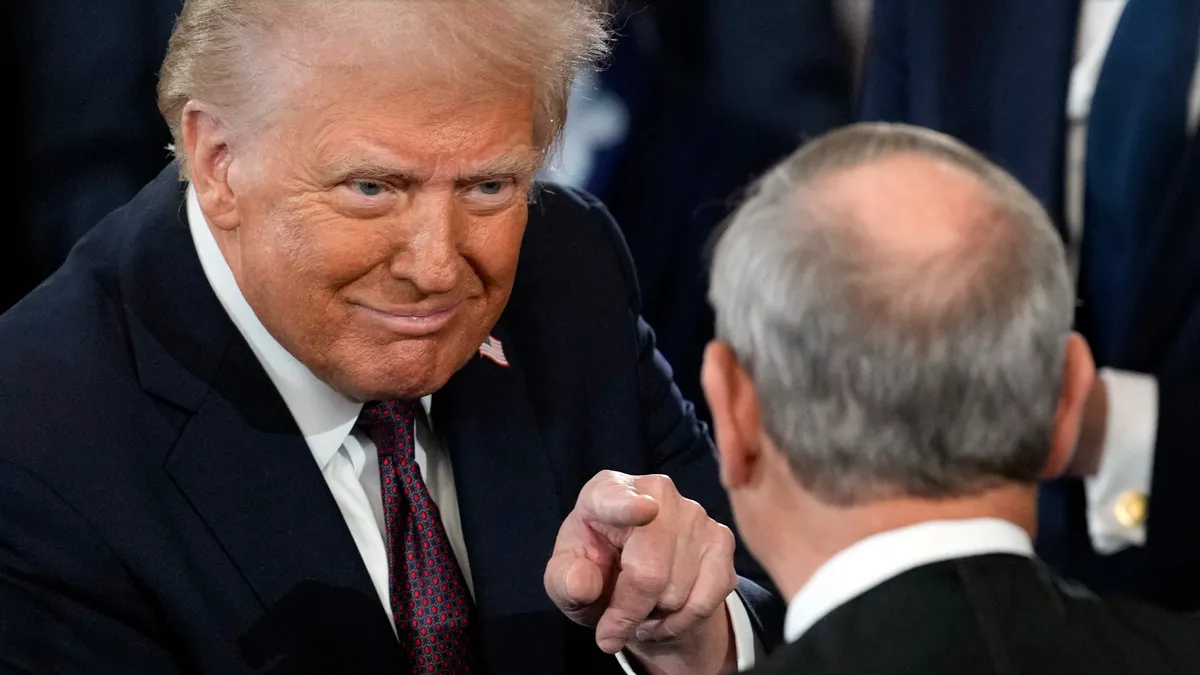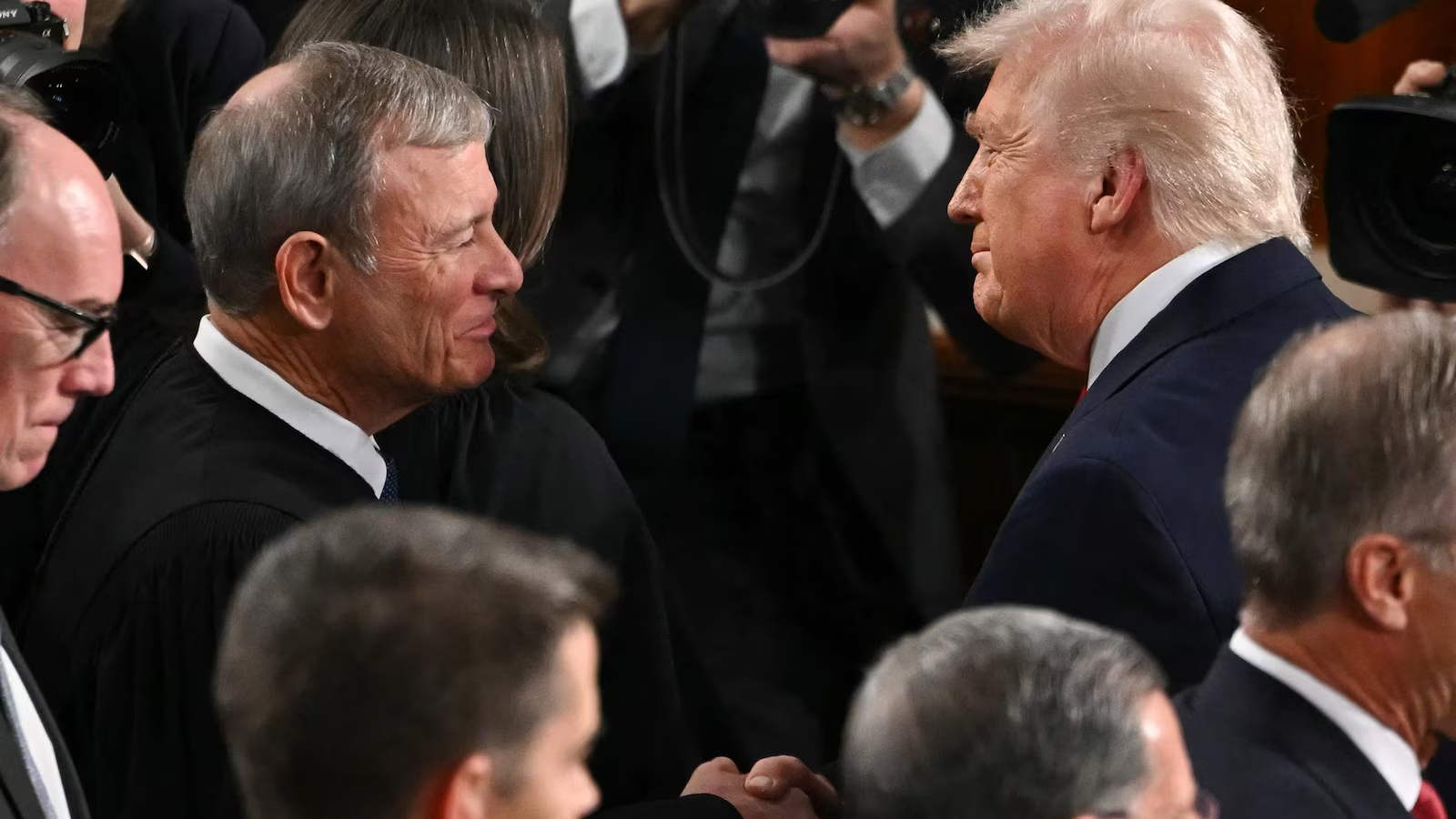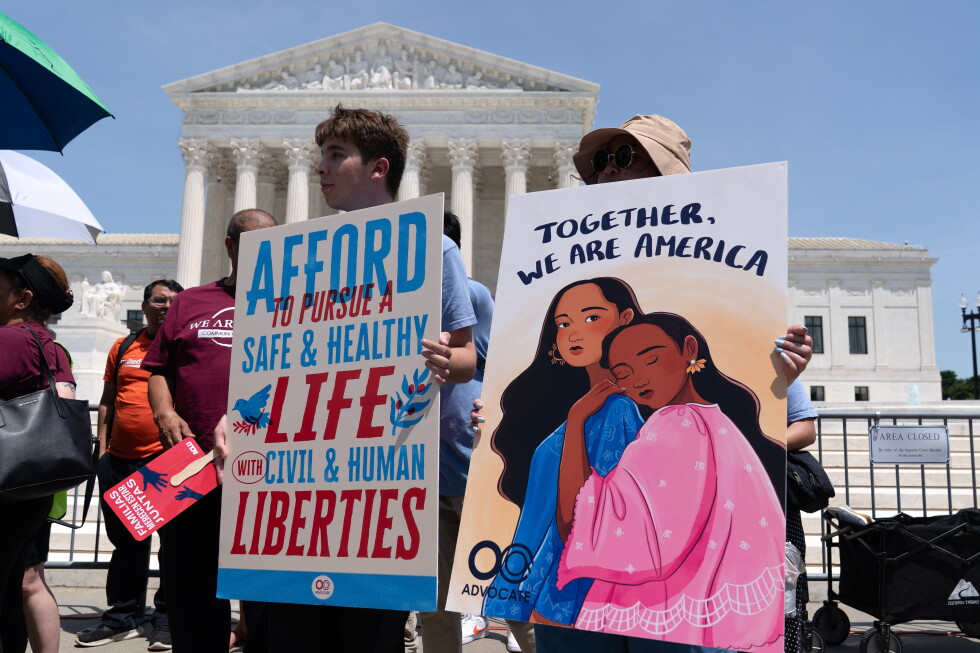
WASHINGTON (AP) — President Donald Trump didn’t get what he wanted in some of the biggest Supreme Court cases this year: tariffs, birthright citizenship and the attempted firing of Federal Reserve governor Lisa Cook. But he also emerged from the term with even greater power. His immigration crackdown was largely upheld, his call to redistrict for partisan advantage marched ahead and his ability to control federal regulatory agencies expanded dramatically when the court overturned a 90-year-old precedent. The court’s conservative majority also seemed willing to look past Trump’s invocation of racial tropes and boundary-pushing moves as it handed down decisions in line with its own conception of a powerful presidency.
The conservative majority seems fully behind the unitary executive theory The court’s ruling Monday gave the president effective control over independent regulatory agencies by allowing him to fire their leaders at will.Several federal laws, some more than 100 years old, sought to protect agency independence by requiring the president to identify a cause, like negligence, before firing the leaders. The court struck down those provisions as unconstitutional limits on presidential power. The decision could give the president the ability to reshape agencies Congress created to operate independently of the executive branch. It also could be a threat to the federal workforce, well below top executives, that has been covered by the civil service system, if future decisions allow the president to fire lower-level workers.