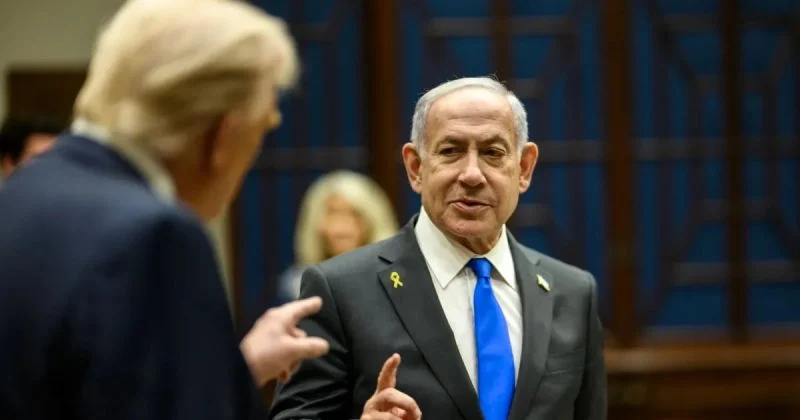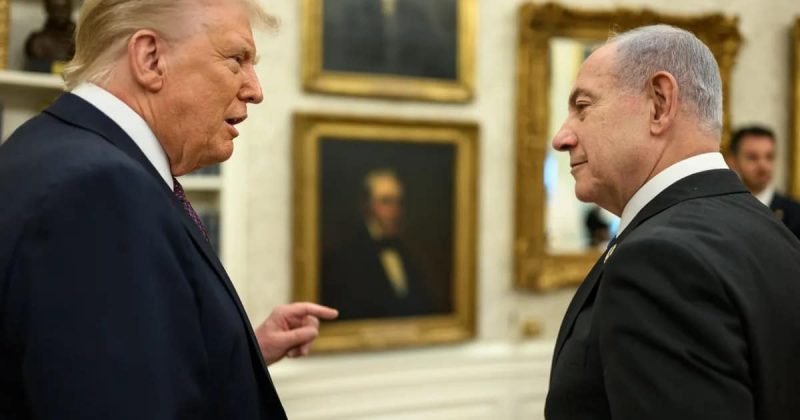
Israeli Prime Minister Benjamin Netanyahu has asserted that he ordered military strikes against Iran to thwart the threat of Israel’s destruction by nuclear weapons purportedly in Iran’s possession. This claim has been met with skepticism and denial from Israeli opposition leader Gadi Eisenkot, who maintains that Iran does not currently hold nuclear warheads. The situation arises amid the ongoing 2026 Iran War, a joint U.S.-Israeli initiative aimed at hindering Iran’s nuclear capabilities. The conflict follows multiple military engagements and diplomatic efforts, none of which have led to a lasting resolution regarding Iran’s nuclear ambitions.
In the context of prediction markets, Netanyahu’s claims and actions appear to have influenced market perceptions significantly. The market on Israel potentially conducting strikes in additional countries during 2026 shows pricing that suggests an increased likelihood of further military actions by Israel. On the other hand, the possibility of a permanent peace deal between Israel and Iran appears to be decreasing, as heightened military activities are interpreted as diminishing the chances for diplomatic resolutions.
Markets also indicate a reduced probability of imminent U.S.-Iran peace talks. The recent military developments have seemingly dampened prospects for a diplomatic breakthrough in the near term, with market participants interpreting the situation as creating additional obstacles for negotiation efforts.